
What Is Limb Salvage Surgery?
Limb Salvage Surgery, often referred to in the context of amputation prevention, is a critical medical procedure, particularly for patients facing the risk of limb loss due to conditions like diabetes, peripheral artery disease (PAD), or severe injuries. The goal of limb salvage surgery is to prevent amputation and maintain the limb’s functionality as much as possible.
At CACVI, we have over 30 years of experience in the industry, and Our team is made up of board-certified endovascular surgeons like Dr. M. Lala, who has been nicknamed the “Leg Saver” doctor in the community. He has a longstanding commitment to saving limbs and improving the quality of life for patients, and specializes in interventions such as Coronary Total Occlusion Interventions (CTO), Peripheral Endovascular Interventions, Limb Salvage and Amputation Prevention, etc. Reach out to us today for a consultation!
In this blog, we will talk about limb salvage surgery and its significance, including the duration of the recovery period.
What Is Limb Salvage Surgery?

Limb salvage surgery, also called limb-sparing surgery, aims to save a limb that might otherwise need to be amputated due to conditions like bone cancer, critical limb ischemia, or severe limb injuries. The primary goal of limb salvage is to remove the diseased or damaged tissue while preserving as much of the limb’s function, appearance, and length as possible.
It involves a reconstructive surgery to replace the removed bone and soft tissue, potentially using metal implants, grafts from other body parts, or microsurgical techniques to restore blood flow and support wound healing. It can also be seen as an amputation prevention process.
Limb salvage surgery has evolved significantly over time with advancements in surgical techniques, prosthetics, and rehabilitation practices. Initially, amputation was often the only option for patients with severe limb conditions.
Over the years, with better understanding and technology, surgeons can now often save limbs that would have been amputated in the past. These advancements include improved pre-operative tests, imaging technologies, and a multidisciplinary approach involving surgeons, oncologists, and rehabilitation specialists to ensure the best outcome for patients.
Limb Salvage Surgery Vs Amputation
When a patient suffers from severe limb injuries, critical limb ischemia, bone cancer, or serious infections, the decision often comes down to two major treatment paths: limb salvage surgery (also called limb sparing surgery) or amputation. While amputation involves the complete removal of the affected limb, limb salvage procedures aim to preserve the natural limb through advanced reconstructive surgery, vascular surgery, and sometimes microsurgical techniques.
The primary goal of limb salvage is to restore blood flow, remove diseased or damaged tissue, and reconstruct the bones, joints, and soft tissue to maintain as much natural function as possible. This may involve the use of metal implants, bone grafts, or even reconstructive procedures using healthy tissues, muscles, and nerves from other parts of the body.
On the other hand, amputation may be recommended when wound healing is unlikely due to poor blood flow, persistent infection, or non-union of a fracture. In some cases, amputation offers faster recovery and fewer complications, especially when limb salvage surgery would involve prolonged healing or multiple operations.
Ultimately, the best treatment decision depends on the patient’s overall health, type of injury or cancer, and their personal goals. A thorough evaluation, including pre-operative tests, helps the surgical team determine whether salvage surgery or amputation offers the best outcome.
What Conditions Require Limb Salvage Surgery?
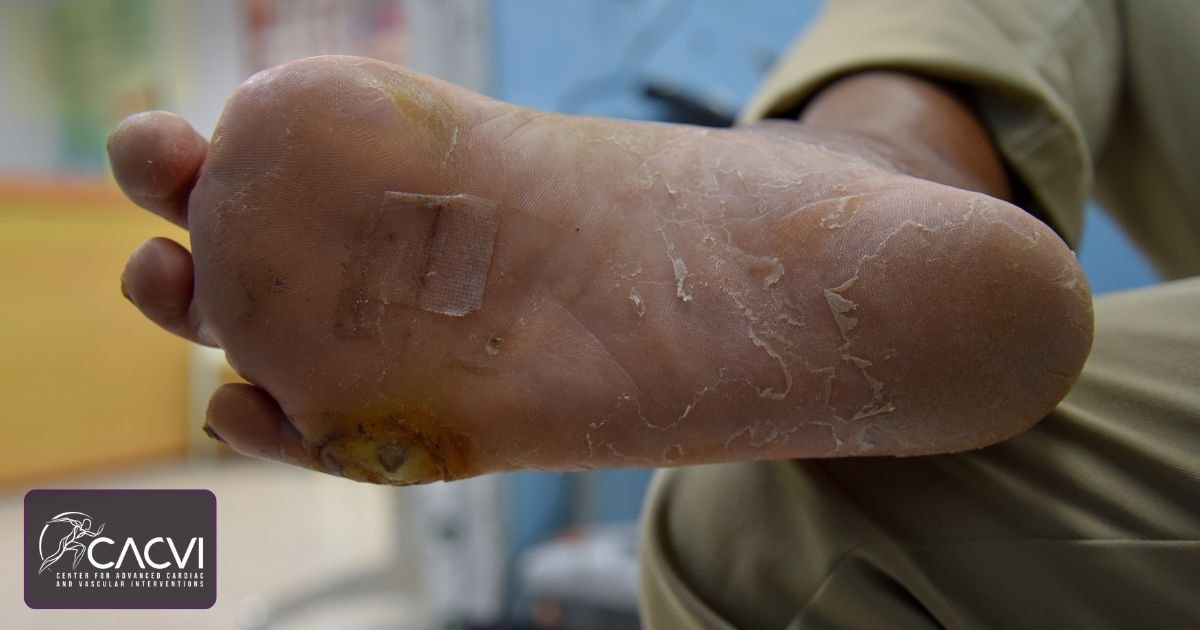
Determining whether a limb needs to be amputated involves assessing the severity of the disease or injury, the potential for recovery with or without the limb, and the risks associated with salvage versus amputation.
Bone cancer is one of the conditions that may necessitate limb salvage surgery. Conditions like osteosarcoma and Ewing sarcoma can lead to the need for limb-sparing surgery. These cancers affect the bones and can cause significant damage, necessitating surgical intervention to remove the tumor while attempting to preserve as much of the limb as possible.
Significant injuries, such as those from accidents or severe burns, can also damage blood vessels, bones, and soft tissues to the extent that limb salvage procedures become necessary to save the affected limb. In addition, infections that result in considerable destruction of tissues, including flesh-eating bacteria, can lead to conditions where limb-sparing surgery is considered to remove infected tissues and save the limb.
In patients with diabetes, diabetic foot ulcers can develop due to poor blood flow and nerve damage (neuropathy). When combined with peripheral arterial disease (PAD), it can lead to critical limb ischemia. This condition necessitates limb salvage efforts to restore blood flow and heal wounds to prevent amputation.
What Are the Different Types of Limb Salvage Surgery?
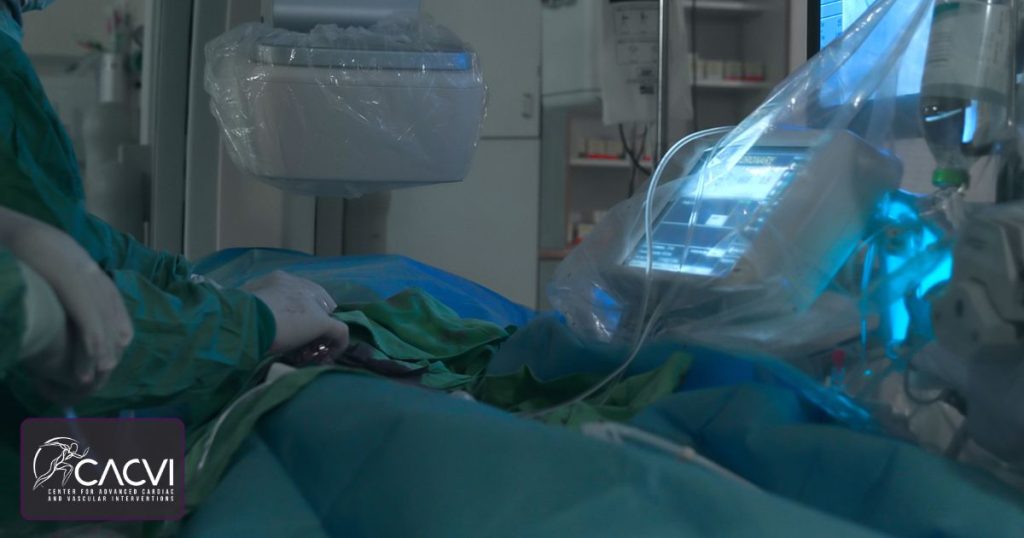
There are several types of limb salvage procedures. They are each tailored to address specific conditions and the parts of the limb affected.
The bone resection and reconstruction procedure is common in cases of bone cancer, such as osteosarcoma and Ewing sarcoma. It involves removing the section of the bone that contains the tumor. The reconstruction can be done using a metal implant (prosthesis), a bone graft from another part of the patient’s body, or a bone transplant from a donor. The choice depends on the location and size of the tumor, as well as the patient’s age and activity level.
Soft tissue reconstruction is another limb salvage procedure for cases where cancer or severe injuries affect the muscles, nerves, and blood vessels. Here, the surgeon may need to remove the affected soft tissue. The reconstruction can involve grafting tissue from another part of the body to replace what was removed. Microsurgical techniques are often used to reconnect small blood vessels and nerves to restore function to the limb.
Another limb salvage procedure is skin flaps and grafts. This procedure is for wounds that do not heal due to poor blood flow or after the removal of cancerous tissue. Skin flaps, which are sections of skin and the underlying blood vessels, fat, or muscle, are moved from one part of the body to another. Skin grafts involve transplanting skin without the underlying tissues.
In cases of critical limb ischemia where blood flow to the limb is blocked, endovascular procedures like angioplasty or the insertion of stents can be used to open up blocked arteries and restore blood flow. These minimally invasive procedures are often used alongside other types of limb salvage surgeries to improve the chances of saving the limb.
Cancer or injury may damage a joint, necessitating the need for joint replacement. This surgery involves removing the damaged joint and replacing it with an artificial one, helping to preserve the limb’s function.
The choice of limb salvage procedure depends on several factors, including the specific diagnosis, the location and extent of the disease or injury, the patient’s overall health, and the expected functional outcome.
The Limb Salvage Surgery Process

The process begins with a thorough diagnostic evaluation, including imaging tests like X-rays, MRI, CT scans, and bone scans to determine the extent of the disease or injury. These tests help in mapping out the precise location and size of tumors or damaged tissues.
Furthermore, there is a multidisciplinary team that includes orthopedic surgeons, oncologists, radiologists, plastic surgeons, and rehabilitation specialists that collaborates to develop a personalized treatment plan. This team approach ensures that all aspects of the patient’s care are considered, from surgical intervention to post-operative recovery.
Then there is the tumor removal for cancer cases. It is critical for preventing the spread of cancer and achieving the best possible outcomes. After tumor removal, the next step involves reconstructing the affected area. This may include the use of prostheses or metal implants to replace removed bone sections, bone grafts, or the transplantation of soft tissues. The aim is to restore as much function and normal appearance to the limb as possible.
Rehabilitation is a key part of recovery, starting soon after surgery and continuing for months or even years. Physical therapy is tailored to each patient’s needs to help them regain strength, mobility, and function. The rehabilitation process also includes regular follow-ups with the surgical team to monitor the healing process and manage any long-term effects of the surgery.
Despite the advancements in surgical techniques and post-operative care, complications can arise, including infection, blood clots, wound healing issues, and the possibility of tumor recurrence in cancer cases. To manage these risks, ensure that infections are treated with antibiotics. Sometimes, they require additional surgeries to remove infected tissues. You can also prevent blood clots with medication and physical activity to promote blood flow.
In cases of wound healing issues, you may need further surgeries or adjustments in rehabilitation plans. And, if there is tumor recurrence, it should be monitored through regular imaging tests and follow-up appointments, with additional treatments like chemotherapy or radiation therapy being options if cancer returns.
How Long Is Limb Salvage Surgery Recovery?
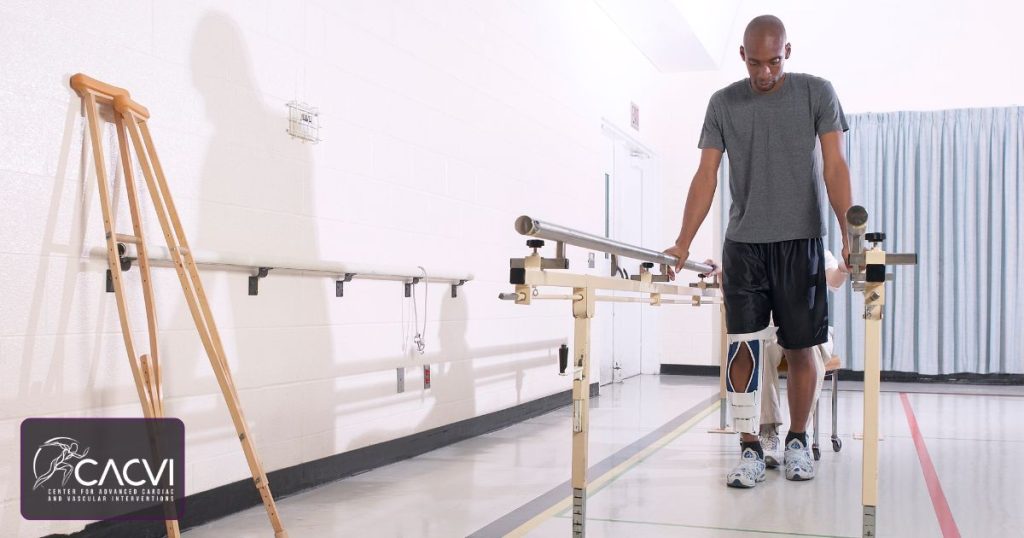
The recovery from limb salvage surgery varies significantly among patients, depending on factors such as the extent of the surgery, the patient’s overall health, the type of tumor or injury, and the specific reconstruction done. Generally, the rehabilitation process can be lengthy, taking from about two weeks to several months to over a year to achieve maximum recovery and functional capability.
Rehabilitation begins soon after surgery to prevent stiffness and muscle atrophy. The specific regimen includes a range of physical therapy techniques and exercises tailored to the individual’s needs, aiming to restore strength, flexibility, and range of motion. For patients with bone cancer or those who have had significant reconstructive procedures, full weight-bearing may be gradually introduced according to the healing stages of grafts or implants.
The psychological impact of undergoing limb salvage surgery and the subsequent rehabilitation process cannot be underestimated. Support from psychologists or counselors, as well as from support groups, can be invaluable in helping patients adjust to the changes in their bodies, cope with the uncertainties of recovery, and maintain a positive outlook.
The success rates and outcomes of limb salvage surgery are generally positive, with most patients able to return to a wide range of activities and maintain a good quality of life. The goal is to achieve a functional limb that allows for mobility and daily activities without pain. However, success can vary based on the complexity of the surgery and the patient’s adherence to the rehabilitation program.
Risks and Complications Associated With Limb Salvage Surgery
While limb salvage surgery can be life-changing and is often preferred over amputation, it is a complex procedure that comes with potential risks and complications. Some of the most common complications include:
-
Infection: One of the leading risks, especially in cases involving open wounds, poor blood flow, or soft tissue damage. Infections can delay wound healing or lead to the eventual need for amputation.
-
Non-union or delayed healing: The bone may not properly fuse after the procedure, especially if a fracture or bone graft is involved. This may require additional surgical treatments or revision procedures.
-
Poor blood circulation: In patients with critical limb ischemia or blocked blood vessels, restoring and maintaining blood flow is essential. Failure to do so can result in tissue death or surgical failure.
-
Nerve or muscle damage: In complex limb salvage procedures, nearby nerves, muscles, or other tissues may be affected, which can impair function or mobility.
-
Implant failure: If a metal implant or prosthesis is used, there’s a risk of loosening or mechanical failure over time, especially with early or excessive weight bearing.
-
Chronic pain or reduced function: Some patients may continue to experience discomfort or limited mobility, depending on the extent of the injury, tissue damage, or scarring.
Innovations and Future Directions in Limb Salvage Surgery
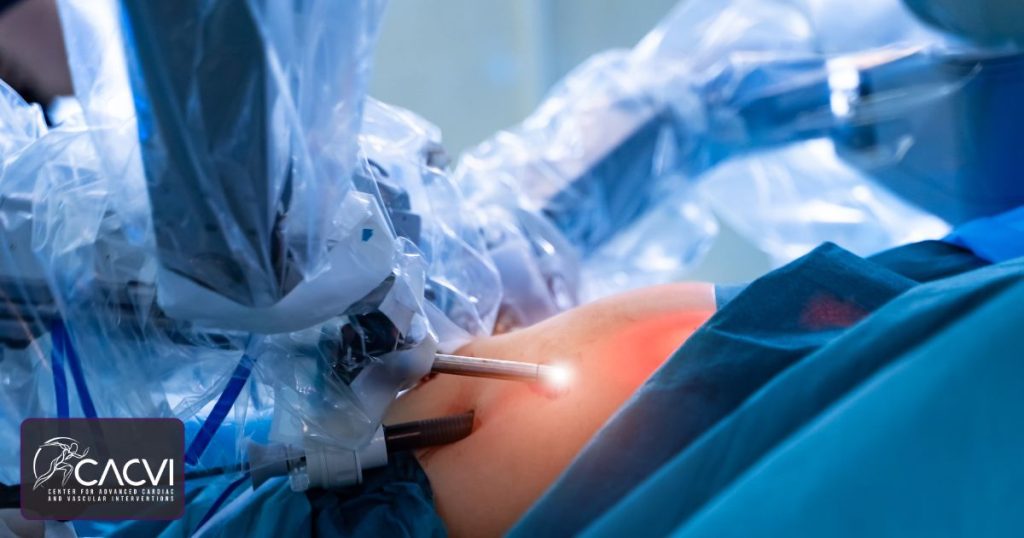
Innovations in limb salvage surgery are rapidly evolving, promising significant improvements in patient outcomes and surgical techniques. One of the key areas of technological advancements is 3D printing in bone reconstruction. It is one of the most promising innovations in limb salvage surgery as it allows for the creation of custom-made implants and bone grafts that match the exact specifications of the patient’s anatomy, improving the fit and integration with the surrounding bone tissue. 3D printing can create complex structures that closely mimic natural bone, potentially enhancing the healing process and functional outcomes.
Robotic-assisted surgery is also becoming more prevalent in various surgical fields, including limb salvage procedures. Robots assist surgeons in performing precise and minimally invasive surgeries, reducing recovery time and improving the accuracy of tumor removal and tissue reconstruction. The use of robotic systems also allows for better visualization of the surgical site, which can be particularly beneficial in complex cases where preserving critical structures like nerves and blood vessels is essential.
Ongoing research focuses on developing new materials for implants and prosthetics that better mimic the properties of natural tissues. These materials aim to improve the integration of implants with the body, reduce the risk of infection, and enhance the durability and function of prosthetic limbs. Innovations in biomaterials, such as biocompatible metals, polymers, and composites, matter for the future of limb reconstruction and rehabilitation.
Future prosthetics are expected to incorporate advanced sensors and actuators that allow for more natural movements and provide sensory feedback to the user. This research aims to create prosthetics that can adapt to various activities and terrains, improving the user’s mobility and quality of life.
The integration of precision medicine into limb salvage surgery involves tailoring surgical and therapeutic interventions to the individual genetic, environmental, and lifestyle factors of each patient. This approach could lead to more effective and personalized treatment plans, reducing the risk of complications and improving recovery times.
Innovations in rehabilitation, including virtual reality, augmented reality, and gamification, are being explored to make post-surgical recovery more effective and engaging for patients. These technologies can provide tailored rehabilitation programs, real-time feedback, and motivational support to enhance the recovery process.
Furthermore, research in regenerative medicine, including stem cell therapy and tissue engineering, holds the potential to revolutionize limb salvage surgery. These techniques aim to regenerate damaged tissues and organs, offering new possibilities for reconstructing limbs affected by injury or disease.
As these innovations and research directions continue to evolve, the future of limb salvage surgery looks promising, with the potential to offer patients better functional outcomes, faster recovery times, and an improved quality of life.
Need Limb Salvage Surgery?
Limb-sparing surgery is a important medical procedure aimed at saving limbs at risk due to conditions such as cancer, trauma, infections, and critical limb ischemia to avoid limb amputation, starting with a peripheral vascular disease evaluation.
If you or someone you know is facing a medical condition that may require limb salvage surgery, it is essential to consult with medical professionals who specialize in this field. Getting a timely, expert opinion can make a significant difference in treatment outcomes and quality of life.
Our Center for Advanced Cardiac and Vascular Interventions in California is at the forefront of providing such complex treatments with a focus on personalized care and the latest technological advancements. For detailed evaluations and consultations, especially regarding peripheral vascular diseases that could lead to limb-threatening conditions, reach out to us!
FAQs
Limb salvage surgery is a complex but often life-changing procedure. Below are answers to some of the most common questions patients ask when considering this advanced treatment option:
How Successful Is a Limb Salvage Surgery?
Success rates are high when performed by an experienced multidisciplinary team, especially in centers specializing in vascular surgery and limb reconstruction. Most patients regain significant function and weight-bearing ability within a few months.
What Are the Risks Associated With Limb Salvage Surgery?
Common risks include infection, non-union, poor wound healing, and reduced blood flow, which may lead to further surgical treatments or even amputation in severe cases.
What Is the Recovery Period Like After Limb Salvage Surgery?
The recovery period can range from several weeks to a few months, depending on the complexity of the procedure and the patient’s overall health. Most patients begin full weight bearing in about two weeks, followed by ongoing rehabilitation.
Will I Need a Metal Implant or Bone Graft?
Yes, in many cases, metal implants or bone grafts are used to reconstruct damaged bones and restore joint stability and limb function.
Can Limb Salvage Be Performed After Chemotherapy or Cancer Treatment?
Yes. Limb-sparing surgery is often used in bone cancer cases after chemotherapy to remove the tumor while preserving as much of the limb as possible.

✓ Medically reviewed by
Dr. Moinakhtar Lala
M.D., FACC, FSCAI, RPVI · Limb salvage and endovascular intervention
Built the limb salvage and amputation prevention programme at CACVI, which is why patients call him the leg saver. Board certified in general cardiology, endovascular interventions, echocardiography, nuclear cardiology and vascular ultrasound.
View physician profile →
