




















Respuesta rápida
You cannot fully remove spider veins with natural methods, but you can reduce how visible they are. Regular exercise, leg elevation, compression stockings, and a healthy diet improve circulation and ease symptoms like aching or heaviness. Home remedies such as witch hazel, horse chestnut extract, and gentle massage toward the heart may also calm swelling. None of these replace medical treatment such as sclerotherapy if veins persist or worsen.
If you've noticed small, web-like veins on your legs or face, you may wonder how to get rid of spider veins naturally. Regular exercise, leg elevation, compression therapy, a healthy diet, and other lifestyle changes may improve circulation and reduce symptoms. However, natural remedies cannot eliminate existing spider veins, and you should consult a vascular specialist before trying new treatments.
At theCACVI, our specialists have over 30 years of experience helping patients restore their vein health through advanced vascular care. We provide expert advice on both natural approaches and professional treatments tailored to your needs. Contact us today to schedule a consultation and get personalized recommendations.
In this blog, we'll explain what causes spider veins, the most effective natural remedies to reduce their appearance, and when to seek medical care.
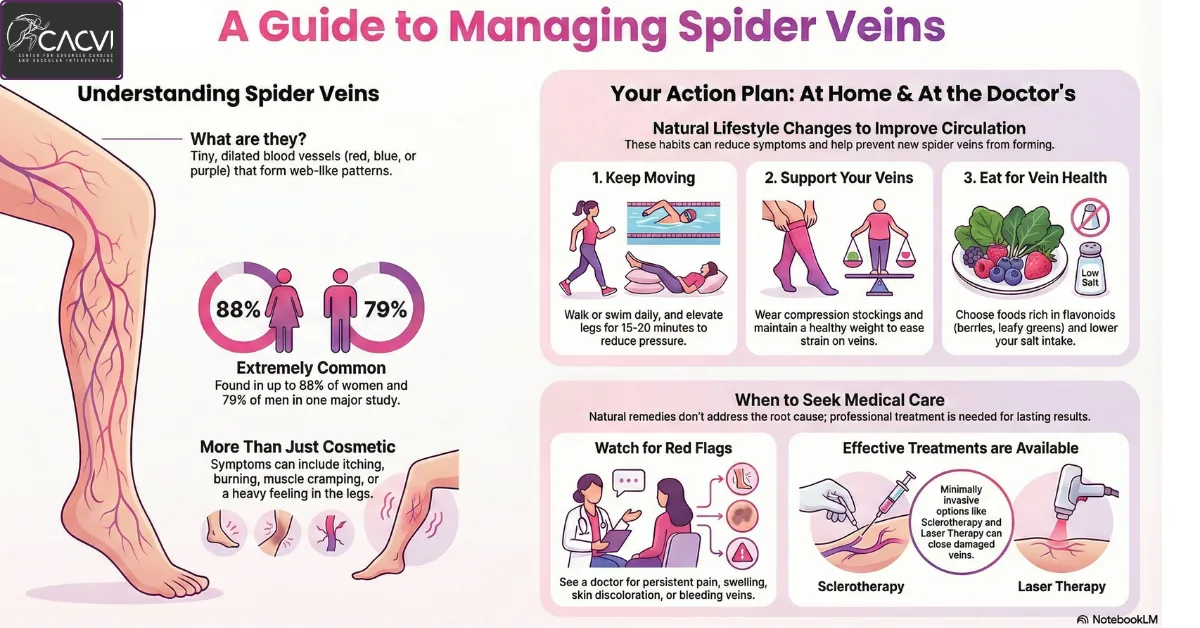
What Are Spider Veins?
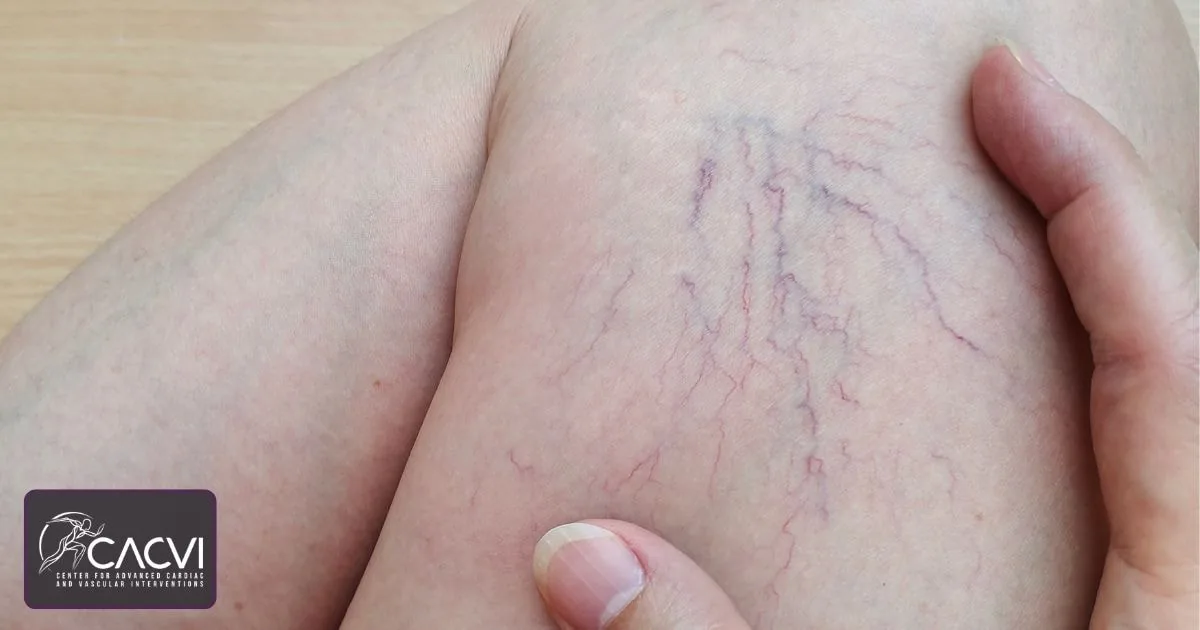
Spider veins, also called telangiectasias, are tiny blood vessels that become enlarged and appear close to the skin's surface. They often look like thin red, blue, or purple lines that form web-like patterns on the legs or face. Spider veins typically develop when small vein valves weaken or become damaged. This allows blood pooling inside the veins instead of blood flowing smoothly back to the heart. Over time, these superficial blood vessels enlarge and become visible beneath the skin.
"Spider veins are more than a cosmetic concern. They often reflect changes in tiny blood vessels and blood flow near the skin's surface," says Dr. Saibal Kar. "Evaluating spider veins early allows us to improve blood circulation, support overall vein health, and identify underlying vein disease before symptoms progress."
Spider veins are extremely common. According toNIH-hosted StatPearls, a study of 1,566 adults found that 88% of women and 79% of men had spider veins on at least one leg, with most cases occurring between 30 and 50 years of age. This research shows that spider veins are one of the most common visible vein conditions affecting adults.
Although many people consider them a cosmetic issue, spider veins can sometimes signal underlying vein disease, including chronic venous insufficiency. They also share many risk factors with varicose veins, including genetics, hormonal changes, obesity, and prolonged standing or sitting. When left untreated, these factors can contribute to poor blood flow, weakened vein walls, and worsening symptoms over time.
Addressing spider veins early helps support vein health, improve healthy blood flow, and reduce discomfort such as aching, heaviness, or leg cramping. In some cases, patients with both spider veins and varicose veins may benefit from further evaluation to rule out more serious circulation problems. Identifying these conditions early allows us to recommend the most appropriate treatment options for healthier veins and long-term vascular health.
What Causes Spider Veins?
Genetics is one of the most common causes because vein weakness often runs in families. If your parents have spider veins, you are more likely to develop them as well.
Hormonal changes can also affect vein health. Pregnancy, menopause, and hormonal medications may weaken vein walls and increase pressure inside the veins. Women are more likely than men to develop spider veins because of these hormonal fluctuations.
Prolonged standing or sitting places extra pressure on the leg veins. Over time, this pressure can weaken the vein valves and reduce healthy blood flow. Jobs that require long hours on your feet often increase the risk.
Sun exposure is another common cause, especially for spider veins on the face. Ultraviolet rays can damage the tiny blood vessels beneath the skin, making them more noticeable over time.
Vitamin deficiencies may also contribute to poor vein health, although they are rarely the only cause. Vitamin C supports collagen production, which helps keep blood vessel walls strong and flexible. Vitamin K plays a role in healthy blood clotting and may help reduce the appearance of bruising around damaged blood vessels. Eating a balanced diet rich in fruits, vegetables, and whole grains helps support healthy circulation and overall vascular health.
What Are the Symptoms and Appearances of Spider Veins?
The most noticeable sign of spider veins is the appearance of thin, web-like lines beneath the skin's surface. These tiny blood vessels usually appear red, blue, or purple and commonly develop on the legs or face. Unlike larger varicose veins, spider veins are typically flat and do not bulge above the skin.
Although many people view spider veins as a cosmetic concern, they can also cause uncomfortable symptoms. You may experience itching, irritation, or tenderness around the affected veins. Some patients also notice a burning or throbbing sensation after long periods of standing or sitting.
As blood circulation becomes less efficient, your legs may begin to feel heavy, tired, or achy. Mild swelling around the ankles or lower legs can also occur, especially after a full day of activity. Muscle cramps, particularly at night, may develop as poor blood flow places additional stress on the leg muscles.
These symptoms do not always indicate a serious condition. However, persistent pain, significant swelling, skin discoloration, or symptoms affecting one leg could signal underlying vein disease, chronic venous insufficiency, or even a blood clot such as deep vein thrombosis. If your symptoms continue or worsen, we recommend seeing a vascular specialist for a complete evaluation.
Early assessment helps determine whether your symptoms are caused by simple spider veins or a more advanced circulation problem. Prompt diagnosis also allows us to recommend the most appropriate treatment options to improve blood flow, support overall vein health, and prevent future complications.
How to Get Rid of Spider Veins Naturally
When it comes to getting rid of spider veins naturally, there are several effective options available. We've divided them into two primary categories for clarity: home remedies and lifestyle modifications.
Lifestyle Changes
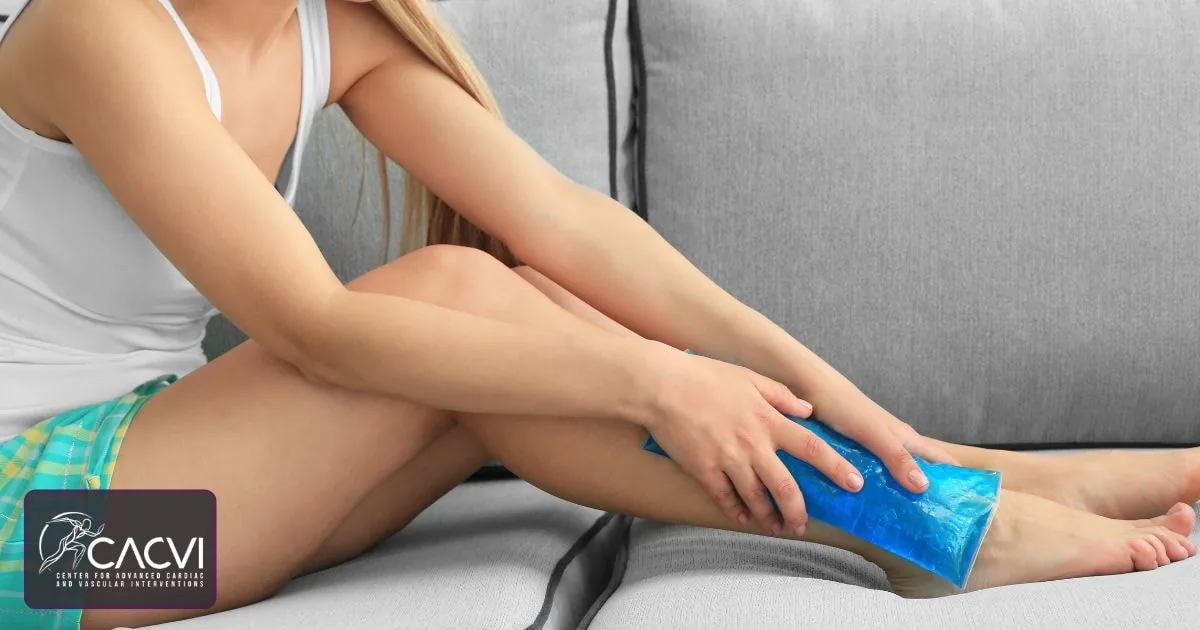
Healthy lifestyle habits can improve circulation, reduce uncomfortable symptoms, and support long-term vein health. While these changes cannot remove existing spider veins, they may help prevent new ones from developing and slow their progression. In our experience, patients often notice the greatest improvement when lifestyle changes are combined with professional vein care.
One patient visited us after noticing new spider veins on her calves and behind her knees following years of desk work and long daily commutes. Although she had no severe pain, she experienced frequent leg fatigue and mild swelling by the end of each day. After a thorough evaluation, we recommended a conservative treatment plan that included daily walking, compression stockings during work hours, regular leg elevation, and gradual weight management. Within several months, her leg discomfort improved, swelling became less frequent, and her circulation felt better. While her existing spider veins remained visible, they became less noticeable, and no additional spider veins developed.
Staying physically active is one of the best ways to support healthy veins. Walking, swimming, and cycling strengthen your calf muscles, which help pump blood back toward your heart. We recommend at least 30 minutes of moderate exercise most days of the week. Avoid heavy weightlifting without medical guidance because it can increase pressure inside the leg veins.
Elevating your legs above heart level for 15 to 20 minutes several times a day helps reduce swelling and venous pressure. This simple habit encourages blood to return to the heart more efficiently. It can be especially helpful after long periods of standing or sitting.
Compression stockings provide gentle pressure that supports healthy circulation and reduces leg swelling. They help prevent blood from pooling in the veins and can relieve aching or heaviness. Your vascular specialist can recommend the right compression level for your condition.
Maintaining a healthy weight reduces stress on your leg veins and improves blood flow. Even modest weight loss can decrease pressure on the veins and lower the risk of developing additional spider veins. A balanced diet combined with regular exercise provides the greatest benefit.
Avoid sitting or standing in one position for long periods. Moving every 30 to 60 minutes helps keep blood circulating through your legs. Stretching, walking, or performing simple ankle movements can make a noticeable difference throughout the day.
Reducing your salt intake may help decreasewater retention and leg swelling. Choosing foods rich in potassium, such as bananas, spinach, and sweet potatoes, also supports healthy fluid balance. These dietary changes can improve overall vein comfort.
Wearing supportive, comfortable shoes allows your calf muscles to work naturally while walking. High heels limit normal calf movement and may contribute to poor circulation over time. Choosing lower heels or supportive footwear promotes healthier blood flow.
Quitting smoking is one of the most important steps you can take for your vascular health. Smoking damages blood vessels, reduces oxygen delivery, and worsens circulation throughout the body. Stopping smoking benefits both your veins and your overall cardiovascular health.
Avoid crossing your legs for long periods because it may place unnecessary pressure on the veins. Sitting with both feet flat on the floor encourages healthier circulation. Changing your sitting position regularly also helps reduce blood pooling.
Eating foods rich in flavonoids may support healthy vein function. Berries, citrus fruits, onions, garlic, and leafy green vegetables contain antioxidants that help protect blood vessels. A nutritious diet supports healthier veins and complements other lifestyle changes.
Home Remedies for Spider Veins
In addition to healthy lifestyle habits, some natural remedies may support circulation and improve vein health. These remedies may help reduce discomfort and improve the appearance of spider veins for some people. However, they cannot remove existing spider veins or replace professional medical treatment. We recommend discussing any new remedy or supplement with your healthcare provider before using it.
"Natural remedies can help support healthy blood circulation and reduce inflammation around superficial veins, which may ease symptoms and improve comfort," says Dr. Saibal Kar. "However, these approaches do not treat the underlying cause of spider veins, and medical treatment is often necessary when symptoms worsen."
Apple cider vinegar is commonly used as a home remedy for spider veins. Some people apply it to the affected area once or twice daily using a soft cloth or cotton ball. While it may temporarily soothe the skin, there is no strong clinical evidence that it removes spider veins. Because it is highly acidic, always perform a patch test before applying it to larger areas.
Witch hazel is another popular topical remedy. Its natural astringent properties may temporarily reduce swelling and make small blood vessels appear less noticeable. Alcohol-free products are usually gentler on the skin and less likely to cause irritation or dryness.
Horse chestnut extract has been studied for improving symptoms of chronic venous insufficiency. Its active ingredient, aescin, may reduce swelling and support healthy vein function. Raw horse chestnut is toxic and should never be consumed. Speak with your healthcare provider before using this supplement, especially if you take blood thinners or diabetes medications.
Gentle massage may improve circulation and reduce feelings of heaviness in the legs. Always massage toward the heart using light pressure. Avoid massaging swollen, painful, or bulging veins because it may worsen symptoms or cause injury.
Essential oils such as lavender, cypress, and rosemary are sometimes used to soothe tired legs. They should always be diluted with a carrier oil before applying them to the skin. Perform a patch test first because essential oils may cause skin irritation or allergic reactions.
Grape seed extract contains antioxidants that may help strengthen blood vessel walls. Some studies suggest it may improve symptoms related to poor circulation. People taking blood-thinning medications should consult their healthcare provider before using this supplement.
Gotu kola is available as a supplement or topical cream. It may support collagen production and improve the strength of vein walls. Oral supplements should only be used under medical guidance, especially if you have liver disease.
Aloe vera provides a cooling sensation that may temporarily relieve itching or skin irritation around spider veins. It also helps moisturize dry skin. However, aloe vera does not shrink spider veins or repair damaged vein valves.
Cayenne pepper contains capsaicin, which may promote healthy circulation. Some people consume it as a supplement or mixed with food. It can cause stomach irritation or heartburn, particularly when taken on an empty stomach.
Are Natural Remedies for Spider Veins Better than Medical Intervention?
No, natural remedies alone are rarely enough to fully treat spider veins because they don't address the root cause of the problem. While natural approaches may provide temporary relief, without proper medical treatment, your condition can worsen over time. In our experience, natural approaches work best alongside professional care rather than as a replacement for it.
Many natural treatments focus on helping improve blood flow, reducing swelling, and supporting healthier veins. However, they cannot reverse weakened vein valves or treat underlying vein disease, such as chronic venous insufficiency. Some herbal supplements may also interact with prescription medications or cause side effects, including allergic reactions or stomach irritation. We recommend discussing any supplement with your healthcare provider before using it.
For patients with persistent symptoms or unsightly spider veins, professional spider vein treatment usually provides the most reliable results. Medical treatments such as sclerotherapy, laser therapy, Varithena, and other minimally invasive procedures target the damaged veins directly. These treatments work by closing the affected veins and redirecting blood flow into healthier veins. This process improves both the appearance of the legs and healthy blood flow.
The best treatment for spider veins depends on the severity of your condition and any underlying risk factors. During your evaluation, a vascular specialist can determine whether natural remedies, conservative care, or a minimally invasive treatment will provide the best long-term outcome. Early treatment often helps prevent symptoms from worsening and supports healthier leg veins for years to come.
When Should I Seek Medical Care?
Most spider veins are not dangerous, but some symptoms should never be ignored. Seek medical care if you develop persistent leg pain, swelling, throbbing, or a heavy feeling that does not improve with rest. Bleeding veins, skin discoloration, open sores, or warmth around the affected veins also require prompt evaluation.
These symptoms may indicate underlying vein disease, chronic venous insufficiency, or a blood clot such as deep vein thrombosis. Without treatment, poor blood flow can lead to skin damage, slow-healing ulcers, or other serious complications. Early diagnosis allows us to protect your overall vein health and recommend the most appropriate treatment.
You should also schedule an evaluation if your spider veins and varicose veins continue to spread or become increasingly uncomfortable. A vascular specialist can identify underlying risk factors, assess your blood circulation, and determine whether natural remedies, compression stockings, or medical treatments are appropriate. Early care often leads to better outcomes and may reduce the need for more extensive procedures later.
If you're experiencing these warning signs or want to explore your treatment options, contact CACVI today. Our specialists have more than 30 years of experience diagnosing and treating spider veins using personalized care and advanced minimally invasive procedures. We are committed to helping you restore healthier veins, improve circulation, and achieve lasting relief.
How to Get Rid of Spider Veins Without Surgery
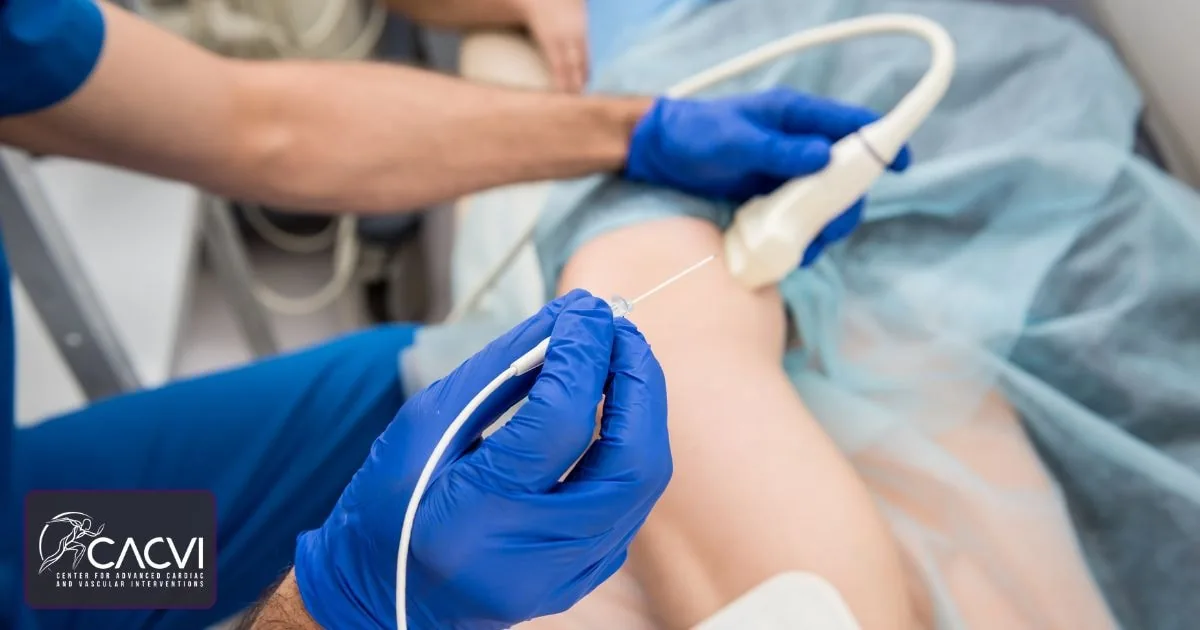
In our experience, many patients are relieved to learn that you can get rid of spider veins without surgery using modern, minimally invasive treatments. These options focus on closing or collapsing the affected veins so blood naturally reroutes through healthier vessels, improving blood circulation and the appearance of unsightly spider veins without incisions or lengthy downtime.
If you're looking to get rid of spider veins without undergoing surgery, several effective non-surgical treatments are available, including:
| Treatment Option | How It Works | Best For | Effectiveness & Results | Typical Cost Range |
|---|---|---|---|---|
| Sclerotherapy | A solution is injected directly into the spider vein, causing the vein walls to collapse and gradually fade | Spider veins and small varicose veins on the legs | Considered the gold standard; many patients see significant fading within weeks, though multiple sessions may be needed | $350–$500 per session |
| Laser Treatment | Focused laser light heats and destroys the targeted spider vein without needles | Very small spider veins, especially near the skin's surface | Effective for tiny veins; results develop gradually over several weeks | $300–$600 per session |
| Veinwave Therapy | Uses microwave energy delivered through a fine probe to seal tiny superficial veins | Small, delicate spider veins on the face or legs | Highly precise; excellent for veins too small for sclerotherapy | $200–$400 per session |
| Radiofrequency Ablation (RFA) | Heat from radiofrequency energy closes off larger problem veins feeding spider veins | Larger varicose veins contributing to spider veins | Highly effective for underlying vein disease; helps prevent new spider veins from forming | $1,000–$3,000 per treatment |
How Long Does It Take to See Results After Spider Vein Treatment?
Most patients begin to see improvement within 2 to 8 weeks after spider vein treatment. Procedures such as sclerotherapy and laser therapy often produce visible results within the first few weeks. Larger or more extensive spider veins may require additional treatment sessions before the final results become noticeable.
Several factors influence your recovery time. These include the size and number of treated veins, your blood circulation, overall vein health, activity level, and how closely you follow your post-treatment instructions. Patients with healthy circulation often heal more quickly than those with chronic venous insufficiency or other forms of vein disease.
You can support your recovery by taking short walks each day to improve blood flow and keep your leg muscles active. Elevating your legs while resting also helps reduce swelling and encourages healthy blood circulation. We also recommend avoiding prolonged heat exposure, direct sunlight on the treated areas, and strenuous exercise until your provider says it is safe.
Following your aftercare plan gives your body the best opportunity to heal properly. In our experience, patients who stay active, wear compression stockings when recommended, and attend their follow-up appointments often achieve the best cosmetic and long-term results.
How to Prevent Spider Veins from Coming Back
Start by committing to long-term vein health after treatment. Regular follow-up appointments allow us to monitor your circulation, identify underlying risk factors, and address early changes before additional spider veins develop. Early evaluation often makes future treatment simpler and more effective.
Next, wear compression stockings if your provider recommends them. Wearing compression stockings helps improve blood flow, supports the leg veins, reduces blood pooling, and keeps blood flowing smoothly during long periods of sitting or standing. Consistent use can help lower the risk of developing new spider veins.
Then, keep your body moving throughout the day. Walk, stretch, or activate your calf muscles every 30 to 60 minutes to improve circulation and maintain healthy blood flow. These small movements reduce pressure inside the veins and support healthier circulation.
After that, choose clothing that supports healthy circulation. Tight clothing around the waist, thighs, or pelvis can restrict blood flow and increase pressure inside the veins. Loose, comfortable clothing allows blood to circulate more freely throughout your lower body.
Continue by limiting alcohol intake. Alcohol can cause blood vessels to widen, increasing pressure inside the veins over time. Drinking in moderation helps protect overall vein health and supports healthier circulation.
Protect your skin from excessive sun exposure, especially if you have spider veins on your face. Ultraviolet rays can damage small blood vessels, making dilated blood vessels more noticeable. Using sunscreen and wearing protective clothing can help reduce the risk of additional visible veins.
Finally, maintain a healthy weight, eat a balanced diet, and stay physically active. Regular exercise strengthens your leg muscles, helps improve blood flow, and supports healthy blood circulation throughout your legs. These healthy habits help prevent spider veins, protect overall vein health, and extend the results of your spider vein treatment.
Spider Veins vs Varicose Veins
Spider veins and varicose veins are common vascular conditions that affect blood vessels, but they have distinct characteristics and require different treatments. Spider veins are small and flat, appearing as thin red, blue, or purple lines just beneath the skin. They're usually cosmetic, causing only mild symptoms like itching or leg heaviness.
In contrast, varicose veins are larger, raised, and twisted, often bulging above the skin's surface. They can cause pain, swelling, cramping, or a throbbing sensation, especially after long periods of standing or sitting.
In more advanced cases, they may lead to skin discoloration, ulcers, or chronic venous insufficiency. They can also contribute to the development of deep vein thrombosis (DVT)—a blood clot that, if it travels to the lungs, may cause a pulmonary embolism, a life-threatening condition.
While spider veins can often be managed with lifestyle changes and natural remedies, varicose veins typically require medical treatment. Procedures such as sclerotherapy, endovenous laser therapy (EVLT), or radiofrequency ablation (RFA) help close off or remove the damaged veins to restore proper circulation.
The table below gives a better explanation.
| Feature | Spider Veins | Várices |
|---|---|---|
| Appearance | Small, red/blue/purple web-like lines on the skin | Large, bulging, twisted veins visible under the skin |
| Location | Legs, face | Often in the legs |
| Síntomas | Mild discomfort, itching, leg heaviness | Pain, swelling, throbbing, skin discoloration |
| Severity | Mostly cosmetic | Can lead to complications if untreated |
| Potential Complications | Rare | Venous ulcers, deep vein thrombosis (DVT), pulmonary embolism |
| Health Risk | Minimal | May become life-threatening if untreated |
| Discomfort Level | Usually mild | Moderate to severe |
Want to Get Rid of Spider Veins Naturally and Safely?
Improving your vein health doesn't always require invasive procedures. With consistent exercise, a nutrient-rich diet, compression therapy, and natural remedies, you can promote healthy circulation and reduce the appearance of spider veins over time. These habits are simple to adopt, cost-effective, and beneficial for your overall vascular health.
However, if your spider veins cause pain, swelling, or continue to worsen, professional evaluation is essential. Early assessment helps prevent complications and ensures you receive the right care for your condition.
At the Center for Advanced Cardiac and Vascular Interventions (CACVI), our experienced specialists provide personalized vein care and minimally invasive treatment options tailored to your needs. Don't wait for your symptoms to progress; contact us today to schedule a consultation and take the next step toward healthier, more confident legs.
Free Spider Vein Evaluation in Los Angeles
Get a personalized assessment from CACVI's board-certified vein specialists and a plan built around your circulation and long-term vein health.
Schedule Your Free Consultation →Preguntas frecuentes
Dealing with spider veins often comes with many questions about effectiveness and safety. In this section, we addressed the most common concerns regarding natural remedies, prevention, and when professional treatment is recommended.
Does Apple Cider Vinegar Really Get Rid of Spider Veins?▾
Apple cider vinegar may help improve healthy blood flow and reduce swelling, but it doesn't eliminate veins permanently. Used with other natural treatments and lifestyle habits, it can support healthier veins and encourage blood to flow smoothly.
Can Spider Veins Go Away On Their Own Naturally?▾
Spider veins typically do not disappear completely on their own, even with natural remedies. In some cases, lifestyle changes can improve blood circulation and make them less noticeable, but the affected veins usually remain without targeted treatment.
What Foods Help Reduce Spider Veins?▾
Foods rich in antioxidants and flavonoids such as berries, citrus fruits, leafy greens, garlic, and onions can help support healthy blood circulation and strengthen vein walls. While diet alone won't remove spider veins, it can support overall vein health and reduce symptom progression.
Are Natural Treatments Effective For Spider Veins?▾
Natural treatments can help alleviate symptoms, reduce swelling, and improve circulation, but it depends on the severity of the veins. In our experience, they work best as supportive care rather than a complete solution for removing spider veins.
When Should I See a Doctor For Spider Veins?▾
You should see a healthcare professional if spider veins are painful, worsening, or accompanied by swelling, leg pain, or other varicose vein symptoms. A doctor can evaluate whether underlying vein disease is present and recommend effective treatment options.
Can Vitamins Prevent Spider Veins From Forming?▾
No single vitamin prevents spider veins, because the cause is usually weakened vein valves rather than a nutritional gap. Vitamin C supports the collagen that keeps vessel walls strong, vitamin K plays a role in healthy clotting, and flavonoid-rich foods may support circulation, so they are worth including in a balanced diet. They work alongside movement, weight management, and compression rather than in place of them. Check with your provider before starting a supplement, since some interact with blood thinners.
What Causes Spider Veins in Kids?▾
Spider veins in children often result from genetics, weak vein walls, or hormonal changes. Encouraging activity and proper posture helps stimulate healthy blood circulation and maintain healthy blood flow, supporting healthier veins naturally.
Can You Massage Away Spider Veins?▾
Gentle massage can promote healthy blood circulation and encourage blood to flow smoothly, reducing discomfort. However, it won't remove veins permanently. Combined with natural treatments like exercise or herbal remedies, it helps support maintaining healthy blood circulation.
How to Prevent Spider Veins in Pregnancy?▾
To prevent spider veins during pregnancy, focus on movement, leg elevation, and wearing compression support. These habits stimulate healthy blood circulation and maintain healthy blood flow, supporting healthier veins throughout pregnancy.
What to Drink for Spider Veins?▾
Hydrating with water, herbal teas, or antioxidant-rich beverages supports healthy blood circulation and keeps blood flowing smoothly. Certain herbal remedies like ginger or dandelion tea may also promote maintaining healthy blood circulation and overall vein health.
Does Insurance Cover Spider Vein Treatment?▾
Generally, insurance is more likely to cover treatment for varicose veins if they are causing pain or serious medical symptoms like ulcers. Treatment for spider veins is usually considered cosmetic and is less often covered. It's best to check with your insurance provider and the treatment clinic before your consultation.
Is Sun Exposure Bad for Spider Veins?▾
Yes, excessive sun exposure can worsen the appearance of spider veins, especially on the face and legs. UV rays can weaken the walls of small blood vessels and cause them to dilate, making them more visible. Always wear sunscreen and protective clothing to help preserve your skin and vein health.
This article is for general information and is not a substitute for professional medical advice, diagnosis, or treatment. Speak with a qualified vascular specialist about your symptoms and your overall vascular health.
Revisado médicamente por Dr. Mehran J. Khorsandi, M.D., CCDS, FACP, FACC, FSCAI · Last reviewed September 2026
Contacte a CACVI
If you were told you need an amputation, get a second opinion! We are board certified consultants in endovascular interventions committed to improving the quality of your life and the lives of those you love!
Thanks for contacting CACVI! We will be in touch with you shortly.