




















Procedimientos Cardíacos
Implante de desfibrilador biventricular
Respuesta rápida
A biventricular defibrillator uses cardiac resynchronization therapy to get your right and left ventricles pumping together again, and it can deliver a shock to stop a dangerous fast heart rhythm. Small electrical impulses travel down leads into the heart muscle. It helps about half of people who still have moderate to severe heart failure symptoms despite medication. A lead goes in through a vein under your collarbone and the generator sits under the skin of your upper chest. You stay awake. Expect two to five hours and one night in hospital.
Videos de procedimientos
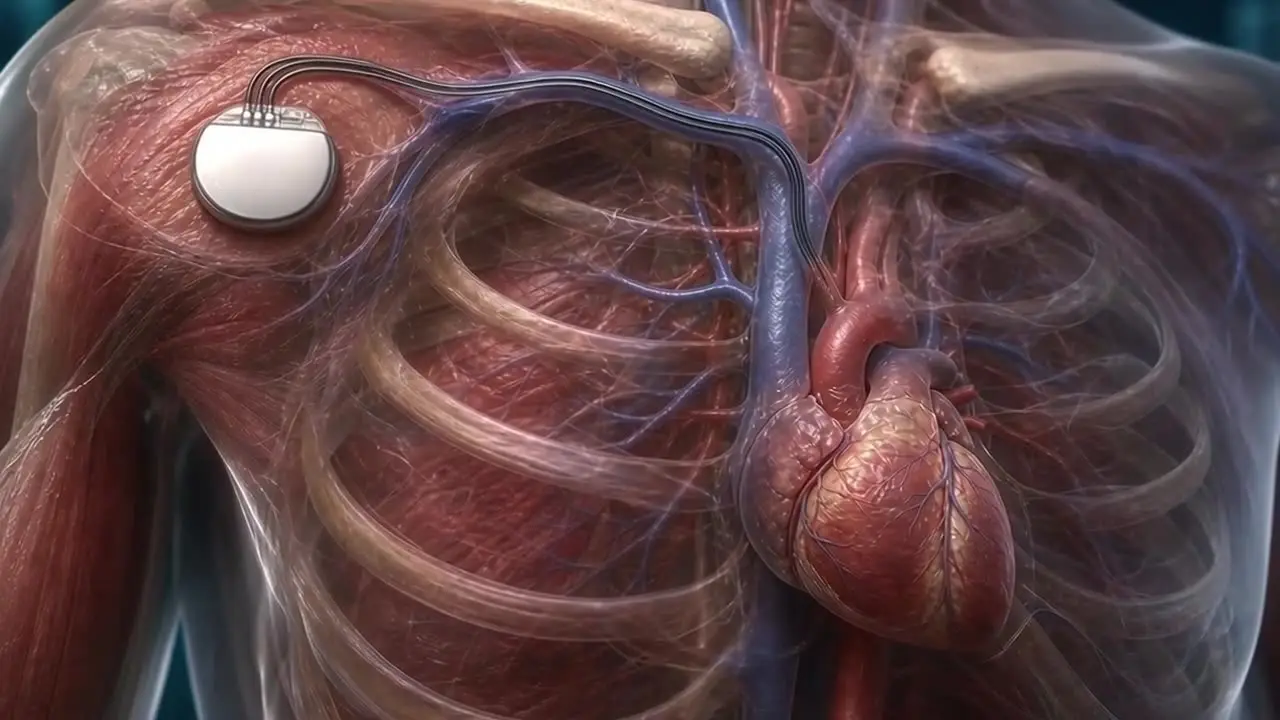 CRT: terapia de resincronización cardíacaUn dispositivo estimula las dos cavidades inferiores del corazón para que se contraigan juntas.Animación creada con herramientas asistidas por IA
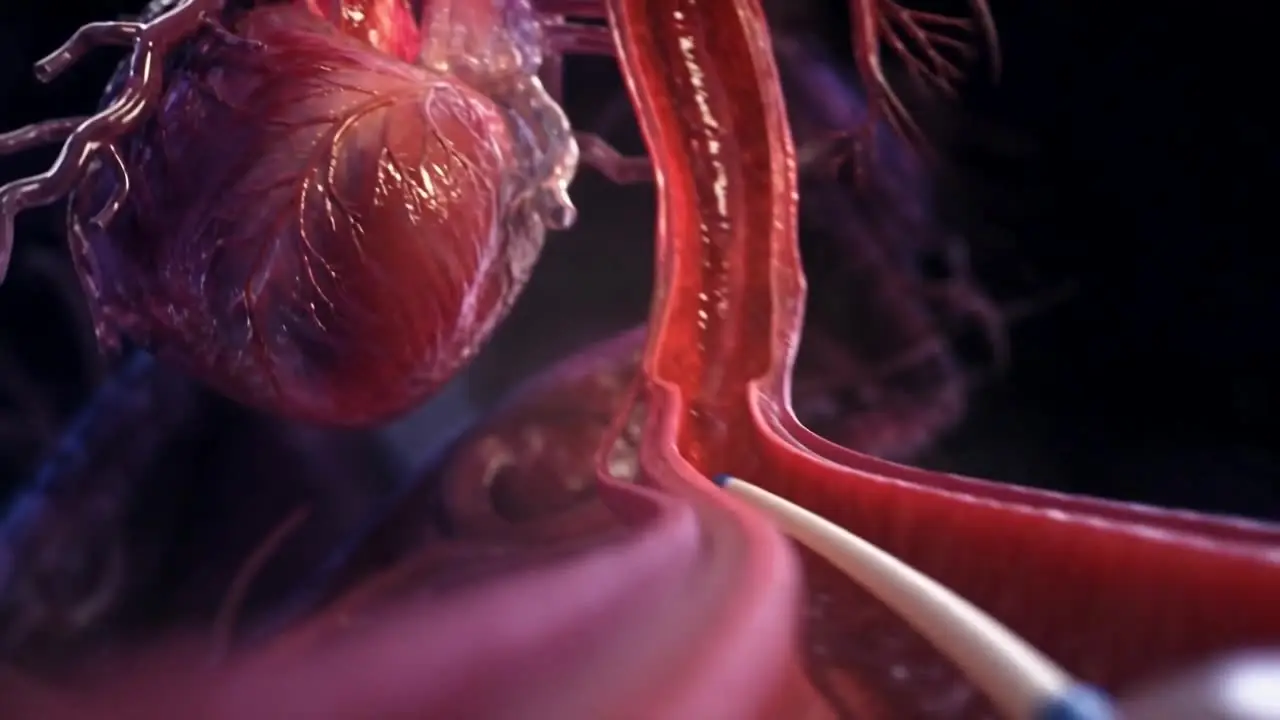 IABP: balón de contrapulsación intraaórticoA balloon in the aorta inflates and deflates with each heartbeat to ease the heart's workload.Animación creada con herramientas asistidas por IA
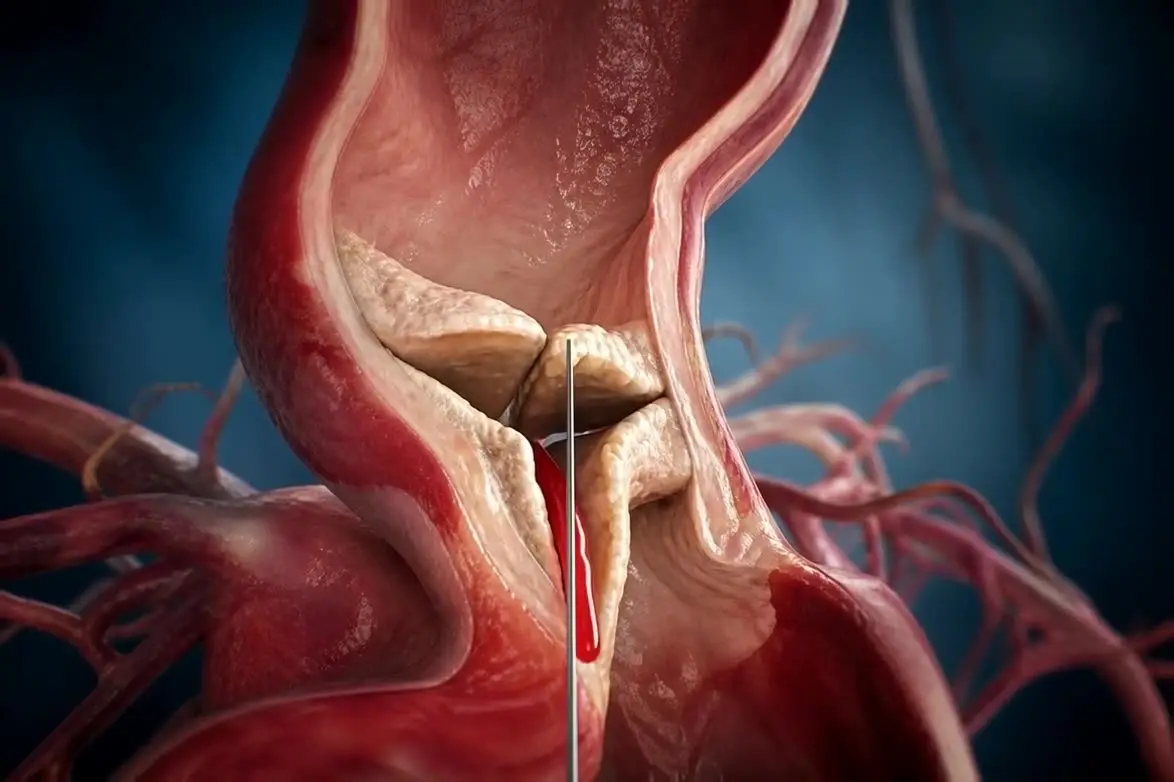 TAVR: reemplazo transcatéter de la válvula aórticaUna nueva válvula aórtica llega al corazón en un catéter y se abre dentro de la válvula estrechada.Animación creada con herramientas asistidas por IA
A biventricular defibrillator (CRT-D) uses cardiac resynchronization therapy (CRT), also called biventricular pacing, to help the ventricles contract more normally. It keeps the right and left ventricles pumping together by sending small electrical impulses through the leads. If a dangerous fast heart rhythm starts, it can also deliver a shock to restore a normal heartbeat.
Why may a biventricular defibrillator be needed?
Biventricular pacing improves the symptoms of heart failure in approximately 50% of people that have been treated with medications but still have severe or moderately severe heart failure symptoms. Your doctor can use ECG testing to determine whether your heart rhythm problems could be helped with a biventricular defibrillator.
How is the biventricular defibrillator implant procedure performed?
The device's leads are usually placed inside the heart, which is known as the endocardial, transvenous approach. A lead is placed into a vein, typically under your collarbone, and then guided to your heart. The tip of the lead attaches to your heart muscle. The other end of the lead is attached to the pulse generator, which is placed under the skin in your upper chest. This technique is done under local anesthesia (you will not be asleep). The implant procedure lasts about two to five hours.
After the implant, you will be admitted to the hospital overnight. The nurses will monitor your heart rate and rhythm overnight, and your device will be tested the following morning.
¿Listo para hablar?