

Evaluación cardíaca
Are you searching for a cardiologist near La Puente?
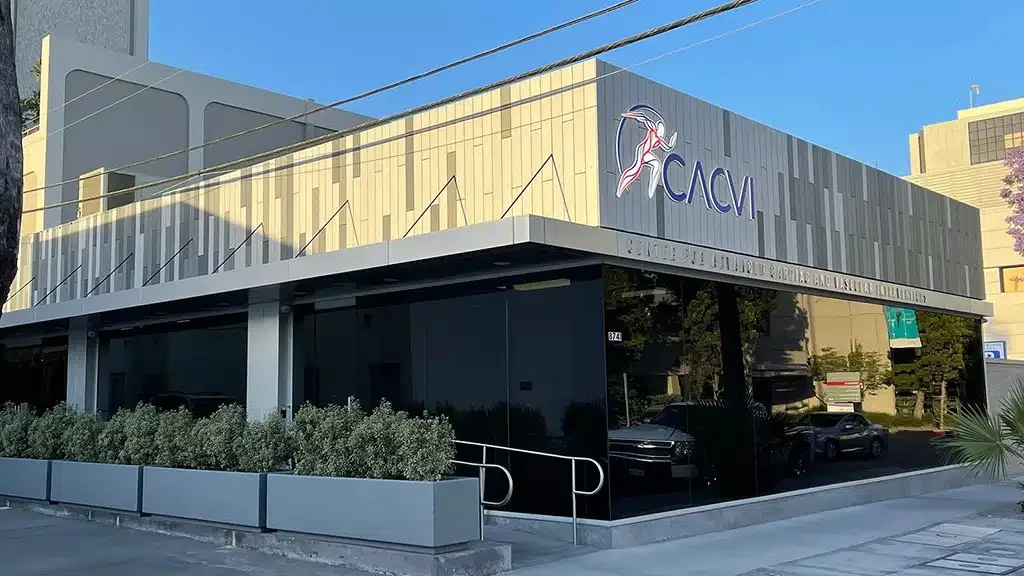
La Puente sits in the middle of the San Gabriel Valley. To see us at CACVI, the Center for Advanced Cardiac and Vascular Interventions, you drive 31 road miles west to Alden Drive in Los Angeles, our closest office to La Puente. What our La Puente cardiologists offer in return for the drive is a cardiac evaluation by doctors who also perform the catheter procedures they recommend, an electrophysiologist on the team for rhythm problems, and a plan written so that the hospitals and doctors closer to home can follow it.
If you live in La Puente and need heart specialists, you may be holding a referral slip, a discharge envelope from a hospital in West Covina or Whittier, or an EKG report with a word on it you don’t recognize. The sections below sort out which kind of heart doctor fits which problem, which emergency rooms near La Puente run a heart-attack catheter lab, how Medi-Cal and other plans affect who you can see and how you get there, and what to bring so one trip to Los Angeles covers as much as possible.
Find out what is causing your heart symptoms.
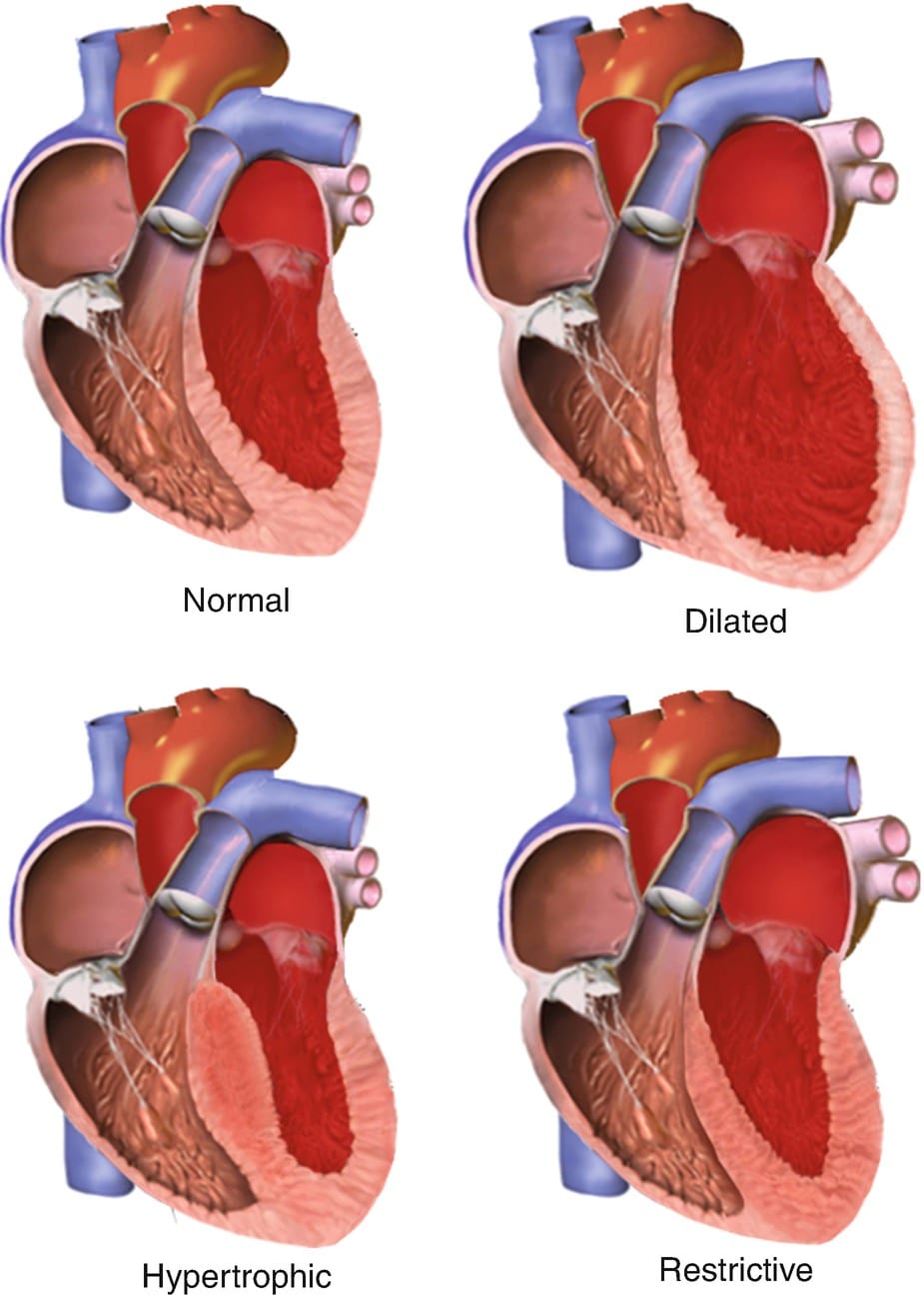
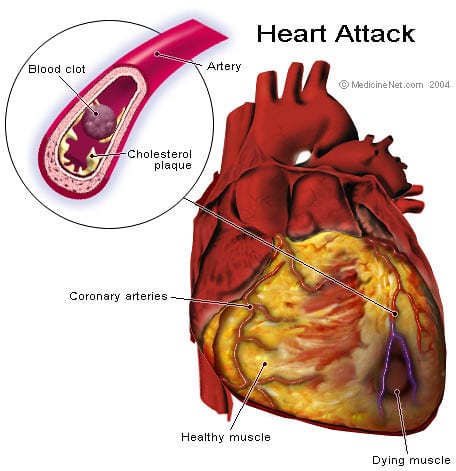
For La Puente patients, heart care often starts with the coronary arteries: coronary artery disease, or recovery from a myocardial infarction (MI), commonly known as a heart attack. Care may also be needed because the pump has weakened, as in heart failure or cardiomyopathy; the heart’s timing, as in a heart arrhythmia or atrial fibrillation (AFib); or a valve, as in mitral valve disease and aortic valve disease. If you already live with a pacemaker or defibrillator, device follow-up is available as well. Everything starts with a cardiac evaluation in the office, where the cardiologist works out what is behind your symptoms and measures how well the heart is pumping.
Weekdays, phone Alden Drive on 310-652-2744. Saturdays, phone Tarzana on 818-905-5904. Any time, use the online appointment request.
The La Puente numbers to check before booking a heart specialist
These are the figures a La Puente family tends to ask about on the first phone call. Each one links to where it came from. The drive times are single observations on a Monday morning, so treat them as a guide rather than a promise.
| The La Puente fact | Why it matters for your visit | Checked against |
|---|---|---|
| Alden Drive office: 8741 Alden Dr, Suite A, Los Angeles, CA 90048. 310-652-2744. Monday to Friday, 8:30 a.m. to 5:00 p.m. | Alden Drive is the CACVI office closest to La Puente and the rest of the San Gabriel Valley. | CACVI appointments page; Google listing |
| La Puente City Hall to Alden Drive: 31.1 miles, 1 hour 1 minute, by the westbound 60 and 10 | Budget an hour or more if you leave on a weekday morning. | Google Maps route check, 9:00 a.m. Monday 11/23 |
| For Saturdays: Tarzana, 18226 Ventura Blvd, Suite 102. 818-905-5904. Saturday 8:00 a.m. to 4:30 p.m. | The only CACVI office open on Saturdays; 43.5 miles from City Hall. | CACVI appointments page; Google Maps route check, 9:00 a.m. Monday 11/23 |
| Nearest STEMI Receiving Centers: Emanate Inter-Community, Covina (7.8 mi) and PIH Health Whittier (9.2 mi) | Hospitals the County approves to take a confirmed heart attack straight to a cath lab. | LA County STEMI Receiving Centers, June 2024; Google Maps route check, 9:00 a.m. Monday 11/23 |
| Emanate Queen of the Valley, West Covina: about 4 miles, not on that map | The nearest hospital is not always the heart-attack center; 911 sorts that out. | LA County STEMI Receiving Centers, June 2024 |
| Medi-Cal rides: non-medical (NMT) and medical van or ambulance (NEMT) | A covered ride to Alden Drive, booked through your plan. | DHCS transportation services |
| Hospital financial help for uninsured or high-cost patients at or below 400% of the poverty level | Applies to hospital bills after an emergency, not to office visits. | Health and Safety Code 127400; HCAI |
| Electrophysiologist on CACVI’s site: Dr. Arshia Noori, practicing in Los Angeles | Rhythm problems, ablation and devices without leaving the practice. | Dr. Noori’s bio |
Heart specialists for La Puente patients: who does what on CACVI’s team
“Heart specialist” covers several different jobs. One kind of cardiologist works mostly in the clinic, finding the problem and adjusting the prescriptions. Another, the interventional cardiologist, does that clinic work and also threads catheters into arteries to open blockages or replace valves. A third, the electrophysiologist, deals with the heart’s electrical system, from irregular rhythms to the pacemakers that control them. A cardiothoracic surgeon operates on the open chest. Knowing which one you need before you call saves a referral loop, and it is the most useful thing to know when you look for heart specialists near La Puente.
The interventional cardiologists who lead the practice
Dr. Mehran J. Khorsandi, Dr. Moinakhtar Lala and Dr. Vasim Lala all trained in interventional cardiology. In practical terms, the physician who listens to your history in the exam room is also the one who would place a stent, treat a blocked leg artery or work on the aortic valve if that became necessary. Nobody hands you to a stranger at the point where the decision gets serious. Their individual interests differ, and the physician section further down explains how, so you can ask for the right person by name.
An electrophysiologist for rhythm problems
CACVI’s site also lists Dr. Arshia Noori, an interventional cardiologist and electrophysiologist whose bio says he practices in Los Angeles. Electrophysiology is the subspecialty for atrial fibrillation, fast or skipped beats that keep coming back, fainting from a rhythm cause, and pacemakers and defibrillators. If the reason you are calling is a rhythm diagnosis, say so when you book, because it changes which physician’s schedule the visit goes on.
The PAs who share the follow-up visits
Kelly Sommers, Megan Moreh, Ariel Bina and Lindsay Okowita, all PA-C, are listed under About Us on the CACVI website. Physician assistants are licensed clinicians who work alongside the cardiologists, and in many cardiology practices they handle part of the follow-up: medicine adjustments, checking test results with you, and visits between procedures. Prefer a physician for a given appointment? Tell the scheduler on the call.
What people mean by a vascular cardiologist
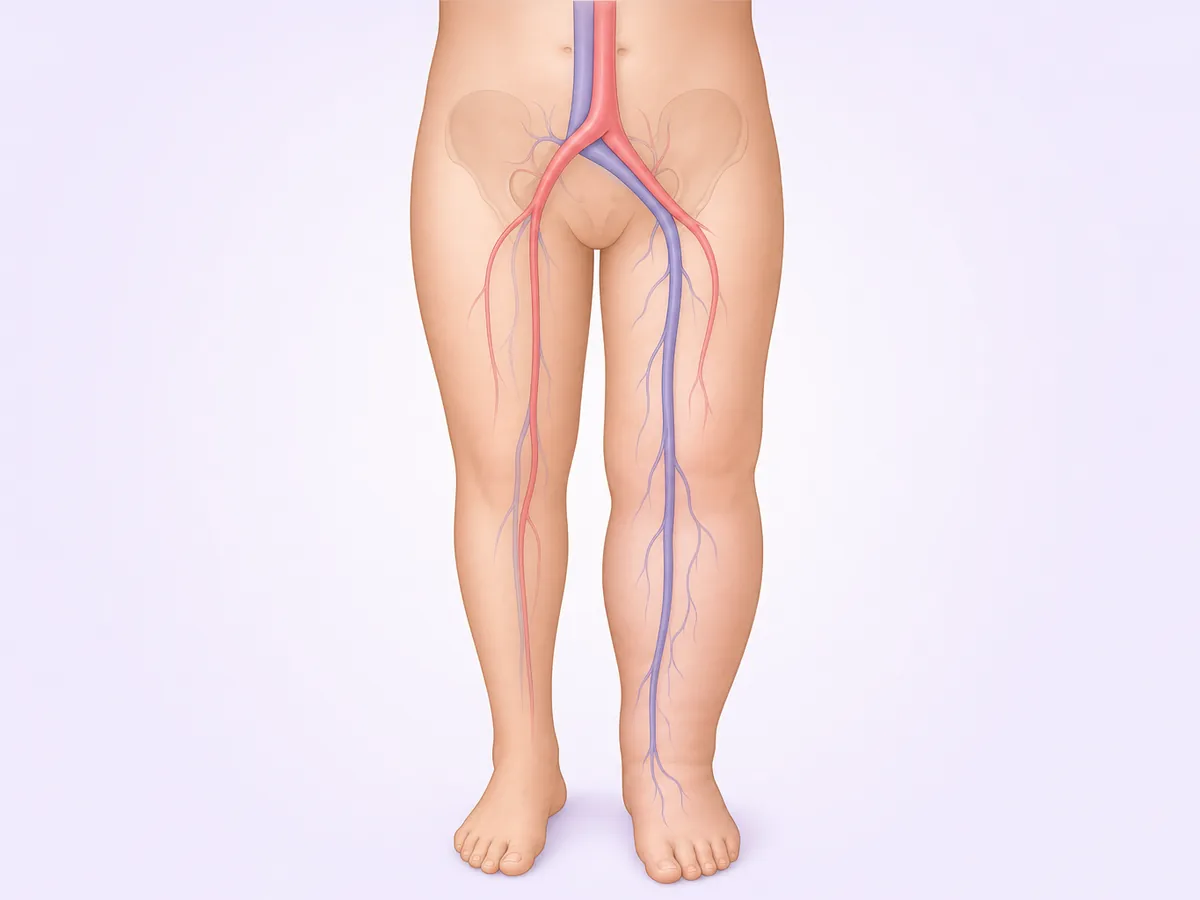
No board certifies anyone as a “vascular cardiologist.” The phrase gets attached to cardiologists who also handle blood vessels in the legs, the neck, the kidneys and the belly. The overlap is natural, because the plaque that narrows heart arteries narrows the others too. Half of CACVI’s name refers to exactly that work. Dr. Moinakhtar Lala and Dr. Vasim Lala both list peripheral endovascular procedures and limb salvage, and both carry the RPVI credential for interpreting vascular ultrasound, the scan that usually comes first when leg arteries are in question. If a La Puente doctor has told you that your heart is fine but the circulation in your legs is not, it is still the right practice to call. Mention it when you book so the visit includes a peripheral vascular evaluation rather than a heart workup alone.
Which door to knock on first
- New chest pressure on exertion, shortness of breath, swollen ankles, or a murmur someone heard: start with a cardiac evaluation.
- A diagnosis of atrial fibrillation, a racing heartbeat that comes and goes, or a pacemaker or defibrillator to be checked: ask for the electrophysiology side of the practice.
- A stent, angiogram or valve procedure already recommended somewhere else and you want another opinion: book with one of the interventional cardiologists and bring the angiogram or echo images, not just the written report.
- Leg pain when walking, sores on the feet that won’t close, or a doctor who has mentioned amputation: our La Puente leg pain doctor page covers the circulation side of the practice.
Where the specialist list stops
Nobody at CACVI is a cardiothoracic surgeon, and we don’t perform open-heart surgery. When bypass surgery or a surgical valve replacement is the right answer, the cardiologist refers you to a surgeon and stays involved in the cardiology side. Children’s heart conditions also fall outside the practice; the care described on this page is for adults.
Cardiac centers near La Puente: what an office visit covers and what needs a hospital
It is easy to picture a cardiac center near La Puente as one building that does everything. In practice, heart care splits between an office, where most testing and all of the conversation happens, and a hospital, where anything involving a catheter in a blood vessel takes place. Knowing that split helps when you compare a cardiology office on Alden Drive with the hospital campuses closer to La Puente.
Tests the office can do
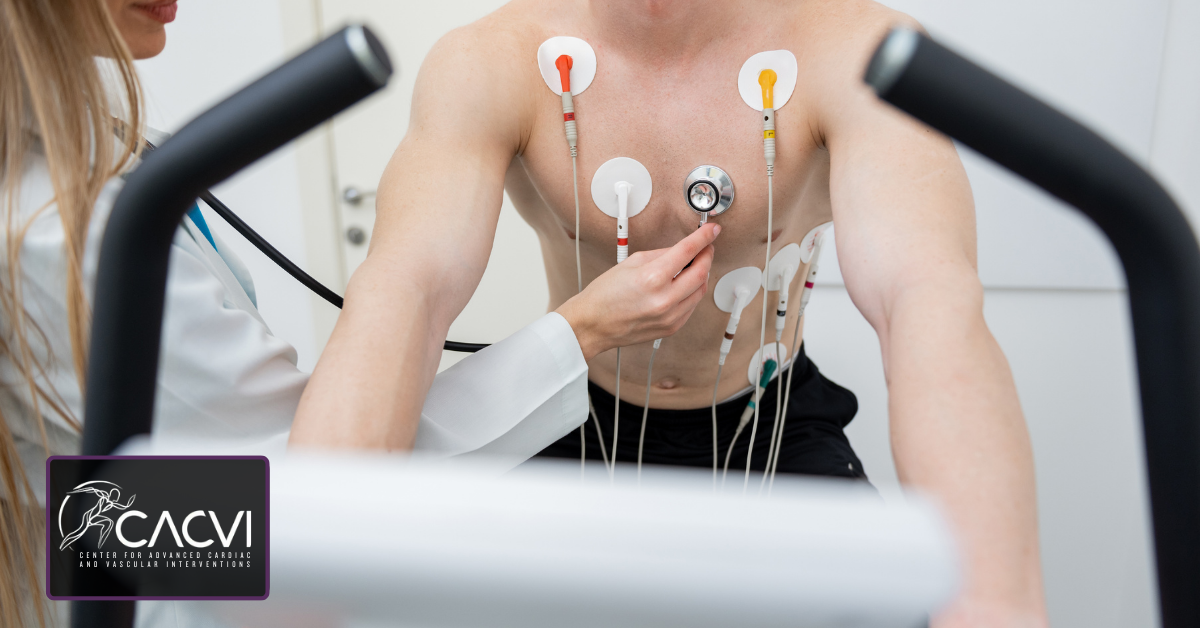
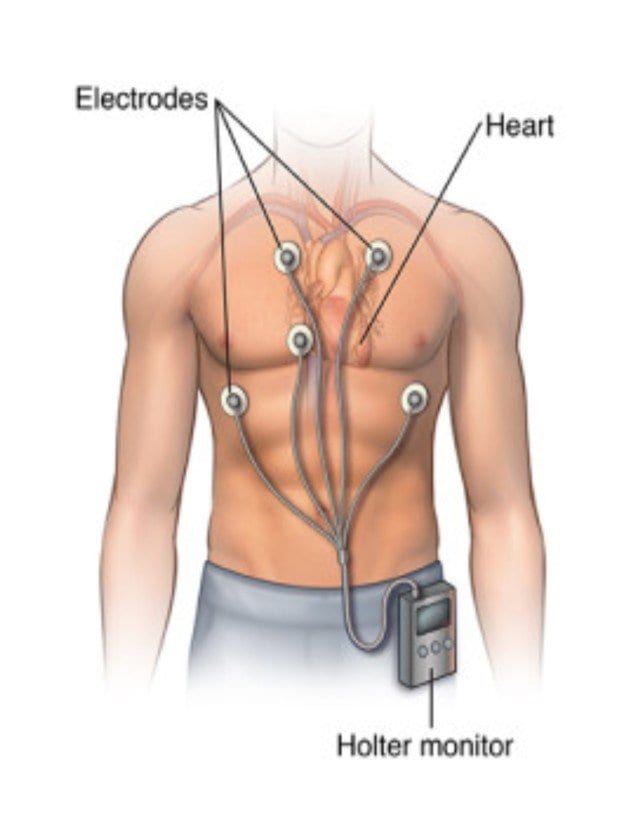
Our diagnostic procedures page lists what our physicians use to work out what is going on: an electrocardiogram (EKG), an echocardiogram, pruebas de esfuerzo, mobile cardiac telemetry for rhythm problems that come and go, vascular ultrasounds, a coronary calcium scan and coronary CT angiography. The CT-based tests need a scanner, and when you book, ask where that scan would be done so you can plan the trip. Each test on that page exists to answer one particular question; most patients need two or three of them, never the whole list.
What the first visit looks like
Expect to talk before anything is measured. The cardiologist asks when the symptom started, what brings it on, what eases it, and whether parents, brothers or sisters had heart trouble young. Then comes the examination: pulse in the wrists and feet, blood pressure, the heart and lungs through the stethoscope, the neck veins and the ankles. Bring the medicine list, because the questions about every pill come next, and the cardiologist may send you for blood or urine tests to look for problems such as anemia, thyroid disease or kidney trouble that strain the heart.
Procedures that happen in a hospital
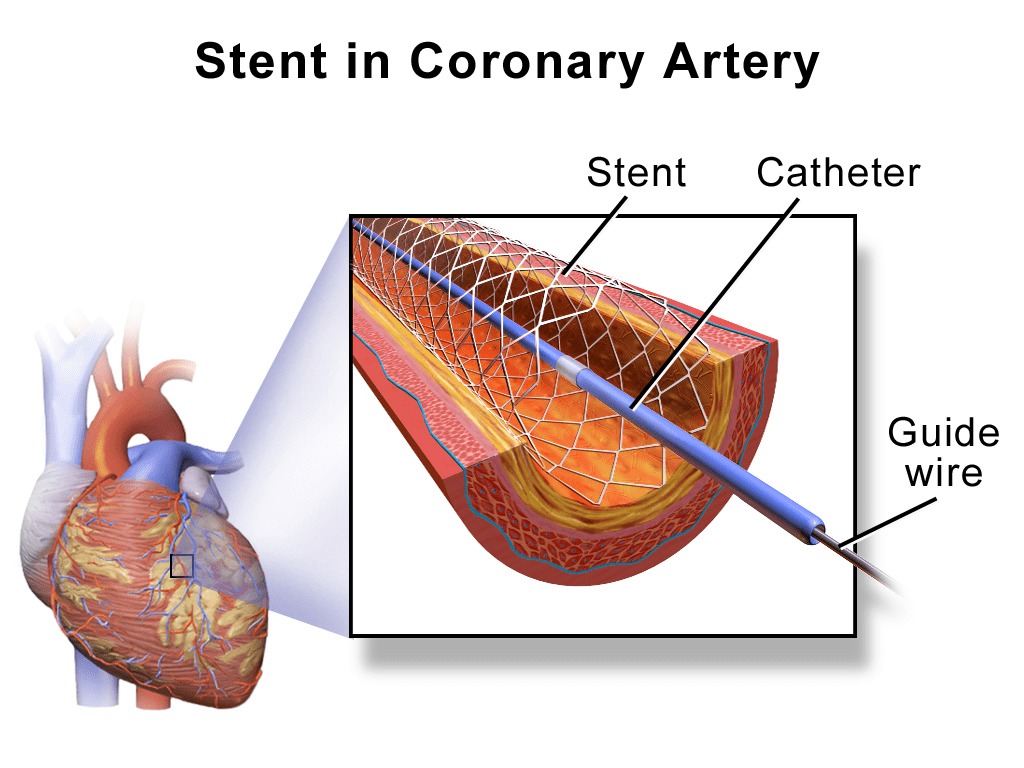
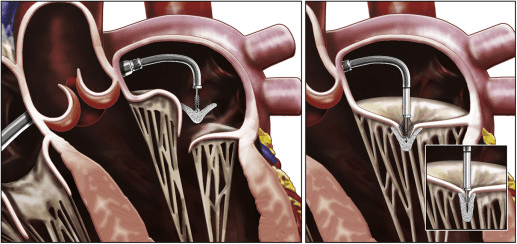
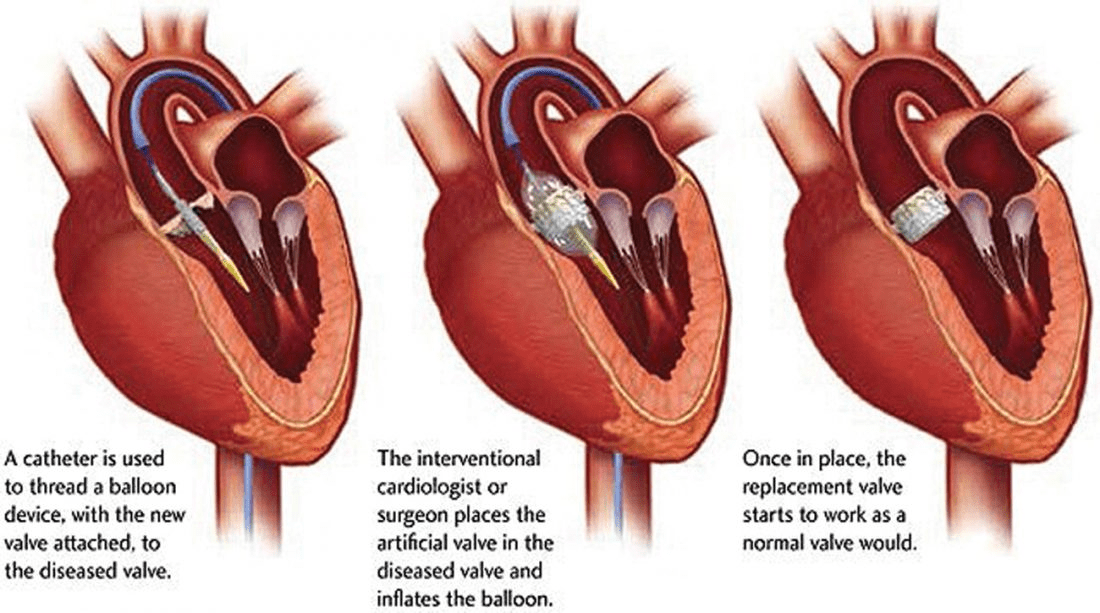
Catheter procedures are hospital work. That includes coronary artery stenting and complex coronary intervention, pacemaker and defibrillator implants, TAVR, MitraClip and WATCHMAN. Dr. Khorsandi’s hospital base is Providence Cedars-Sinai Tarzana Medical Center, and his bio puts him in charge of the catheter lab there. When a procedure comes up, get the hospital’s name early. From La Puente it sets the route, whether you pack for a night, and which relative takes the day off to drive.
The circulation procedures CACVI describes as office-based
Some vascular work for the legs, such as vein ablation, is done outside a hospital, and our page on why office-based procedures explains the practice’s thinking. For a La Puente patient that difference matters: an office procedure means one trip and the same day home, while a hospital procedure means admission paperwork and, sometimes, a night away.
Questions that tell you how a cardiac center works
- Which tests are done on the day of the first visit, and which need a second appointment?
- If a catheter procedure is recommended, at which hospital, and does the same physician perform it?
- Who reads the echo or stress test: the cardiologist you saw or someone else?
- How are results given: a follow-up visit, a phone call or the patient portal?
- If you are admitted to a hospital near home, how does the cardiology office get the records?
Holding a referral slip or another doctor’s test report? Fill in the appointment request; keep the paper by the phone for our call.
Emergency rooms around La Puente that run a heart-attack cath lab
If you live in La Puente, a fair question is where to find an emergency room with top cardiology specialists close to home. Nobody publishes a ranking of emergency rooms by their cardiologists, but Los Angeles County does publish something more useful. The County’s EMS Agency keeps a list of STEMI Receiving Centers. To be on it, a hospital needs a license for both a cardiac cath lab and heart surgery, plus the Agency’s approval, and the reward is that ambulances bring it the most serious type of heart attack directly.
The approved centers closest to La Puente
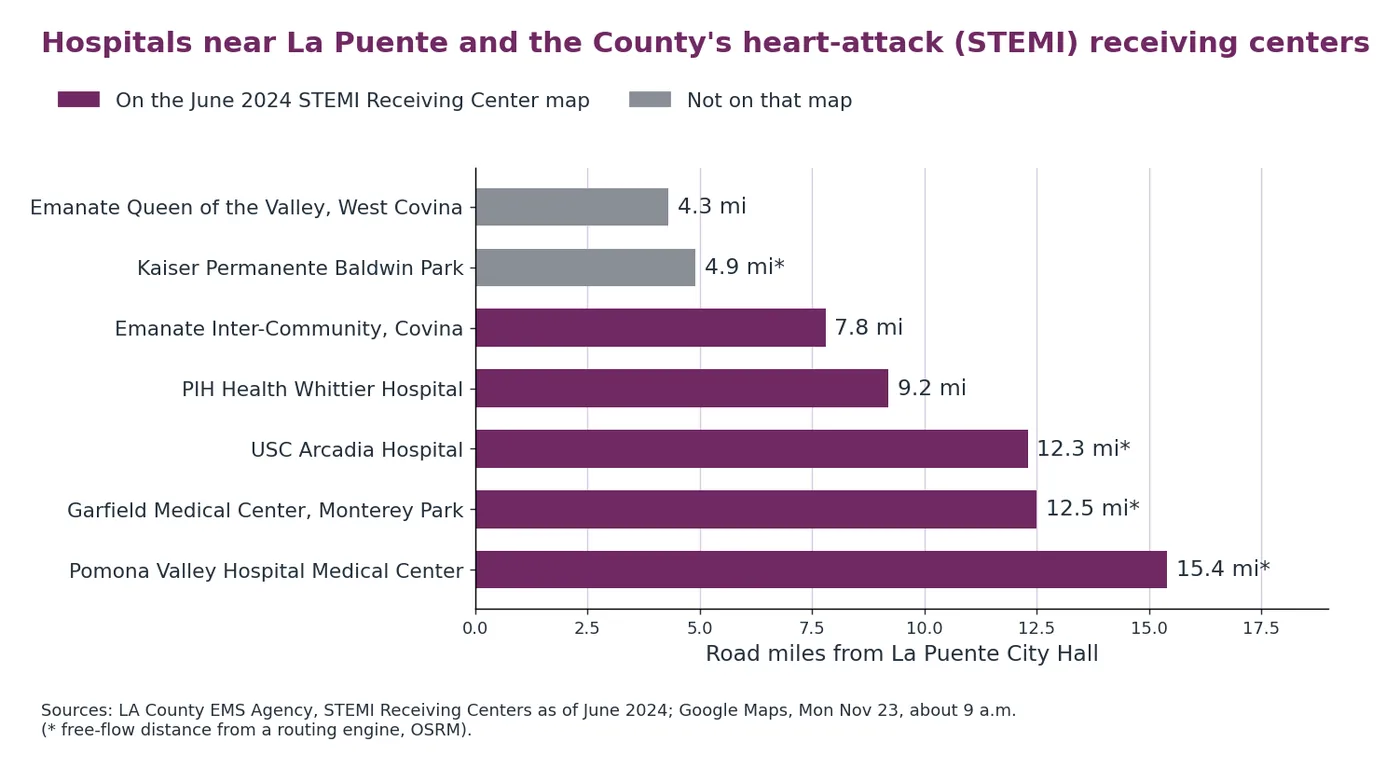
Draw a 16-mile driving radius around La Puente and five hospitals inside it carry the County’s approval as of June 2024. In order of distance they are Emanate Health’s Inter-Community campus in Covina, PIH Health’s Whittier hospital, USC Arcadia, Garfield Medical Center in Monterey Park and Pomona Valley Hospital Medical Center. From La Puente City Hall on Main Street, Google Maps put Inter-Community at 7.8 miles and 21 minutes and PIH Health Whittier at 9.2 miles and 25 minutes on a Monday morning. A routing engine puts Garfield at about 12.5 miles and Pomona Valley at about 15.4.
The closest emergency room may not be on that list
Emanate Health Queen of the Valley Hospital on South Sunset Avenue in West Covina was about four miles and 13 minutes from City Hall in our Monday check, closer than any hospital on the list above. Kaiser Permanente’s Baldwin Park Medical Center is about five miles away by road. You won’t find either one among the receiving centers on the June 2024 County map. That does not make them poor choices for every heart complaint; the map answers one narrow question, which is where an ambulance takes a confirmed STEMI.
Why calling 911 beats picking a hospital yourself
You don’t need to memorize the map. Under County policy (Reference No. 513), a STEMI seen on the paramedics’ 12-lead EKG is transmitted to the hospital before arrival, and the crew heads for the most accessible open receiving center as long as the ground trip is 30 minutes or less. A family driving to the nearest emergency room has no way of reading that EKG on the way. If the first hospital turns out not to have a cath lab, the patient may need a second ambulance ride to one that does.
When it is not a heart attack
Most chest discomfort turns out to be something else, and many heart problems that send people to an emergency room are not STEMIs: a fast irregular rhythm, worsening breathlessness from heart failure, a fainting spell. Those patients can be assessed at any full emergency department, including the ones closest to La Puente. Choosing among nearby hospitals matters most for the follow-up, because the discharge papers will name a cardiologist to see within days, and that may be someone at the hospital or someone like us.
After the emergency room
- Leave the hospital with paper copies: discharge summary, EKG, and the echo or angiogram report if one was done.
- After a stent, note four things on one card: stent type, date, hospital, and the doctor’s name.
- Fill new prescriptions on the way home; antiplatelet medicines after a stent should not be skipped while you wait for an appointment.
- Phone for the cardiology follow-up named in the discharge papers, and open the call by saying you were just in hospital.
Home after an emergency visit for your heart? Request a follow-up visit and keep the discharge papers next to the phone.
Medi-Cal, health plan networks and what a cardiology visit costs
Two fair questions in La Puente are blunt: is there a Medi-Cal cardiologist nearby, and can I find a cardiologist who is not expensive? Both are really questions about who pays and how much, and the honest answers depend more on your coverage than on the doctor. We can’t quote a price on a web page, because cost depends on the plan, the visit and the tests. Here is how each kind of coverage works in California, what to check before you book, and where the real savings are.
Medi-Cal managed care: start with your plan
Most Medi-Cal members get care through a managed care health plan. California’s Department of Health Care Services (DHCS) explains that when you first qualify you are covered under fee-for-service, and depending on your county you may have to choose a plan within 30 days or one is chosen for you. The plan has its own network of specialists and usually wants your primary care doctor to request the referral. So the first call is to the plan, not to a cardiology office. Member services can tell you which in-network cardiologists are taking new patients and whether your doctor’s referral has already reached them.
Fee-for-service Medi-Cal, and changes due in 2027
Some members stay in fee-for-service Medi-Cal, where you can see any provider that accepts Medi-Cal. The state’s Health Care Options site says that from January 1, 2027, members with unsatisfactory immigration status will move from managed care to fee-for-service under new federal rules. If your coverage moves that way, your cardiology referral and your transport requests change hands too, so keep the letter that tells you about it.
Medicare and Medi-Cal together
Patients who have both Medicare and Medi-Cal have one more choice to understand. DHCS describes Medi-Medi Plans, which are Medicare Advantage plans that combine Medicare and Medi-Cal benefits in a single plan and are offered in certain counties for voluntary enrollment. If you are in one, the plan’s network decides which cardiologists you can see, much as a Medi-Cal plan does, and its member services line is the one to call about specialists and rides. If you have Original Medicare with Medi-Cal as the second payer, the rules are different again, so read the card in your wallet before you call any office and give the scheduler both member numbers.
Heart prescriptions under Medi-Cal Rx
Your heart medicines are a separate benefit from your doctor visits. DHCS runs pharmacy benefits for Medi-Cal members through Medi-Cal Rx, which is administered through the fee-for-service system rather than through your health plan. In practice, a cardiologist’s prescription is filled under Medi-Cal Rx at a pharmacy that takes it, and some medicines need a prior authorization from the prescriber before the pharmacy can fill them. If a pharmacy near La Puente tells you a new heart medicine “needs approval,” call the office that wrote the prescription that day, because blood thinners and heart failure medicines are the kind you don’t want to go without over a weekend.
Questions for our office before the first visit
- Is CACVI in my health plan’s network, and with which of your physicians?
- Does my plan require a referral or an authorization number before the visit?
- What will my copay be for a specialist visit? (Our new-patient page asks you to know it.)
- If tests are ordered, will they be done in your office or sent elsewhere under my plan?
- If I’m paying for myself, what is the self-pay price for the visit and for each test?
- How can I pay any copay on the day? (CACVI’s new-patient instructions mention cash and the four main credit cards.)
Hospital bills have their own protection
California’s Hospital Fair Pricing Act applies to hospitals, not to doctors’ offices. Under Health and Safety Code section 127400, a “financially qualified patient” is someone who is uninsured or has high medical costs and whose family income is at or below 400 percent of the federal poverty level. Hospitals keep charity care and discount payment policies for patients who meet that definition. The state agency HCAI runs a Hospital Fair Billing Program with a policy lookup for each hospital and a complaint form if you were denied financial help. If a heart attack or an emergency stent left you with a large bill from a hospital near La Puente, apply under that hospital’s policy before the bill goes to collections.
Where “cheap” costs more
Going without follow-up after a heart diagnosis is the expensive choice. A missed medicine adjustment in heart failure, or a stent patient who stops their blood thinner because the refill lapsed, ends up back in an emergency room. If cost is the barrier, tell the office. A cardiologist can often choose a generic medicine, combine visits with tests, or stretch the interval between visits when your condition is stable.
From La Puente to Alden Drive: the 60, the 10 and a ride you don’t drive yourself
The Los Angeles office is the CACVI location closest to La Puente, and the Pomona Freeway does most of the work of getting there. Plan the trip around the morning traffic heading west, the parking near Cedars-Sinai, and, for Medi-Cal members, a ride that the health plan arranges.
Thirty-one miles and an hour: the Monday check
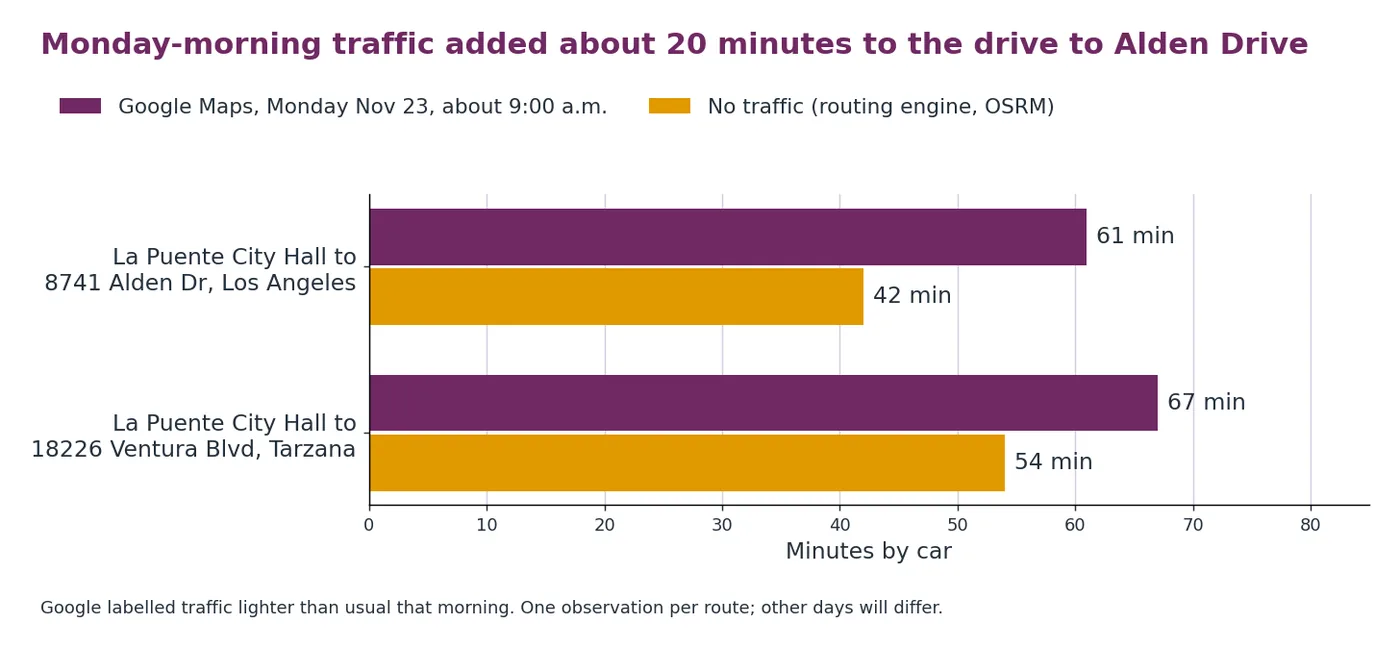
On Monday, November 23, at 9:00 a.m., the route from La Puente City Hall to 8741 Alden Drive came back as 31.1 miles and 1 hour 1 minute, by way of the westbound 60 and the westbound 10, and labeled the traffic lighter than usual. A routing engine with no traffic put the same trip at 29.5 miles and about 42 minutes. In other words, morning traffic added roughly 20 minutes to the drive, on a day when traffic was light. If an hour on the 60 is hard on you, say so when booking; a slot after the morning rush may suit you better.
Where the 60 meets the 10
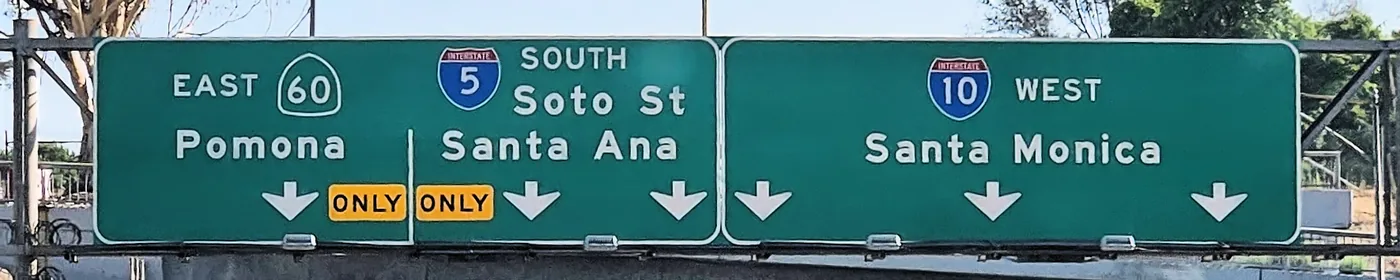
Heading west from La Puente, the 60 ends at its interchange with the 5 and the 10 on the east side of downtown Los Angeles, and Google’s fastest route from City Hall switched to the westbound 10 there. The routing engine’s version of the same trip left the 10 at La Brea Avenue and finished on surface streets past San Vicente Boulevard into the Cedars-Sinai neighborhood. If you are new to the drive, the interchange is the place to be in the correct lane early, because the signs split traffic for three freeways at once.

Tarzana is farther, but open on Saturdays
The Tarzana office at 18226 Ventura Boulevard was 43.5 miles and 1 hour 7 minutes away from City Hall on the same Monday morning, again led by the westbound 60. Ventura Boulevard opens on Saturdays, 8:00 a.m. to 4:30 p.m., which none of the other CACVI offices do. Twelve more miles each way can be a fair price if the alternative is losing a weekday shift. Whether a Saturday slot fits your kind of visit is up to that week’s schedule, so raise it on the phone.
Where to leave the car near Cedars-Sinai
The lot CACVI recommends is Lot 703, the Robertson Alden Garage at 141 Robertson Boulevard, three minutes on foot from the office. The first two hours cost nothing and a full day tops out at $12. A second choice, the garage in the Steven Spielberg Building at 8723 Alden Drive, charges nothing for an hour, caps the day at $15 and closes on weekends. If the visit includes tests and runs long, the free two hours can run out, so keep the parking ticket with you rather than in the car.
A ride through Medi-Cal
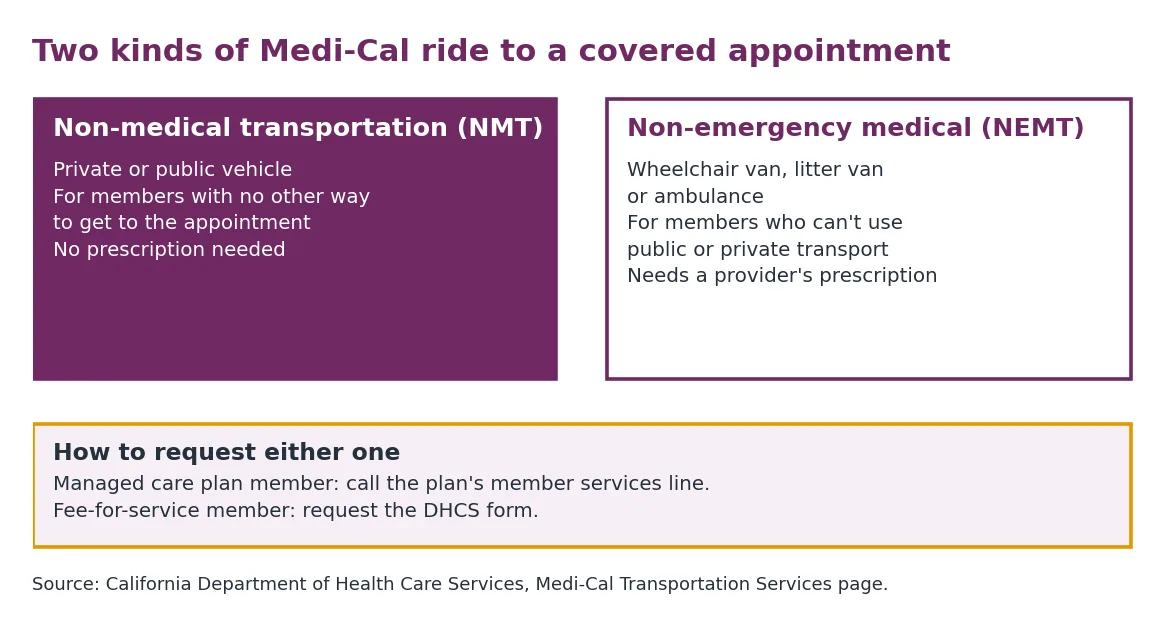
If the visit is a Medi-Cal benefit, getting there can be too, and DHCS splits these rides into two types. Non-medical transportation (NMT) is a ride by private or public vehicle for members who have no other way to get to the appointment. NEMT is the medical version: the plan sends a wheelchair-accessible van, a stretcher (litter) van or an ambulance, and it only does so when a licensed provider writes a prescription saying the patient can’t travel any other way. If you belong to a plan, both are booked by phoning the plan. Fee-for-service members ask DHCS for its transportation request form.
Getting the ride booked in time
- Call the plan as soon as the appointment date is set, not the day before.
- Give the ride company the whole destination, suite letter included.
- Say how long the visit may take if tests are planned, and ask how the return trip is scheduled.
- If you use a wheelchair or can’t sit up for the trip, tell our office, because the NEMT prescription comes from a provider.
- Bring a phone number for the ride company in case the pickup runs late.
Need the appointment date before you can book a Medi-Cal ride? Request your visit and tell us you will be arranging transport.
AFib, racing heartbeats and pacemakers: when to see an electrophysiologist
An AFib doctor, a heart arrhythmia specialist and a pacemaker doctor all belong to the same subspecialty. Electrophysiologists spend their extra training years on the electrical side of the heart; ablations, device implants and device programming are their territory. Many rhythm problems are handled perfectly well by a general cardiologist with medicines. The question is when to bring in the person whose whole job is the wiring.
Signs that a rhythm problem has outgrown the first prescription
- Palpitations keep coming back even though you take the rhythm or rate medicine as prescribed.
- The medicine works but leaves you tired, dizzy or short of breath, and lowering the dose brings the palpitations back.
- You fainted, or nearly fainted, and nobody has found the cause.
- A monitor caught pauses, a very slow heart rate, or a fast rhythm from the lower chambers.
- Someone has raised ablation or an implanted device, and you’d like the explanation from a doctor who performs it.
Medicines first, and why the dose matters
NHLBI’s arrhythmia treatment page makes a point worth repeating to anyone starting a rhythm drug: if the dose is too high, a medicine meant to control an arrhythmia can make the arrhythmia worse, and this happens more often in women than in men. That is why rhythm medicines are started with an EKG, rechecked after dose changes, and why a new symptom after a new pill deserves a phone call rather than patience.
Cardioversion and ablation, in plain terms
When medicine isn’t enough, two procedures come up most. A scheduled cardioversion uses an external shock, under sedation, to reset the rhythm; NHLBI notes it takes only minutes but you arrive hours ahead, stay for monitoring afterward and need someone to drive you home. Catheter ablation goes further. Through thin tubes passed up a vein to the heart, the doctor treats the small areas of tissue that send out the faulty signals. It is a hospital procedure. For a La Puente patient, that driver and that hospital day are planning items as real as the procedure itself.
Pacemaker and defibrillator checks, at the clinic and from home
A device needs follow-up for as long as it is in place. NHLBI says to expect clinic checks several times a year, and notes that between visits your doctor may be able to check that the battery and wires are still working. Ask at each visit whether the manufacturer has announced a problem with your model and whether a software update is due; NHLBI’s page suggests both questions. If you moved to La Puente with a device implanted elsewhere, bring the device ID card and the implant report to the first visit so the clinic can connect to the right system.
Planning a procedure day from La Puente
Rhythm procedures come with logistics that are easy to underestimate from 30 miles away. A cardioversion means arriving hours ahead and leaving with a driver after sedation, as NHLBI describes it. An ablation or a device implant is done in a hospital, and you should ask in advance whether you will go home the same day or stay overnight. Ask, too, which medicines to stop or keep beforehand, especially blood thinners, and whether anyone will check the wound or the device before you are back home in La Puente. Write the hospital’s main number on the same sheet as the procedure time, so whoever drives you has it.
What an electrophysiologist wants to see at the first visit
- Every rhythm strip you have: monitor reports, EKGs that caught the episode, and smartwatch tracings printed with their dates.
- A list of the episodes, with how long each lasted and what you were doing.
- Every rhythm or rate medicine you have tried, the dose, and why it was stopped.
- Reports from any earlier ablation or cardioversion.
- For a pacemaker or defibrillator, the wallet card the manufacturer issued.
Dr. Arshia Noori’s CACVI bio describes treatment of atrial fibrillation, tachycardias and ventricular arrhythmias with catheter ablation, as well as pacemaker and defibrillator implantation. Devices also appear on Dr. Khorsandi’s list of interests. For stroke protection in AFib when blood thinners are a problem, see our WATCHMAN page.
Diagnosed with AFib or told you need a pacemaker? Request a rhythm consultation and say so on the call, so the visit goes to the right physician.
Heart failure specialists and the follow-up visits between hospital stays
If you need heart failure specialists near La Puente, start with what the condition is, because the name misleads people. The heart is still beating; it is simply too weak or too stiff to move the blood the body asks for, so fluid collects in the lungs, the legs or the abdomen. The care is a long series of small adjustments, which is why the visits matter more than any single test.
What happens at a typical follow-up visit
Most heart failure visits follow the same pattern. The cardiologist checks your weight against the last visit, listens to the lungs, looks at the ankles and neck veins, takes your blood pressure and heart rate, and reviews your blood work. Then one thing gets adjusted: a dose goes up, a water pill comes down, a new medicine starts. Small steps, repeated at each visit, are how the medicines reach the doses that help the heart over the long run.
The medicines and the blood tests that go with them
NHLBI’s heart failure treatment page lays out why the blood tests come with the prescriptions. Diuretics, the water pills, lower the amount of fluid the heart has to pump, but very high doses can cause low blood pressure and kidney problems. Aldosterone antagonists such as spironolactone can raise potassium and affect the kidneys. ACE inhibitors and angiotensin receptor blockers can cause a cough, low blood pressure and a short-term dip in kidney function. NHLBI also mentions SGLT2 inhibitors, a group first approved to lower blood sugar, which may reduce heart failure hospitalizations. Each of these is a reason the office may ask for a lab draw before your next visit; a lab near La Puente is fine as long as the results reach us.
Your weight is the number to send
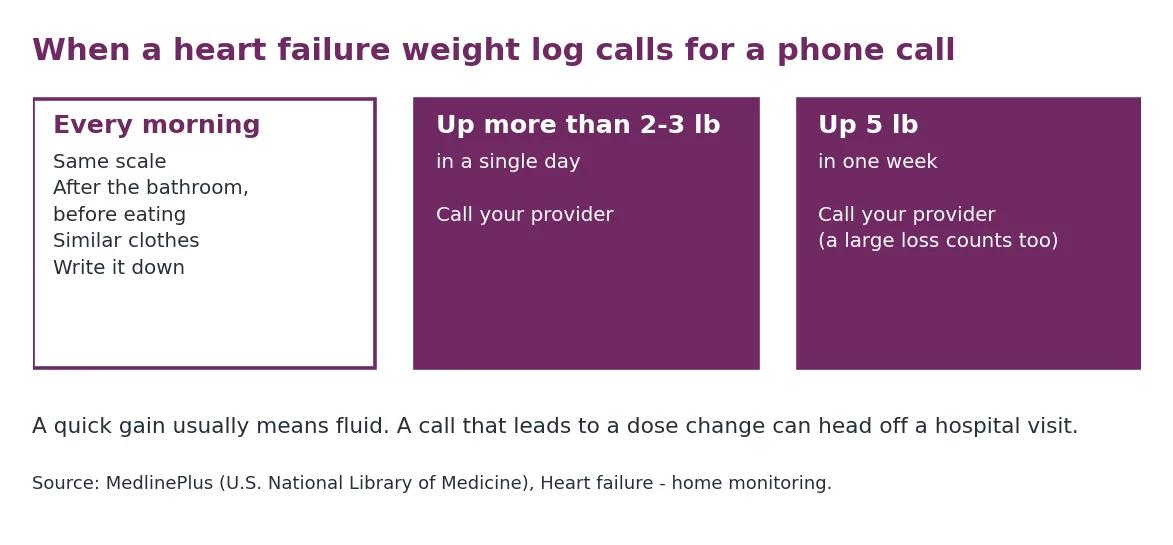
MedlinePlus advises people with heart failure to weigh themselves every morning on the same scale, after using the bathroom and before eating, in similar clothes, and to write it down. Call your provider if your weight goes up by more than 2 to 3 pounds in a day or 5 pounds in a week, or if you lose a lot of weight. A gain like that usually means fluid, and a phone call that leads to a dose change can head off an emergency room visit.
Salt and fluids at home
MedlinePlus’s guidance for people leaving the hospital with heart failure explains why salt matters: it makes you thirsty, and extra salt makes the body hold on to fluid. Many foods that don’t taste salty, or that you never salt yourself, still contain a lot of it, and the same guidance tells people with heart failure to stay away from fast-food restaurants. As heart failure gets worse, some patients are asked to limit fluids to 6 to 9 cups (1.5 to 2 liters) a day. Your own limit, if you have one, comes from your cardiologist. A practical habit is to read the sodium line on every package you buy for a week and bring the worst three labels to your next visit.
The first visit after a hospital stay
Medicines are often changed during a heart failure admission, and the body is still adjusting to them when you get home. Ideally the follow-up date is set while you are still in the hospital bed. Bring the discharge medication list and the bottles you actually have at home, because the two often differ. If the hospital sent you home on a new diuretic dose, know your discharge weight, so the first home weight has something to be compared with.
When the usual medicines aren’t enough
Some patients keep having symptoms despite full medical treatment. For them, the options include implanted devices and procedures such as a biventricular defibrillator, the CardioMEMS pressure sensor and Barostim therapy, all described on our site. Of our physicians, Dr. Vasim Lala names heart failure and weakened heart muscle among his clinic conditions, while Dr. Noori’s profile refers to advanced heart failure therapies. Ask at a visit whether you are a candidate; the answer depends on your heart’s pumping strength, your rhythm and your symptoms.
Flu season with a weak heart
Heart failure and the flu are a bad pairing, and November is when it starts to matter. CDC says people with heart disease are at higher risk of serious flu complications, that about half of adults hospitalized with flu in recent seasons had heart disease, and that one study found the risk of a heart attack was six times higher in the week after a confirmed flu infection. Its advice is a flu vaccine every season, a call to your provider right away if flu symptoms start, and prompt antiviral treatment for people with heart disease who have confirmed or suspected flu. CDC also says people with heart disease should generally not get the nasal spray vaccine. A flu shot at a pharmacy in La Puente counts; tell the cardiologist the date so it goes in your chart.
A heart failure checklist for the fridge door
- Today’s weight, written down before breakfast.
- Ankles, belly or shoes tighter than usual?
- Short of breath lying flat, or needing extra pillows?
- Every medicine taken, including the water pill on days you go out?
- The office number, 310-652-2744, where you can find it.
Living with heart failure and need a cardiologist to manage the medicines? Request a visit and bring a week of written weights.
Heart surgeon or catheter cardiologist? Coronary and aortic disease
If you are looking for a heart surgeon or a cardiovascular surgeon near La Puente, you may have been told that an artery is blocked or a valve is failing. Not every blockage or bad valve goes to a surgeon. Many are treated through a catheter by an interventional cardiologist, and the choice between the two is a decision you are entitled to understand before anyone books a date.
Two different jobs
A cardiothoracic surgeon operates on the heart through the chest. An interventional cardiologist works from inside the blood vessels, through a small puncture at the wrist or groin, using thin tubes, balloons and stents. Every physician at CACVI belongs to the second group. When the answer is surgery, we refer to a surgeon, and we keep looking after the rest of your heart care.
Bypass surgery or a stent
NHLBI describes coronary artery bypass grafting (CABG) as using healthy blood vessels from elsewhere in the body, usually arteries from the arm or chest or veins from the legs, to route blood around blocked coronary arteries. It lists situations where bypass may be recommended: angina that medicines haven’t relieved, a heart attack that can’t be treated properly with a stent, several blocked arteries or heavy plaque in the left main artery that would be hard to treat with a stent, and serious heart failure. For other patients the care team may recommend percutaneous coronary intervention (PCI), an angioplasty with a stent placed through a catheter.
Who sits on the heart team
When the choice between surgery and a catheter is close, the decision shouldn’t rest on whichever specialist you happened to see first. NHLBI’s description of the heart care team names both a cardiologist and a cardiothoracic surgeon. Ask whether both have reviewed your angiogram, and whether your other conditions (diabetes, kidney function, lung disease, frailty) were weighed, because those often tip the balance one way or the other.
Recovery looks very different
The gap between the two shows up in the weeks after. NHLBI says a bypass patient stays in the hospital for about a week, starting with a day or two in intensive care, and needs about 6 to 12 weeks to recover fully. A stent goes in through a catheter, with no opening of the chest, so ask how many nights it would involve in your case. For a family in La Puente juggling work and rides, that difference shapes the plan as much as the medical facts do, so ask both specialists what the first month will look like.
Valves: open surgery or transcatheter replacement
The same question comes up with a narrowed aortic valve. A surgeon can replace it through the chest, and NHLBI explains the choice between a mechanical valve, which usually lasts but needs blood thinners for life, and a biological valve, which doesn’t need them but may need replacing later. The catheter alternative, TAVR, delivers the replacement valve from an artery, usually without opening the chest. Both Dr. Moinakhtar Lala and Dr. Vasim Lala list TAVR. For a leaking mitral valve in someone who shouldn’t have open-heart surgery, our site describes MitraClip.
The aorta
The aorta, the large artery leaving the heart, can weaken and balloon outward. NHLBI explains that such an aneurysm can enlarge silently and that a big one may rupture or tear. Repair can be open surgery or a stent graft placed from inside the artery, which our site describes as endovascular aneurysm repair (EVAR). Which one fits depends on the aneurysm’s size, shape and location, and that is a conversation for the aortic aneurysm consultation.
The medicines carry on either way
Neither bypass nor a stent ends the need for heart medicines. NHLBI’s recovery page says you will need to keep taking medicines after bypass and work with your doctor to stay healthy, and after a stent the blood thinners that keep it open are part of the treatment, not an optional extra. The cardiologist’s job after either procedure is the same: cholesterol, blood pressure, blood sugar and rhythm, checked and adjusted over years. Whoever does the procedure, plan on a cardiologist close enough to see you regularly.
Questions to ask before agreeing to surgery or a catheter procedure
- What happens if I keep taking medicines and do nothing else for now?
- Why a stent and not bypass, or bypass and not a stent, in my particular arteries?
- Has a surgeon and an interventional cardiologist each looked at my angiogram?
- At which hospital, and how many nights?
- How long until I’m back behind the wheel, at work, and picking up the grandkids?
Told you need heart surgery and want a cardiologist to review the angiogram first? Send an appointment request and bring the images on a disc or a download link.
Looking for a female cardiologist? What women should raise at any heart visit
If you live in La Puente and would prefer a female cardiologist, here is the straight answer: every physician profile on CACVI’s site is of a man. If seeing a woman physician matters to you, that is a fair reason to choose another practice, and nobody should talk you out of it. What we can offer every woman who chooses CACVI is a visit that takes seriously the heart problems that look different, or happen more often, in women. Bring these points up yourself, whoever your cardiologist turns out to be.
Symptoms beyond the chest
NHLBI’s page on heart attacks in women says that, besides chest pain, women are more likely to have pain in the shoulder, back or arm, shortness of breath, unusual tiredness and weakness, an upset stomach or anxiety, and that these can come with or without chest pain. It also notes that the usual first screening tests at a hospital may not pick up an early or atypical heart attack. If you have had episodes like these, describe each one in detail at the visit, including what you were doing and how long it lasted, even if an emergency room once sent you home.
Heart attacks without a blocked artery
Not every heart attack comes from the plaque blockage people picture. NHLBI calls a heart attack without obstructive coronary disease MINOCA, and says it is more common in women, in younger people and in Black, Hispanic or Latino and Asian patients. Causes include a spasm of the artery, a small plaque that breaks open without blocking much, and a clot that travels into a coronary artery. If you were told after an angiogram that your arteries looked “clean” but your heart was still damaged, ask the cardiologist which of these was considered and what was done to find the cause.
Pregnancy and the months after it
Two heart conditions are tied closely to pregnancy. NHLBI describes peripartum cardiomyopathy as a weakening of the heart muscle that most often develops late in pregnancy or within a few months after giving birth; it is rare but serious. Its heart attack pages add that preeclampsia (high blood pressure in pregnancy) and diabetes are among the conditions that raise the risk of a heart attack during or soon after delivery. Breathlessness, swelling and exhaustion are easy to blame on a new baby, so if they feel out of proportion, say so. And for any woman, years later, the history of a complicated pregnancy is part of the heart history: tell the cardiologist about preeclampsia, high blood pressure or diabetes in any past pregnancy.
If you already have heart disease and plan a pregnancy
NHLBI points out that coronary artery disease is a major cause of heart attacks during pregnancy, and that pregnancy itself can raise the risk for a woman who already has it. Its advice is to ask your doctor whether it is safe to get pregnant and what steps to take first. A cardiologist can review your medicines before conception, since some heart drugs aren’t used in pregnancy, and can tell your obstetrician what to watch for. If you have a mechanical heart valve, NHLBI’s valve page notes that these valves may carry additional risks during pregnancy, which makes that conversation more important, not less.
Stress and the heart
NHLBI describes Takotsubo cardiomyopathy as a rare condition in which extreme emotional or physical stress causes the heart muscle to stop working properly. It affects more women than men, is more common after menopause, and the heart usually recovers in three to four weeks with medicine. It can look exactly like a heart attack at first. If you were given this diagnosis, a follow-up echocardiogram is how the recovery is confirmed.
Rhythm drugs and women
As the rhythm section above notes, NHLBI warns that too high a dose of an arrhythmia medicine can worsen the arrhythmia, and that this happens more often in women. If you start a rhythm medicine and feel new palpitations, dizziness or faintness, call before the next dose.
Making the visit comfortable
- Ask for a chaperone during the exam if you would like one.
- Bring a relative or friend into the room if that helps you remember what was said.
- Write your questions down before the visit and hand the list over at the start.
- Tell the scheduler if you are pregnant or breastfeeding, because some tests and medicines change.
Functional cardiology, supplements and the pill bottles in the bag
If you are considering a functional cardiologist near La Puente, it helps to know the terms. Functional medicine is a broad label for care that focuses on diet, lifestyle and root causes, often with supplements. Board certification in cardiology is something different: a specific training path and exam overseen by the American Board of Internal Medicine. Much of what draws people to functional medicine, such as more time spent on food, sleep, stress and exercise, fits comfortably inside a cardiology visit. Where people get into trouble is with the supplements, and that is the subject of this section.
Why our new-patient checklist names herbals and vitamins
CACVI’s new-patient page asks you to bring every medicine you take, and it names herbals, vitamins and supplements in the same line. That is deliberate. Several of the products sold for heart health act on the same systems as heart medicines, and a cardiologist can’t adjust one without knowing about the other. Put the bottles themselves in a bag and bring them; a typed list leaves out the doses and the second ingredient on the label.
Red yeast rice and statins
Red yeast rice is sold for cholesterol, and the National Center for Complementary and Integrative Health (NCCIH) explains why it needs care. Some products contain monacolin K, which is chemically identical to the prescription statin lovastatin; others contain almost none, and labels usually don’t say how much. The FDA has sent warning letters to companies selling products with added lovastatin. NCCIH adds that products with significant monacolin K can have the same side effects and drug interactions as statins, and some have contained citrinin, a contaminant that can damage the kidneys. If you take red yeast rice and a statin, or red yeast rice instead of a statin your doctor prescribed, the cardiologist needs to know.
Blood thinners and the supplement aisle
For anyone on warfarin, the list of interactions is long. MedlinePlus names coenzyme Q10, echinacea, garlic, ginkgo biloba, ginseng, goldenseal and St. John’s wort among the products that may interact with it, along with common over-the-counter pain relievers such as ibuprofen and naproxen. Diet matters too: MedlinePlus advises eating consistent amounts of vitamin K foods week to week, without large amounts of leafy green vegetables. If your cooking changes with the seasons or with family gatherings, mention it, because the INR blood test may shift with it.
What a supplement label can and can’t say
NCCIH explains that supplement labels cannot claim to diagnose, treat, cure or prevent a disease; they can only make limited health or structure and function claims. It also warns that what is on the label may not be what is in the bottle, noting that the FDA has found prescription drugs, including warfarin, in products sold as supplements. Products sold for weight loss or energy have been linked to heart problems in young adults who end up in emergency rooms.
Energy drinks and weight-loss products
NCCIH cites an estimate that dietary supplements lead to about 23,000 emergency room visits a year in the United States, and says many of those patients are young adults with heart problems from weight-loss or energy products. Some products marketed for weight loss have contained prescription drugs not listed on the label. If palpitations, a racing heart or chest discomfort started around the time you began a new powder, pill or drink, bring the container to the visit; the cardiologist will want to read the label, and it may save you a round of tests.
Questions to bring about any supplement
- Does this interact with any of my heart medicines?
- Does it change any blood test you follow, such as INR, potassium or liver tests?
- Do I pause it ahead of a procedure, and from what day?
- Is there a prescription medicine that does the same job with a known dose?
- Is it safe at my kidney function?
Where diet and lifestyle fit
None of this means the cardiologist will wave away food and exercise. Diet, activity, sleep and smoking sit at the center of almost every heart plan. The difference is that advice should be measured: a cholesterol panel before and after a diet change, a blood pressure log, a weight trend. If you want more time on that side of things, ask for it when you book.
Mixing supplements with heart prescriptions? Request a visit; the cardiologist will want to read every label.
The CACVI physicians a La Puente patient can ask for by name
When you call from La Puente, you can ask to see a particular physician. Office schedules change, so the person you want may not be in the office on the day that suits you, but saying the name early helps the scheduler. These short profiles come from each physician’s CACVI biography; the links lead to the full versions.
Dr. Mehran J. Khorsandi, cath lab director
Runs the Providence Cedars-Sinai Tarzana cath lab; branch-point stenting and devices
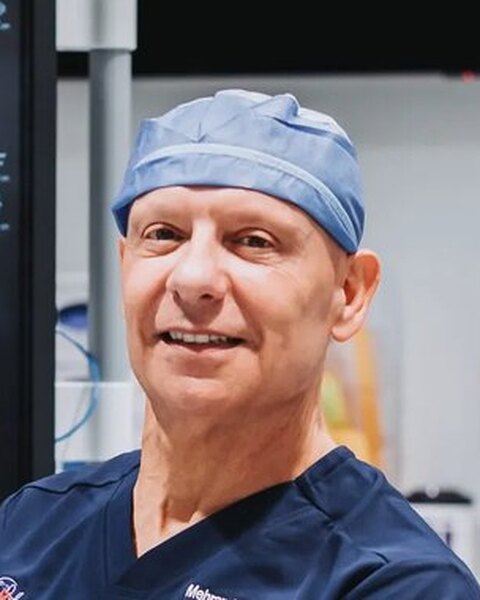
A La Puente patient with a coronary blockage where an artery forks, or one who needs a pacemaker or defibrillator, should ask for Dr. Khorsandi. Penn’s medical school sent him to Cedars-Sinai, where he did residency and fellowship and then joined the attending staff in 1993; he still teaches the fellows who train in its cath lab. His CACVI profile counts five board certifications and 50 patents, many of them about stenting at those forks, and he co-founded a company built on that work.
Dr. Moinakhtar Lala, the imaging-certified interventionalist
Reads echo and nuclear heart scans; leg-artery and coronary procedures
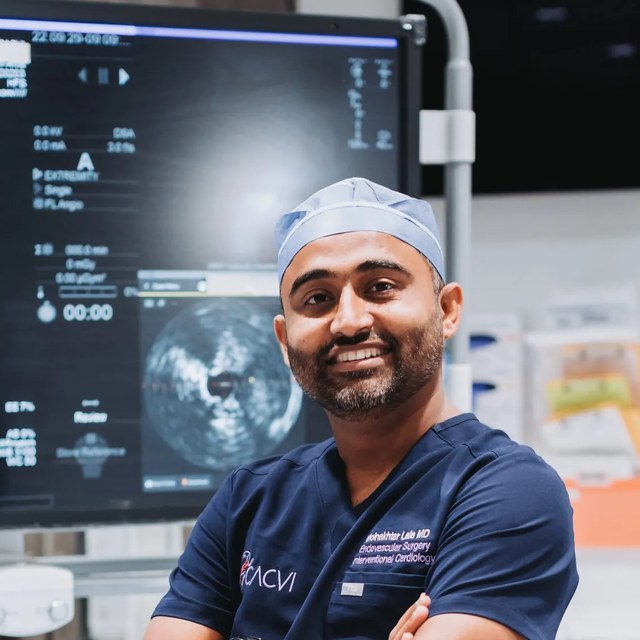
His CACVI bio says patients took to calling him the “Leg Saver” once he set up the practice’s program for saving limbs from amputation; he had joined in October 2016. His New York training at Mount Sinai Beth Israel covered general, interventional and endovascular cardiology, and his procedure list runs from fully blocked coronary arteries to TAVR. What matters for a first evaluation is that his board certifications include echocardiography and nuclear cardiology, the two imaging tests a new heart patient is most often sent for.
Dr. Vasim Lala, structural heart and long-term clinic care
Structural heart procedures, and the long-term clinic care of blood pressure and heart failure
Mount Sinai in New York gave Dr. Vasim Lala his advanced coronary, vascular and structural training before he moved west to CACVI in the summer of 2022. His catheter work covers valves and the heart’s internal walls (TAVR, PFO closure, WATCHMAN), yet his profile spends as much space on what he follows in the office: high blood pressure, coronary and leg-artery disease, congestive heart failure, AFib, cardiomyopathy, and protecting the heart during cancer care. A La Puente patient looking for one cardiologist to manage prescriptions year after year would do well to start with his profile.
Dr. Arshia Noori, the practice’s electrophysiologist
Interventional cardiologist and electrophysiologist; speaks English and Farsi
Dr. Noori’s bio describes more than 25 years of practice and lists affiliations with Cedars-Sinai Medical Center and the Pacific Heart Institute in Los Angeles. His focus is the heart’s rhythm: atrial fibrillation, tachycardias and ventricular arrhythmias treated with catheter ablation, and pacemaker and defibrillator implants, along with advanced heart failure therapies. He studied at the Chicago Medical School, trained as a resident at the University of Colorado and completed fellowships at the University of Vermont.
What La Puente patients ask before calling a heart specialist
Which CACVI office do La Puente patients use?
Patients from La Puente usually come to Alden Drive in Los Angeles, roughly 31 miles west. Tarzana is the Saturday alternative, and the third office, in Victorville, is mostly for the High Desert.
Do you take Medi-Cal?
It depends on your plan and network. That answer belongs to your plan, so phone the number printed on your Medi-Cal card first; once member services confirms CACVI and the physician are in your network, ring us to check the same thing from our side. If the plan requires a referral from your primary doctor, the visit can’t be booked until it is in place.
Can Medi-Cal pay for a ride to Alden Drive?
Medi-Cal covers transportation to covered appointments. Non-medical transportation is for members who have no other way to get there; a wheelchair van or other medical transport needs a provider’s prescription. Plan members request rides through member services, and fee-for-service members through DHCS.
Which emergency room near La Puente has a cath lab for heart attacks?
Of the County-approved heart-attack centers, Inter-Community in Covina is the closest by road, at 7.8 miles from City Hall in our check, with PIH Health Whittier next at 9.2. Don’t drive there yourself with chest pain; call 911 and let the paramedics’ EKG pick the hospital.
Do you have a female cardiologist?
No; our physician profiles are all of men. You are welcome to bring someone with you and to ask for a chaperone during the exam.
Does anyone at CACVI treat AFib with ablation?
Dr. Arshia Noori’s bio describes catheter ablation for atrial fibrillation and other arrhythmias, and his bio says he practices in Los Angeles. Ablation is done in a hospital.
Do your doctors do bypass surgery?
No. Our cardiologists work inside the arteries through catheters, not through the chest. When bypass or open valve surgery is the right answer, we refer you to a cardiothoracic surgeon.
I already have a cardiologist at Kaiser or a hospital group. Can I get a second opinion?
Yes, if your coverage allows it or you choose to pay for the visit yourself. Bring the angiogram or echo images, the reports and your medication list. A second opinion often saves time when it reviews the actual images rather than the summary.
Is there a walk-in cardiology clinic near La Puente?
No. CACVI sees patients by appointment only, booked on the phone or online. And if the reason you wanted a walk-in is fresh chest pain, a faint or sudden breathlessness, the right number is 911.
Is there a checklist for the first appointment?
Pack the completed registration form you printed at home, your insurance card and a card or cash for the copay. Add old reports and scan discs, then empty the medicine cabinet into a bag, vitamins and herbal remedies included. Registration takes those first 15 minutes, so arrive ahead of the booked time.
Do you speak Spanish?
Ask when you call. If your health plan covers interpreter services, you can arrange an interpreter through the plan before the visit, and you may bring a family member to help.
What does a cardiology visit cost without insurance?
The office can tell you the self-pay price for a new-patient visit and for any test before it is done. Ask for both when you book, and ask whether the tests ordered on the day will be billed by the office or by someone else.
Can my family call to make the appointment?
Yes. Yes, and relatives often place this first call. The scheduler will need the patient’s name and date of birth, the plan card, and who referred them.
Booking a first heart visit from La Puente
From La Puente, the usual number to ring is the Los Angeles office, 310-652-2744, staffed on weekdays from 8:30 a.m. to 5:00 p.m. Saturday appointments run through the Tarzana desk, 818-905-5904, open that day from 8:00 a.m. until 4:30 p.m. The online request form works at any hour. Tell the scheduler what the visit is for in one sentence (“new AFib diagnosis,” “follow-up after a stent at PIH Whittier,” “heart failure, need a cardiologist”), because that decides which physician you see and how long the slot is.
Before the visit, download the new patient registration form, print it and complete it at home. If you don’t have a printer at home, the La Puente Library at 15920 East Central Avenue lists 13 public computers and wireless printing on its LA County Library page.
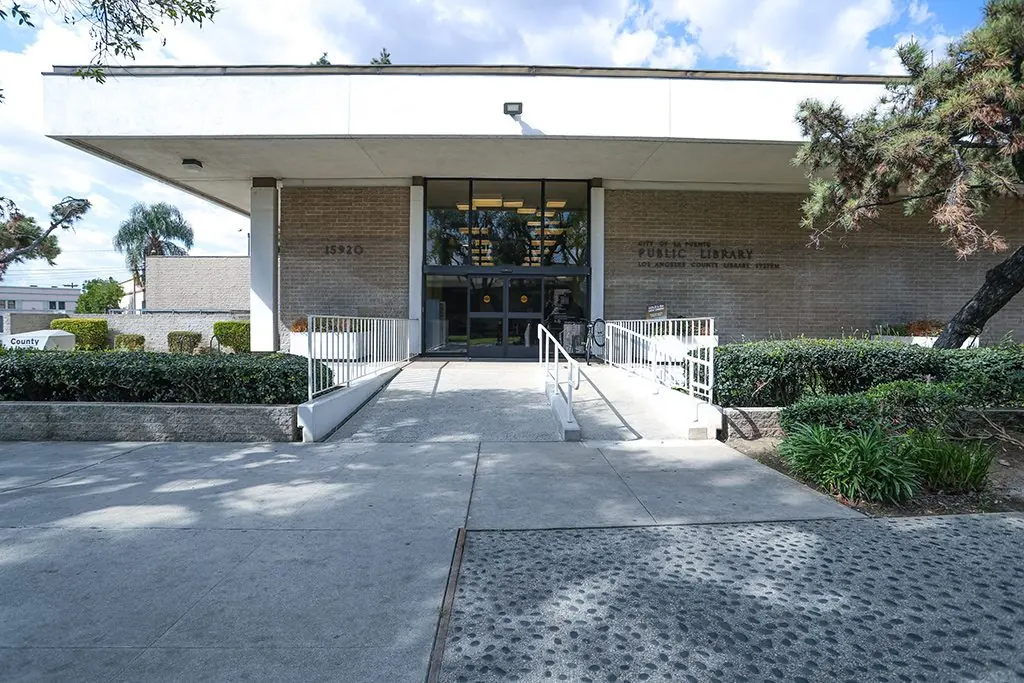

On the day, leave enough time for the Monday-morning drive we measured, park at the Robertson Alden garage, and plan to be at the front desk 15 minutes early. If you are coming by Medi-Cal transport, give the ride company the suite number.
Google reviews left for CACVI’s Los Angeles and Tarzana offices
CACVI cardiology pages for cities that border La Puente
Two incorporated cities touch La Puente’s city limits, West Covina and the City of Industry, and so do two unincorporated areas, Valinda and West Puente Valley; that is what the Census Bureau’s TIGERweb boundary data shows. Both cities have a CACVI cardiology page:
The next three are not on La Puente’s boundary but lie a few miles off in the same part of the valley. Read any of them and you will find the same Los Angeles, Tarzana and Victorville addresses as here, because those three offices serve the whole valley.
Sources behind each La Puente figure on this page
| Source | Publisher | Used for |
|---|---|---|
| CACVI appointments and office details | CACVI | Addresses, phones, hours, parking |
| CACVI new patients | CACVI | Registration form, what to bring, payment |
| Physician biographies | CACVI | Training, certifications, procedures |
| STEMI Receiving Centers map, as of June 2024 | Los Angeles County EMS Agency | Hospitals approved for heart-attack patients |
| Reference No. 513, STEMI patient destination | Los Angeles County EMS Agency | Field EKG and the 30-minute rule |
| Medi-Cal transportation services | California Department of Health Care Services | NMT and NEMT rides |
| Medi-Cal managed care health plan directory | California Department of Health Care Services | Choosing a plan within 30 days |
| Health Care Options | DHCS / Maximus | January 2027 move to fee-for-service |
| Health and Safety Code section 127400 | California Legislature | Financially qualified patient definition |
| Hospital Fair Billing Program | HCAI | Hospital policy lookup and complaints |
| Arrhythmia treatment | NHLBI | Medicines, cardioversion, ablation |
| Living with a pacemaker | NHLBI | Device checks and software updates |
| Heart failure treatment | NHLBI | Medicine side effects and lab checks |
| Heart failure: home monitoring | MedlinePlus | Daily weight rule |
| Coronary artery bypass grafting | NHLBI | Who needs bypass; recovery |
| Heart valve diseases treatment | NHLBI | Mechanical and biological valves |
| Aortic aneurysm | NHLBI | What an aneurysm is |
| Heart attacks in women; causes of heart attack | NHLBI | Symptoms in women, MINOCA, pregnancy |
| Types of cardiomyopathy | NHLBI | Peripartum and Takotsubo cardiomyopathy |
| Red yeast rice | NCCIH | Monacolin K, lovastatin, citrinin |
| Using dietary supplements wisely | NCCIH | Label claims, hidden drugs |
| Warfarin | MedlinePlus | Supplement and food interactions |
| La Puente Library | LA County Library | Address, computers, printing |
| TIGERweb boundary files | U.S. Census Bureau | Places that border La Puente |
¿Listo para hablar?