


Evaluación cardíaca
Cardiologist near Sherman Oaks, CA
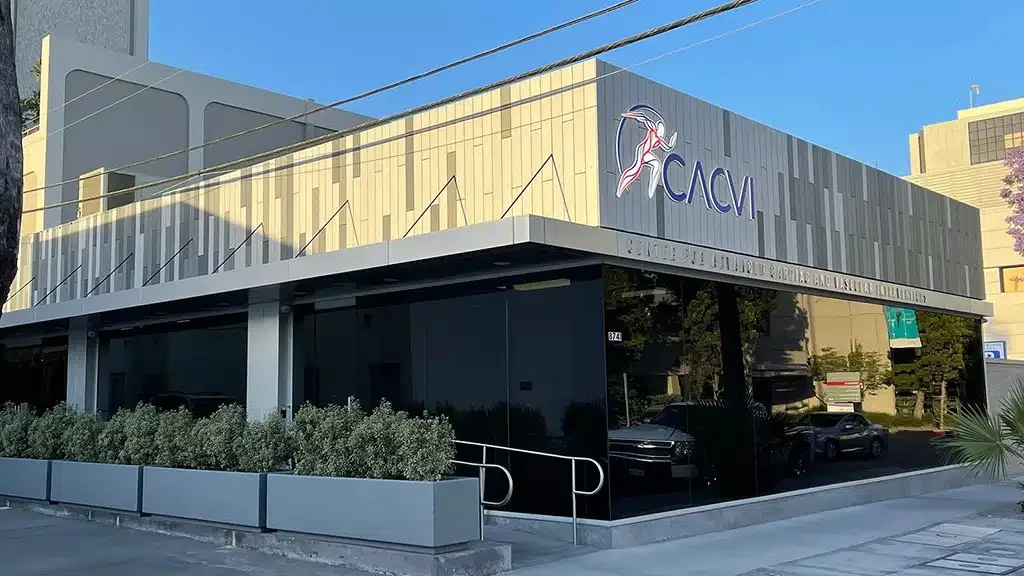
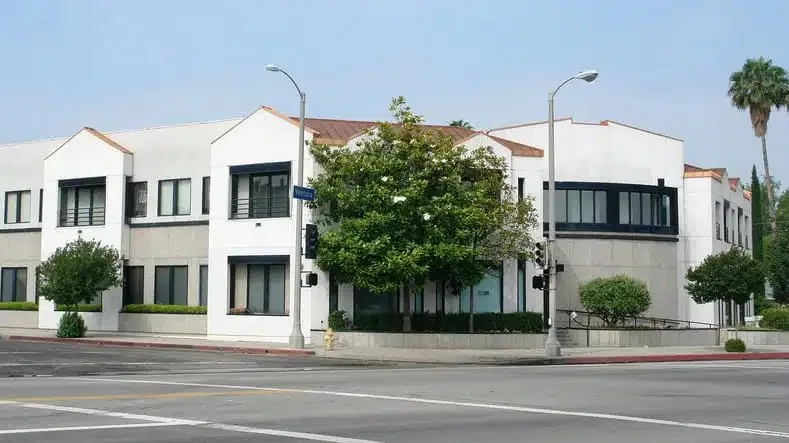
If you live in Sherman Oaks, you may be looking for something specific. A calcium score your internist mentioned. A stress test before you start training again. Someone to read an EKG that came back “borderline” from an urgent care on Van Nuys Boulevard. Or just a cardiologist who can see you without a drive over the hill. If that’s you, CACVI’s San Fernando Valley office is in Tarzana, a straight run west on Ventura Boulevard from Sherman Oaks, and it’s set up for the testing side of cardiology as much as the office visit.
The Center for Advanced Cardiac and Vascular Interventions (CACVI) is a cardiology and vascular practice with three offices in Southern California. The Tarzana office is the one Sherman Oaks patients use. The conditions that bring people in range from angina and blocked coronary arteries to stubborn blood pressure, cholesterol that won’t come down, an irregular rhythm like atrial fibrillation, a weak or leaky heart, and swollen, aching leg veins. Many of them first come in for a single test and stay for the follow-up.
Book a cardiac evaluation or a specific test: call the Tarzana office at 818-905-5904 or request an appointment online. If the chest pain is going on as you read this, stop here and dial 911.
The office, the drive and the tests in one table
Every figure below is checked against a source you can open yourself. The right-hand column says where it came from.
| What you need to know | The fact | Source |
|---|---|---|
| Nearest CACVI office | CACVI – San Fernando Valley, 18226 Ventura Blvd, Suite 102, Tarzana, CA 91356 | CACVI contact page |
| Distance from the Sherman Oaks Galleria | 4.0 miles west on Ventura Blvd; 14 minutes on a Sunday afternoon | Google Maps, checked Nov. 2026 |
| Phone and hours | 818-905-5904; Mon-Fri 8:30 a.m.-5:00 p.m., Sat 8:00 a.m.-4:30 p.m., closed Sunday | Google listing and CACVI office data |
| Estacionamiento | Limited free on-site parking, or street parking | CACVI contact page |
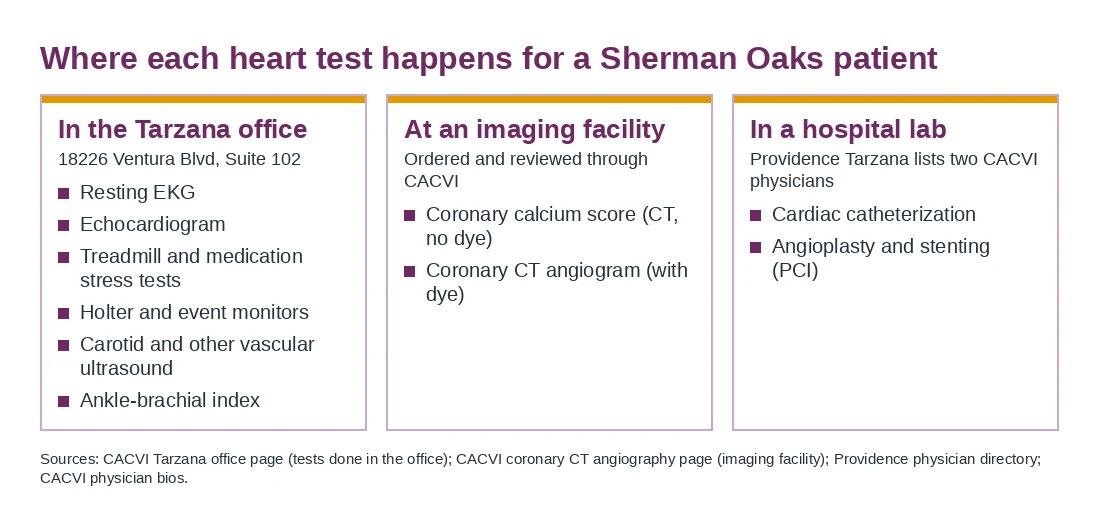
| Tests listed as done in the office | EKG, echocardiogram, treadmill and medication stress tests, Holter and event monitors, vascular ultrasound, ankle-brachial index | Tarzana office page |
| Calcium score and CT angiogram | Ordered and reviewed by CACVI; scanned at an outpatient imaging facility or radiology department | CACVI CT angiography page |
| Hospital where two CACVI physicians are listed | Providence Cedars-Sinai Tarzana Medical Center, 18321 Clark St, about 0.4 miles from the office | Providence physician directory |
| Emergency department in Sherman Oaks | Sherman Oaks Hospital, 4929 Van Nuys Blvd; 24-hour emergency care, Primary Stroke Center | Sherman Oaks Hospital |
Calcium score testing for Sherman Oaks adults who feel fine
Calcium score testing in Sherman Oaks is usually meant for someone with no symptoms at all. Their cholesterol is a little high, or a parent had a bypass at 60, or a friend got a scan and a surprising number. They want to know if their own arteries have started to harden. A coronary artery calcium scan is built for exactly that question, and the guidance on who should get one changed in 2026.
What the scan measures, and what it misses
A calcium score comes from a CT scan of the heart taken without dye. The scanner looks for calcium in the walls of the coronary arteries, which is the hardened part of plaque, and software adds it up into a number called an Agatston score. CACVI’s own coronary calcium scan page describes it the same way: a special kind of X-ray that detects and measures calcium-containing plaque.
The limits matter as much as the number. The RadiologyInfo.org guide to calcium scoring, written by the American College of Radiology and the Radiological Society of North America, says the score shows plaque that has already calcified. It does not pick up softer plaque that hasn’t hardened yet, and it doesn’t show whether an artery is narrowed. So a calcium score is a measure of how much disease has built up. It doesn’t say whether that disease is blocking blood flow today.
Who the 2026 cholesterol guideline points toward a calcium score
In March 2026 the American College of Cardiology and the American Heart Association published the 2026 Guideline on the Management of Dyslipidemia, which replaced the 2018 cholesterol guideline. Two changes affect people in Sherman Oaks who are thinking about a scan.
First, the risk calculator changed. As the ACC and AHA announced when the guideline came out, it uses the PREVENT equations for adults 30 to 79 without known heart disease, and it sorts 10-year risk into new bands: under 3% is low, 3% to under 5% is borderline, 5% to under 10% is intermediate and 10% or more is high. A 2026 analysis in JACC: Advances that applied those bands to the long-running MESA study lays them out side by side with the old ones.
Second, the guideline treats calcium scoring as a tie-breaker, not a test for everyone. A 2026 review of the new guideline in the journal Life sums it up: the scan has its biggest role when the decision to start or step up cholesterol treatment is still uncertain after the usual assessment, and it should be used selectively rather than as population-wide screening. The ACC and AHA announcement is more specific: the scan is recommended for men 40 and older and women 45 and older whose 10-year risk is borderline or intermediate, when knowing the score will help decide whether to prescribe a statin. That often means someone whose family history and lab numbers point in different directions.
People who already have known coronary disease, a stent or a bypass don’t need a calcium score to decide on treatment. Their arteries have already answered the question.
Reading a score of zero, a low score or a high one
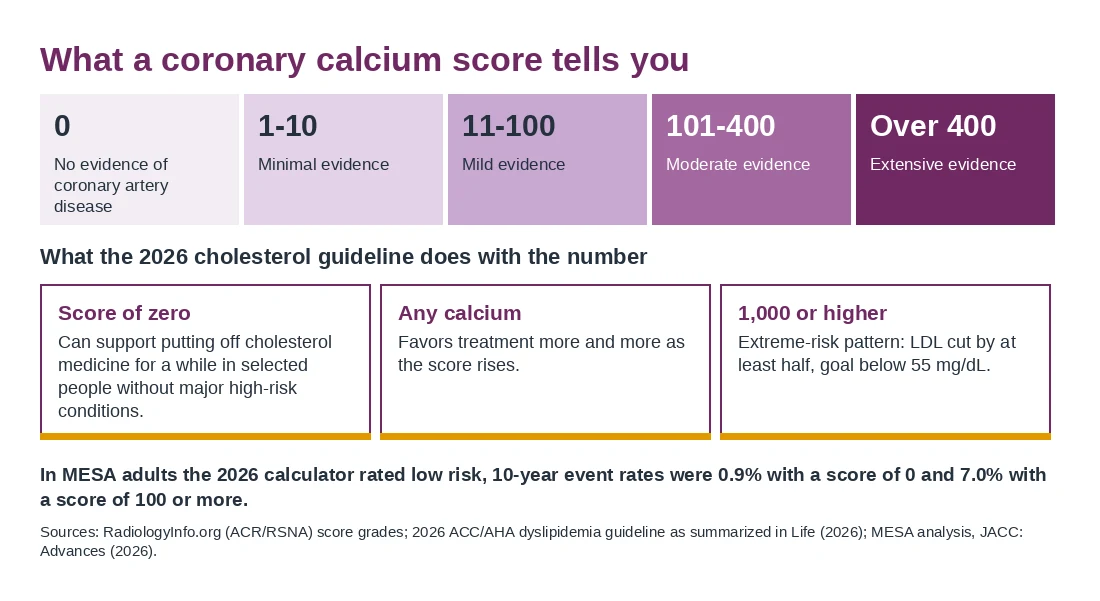
RadiologyInfo.org grades the score this way: 0 means no evidence of coronary artery disease, 1 to 10 minimal, 11 to 100 mild, 101 to 400 moderate, and over 400 extensive. What the number changes depends on the rest of your risk picture, and the new guideline is specific about a few points.
- A score of zero can support putting off cholesterol medication for a while in selected people who don’t have major high-risk conditions, according to the review of the 2026 guideline. Smoking, diabetes and a strong family history of early heart disease are the usual reasons a zero doesn’t settle things.
- Any detectable calcium supports an LDL goal below 100 mg/dL, with lower targets as the amount of calcium rises, according to the ACC and AHA announcement.
- A score of 1,000 or higher is described in the review as an extreme-risk pattern, for which the guideline supports cutting LDL cholesterol by at least half and aiming for an LDL below 55 mg/dL in that setting.
The JACC: Advances study shows why the number carries weight. Among MESA participants the new calculator labeled low risk, the 10-year rate of heart attacks, strokes and related events was 0.9% with a score of zero and 7.0% with a score of 100 or more. Same risk label, very different outcomes.
Getting ready for the scan, and where it happens
The scan itself is short. RadiologyInfo.org says it takes less than 20 minutes, causes no pain, needs no injection of contrast, and you go back to normal activities straight afterward. RadiologyInfo.org says you’ll usually be told not to eat or drink for four hours beforehand and to avoid caffeine and smoking in that window, since a high heart rate can spoil the image quality. Leave jewelry at home. If there’s any chance you’re pregnant, say so before the scan, since it uses X-rays.
CT scans of the heart, both calcium scoring and the contrast study described below, are done at an outpatient imaging facility or a hospital radiology department, as CACVI’s coronary CT angiography page notes. They aren’t run inside the Tarzana office. What the office handles is the part that makes the scan useful: deciding whether you’re a good candidate, ordering it, reading the report with you and turning the number into a plan. When you book, ask the staff which imaging center the order will go to so you can plan the trip.
Paying for a calcium score
Coverage is uneven. RadiologyInfo.org states plainly that not all health insurance plans cover cardiac CT for calcium scoring, and the review of the 2026 guideline lists cost alongside radiation, incidental findings and availability as things to weigh before ordering one. Before you schedule, ask your plan whether the scan is covered as screening and ask the imaging center for its self-pay price. Then you know your real cost before you’re on the table.
Incidental findings deserve a word. The report can mention something the scan happened to see that has nothing to do with the coronary arteries. RadiologyInfo.org also notes that a high score is sometimes followed by more tests that may or may not add useful information and can carry their own side effects. That’s one reason a cardiologist should help decide whether the scan is worth doing in the first place.
When a calcium score is the wrong test
A calcium score is a screening tool for people without symptoms. If you’re having chest pressure when you walk uphill, breathlessness that’s new, or discomfort that comes with exertion and fades with rest, the question is different: is something limiting blood flow right now? A calcium score can’t answer that.
For symptoms, the usual next steps are a stress test or a coronary CT angiogram. The CT angiogram uses dye and shows where plaque sits and how much each artery has narrowed, without threading anything into your arteries. Both are described in the testing section below. Which one fits is a decision for the visit, based on your symptoms and history.
Deciding whether a calcium score makes sense for you. Bring your latest cholesterol panel and blood pressure readings to a visit in Tarzana. The question to ask is simple: would the result change what I do?
Cardiac risk testing and the numbers behind your 10-year estimate
Cardiac risk testing, preventive heart testing in Los Angeles and heart screening in Southern California all start in the same place. The calcium score gets the attention, but the starting point for any of these is a risk estimate built from ordinary measurements. Knowing what goes into it helps you walk into the visit with the right numbers already in hand.
What the PREVENT calculator uses
The 2026 cholesterol guideline replaced the older Pooled Cohort Equations with PREVENT, a calculator built on more recent data. The review in Life lists what it takes in. Alongside the usual age, sex, blood pressure, cholesterol, diabetes and smoking status, the base version adds body mass index, kidney function (estimated GFR), and whether you already take cholesterol or blood pressure medication. Where available, it can also use a urine albumin-to-creatinine ratio, a hemoglobin A1c and a neighborhood-based social deprivation index to sharpen the estimate. The review also points out that the calculator doesn’t use race.
The practical upshot is that two lab results many people never think to bring, kidney function and a urine albumin test, now feed directly into the number. If your primary care doctor has run them in the past year, bring copies.
Risk enhancers that can tip a borderline result
A risk estimate in the borderline or intermediate band isn’t the end of the discussion. The review of the 2026 guideline says the estimate should be read alongside risk-enhancing factors, and the 2018 and 2019 guidelines it builds on spell out the familiar ones:
- A family history of heart disease at a young age (in a male relative before 55 or a female relative before 65, the cut-offs the 2018 guideline uses).
- LDL cholesterol that stays at 160 mg/dL or higher.
- Chronic kidney disease or metabolic syndrome.
- Pregnancy complications such as preeclampsia, or menopause before age 40.
- Chronic inflammatory conditions such as rheumatoid arthritis, psoriasis or HIV.
- South Asian ancestry.
- Triglycerides that stay at 175 mg/dL or higher.
- Lp(a), ApoB or a low ankle-brachial index, if measured.
Two or three of these on top of a borderline estimate is a common reason a calcium score gets ordered. The scan is there to settle a question the list raised.
The cholesterol goals that follow
The biggest change for patients is that the 2026 guideline brings back specific cholesterol targets, after the 2013 and 2018 guidelines leaned on statin intensity and percentage drops. The Life review summarizes them for people without known heart disease: at borderline or intermediate risk, an LDL below 100 mg/dL and a non-HDL cholesterol below 130 mg/dL, usually with a 30% to 49% LDL reduction. At high risk, an LDL below 70 mg/dL and a non-HDL below 100 mg/dL, with at least a 50% reduction. For people who already have heart disease and are at very high risk, the targets drop to an LDL below 55 and a non-HDL below 85.
Those numbers give a visit a clear purpose. You leave knowing your category, your target and the plan to get there, and the next lipid panel shows whether it’s working.
Why a low 10-year number at 45 isn’t always reassuring
Ten years is a short window for a 45-year-old. The review notes that PREVENT can also give a 30-year estimate, which can flag younger adults whose 10-year risk looks low but whose cholesterol has been high for decades. That’s often the person who comes in after a parent’s heart attack, with a “low risk” printout and a nagging feeling it doesn’t tell the whole story. The 30-year view, a family history and sometimes a calcium score are how that gets sorted out.
Cardiac testing on Ventura Boulevard, matched to the question each test answers
If you need cardiac testing or heart exams in Los Angeles, Sherman Oaks is part of the City of Los Angeles, so that testing is close at hand. The catch is that “heart test” covers a dozen different studies, and each one answers a different question. The table matches the question to the test, and says where the test happens for a Sherman Oaks patient.
| Your question | Test that answers it | Where a Sherman Oaks patient has it | Preparation |
|---|---|---|---|
| Has plaque started to build up, even though I feel fine? | Coronary calcium score (CT, no dye) | Imaging facility, ordered through CACVI | No food, drink, caffeine or smoking for about 4 hours |
| Is my heart rhythm normal right now? | Resting EKG | Tarzana office | None |
| How well does my heart pump, and are the valves working? | Ecocardiograma | Tarzana office | None |
| Does exercise bring on signs of reduced blood flow? | Treadmill or medication stress test | Tarzana office | Walking shoes; light meal; no caffeine for 24 hours before nuclear or medication tests |
| What happens during the palpitations I can’t catch in the office? | Holter, event monitor or mobile cardiac telemetry | Fitted at the office, worn at home | Keep a note of when symptoms happen |
| Is there plaque or narrowing in my neck arteries? | Carotid duplex ultrasound | Tarzana office | None |
| Do my legs have reduced blood flow? | Ankle-brachial index | Tarzana office | None |
| Where are my arteries narrowed, if I have symptoms? | Coronary CT angiogram (with dye) | Imaging facility | Kidney function and contrast allergy checked first |
The Tarzana office page lists EKG, echocardiography, treadmill and medication stress testing, Holter and event monitoring, vascular ultrasound and ankle-brachial index testing as done in the office. That’s most of a standard outpatient work-up under one roof. CT scans go to an imaging center, and cardiac catheterization happens in a hospital lab.
A resting EKG catches the heart’s wiring for a moment
An electrocardiogram records the heart’s electrical signal through stickers on the chest, arms and legs. It takes a few minutes and you lie still while it records. The MedlinePlus guide to the electrocardiogram lists what it can show: abnormal rhythms, signs of a past or current heart attack, and an enlarged heart, among others. It’s poor at catching things that come and go. A normal EKG on a day you feel fine says very little about the palpitations you had last Tuesday.
If you already had an EKG at urgent care or a primary care office and it came back with a word like “nonspecific” or “borderline,” bring the printout. Comparing two tracings is often more useful than repeating one.
An echocardiogram shows pumping strength and the valves
An echocardiogram uses sound waves to build a moving picture of the heart. A technician moves a hand-held wand across your chest, and, as CACVI’s echo page puts it, nothing goes inside you. It shows the chambers and valves, how strongly the heart pumps, and the ejection fraction, the share of blood pushed out with each beat. It’s the usual test when a doctor hears a murmur, when someone has unexplained swelling or breathlessness, or when blood pressure has been high long enough that the heart may be paying for it.
Stress testing on a treadmill or with medication
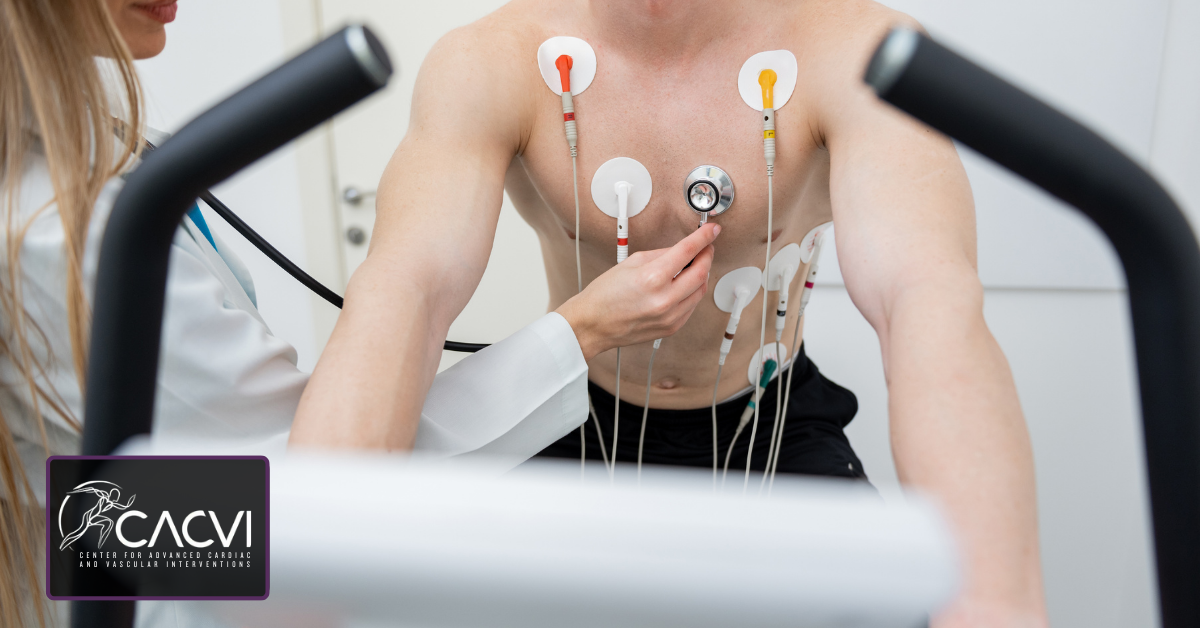
A stress test watches the heart while it works harder. You walk on a treadmill while the team tracks your EKG, heart rate and blood pressure. If your knees, hips or lungs won’t let you walk fast enough, a medication raises the heart’s workload instead. CACVI’s stress test page describes exercise, stress echo and nuclear versions, and says the visit usually runs about an hour, with some nuclear studies taking longer.
A few practical points from that page help a Sherman Oaks patient arrive ready:
- Wear walking shoes and loose clothes that let the team place EKG stickers on your chest.
- Avoid a heavy meal for two to four hours before the test.
- For nuclear, PET or medication stress tests, skip caffeine, including coffee, tea, soda and chocolate, for at least 24 hours.
- Keep taking your medications unless the office tells you to stop a specific one.
The caffeine rule is the one people break most often, usually with a morning latte on the way down the boulevard. It can mean rescheduling.
What a stress test result leads to
CACVI’s stress test page lists several jobs for the test beyond looking for blockages. It’s used to check recovery after a heart attack or surgery, to judge exercise tolerance, and to help shape a safe exercise program. That last one matters for the Sherman Oaks runner or cyclist who wants to start training again after a scare. When a result raises a question, the page says it can lead to further studies such as a nuclear or PET stress test or a coronary angiogram. A normal test on a day you feel well also has a use: it gives your cardiologist a baseline to compare against later.
The coronary CT angiogram uses contrast dye
When symptoms point toward narrowed arteries, a coronary CT angiogram is one of the ways to look. It needs more preparation than a calcium score, and CACVI’s CT angiography page spells it out. You’ll likely be asked to fast for four to six hours and to skip caffeine and smoking that day, since both raise the heart rate and blur the pictures. Some patients get a beta-blocker to slow the heart, and nitroglycerin under the tongue to widen the arteries for clearer images. An IV carries the iodine-based dye; many people feel a brief warm flush or a metallic taste when it goes in. The scanning itself takes seconds, though the whole visit runs longer for setup. Afterward, the page advises drinking plenty of water to help flush the dye, especially if your kidneys are a concern.
The same page lists who may not be a good fit: pregnant women, people with severe kidney disease or a past reaction to contrast dye, and people with uncontrolled atrial fibrillation, a very fast heart rate or very high blood pressure. If any of those apply to you, say so when the test is first discussed. There are other ways to get the answer.
Rhythm monitors you wear at home
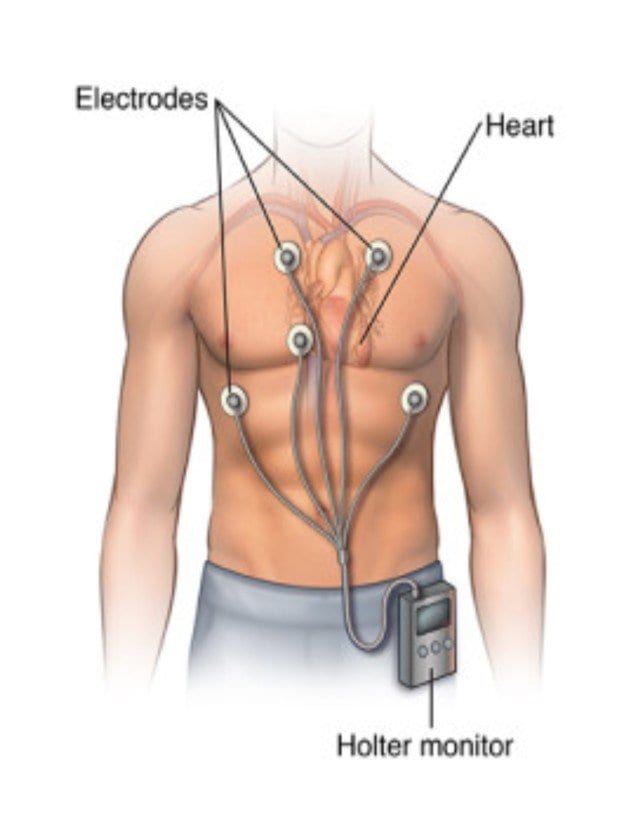
Palpitations, skipped beats and dizzy spells rarely happen on cue in an exam room, so the test goes home with you. A Holter monitor records every beat for 24 to 48 hours. An event monitor records when you press a button or when it detects an abnormal rhythm. Mobile cardiac telemetry sends each heartbeat over the mobile network to a monitoring center that watches it around the clock and contacts your physician if it finds a dangerous rhythm. The longer the gap between your episodes, the longer the monitor needs to stay on.
Carotid ultrasound, and the CIMT test people ask about
If you are considering a CIMT test in Los Angeles, start with what it measures. CIMT stands for carotid intima-media thickness, a measurement of the inner layers of the neck arteries taken by ultrasound. Current US cholesterol guidance doesn’t build its risk decisions on it. The review of the 2026 guideline notes that risk reclassification in the US document is centered mainly on the calcium score, while European guidance also counts carotid or femoral plaque as a risk modifier.
What CACVI offers is a carotid duplex vascular ultrasound, which looks for plaque and measures blood flow in the carotid arteries. That’s the right test for a whooshing sound a doctor hears over the neck, for someone who’s had a mini-stroke, or for following known carotid narrowing. If you were hoping for a CIMT number as a general screening test, a calcium score is the closer match to current US guidance, and the visit is the place to sort out which one fits.
Blood work your cardiologist may order
If you need a blood test in Sherman Oaks, note that blood tests aren’t a separate service at CACVI. They’re part of the evaluation, and CACVI’s cardiac evaluation page says the physician may request lab work such as blood or urine tests to look for specific conditions. The ones that come up most in a heart visit:
- A lipid panel, for LDL, HDL, triglycerides and non-HDL cholesterol.
- Lipoprotein(a), once in adulthood. The 2026 guideline recommends measuring it at least once, according to the review in Life, and counts a level of 125 nmol/L or more (or 50 mg/dL or more) as a risk-enhancing factor. Lp(a) is mostly inherited and stays fairly stable for life, so one test is usually enough.
- Apolipoprotein B in selected people, often those with high triglycerides.
- Blood sugar and kidney function, because diabetes and kidney disease both raise heart risk and affect which medicines and scans are safe.
If your primary care doctor drew labs recently, ask for a copy before the visit. There’s no reason to repeat a panel from three weeks ago.
Holding an order for a stress test, echo or monitor. Call 818-905-5904, read the order to the staff, and ask for the first slot that fits. Mention it if you can come on a Saturday.
Walk-in cardiologist visits, and what gets you seen sooner
Whether you can see a walk-in cardiologist in Sherman Oaks is an honest question, and it deserves a straight answer. CACVI’s Tarzana office sees patients by appointment, and so do most cardiology offices. That isn’t red tape. A useful heart visit usually needs your records in hand, a test slot that’s free, and sometimes a preparation step like skipping caffeine. A drop-in can’t deliver much of that.
What you can do is shorten the wait and make the first visit count.
Ask for a Saturday
The Tarzana office keeps Saturday hours, 8:00 a.m. to 4:30 p.m., on top of weekdays from 8:30 a.m. to 5:00 p.m. Both CACVI’s office listing data and the Google listing show those hours. CACVI’s Los Angeles office lists weekday hours only, so for a Sherman Oaks resident who works Monday to Friday, Tarzana is the office that can see you on a weekend. Call to check which appointments are open that day.
Check your referral rules before you call
According to the Tarzana office page, PPO members can usually book straight in, while a lot of HMO members first need their primary care doctor to send a referral. That page also says the practice takes many major PPO and Medicare plans; the front desk can confirm yours over the phone. If you’re on an HMO, start the referral today. It’s often the slowest step, and it’s the one the office can’t do for you.
Paperwork that saves a second trip
CACVI’s new patients page has a registration form you can print and fill out at home. Bring it, along with these:
- Your insurance card, and your office co-pay if you know it.
- Every medication, vitamin and supplement you take, with doses.
- Earlier EKGs, echo reports, stress tests, scan reports and hospital discharge papers.
- Home blood pressure readings, if you take them.
- A short note of your symptoms: when they started, what brings them on, how long they last.
Plan to get there a quarter of an hour before your appointment time so registration doesn’t eat into it. Payment can be cash or a Visa, Mastercard, Discover or American Express card.
Tell the scheduler what the visit is for
The quickest way to a useful first appointment is to say up front why you’re booking, so the right test can be lined up for the same visit or the next one. A few examples of what to say:
- “I want to talk about a calcium score. I have my latest cholesterol results.” The visit then starts with your risk estimate.
- “I get chest pressure walking uphill that goes away when I stop.” That flags a possible stress test.
- “My heart races or skips, and I have a watch recording.” That flags an EKG and a possible monitor.
- “My blood pressure stays high on two medicines.” That flags an echo and a look at the kidney arteries.
- “My legs swell and ache by evening, and I have varicose veins.” That flags a venous ultrasound.
- “I was in the emergency room last week and told to see a cardiologist.” Have the discharge papers ready to fax.
Moving your care from a cardiologist over the hill
If you live in Sherman Oaks and already have a cardiologist on the Westside or downtown, you may be tired of the drive for routine follow-up. Switching doesn’t need a formal hand-off. Tell the scheduler who has been treating you, then send the records ahead by fax or email: the last office note, recent EKG and echo reports, any stress test or CT reports, and the medication list. If you had a stent or a valve procedure, the procedure report is the single most useful page. With those in hand, the first visit can pick up where your last cardiologist left off instead of repeating tests you’ve already had.
When “today” really means today
Some people hoping for a walk-in cardiologist shouldn’t be waiting for any appointment. If chest pain or pressure lasts more than a few minutes, if you’re suddenly short of breath, if you faint, or if your face droops or an arm goes weak, call 911. An urgent care clinic isn’t equipped for a heart attack or stroke either. The emergency section further down covers what happens next and where Sherman Oaks ambulances typically go.
Angina and coronary artery disease treatment for Sherman Oaks patients
Someone who needs angina and heart disease treatment in Sherman Oaks is in a different place from someone asking about a calcium score. They already have a symptom, or a diagnosis, and they want to know what can be done about it.
What angina is, and the version that can’t wait
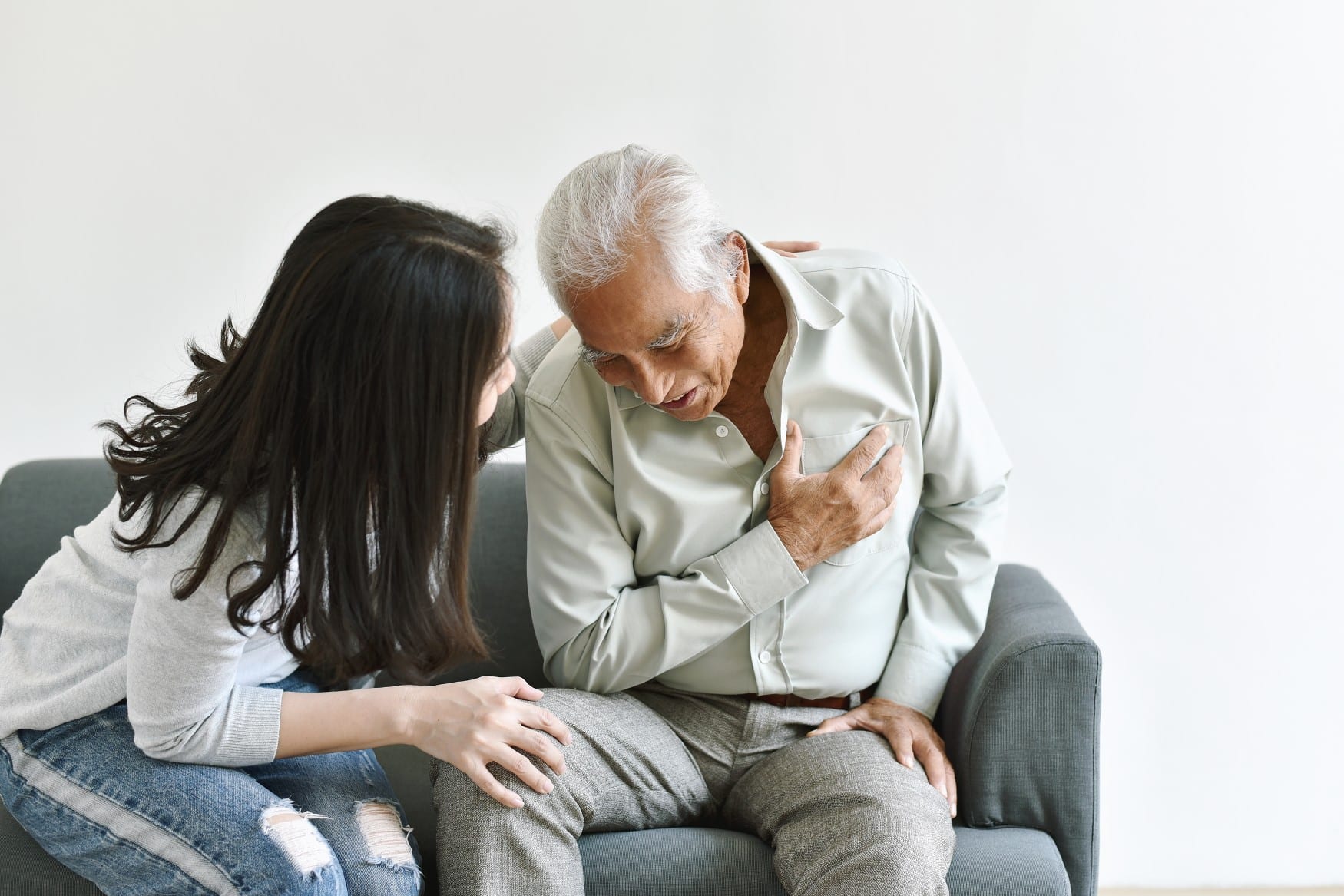
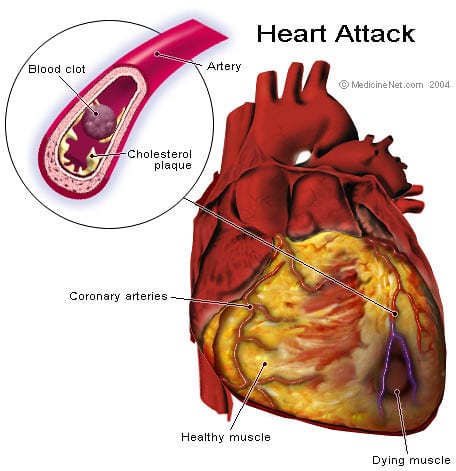
El Centro de American Heart Association’s angina page describes it as chest pain or discomfort that happens when the heart muscle isn’t getting enough oxygen-rich blood. It can feel like pressure or squeezing, and it can spread to the shoulders, arms, neck, jaw, upper belly or back. Some people feel no pain at all, only breathlessness or fatigue. The AHA adds that angina is a symptom, not a disease, and it usually comes from coronary artery disease.
The split that matters is stable versus unstable. Stable angina follows a pattern: the same hill, the same flight of stairs, and it settles with rest. Unstable angina breaks the pattern. It shows up at rest, comes on with less effort than before, or lasts longer. The AHA says unstable angina may need emergency treatment to head off a heart attack. If your pattern has changed, don’t wait for an office visit.
Working out the cause
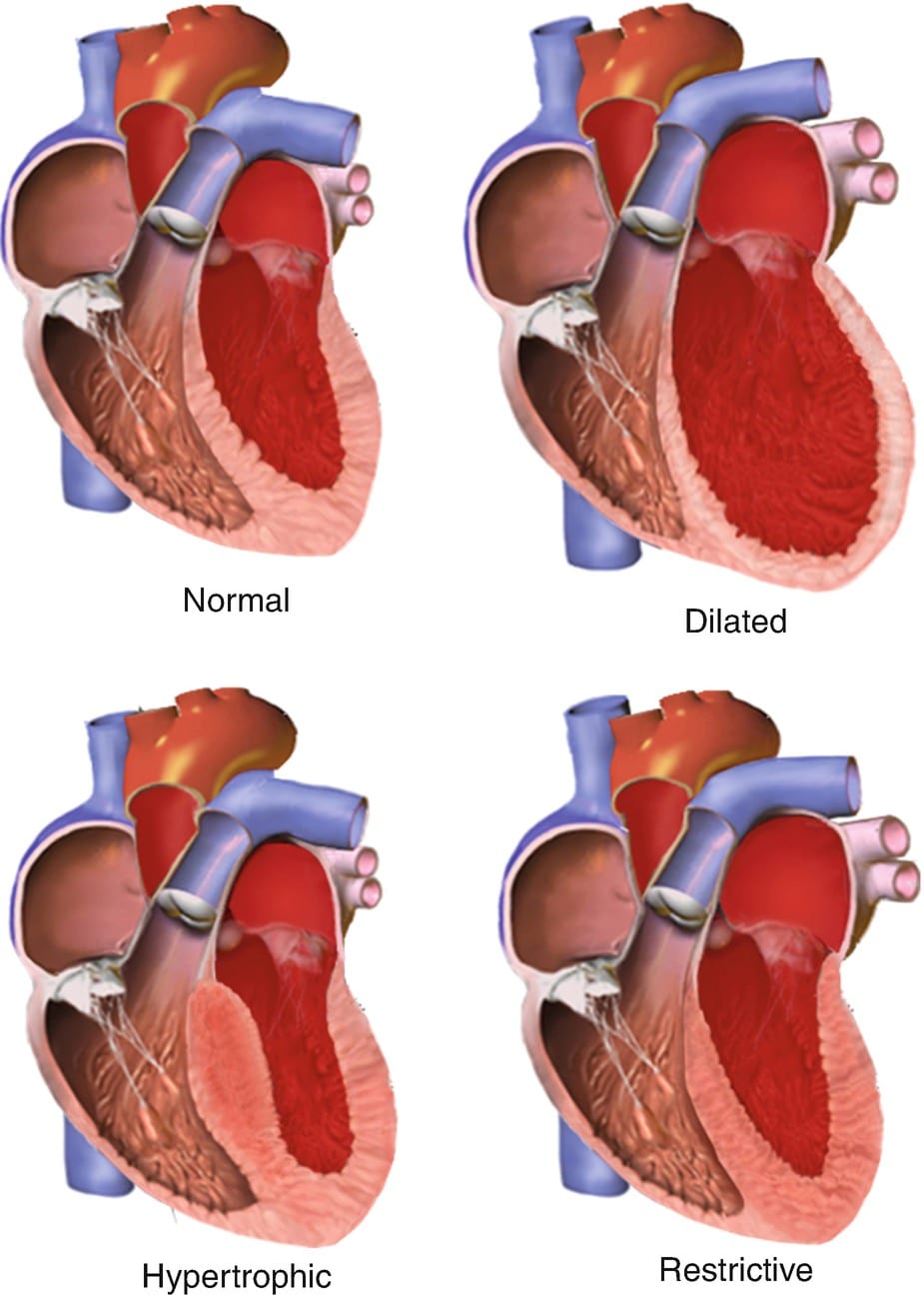
Not every chest pain is coronary disease. The AHA lists other heart causes, including aortic stenosis, hypertrophic cardiomyopathy and pericarditis. That’s why the first step is the history and exam, followed by tests picked for your situation. That might be a stress test, an echo to look at the valves and muscle, or a coronary CT angiogram. The AHA also points to coronary microvascular disease, a problem in the heart’s smallest arteries that’s more common in women. It can cause real angina even when the large arteries look fairly clear.
Medicines used for angina
The AHA lists medicines that help keep arteries open and ease the heart’s workload, such as nitrates and calcium channel blockers, along with treatment of the conditions that drive the disease: high blood pressure, high cholesterol (including statins) and diabetes. If you’re prescribed nitroglycerin to use under the tongue, ask at the visit exactly how and when to use it, and what to do if a dose doesn’t relieve the pain.
When opening an artery comes up
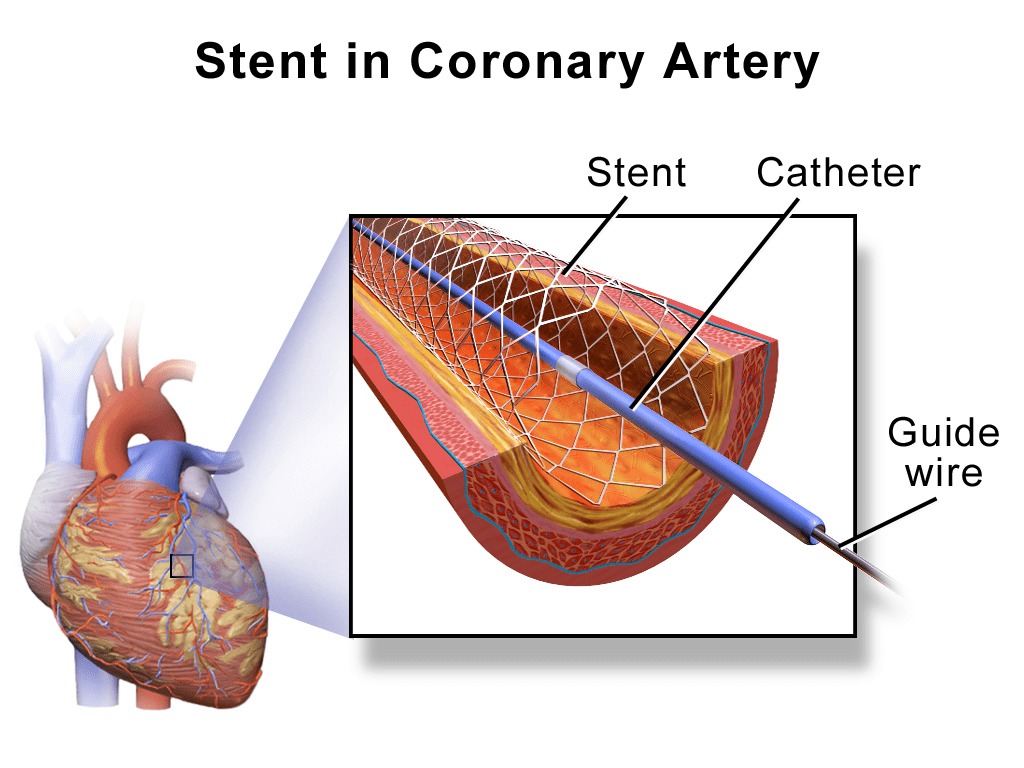
When medicines don’t control the symptoms, or testing shows a blockage in a high-risk spot, the conversation turns to procedures. The two main ones, as the AHA describes them, are percutaneous coronary intervention (PCI), which opens the artery with a balloon and usually a stent, and coronary artery bypass grafting (CABG), which is open-heart surgery. All three CACVI physicians who see patients in Tarzana are interventional cardiologists, meaning they perform catheter procedures as well as seeing patients in the office. Those procedures happen in a hospital catheterization lab, not in the office. CACVI’s site lists Dr. Mehran Khorsandi as Cardiac Cath Lab Director at Providence Cedars-Sinai Tarzana Medical Center, a short distance up Clark Street from the office.
Keeping an angina log
The AHA offers a printable angina log, and it’s worth using. For each episode, write down what you were doing, how long it lasted, where you felt it, how bad it was on a 1 to 10 scale, and what made it stop. Two weeks of entries tell your cardiologist more than any one-line description at the visit. They also make it obvious when the pattern starts to change.
Chest pressure that settles with rest but keeps coming back. That’s the right reason for an office visit, not an emergency one. Call 818-905-5904 and say you’re booking for exertional chest symptoms.
Blood pressure numbers that send Sherman Oaks patients to a cardiologist
High blood pressure is one of the most common reasons people end up at a cardiology visit, often after a pharmacy cuff or a workplace health fair. If you live in Sherman Oaks with hypertension, a cardiologist for high blood pressure looks at more than the reading. Here’s what the numbers mean, and what a heart visit adds that a cuff can’t.
The categories in the 2025 guideline
In August 2025 the AHA and ACC published a new high blood pressure guideline that replaced the 2017 version, and the AHA’s blood pressure readings page lays out the categories:
- Normal is under 120 and under 80.
- Elevated is 120 to 129, with the bottom number under 80.
- Stage 1 hypertension is 130 to 139, or 80 to 89. Lifestyle changes first, and medication may be added depending on your risk of heart disease or stroke. The AHA says medication should be added if you also have diabetes, heart failure or kidney disease.
- Stage 2 is 140 or higher, or 90 or higher, and calls for medication plus lifestyle changes.
- Severe hypertension is above 180 and/or above 120.
Readings above 180/120
This is where people need to act the same day, and the AHA draws a clear line. Wait at least a minute and measure again. If the second reading is still that high and you have no symptoms, call your healthcare professional. If you also have chest pain, shortness of breath, back pain, numbness, weakness, a change in vision or trouble speaking, it’s a hypertensive emergency. Call 911.
Home readings that a cardiologist can trust
One high reading in a pharmacy after a hot walk across a parking lot doesn’t diagnose anything. The AHA’s home monitoring guide recommends an automatic cuff that goes on the upper arm (wrist and finger monitors are less reliable) and one that’s been validated, which you can check at validatebp.org. The routine:
- Give it half an hour after coffee, a cigarette or a workout, and use the bathroom first.
- Use a chair with a backrest, keep both feet on the floor, and rest your forearm on a table so the cuff sits level with your heart.
- Put the cuff on bare skin, just above the bend of the elbow.
- Rest quietly for five minutes first, with no talking or phone.
- Each session, take a pair of readings sixty seconds apart, keep to the same times of day, and log both.
Bring the log and the cuff itself to your visit. The AHA suggests having your monitor checked against the office equipment, and that only takes a minute.
What the cardiology visit adds
Your primary care doctor can diagnose and treat high blood pressure, and for many people that’s enough. A cardiology visit adds the question of what the pressure has already done to the heart. An echocardiogram can show a thickened heart wall from years of strain. A renal artery duplex, one of the vascular ultrasounds CACVI lists, measures blood flow in the arteries to the kidneys. CACVI’s renal artery stenosis page explains why that matters: narrowing there often pushes blood pressure up, and the usual clue is pressure that won’t come down with medication and lifestyle changes. And when high blood pressure sits next to high cholesterol or a family history, it feeds into the same risk discussion that decides whether a calcium score is worth doing.
Palpitations, atrial fibrillation and the stroke risk behind them
A racing or fluttering heartbeat is one of the most common reasons people look for a cardiologist quickly, and an AFib doctor close to home in Sherman Oaks makes follow-up easier. The American Heart Association counts it as the most frequent rhythm disorder of its kind, affecting more than 10 million people in the US. CACVI’s atrial fibrillation page covers the condition in detail; this section is about what the first visit from Sherman Oaks is trying to settle.
What AFib does inside the heart
In AFib the upper chambers quiver instead of squeezing in a steady rhythm, so blood isn’t fully pumped out and can pool. The AHA explains the danger plainly: pooled blood can clot, and a clot pumped out to the brain causes a stroke. It links AFib to roughly a fivefold rise in stroke risk. Some people feel it as flip-flopping, pounding or breathlessness; others feel nothing and find out at a routine check.
The stroke question comes first
An AFib attack usually isn’t harmful by itself, according to the AHA. The bigger risk is the stroke, and it’s there whether or not you feel symptoms. That’s why the first job of an AFib visit is to confirm the rhythm and estimate your personal stroke risk, which decides whether a blood thinner makes sense. The AHA notes there are two main kinds: anticoagulants, such as warfarin, dabigatran and rivaroxaban, and antiplatelet drugs such as aspirin or clopidogrel. Each has a different role, so they aren’t interchangeable, and the choice is made with your cardiologist.
Proving it’s AFib
The diagnosis needs the rhythm on record. If an episode is happening when you’re in the office, a resting EKG can catch it. If not, a Holter or event monitor or mobile telemetry, described in the testing section above, goes home with you. A recording from a wearable device is worth bringing, along with the date and what you were doing at the time. It’s a clue that helps decide which monitor to use and for how long.
Conditions that feed AFib
The AHA lists conditions that can contribute to AFib and may need treatment on their own: obesity, high blood pressure, diabetes, sleep apnea, other heart conditions such as a past heart attack, valve disease or heart failure, an overactive thyroid and chronic lung disease. Treating those is part of AFib care, not a side issue. Snoring and daytime sleepiness, for example, are worth mentioning at the visit, because untreated sleep apnea is on that list.
AFib as a condition with stages
The AHA describes AFib as progressive, with four stages. The first is being at risk. The second, sometimes called pre-AFib, means structural or electrical changes in the heart that can lead to it. The third is diagnosed AFib, and the fourth is permanent AFib. People with risk factors in the first two stages can act early. That’s the practical reason to have a skipped-beat sensation checked rather than shrugged off.
Murmurs, breathlessness and swollen ankles lead to the same first test
Two other reasons people book a first cardiology visit tend to arrive together: a doctor hears a murmur at a routine physical, or someone notices they can’t climb a flight of stairs the way they did last year. Both point toward the same first test, the echocardiogram, and both are easier to manage when they’re caught early.
A murmur is a sound, not a diagnosis
Plenty of murmurs are innocent, just the sound of normal blood flow that a stethoscope happens to catch. The ones a cardiologist wants to look at are the murmurs that come from a valve that’s narrowed or leaking. The echo shows which valve, how tight or leaky it is, and how the heart muscle is coping. CACVI covers the two most common problem valves on its aortic valve disease and mitral valve disease pages.
Aortic stenosis can stay quiet for years
El Centro de AHA’s aortic stenosis page calls it one of the most common and serious valve problems. The valve opening narrows, most often as calcium builds up with age. It often starts after 60 but may not cause symptoms until the 70s or 80s. When symptoms come, the AHA lists chest pain, shortness of breath, fainting, trouble walking short distances and a drop in everyday activity. That last one is easy to blame on age, which is why a relative is sometimes the first to notice. Over time the left ventricle thickens from the extra work, and the AHA notes that can lead to heart failure.
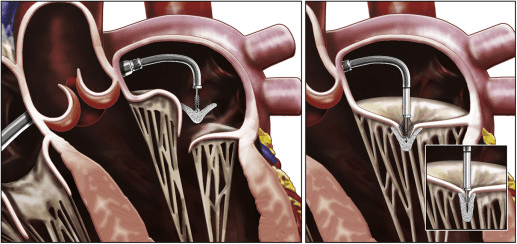
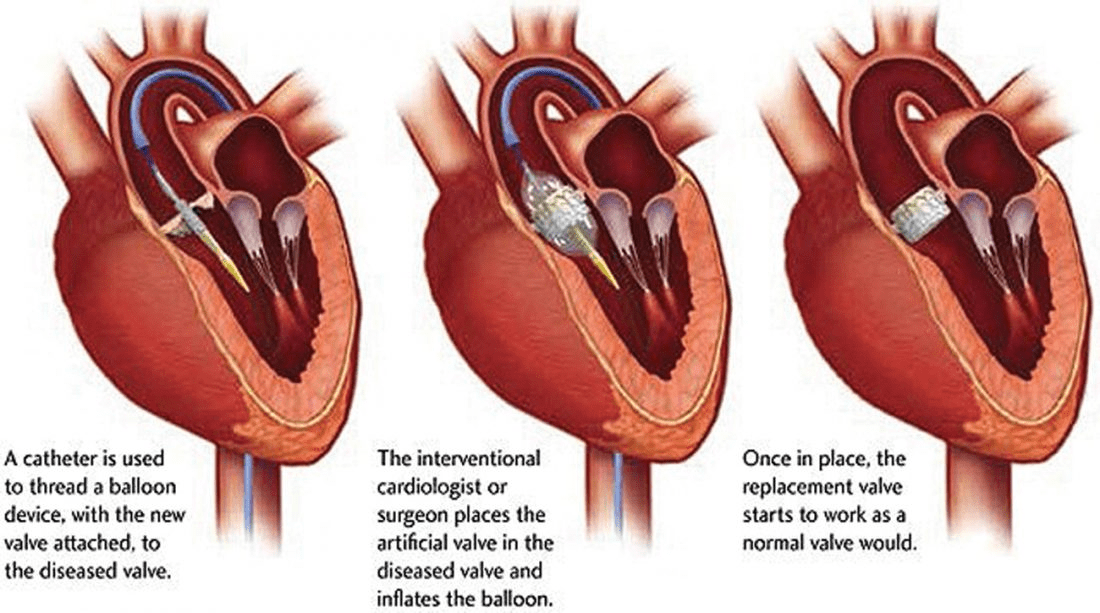
For mild disease without symptoms, the AHA says regular checkups to watch for change may be all that’s needed. When it advances, valve replacement comes into the discussion, either by surgery or through a catheter. CACVI describes the catheter approach on its TAVR page. The timing of that referral is what regular echo follow-up is for.
Heart failure signs worth reporting
El Centro de AHA’s heart failure signs page asks anyone with these symptoms to report them and ask for a heart evaluation, even without a known heart problem:
- Breathlessness with activity, or at rest, sometimes waking you at night or needing extra pillows to breathe easily.
- Swelling in the feet, ankles, legs or belly, often with weight gain.
- Tiredness that makes shopping, stairs or carrying groceries hard.
- A racing or throbbing heartbeat.
- Sudden weight gain or loss.
The echo measures the ejection fraction and shows whether a valve, high blood pressure, an old heart attack or a rhythm problem is behind the weakness. CACVI’s heart failure page covers the condition itself. For a Sherman Oaks patient, the practical point is that this kind of care means regular visits over months, adjusting medication and tracking weight and blood pressure. That kind of care is easier to keep up when the office is about four miles down the boulevard.
West on Ventura Boulevard to Tarzana, with parking and bus options
The CACVI office nearest Sherman Oaks is CACVI – San Fernando Valley in Tarzana, and the route between them is about as simple as Valley driving gets: get on Ventura Boulevard and head west through Encino.
CACVI – San Fernando Valley
18226 Ventura Blvd, Suite 102
Tarzana, CA 91356
Phone: 818-905-5904
Fax: 310-967-2140
Email: info@cacvi.org
Open the Tarzana office in Google Maps
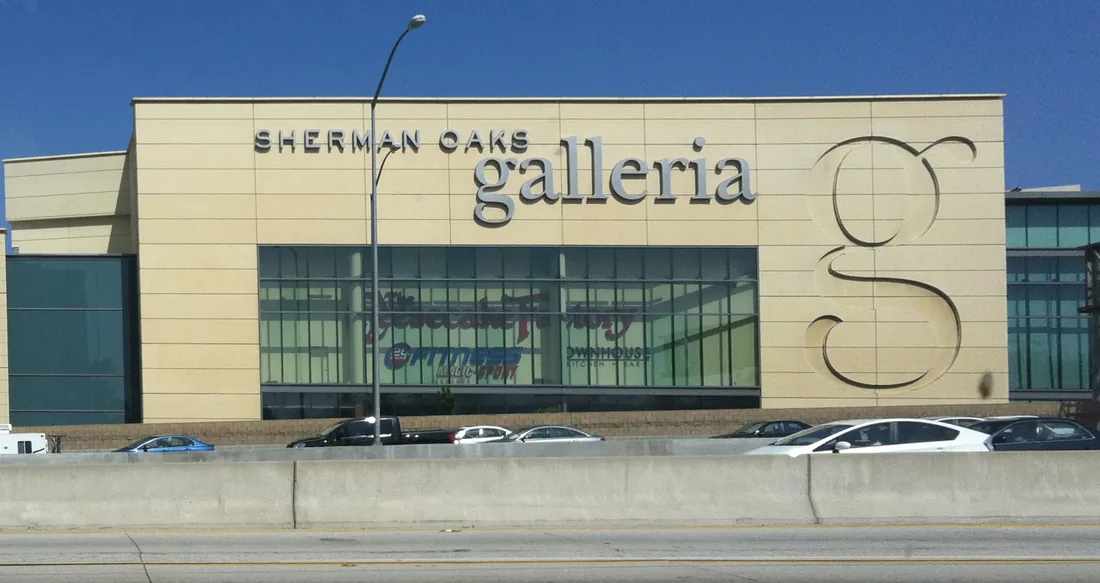

From the Galleria and Sepulveda
From the Sherman Oaks Galleria at Ventura and Sepulveda, the office is 4.0 miles west along Ventura Boulevard. When we checked Google Maps on a Sunday afternoon in November 2026, the trip took 14 minutes on the boulevard. Weekday rush hours run longer, so give yourself extra time for a morning appointment.
From Van Nuys Boulevard and Fashion Square
From the corner of Ventura and Van Nuys boulevards, Google Maps showed 4.8 miles and 16 minutes on the same Sunday check, again straight along Ventura. If you live closer to Westfield Fashion Square on Riverside Drive, the route usually drops down to the boulevard or hops on US-101 for a few exits.


Ventura Boulevard or the 101?
The freeway looks faster on a map but often isn’t for a trip this short. On that Sunday check, Google offered US-101 northbound as a third choice: 5.3 miles and 21 minutes, with a 9-minute slowdown, against 14 minutes on the boulevard. For a run of about four miles, getting on and off the freeway eats most of what it saves, and a slowdown wipes out the rest.


Parking at 18226 Ventura
CACVI’s contact page lists the Tarzana office’s parking as limited free on-site parking, with street parking as the backup. If you’re coming for a stress test or a long first visit, arrive a little early so a full lot doesn’t eat into your appointment.
By bus
Google Maps also showed a transit option from the Galleria to the office of about 26 minutes on that Sunday afternoon, compared with roughly an hour and a half on foot. If you don’t drive, or someone is dropping you off and picking you up later, check the trip in Google Maps or with LA Metro for your exact departure time.
When the Los Angeles office makes more sense
CACVI’s other nearby office is at 8741 Alden Dr, Suite A, Los Angeles 90048, phone 310-652-2744. From the Galleria, Google Maps showed 10.9 miles and 30 minutes over the hill on Benedict Canyon Drive on that same Sunday, and about 1 hour 12 minutes by transit. Of the two, Tarzana wins for nearly everyone who lives in Sherman Oaks. Alden Drive can make sense if you work on the Westside or near Beverly Hills and can fit a visit into the workday there. Parking at that office is in the Robertson Alden garage (Lot 703) at 141 Robertson Blvd, which CACVI’s contact page lists as free for the first two hours. That office is open weekdays only.
The physicians who read your tests in Tarzana
A test result is only as good as the person interpreting it, so it’s fair to ask who’ll be reading yours. CACVI’s Tarzana office page lists three physicians, and the practice’s bios and Providence’s physician directory back up the details below.
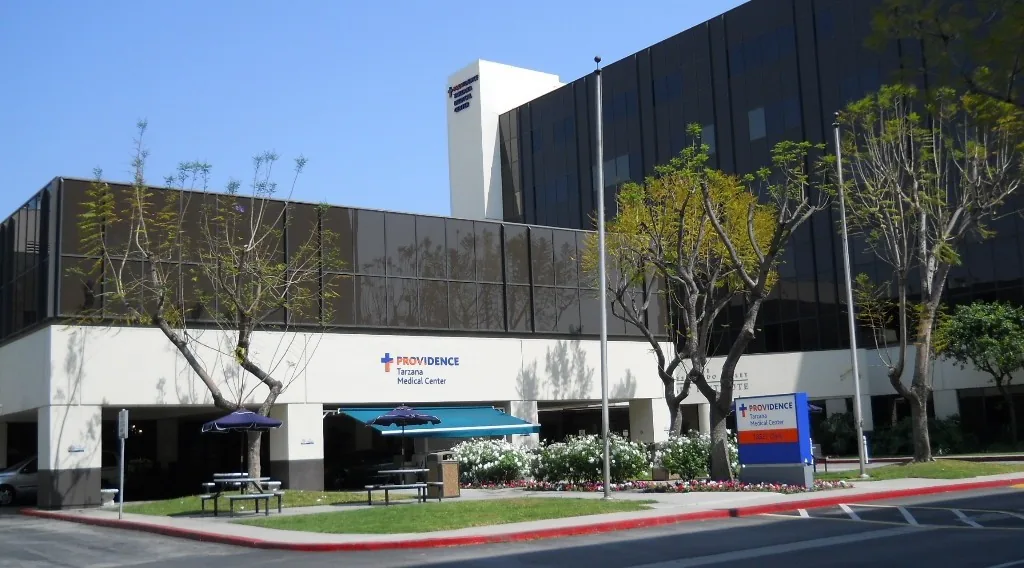

Dr. Mehran Khorsandi and the Tarzana cath lab
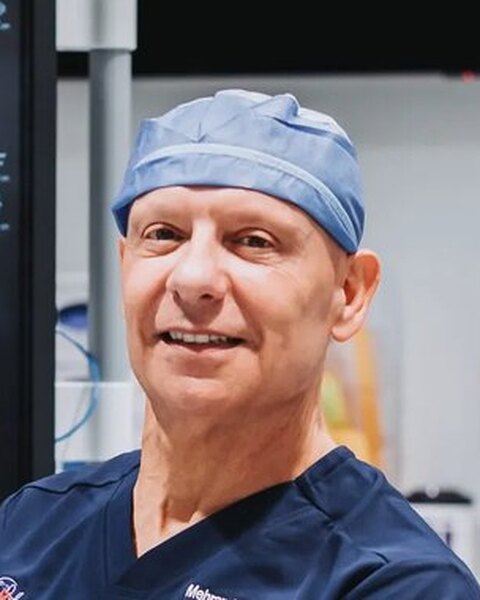
Dr. Khorsandi is an interventional cardiologist and endovascular interventionalist. His CACVI bio lists him as Cardiac Cath Lab Director at Providence Cedars-Sinai Tarzana Medical Center. He graduated from the University of Pennsylvania School of Medicine and trained in internal medicine and cardiology at Cedars-Sinai Medical Center, where he has been on the attending staff since 1993. Providence’s physician directory lists his practice locations as 8741 Alden Drive, Suite A, and 18226 Ventura Boulevard, Suite 102. That’s the Tarzana office, where Sherman Oaks patients can see Dr. Khorsandi.
Dr. Moinakhtar Lala reads echo, nuclear and vascular studies
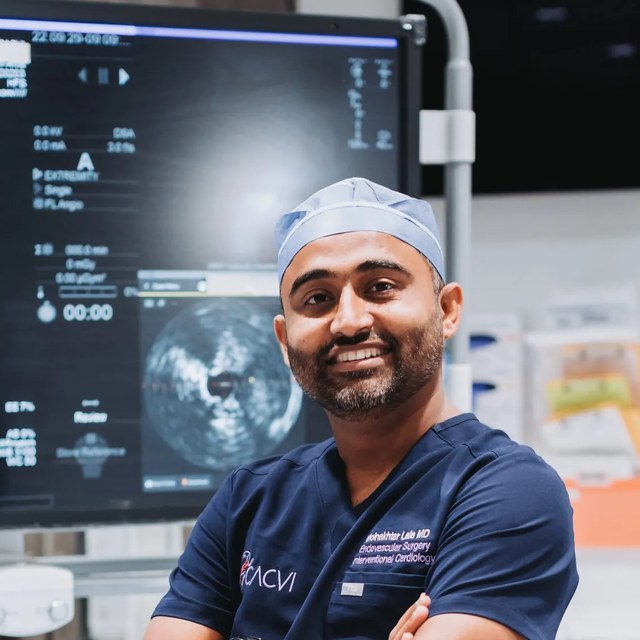
Dr. M. Lala joined CACVI in 2016 and started its Limb Salvage and Amputation Prevention Program. For a patient who comes in for testing, the useful line in his bio is the list of board certifications. Besides general cardiology, endovascular interventions and internal medicine, it includes echocardiography, nuclear cardiology and vascular ultrasound interpretation (RPVI). Those are the same studies described earlier on this page. Providence’s directory also lists him at the Tarzana address.
Dr. Vasim Lala’s work in prevention and vein procedures
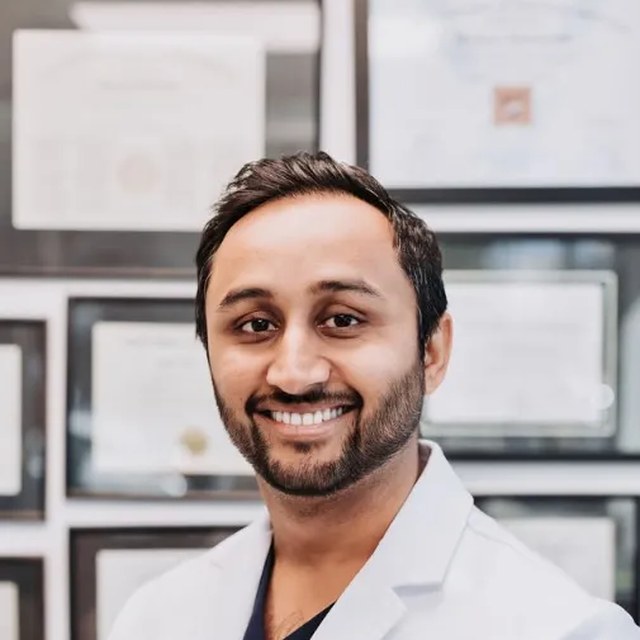
Dr. V. Lala joined CACVI in 2022 after interventional, endovascular and structural cardiology training at The Mount Sinai Hospital in New York. His bio describes a strong interest in preventive cardiology alongside minimally invasive heart and vascular procedures. He’s also a registered physician in vascular interpretation. Both he and Dr. M. Lala list vein ablations for symptomatic venous insufficiency among their procedures.
Two more details from the bios are worth knowing if you like to check a physician’s background. Dr. Khorsandi’s CACVI bio says he holds 50 US and international patents in interventional cardiology and co-founded a company that develops a bifurcation stenting platform. Dr. M. Lala’s bio lists publications on a trans-pedal approach for peripheral artery disease and on orbital coronary atherectomy through the wrist. Dr. V. Lala’s bio says he has written blog pieces for the American College of Cardiology and TCTMD.
For the wider list of studies and treatments, see CACVI’s diagnostic procedures and cardiac procedures pages.
Varicose vein treatment in Sherman Oaks starts with an ultrasound
If you need varicose vein treatment in Sherman Oaks, or want to know the cost of spider vein removal, you can ask here. That makes sense, because CACVI is a heart and vascular practice, and the same physicians care for leg veins. Leg pain and walking problems have their own page, Leg Pain and Vascular Doctor in Sherman Oaks. This section covers the vein questions that come up in a cardiology visit.
Why a heart practice looks after leg veins
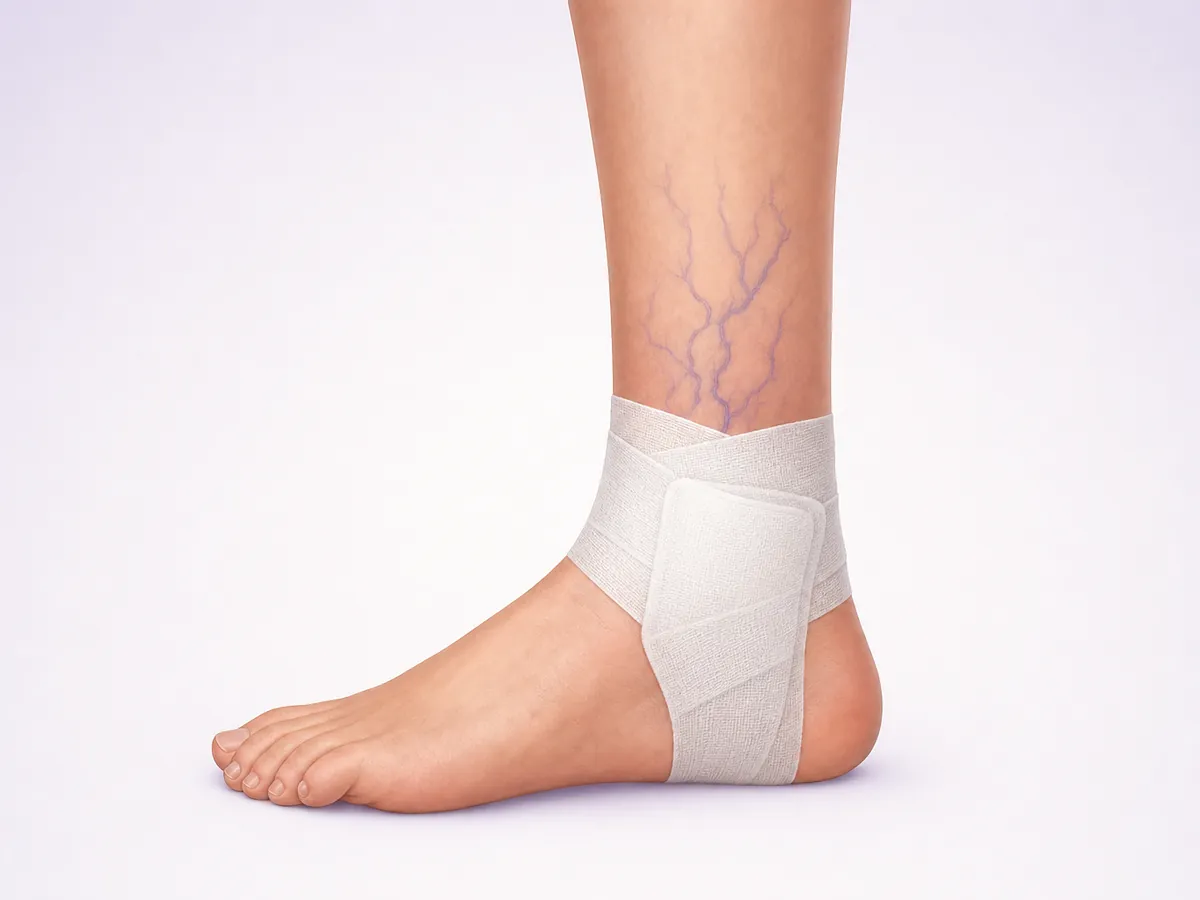
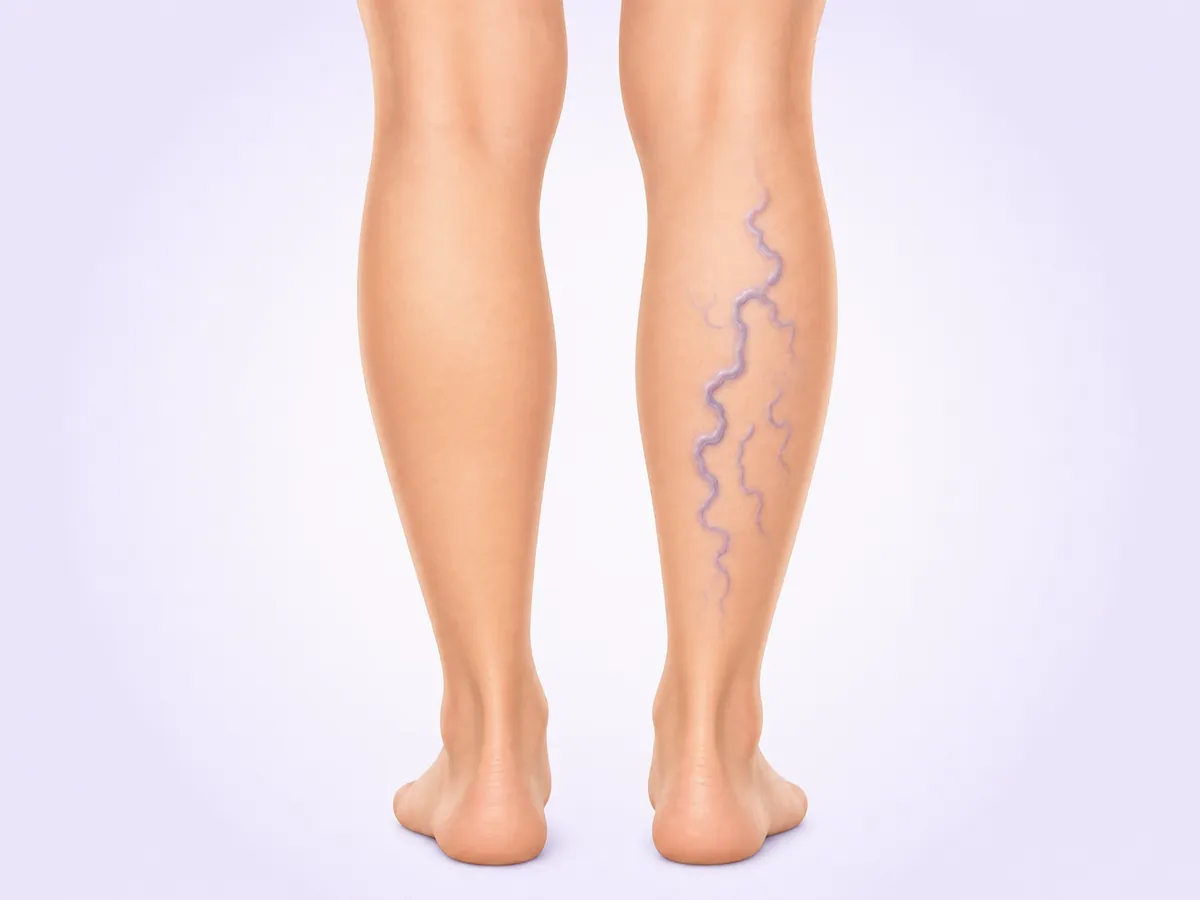
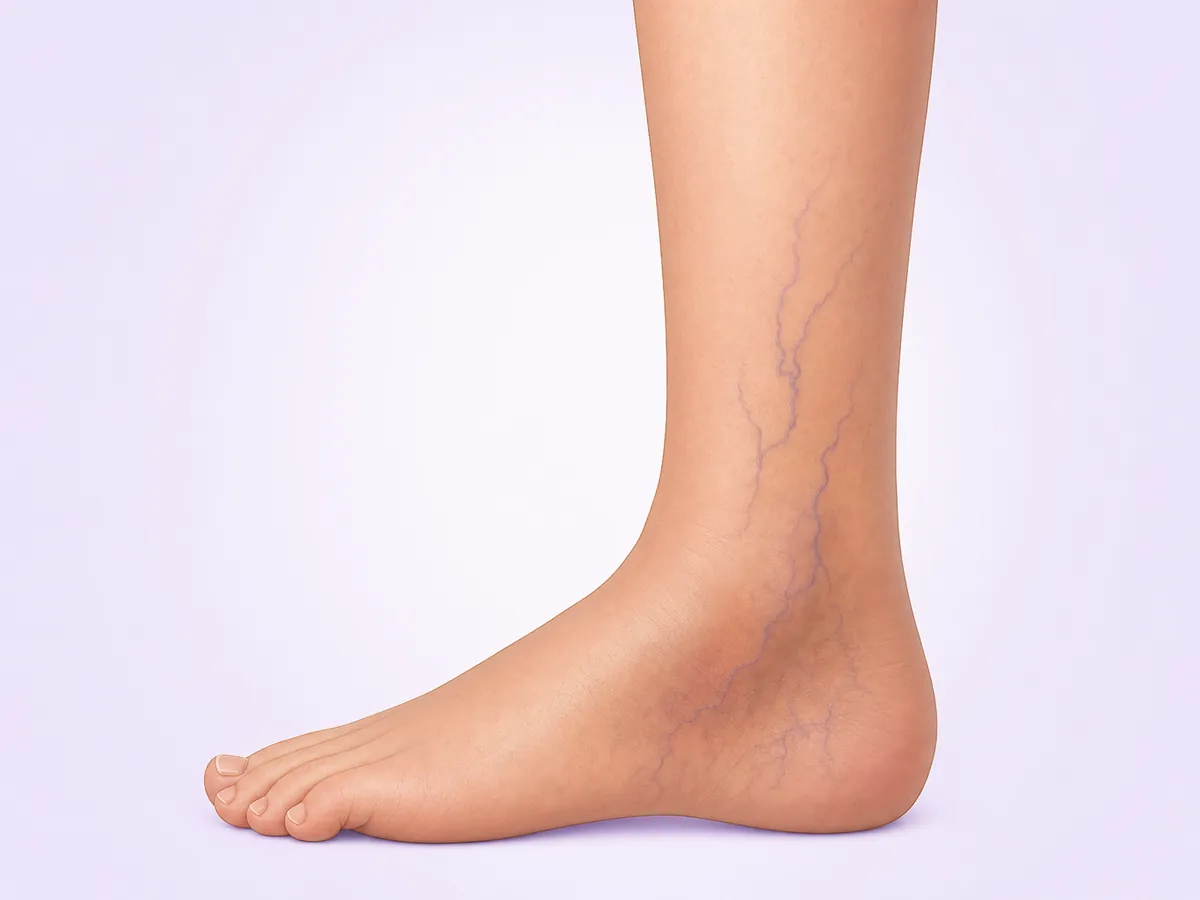
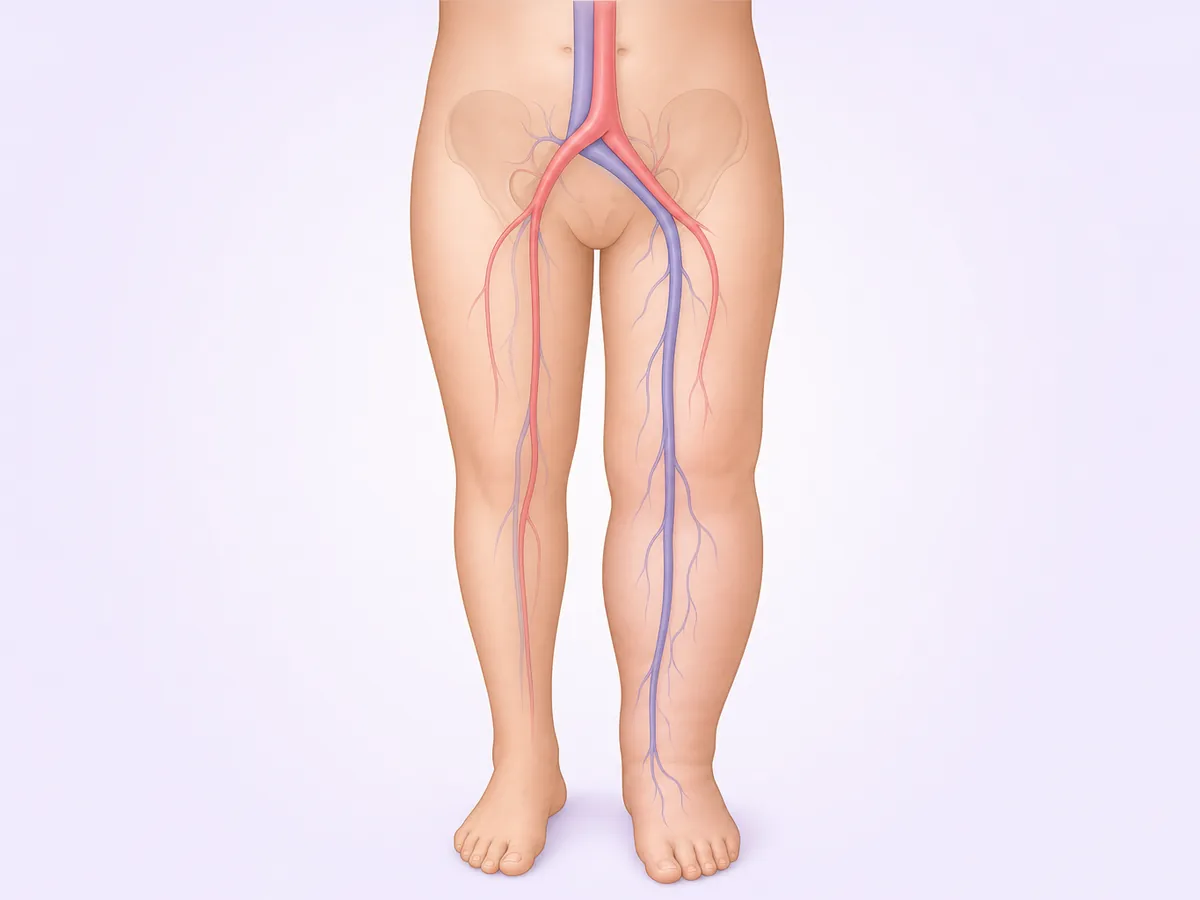
Varicose veins are a circulation problem. Valves inside the leg veins weaken, blood pools instead of flowing back toward the heart, and the veins stretch and twist. CACVI’s varicose veins page lists the signs that turn a cosmetic nuisance into a medical one: aching or heavy legs by evening, swelling around the ankles, itching, skin darkening near the ankle, a vein that turns hard and tender, and slow-healing sores. Those are the signs worth an appointment.
The duplex scan comes first
Before anyone treats a vein, a venous duplex ultrasound maps which veins are leaking and how badly. CACVI’s vascular ultrasound page describes it as painless, with no needles and nothing injected, and lists a specific study for venous insufficiency. The Tarzana office lists vascular ultrasound among its on-site tests, so the scan and the consultation can usually happen at the same office.
Radiofrequency ablation in the office
For larger varicose veins, CACVI’s vein treatment page describes endovenous radiofrequency ablation as one of its in-office procedures. The area is numbed, a thin catheter goes into the vein through a tiny opening, and heat from the catheter tip closes the vein as it’s withdrawn. The body reroutes blood into healthier veins. It’s done under local anesthetic, not in a hospital.
Swelling that needs a faster answer
Not every swollen leg is a varicose vein problem. Swelling in both ankles with breathlessness can come from the heart, as the heart failure section above describes. Swelling in one leg that comes on over a day or two, with pain, warmth, tenderness or redness, can be a deep vein clot. MedlinePlus lists those as signs of deep vein thrombosis and explains the danger: a clot can break loose and travel to the lung. A new one-sided swelling like that shouldn’t wait for a routine vein consultation. Get it checked the same day: call the office, and if you can’t be seen that day, go to an emergency department. If you’re also short of breath or have chest pain, call 911.
Spider veins and what they cost
Spider veins are the thin red or purple webs near the skin’s surface. CACVI’s spider vein page describes them as rarely dangerous and usually treated for appearance, with sclerotherapy (an injection that closes the vein so it fades over a few weeks) or laser. Cost depends mostly on how many veins and sessions are involved, and the page notes the same vein sometimes needs more than one injection. Because spider vein work is usually done for appearance, check with your plan before assuming it’s covered. Treatment for varicose veins that cause pain, swelling or skin changes is a medical question, so the ultrasound and the visit notes are what your plan will want to see. Ask the office for a quote after your evaluation, once the number of veins and sessions is known.
Legs heavy and swollen by evening. Ask for a venous evaluation when you call 818-905-5904. Mention any ankle swelling or skin changes so the office books the ultrasound with it.
Symptoms that can’t wait for a test date
CACVI is an outpatient practice that works by appointment. It isn’t an emergency room, and some symptoms shouldn’t wait for any appointment, however soon. On its heart attack warning signs page, the AHA starts with discomfort in the center of the chest, felt as pressure, squeezing or fullness, that lingers more than a few minutes or fades and returns. Pain can also show up in an arm, the jaw, neck, back or stomach. Shortness of breath can come with the chest discomfort or without it, and a cold sweat, nausea or lightheadedness can join in. The AHA adds that women may also have symptoms less often tied to heart attacks, such as nausea, vomiting, pain in the shoulder, back or arm, and unusual tiredness. For stroke, the MedlinePlus stroke page teaches the F.A.S.T. check: one side of the face sagging, one arm drifting down when both are raised, slurred or strange speech, and then the time to call 911.
Call 911 instead of driving yourself. The AHA notes that an EMS team can begin treatment when it arrives, and people with chest pain who come by ambulance may be treated faster at the hospital. In Sherman Oaks itself, Sherman Oaks Hospital at 4929 Van Nuys Blvd runs a 24-hour emergency department. The hospital’s site describes it as a Primary Stroke Center with a geriatric-accredited emergency department, and its main number is (818) 981-7111.
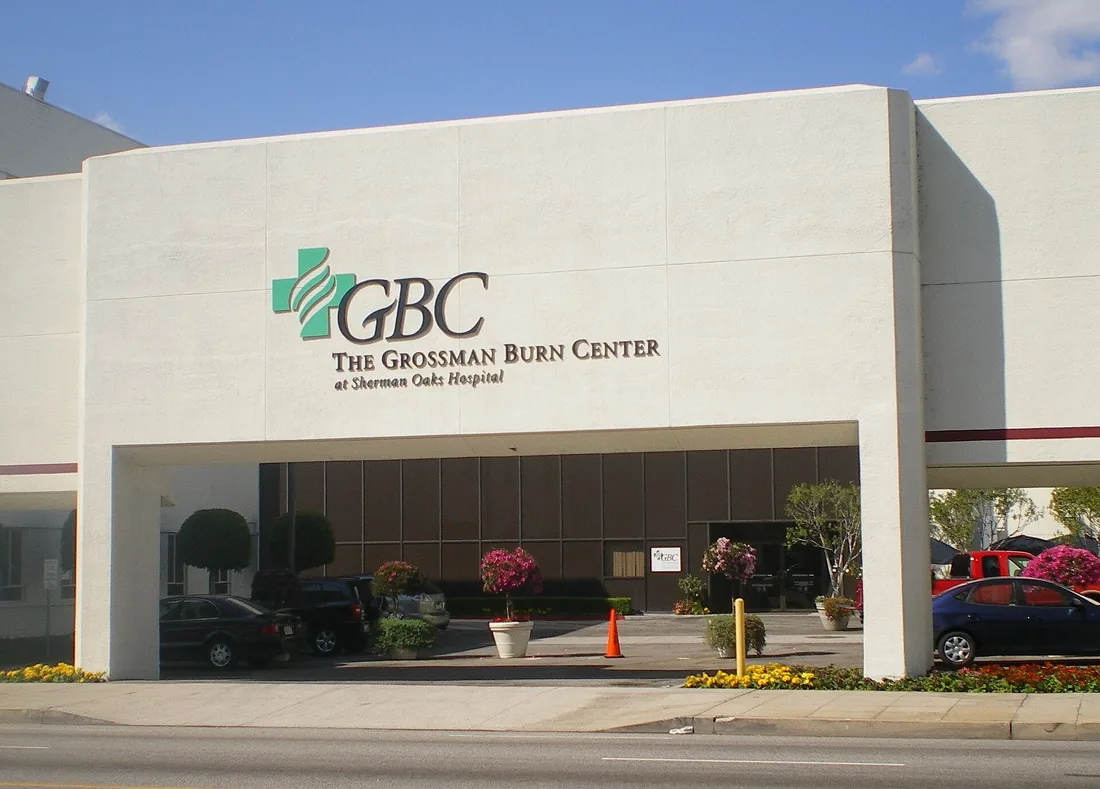

After any emergency visit, keep the discharge papers, EKG copies and lab results, and bring them to your follow-up. The cardiology visit picks up where the emergency department left off.
Questions Sherman Oaks patients ask
Is Tarzana the closest CACVI office to Sherman Oaks?
Yes. CACVI has three offices: Tarzana (18226 Ventura Blvd, Suite 102), Los Angeles (8741 Alden Dr, Suite A) and the High Desert office in Victorville (12441 Hesperia Road, #A5 and #A6, phone 760-706-7115). From Sherman Oaks, Tarzana is the shortest trip by a wide margin, and it’s the only one of the three that lists Saturday hours. The Victorville office serves the High Desert and isn’t a practical option from the Valley.
How often should a calcium score be repeated after a result of zero?
El Centro de 2019 ACC/AHA primary prevention guideline says that with a score of zero it’s reasonable to hold off on a statin and reassess in 5 to 10 years, as long as higher-risk conditions such as diabetes, a family history of early heart disease or smoking are absent. A repeat scan much sooner than that rarely changes anything for someone whose score was zero. If your risk picture changes in the meantime, for example a new diabetes diagnosis, the timing is worth revisiting.
My Lp(a) came back high but my LDL is normal. What does that mean?
Lp(a) is a separate, mostly inherited particle, so a normal LDL doesn’t cancel it out. The review of the 2026 cholesterol guideline in Life says an elevated Lp(a) should prompt earlier and more intensive control of the other risk factors, such as blood pressure, LDL and smoking. It also notes that no Lp(a)-lowering drug has yet shown a benefit on heart attacks or strokes in a dedicated outcome trial. Bring the lab report to your visit. The units (nmol/L or mg/dL) matter, and the review warns they can’t be converted directly.
What is an ankle-brachial index, and why would a heart doctor order it?
As CACVI’s peripheral vascular evaluation page explains, it compares the blood pressure at your ankle with the pressure in your arm. A low ratio points to narrowed leg arteries. The 2018 and 2019 ACC/AHA guidelines list an ABI below 0.9 among the risk-enhancing factors that can tip a cholesterol decision, because artery disease in the legs often travels with disease in the heart. The Tarzana office lists the test among those done on site, and it takes a few minutes with blood pressure cuffs.
How do I send records or outside scan reports before my visit?
Fax them to 310-967-2140 or email info@cacvi.org, and put your name and appointment date on the cover sheet. The new patients page also asks you to bring medical records and imaging studies, so carry a copy in case the fax hasn’t reached your chart yet. For a calcium score or CT done elsewhere, the written report is the most useful single page.
Is the Tarzana office open on Sundays?
No. The Google listing shows it closed on Sundays. If something comes up over the weekend that can’t wait until Monday, that’s an emergency department question, not an office one. Saturday, 8:00 a.m. to 4:30 p.m., is the weekend option.
Will my primary care doctor get my results?
Yes. The Tarzana office page says CACVI sends visit notes, test results and the treatment plan back to your primary care physician. Give the front desk your doctor’s name and fax number when you check in so the report goes to the right office. If you’re between primary care doctors, the same page says CACVI can still evaluate and manage your heart condition.
Is varicose vein ablation done under general anesthesia?
No. CACVI’s varicose veins page says ablation and the other vein procedures it lists are done in the doctor’s office with local anesthesia and little to no downtime, so most people get back to their daily routine quickly. Compression stockings, regular walking and raising your legs are the habits the same page suggests alongside treatment.
Does CACVI have women clinicians?
CACVI’s team includes three physician assistants: Jennie Pham, PA-C, Lindsay Okowita, PA-C and Ariel Bina, PA-C. The three physicians listed for Tarzana are men. If you’d prefer to see a woman clinician, say so when you book and ask which days one is at the Tarzana office.
Which hospital is closest to the Tarzana office?
Providence Cedars-Sinai Tarzana Medical Center, 18321 Clark St, Tarzana, CA 91356, main number (818) 881-0800. It’s about 0.4 miles from the office by road. Providence’s physician directory lists Dr. Khorsandi and Dr. Moinakhtar Lala there. In an emergency, paramedics still choose the hospital, so don’t plan a self-drive there for chest pain.
Can I get a calcium score without seeing a cardiologist first?
The scan needs a physician’s order, and RadiologyInfo.org describes it as a study a physician may recommend for people with risk factors but no symptoms. Your primary care doctor can be the one to order it. The value of a cardiology visit is in what comes after: matching the number to your 10-year risk, your Lp(a), your blood pressure and your family history, and deciding what changes. If you already have a score from elsewhere, bring the report and ask for the images on a disc or link.
Do I need to fast for a cardiology visit?
Not for an ordinary office visit. Fasting matters when a test that day calls for it, such as a calcium score or CT angiogram, or a light-meal rule before a stress test, and the office tells you when you book. If you have diabetes and a test needs fasting, ask how to handle your medication that morning.
What should I do with a ‘possible AFib’ alert from a smartwatch?
Treat it as a lead, not a diagnosis. Note the date, time and what you were doing, and export or screenshot the tracing if your device allows it. Then book a visit. A clinician still needs to confirm the rhythm on an EKG or a medical-grade monitor before deciding on treatment. An alert that arrives alongside fainting, chest pain, struggling to breathe or a drooping face is a 911 situation, not a booking.
Does a normal EKG mean my heart is fine?
It means the heart’s electrical pattern looked normal during that short recording. It doesn’t rule out narrowed arteries, which often show up only under stress, or a rhythm problem that comes and goes. That’s why a cardiologist may pair a normal EKG with a stress test, an echo or a home monitor, depending on what brought you in.
Neighborhoods next to Sherman Oaks with their own CACVI page
El Centro de Los Angeles Times’ Mapping L.A. project lists Encino, Studio City, Van Nuys and Brentwood among the neighborhoods that border Sherman Oaks. Each has its own CACVI cardiology page:
- Cardiologist in Encino, the stretch of Ventura Boulevard between Sherman Oaks and the office
- Cardiologist in Studio City, across the eastern edge
- Cardiologist in Van Nuys, to the north
- Cardiologist in Brentwood, over the Sepulveda Pass
The office itself has its own page, Cardiology in Tarzana. For an overview of the first heart visit, see Evaluación cardíaca.
Google reviews of CACVI’s offices
These Google reviews come from patients at all three CACVI offices, not only Tarzana. Each card shows which office it’s about.
Sources behind this page
| Source | Publisher | Used for |
|---|---|---|
| 2026 ACC/AHA Guideline on the Management of Dyslipidemia | ACC / AHA (Circulation) | Current US cholesterol guideline; replaced the 2018 version. |
| ACC/AHA Issue Updated Guideline for Managing Lipids, Cholesterol | American Heart Association newsroom, March 13, 2026 | PREVENT risk bands, who should get a calcium score, Lp(a) and LDL goals. |
| The 2026 ACC/AHA Dyslipidemia Guideline: a critical perspective | Life (Basel), 2026 | Summary of the guideline’s calcium score, Lp(a) and ApoB recommendations. |
| Impact of the 2026 Dyslipidemia Guideline in MESA | JACC: Advances, 2026 | New PREVENT risk bands and event rates by calcium score. |
| 2019 ACC/AHA Guideline on the Primary Prevention of Cardiovascular Disease | ACC / AHA (Circulation) | Reassessment interval after a calcium score of zero; ABI as a risk enhancer. |
| Cardiac CT for Calcium Scoring | RadiologyInfo.org (ACR / RSNA) | How the scan is done, preparation, score grades, insurance note. |
| 2025 AHA/ACC High Blood Pressure Guideline | AHA / ACC (Circulation) | Replaced the 2017 blood pressure guideline. |
| Understanding Blood Pressure Readings | American Heart Association | Blood pressure categories and the 180/120 steps. |
| Angina (Chest Pain) | American Heart Association | Angina types, causes and treatments. |
| Warning Signs of a Heart Attack | American Heart Association | Heart attack symptoms and why to call 911. |
| Sherman Oaks Hospital | Sherman Oaks Hospital | 24-hour emergency care and Primary Stroke Center. |
| Dr. Mehran Jacob Khorsandi | Providence physician directory | Practice locations, including 18226 Ventura Blvd, Suite 102. |
| Mapping L.A.: Sherman Oaks | Los Angeles Times | Sherman Oaks is a City of Los Angeles neighborhood; its bordering neighborhoods. |
| CACVI: Contact Us | CACVI | Office addresses, phone, fax, parking. |
Call the Tarzana office or request a visit online
To book a calcium score consultation, a stress test, an echo or a first visit with a cardiologist, call CACVI – San Fernando Valley at 818-905-5904, Monday to Friday 8:30 a.m. to 5:00 p.m. or Saturday 8:00 a.m. to 4:30 p.m. You can also request an appointment online. If you have earlier test results or discharge papers, have them ready when you call. For chest pain, stroke signs or a blood pressure above 180/120 with symptoms, call 911.
¿Listo para hablar?