









Evaluación cardíaca
Are you searching for a cardiologist close to Torrance?
The pain may have stopped. You’re still standing there with a stack of discharge papers, and that can feel unfinished. An EKG result. A troponin number. A note that says you should get more evaluation. If you live in Torrance and you’re looking for a cardiologist, start with a simple split: what did the emergency visit already answer, and what’s left for outpatient care?
CACVI offers cardiac evaluation through its published practice offices. It doesn’t list a Torrance office. For a non-emergency consultation, the Los Angeles location is 8741 Alden Dr, Suite A, Los Angeles, CA 90048, reached at 310-652-2744. Get the destination straight before you arrange travel from the South Bay. CACVI contact details.
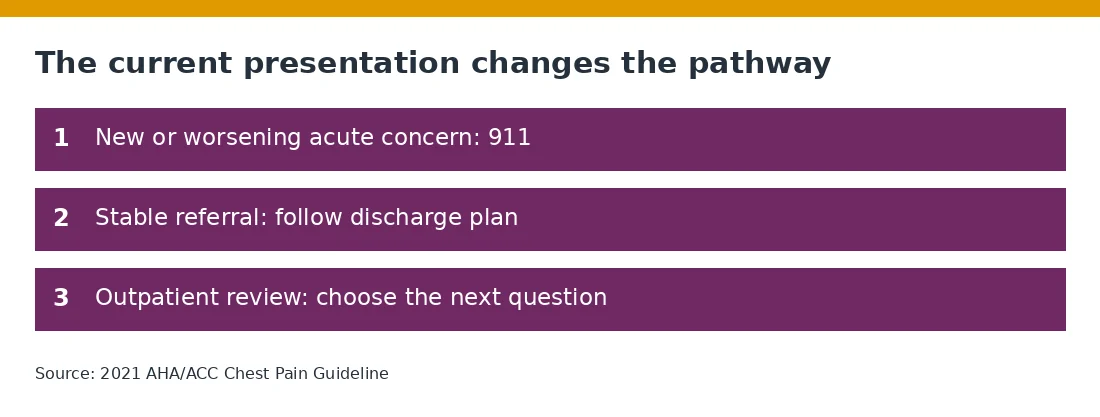
New, persistent, or worsening chest symptoms shouldn’t wait for a routine cardiology appointment. Call 911 for an acute concern. The 2021 AHA/ACC chest-pain guideline separates acute evaluation from stable outpatient assessment. A previous discharge doesn’t settle a different episode.
Torrance chest-pain follow-up at a glance
| Item to distinguish | Meaning for the next step | Primary source |
|---|---|---|
| Acute versus stable symptoms | The setting for assessment depends on the current presentation. | Chest-pain guideline |
| ECG and troponin | These measure different aspects of a possible acute event. | Chest-pain guideline |
| Coronary CT versus stress imaging | Anatomy and functional response answer different questions. | Chest-pain guideline |
| Torrance Memorial emergency department | A local hospital resource at 3330 Lomita Blvd, Torrance, CA 90505. | Hospital emergency service |
| STEMI receiving center | The hospital publishes this emergency cardiac designation. | Hospital emergency service |
| Mary K. Giordano Regional Transit Center | Torrance Transit identifies its regional transfer facility. | Municipal transit information |
Reading an emergency evaluation without drawing the wrong conclusion
An ECG is one part of the acute assessment
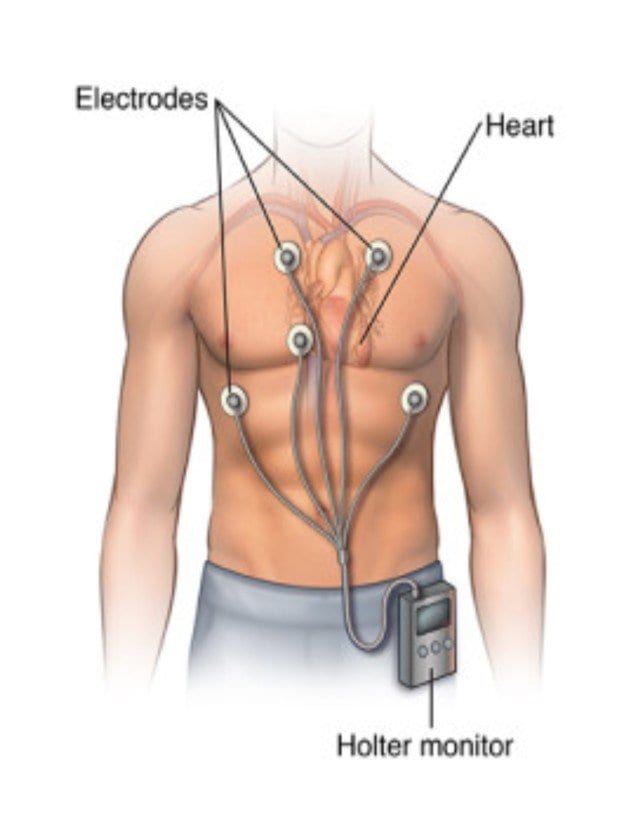
An ECG, also called an EKG, is just the tracing taken from electrodes during that one recording. It documents the heart’s electrical signals at that moment. The chest-pain guideline wants that tracing promptly. What it doesn’t do is treat a single nondiagnostic strip as proof that acute coronary syndrome is off the table. The people who saw you put that tracing next to your symptom history, the exam, and whatever else was found.
If the Torrance hospital paperwork says the ECG was normal or nonspecific, keep the actual report. Telling the next clinician you had a “normal heart test” doesn’t explain what was checked. And an old tracing doesn’t clear a new episode of chest pressure. That’s why the outpatient conversation should start with what happened, and when, not with one reassuring word from a prior result.
Troponin interpretation depends on the clinical setting
Cardiac troponin is a blood marker used when someone is being evaluated for myocardial injury. How you read it depends on more than the number on the printout. Serial testing matters, and so does the timing of symptoms. The AHA/ACC guideline prefers high-sensitivity troponin where it’s available, and it describes pathways that fold in the clinical picture instead of hanging everything on one isolated value.
Bring the discharge report to follow-up, and include the laboratory reference information if you were given it. Looking up two examples on the internet won’t tell you whether your assay used the same threshold. Nobody here can hand you a universal troponin cutoff, or reread your lab result from afar.
Discharge instructions identify what remains unresolved
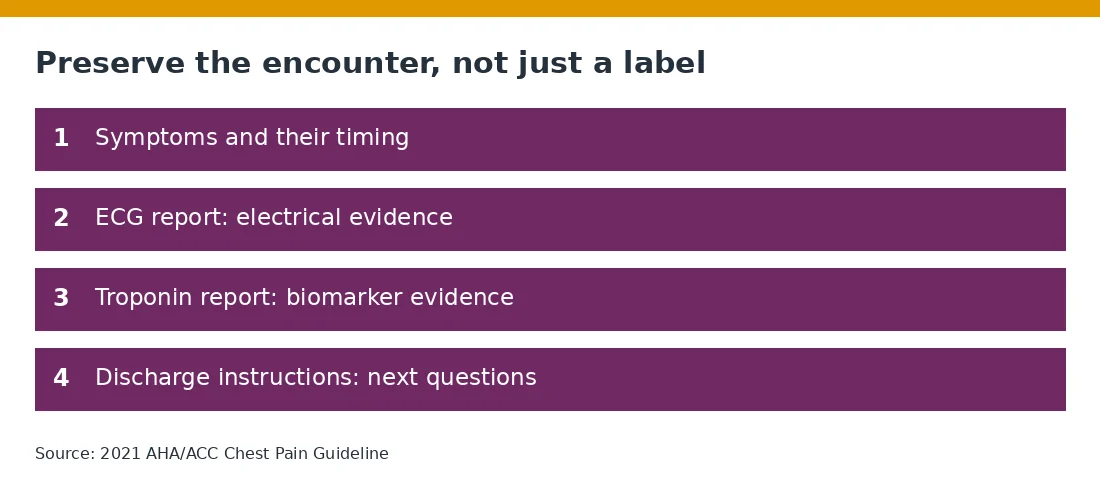
The emergency visit was about urgent risk at that moment. If they recommended a cardiologist, it may be because the symptoms still need a closer look, because you already have known coronary disease, or because a test was discussed for the outpatient setting. Read the plan they actually wrote. A generic interval you found online isn’t a substitute.
Pull out the details that will help the next clinician understand the episode:
- What you were doing when it began.
- Where the discomfort sat.
- How you described it to the emergency team.
- Whether breathing, movement, or exertion changed it.
- Associated symptoms documented at the time.
- The tests listed on the discharge summary.
- New prescriptions or medication changes.
- The written follow-up and return instructions.
That’s a way to organize the record, not a diagnostic checklist. It keeps the information needed to discuss the hospital’s plan, without inventing what happened during your visit.
A risk category is not a lifetime prediction
The guideline uses structured risk assessment to select testing and disposition. A low-risk classification for one encounter doesn’t mean later symptoms are harmless. And an outpatient referral doesn’t mean surgery is inevitable.
If you live in Torrance and have a non-emergency referral, request a review of the hospital findings. Include the reason written on the discharge sheet. Don’t use a routine request form to report symptoms that need immediate attention.
Your first cardiology appointment if you live in Torrance
Coronary CT examines the arteries’ anatomy
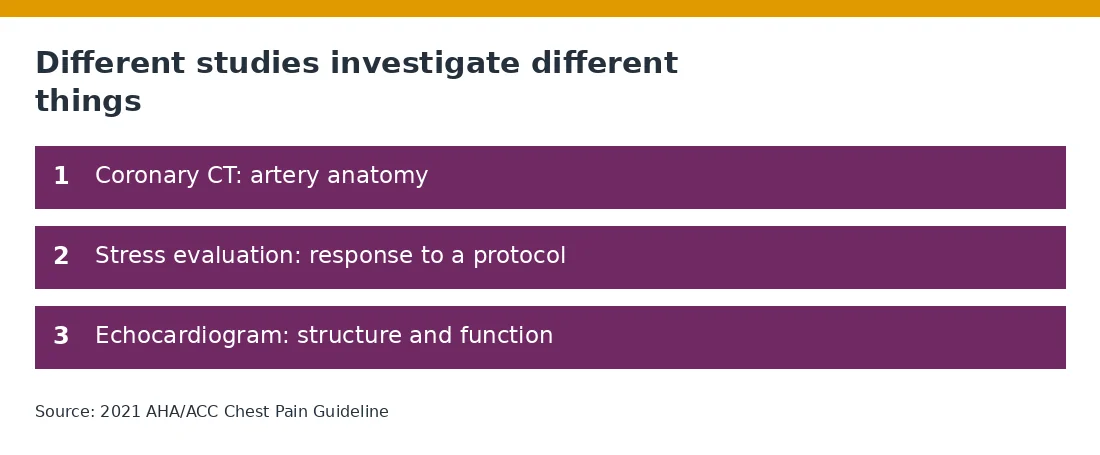
In some patients, coronary CT angiography is used to look at the anatomy of the arteries. That isn’t an exercise test, and it isn’t the automatic next step after every ER visit. The chest-pain guideline ties the choice to clinical risk, to prior testing, and to the setting you’re in.
If a study is being proposed, ask what it would actually change in your care. Copying a test name off someone else’s discharge paperwork doesn’t make it the right test for you. When it’s really scheduled, the instructions for that exam will cover availability and preparation. Guessing from a service article won’t.
Stress testing explores a different kind of evidence
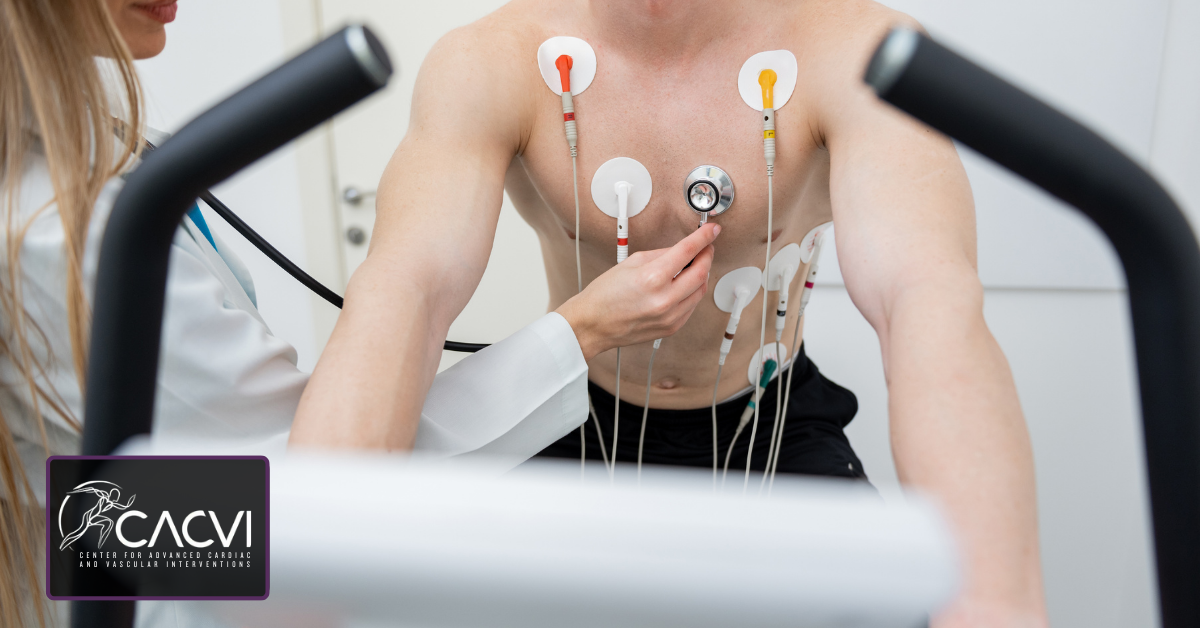
Stress testing is a different kind of evidence. It looks at how the heart responds under a chosen protocol, and there is more than one way to do it. The guideline talks about patient factors that affect which method is usable. So if you can’t walk on a treadmill, say that. It’s useful information, not a reason to conclude that cardiac assessment is off the table.
CACVI publishes information about cardiac evaluation. You still won’t find a treadmill booking here, or a fasting rule, or advice to skip a pill. Those directions come with the actual test, and with the clinical instructions written for it.
An echocardiogram has its own purpose
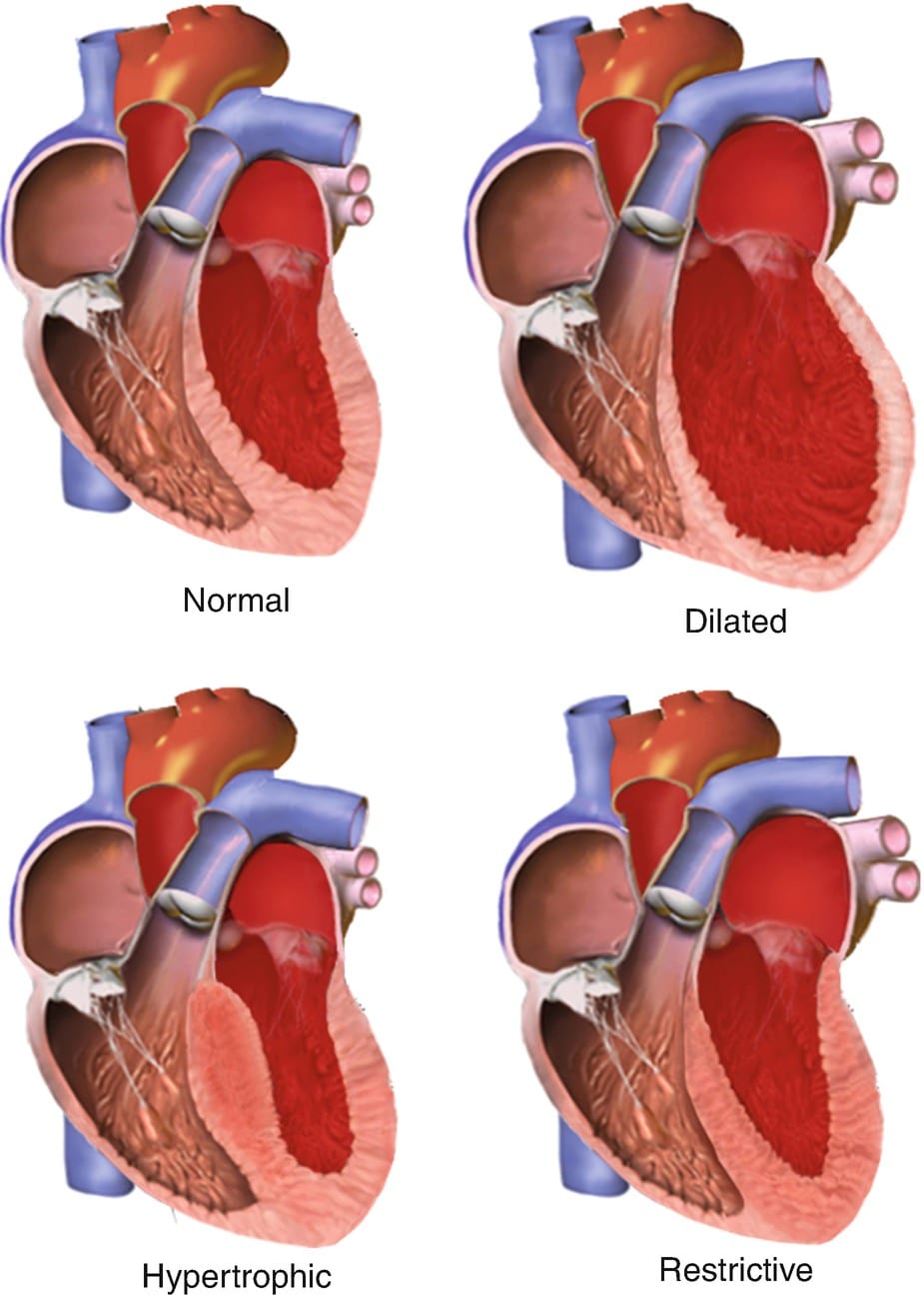
Unlike coronary CT, echo relies on sound waves to show chamber structure and pumping. It doesn’t provide the same information as coronary CT. A referral for a murmur, or a concern about pumping function, raises a different question from suspected acute coronary blockage.
Keep prior echo reports available so the clinician can see what was actually measured. The existence of an older study doesn’t prove that another is unnecessary, or that another is required. That decision belongs with the current findings, not a fixed test schedule invented for all South Bay patients.
Coronary disease can exist without an obstructive finding
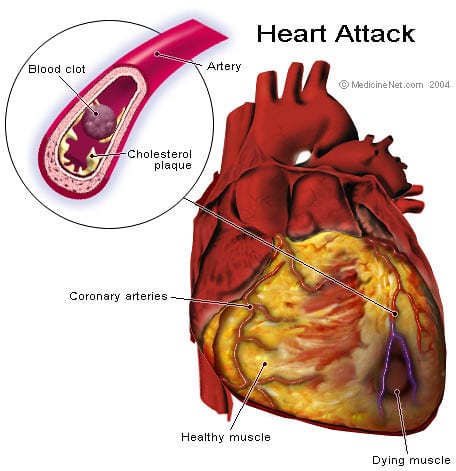
The guideline recognizes nonobstructive coronary artery disease, and the need for appropriate risk management. “No major blockage” and “no cardiovascular issue” aren’t identical conclusions. Some people still need further evaluation of persistent symptoms, even after an earlier anatomical finding.
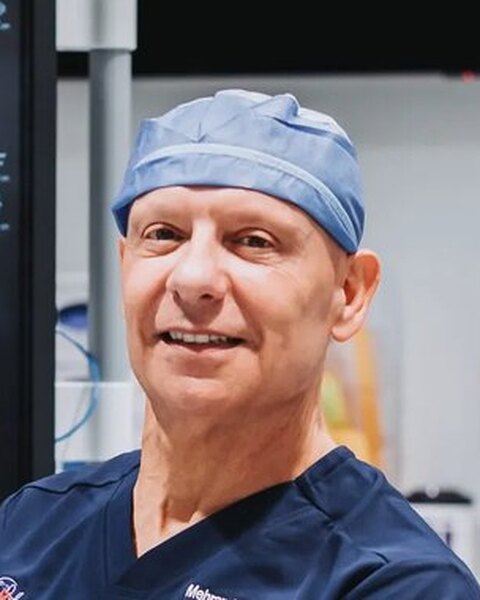
If you want a documented physician background, Dr. Mehran Khorsandi’s published bio includes coronary intervention experience, including bifurcation disease and high-risk angioplasty. That supports discussing coronary disease within CACVI’s scope. It doesn’t predict a procedure, put him in Torrance, or promise a result.
Other terms on a South Bay cardiac referral
A referral may name a service rather than the symptom that led to it. These published CACVI resources can help you identify the subject of the request, without assuming that a procedure will happen at an office visit:
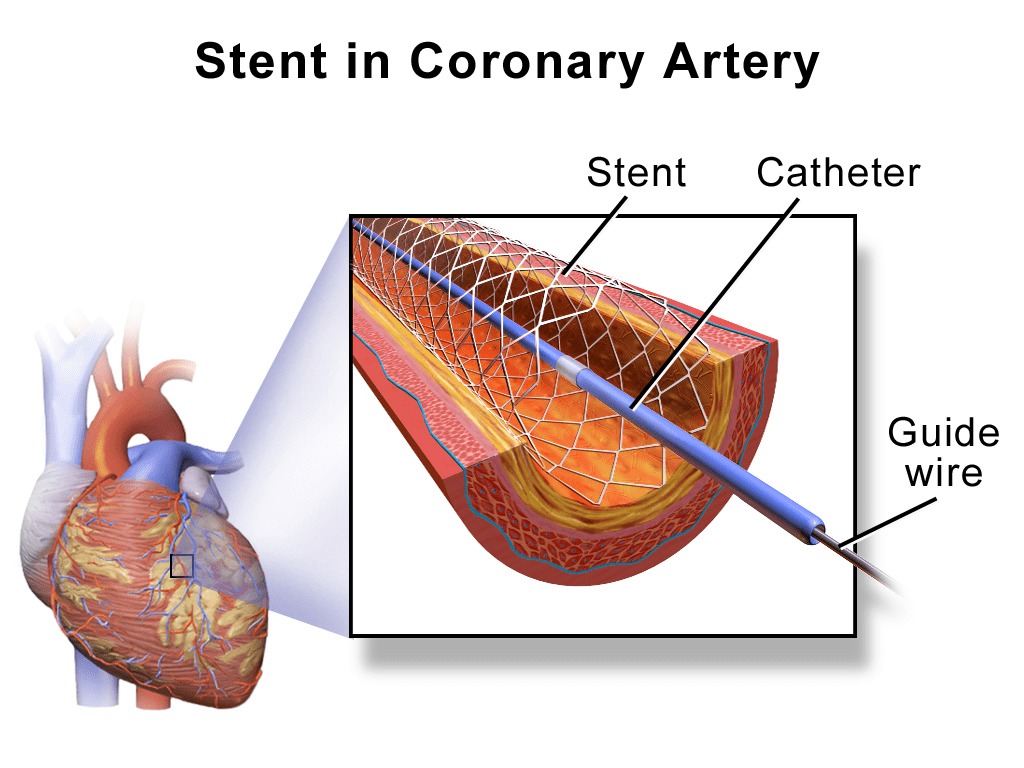
- Interventional cardiology and cardiac stents: coronary artery stenting.
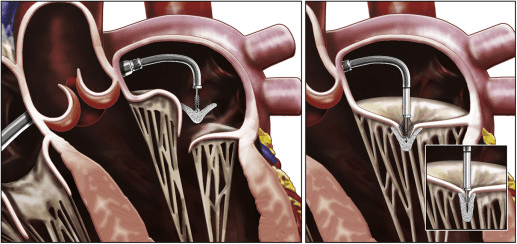
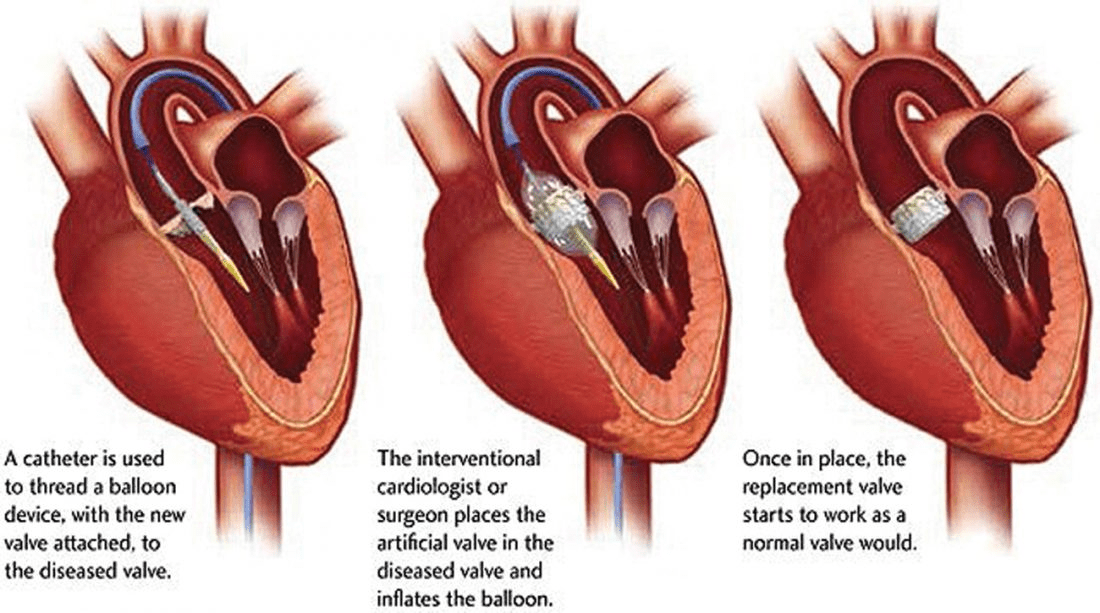
- Structural and valvular heart disease: structural heart procedures and mitral valve disease.
- Cardiac imaging: the practice descriptions of echocardiography and coronary CT linked above.
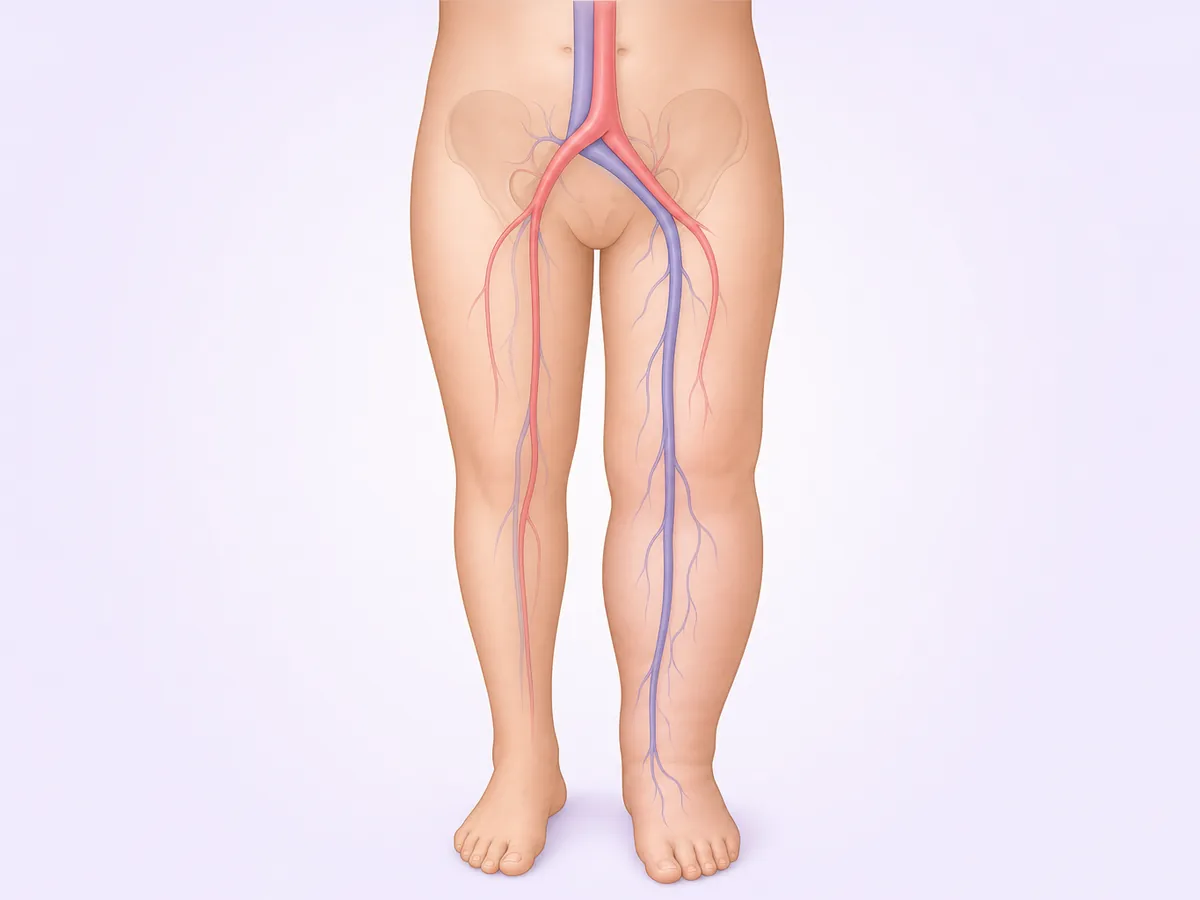
- Peripheral vascular assessment: arterial evaluation and vascular ultrasound.
- Spider vein treatment: its own peripheral-procedure description, not a diagnosis based on a chest-pain episode.
If cardiac ablation appears in a recommendation, keep the diagnosed rhythm and the original recommendation for discussion. CACVI’s heart-arrhythmia resource supplies background. It isn’t a promise of an office ablation appointment. A request for cardiac preoperative clearance also identifies a distinct consultation purpose. This page can’t certify fitness for an operation, or decide which investigation a surgical patient needs.
These are service descriptions. They aren’t evidence of a Torrance operating room, a particular physician assignment, or an insurance authorization. They let the outpatient discussion start with the right question, instead of turning every named procedure into a booking request.
Hospital records, South Bay transit, and getting them to the practice
Know what Torrance Memorial’s designation establishes
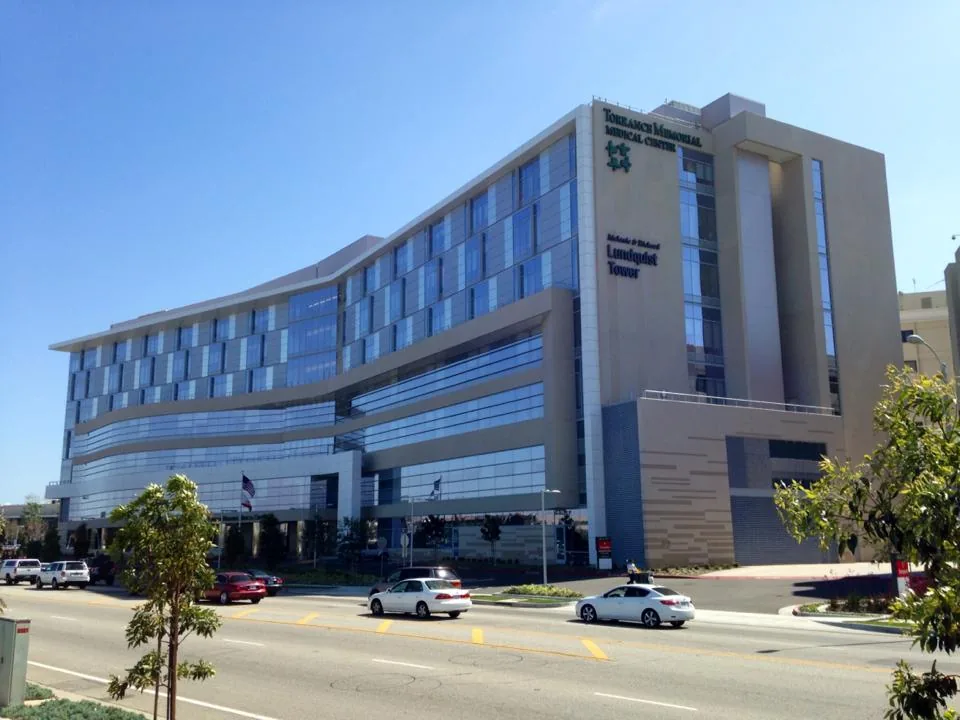
The hospital’s emergency service page describes its STEMI receiving-center role and its round-the-clock emergency department. The listing points to a nearby hospital resource for acute care. It doesn’t identify the nearest hospital to every reader, and it isn’t an affiliation claim by CACVI. When you call for an emergency, the responding team picks the destination.
Its directions distinguish dropping a patient at the emergency entrance from finding visitor parking. Those instructions apply to the hospital campus. Don’t use them as parking directions for an outpatient appointment in Los Angeles.

Plan travel around the verified office destination
Torrance Transit publishes routes and the regional transit-center information. Start from your own location. Then look at transfers, and at the walking portion near the published practice address. No single bus, driving time, or fare is asserted here for a South Bay-to-Los Angeles appointment.
The CACVI appointment page describes Los Angeles parking, including the Robertson Alden facility and other options. Consult that office arrival information when you have the actual appointment destination. Hospital parking and outpatient parking are separate tasks.


Preserve the originating record
El Centro de practice’s arrival checklist is separate from the South Bay emergency encounter. Keep the hospital handoff material organized as described below. Obtain the discharge summary, and the relevant reports, from the institution that created them. The referring clinician’s recommendation can identify the reason for the visit. It doesn’t make every hospital record automatically accessible at a different practice.
Keep the documents grouped by encounter, rather than mixing a recent ER result with an older, unrelated study. That’s especially helpful if you’ve been evaluated at more than one South Bay facility. No turnaround time for a record release is promised.


State a vascular concern without confusing it with the chest-pain referral
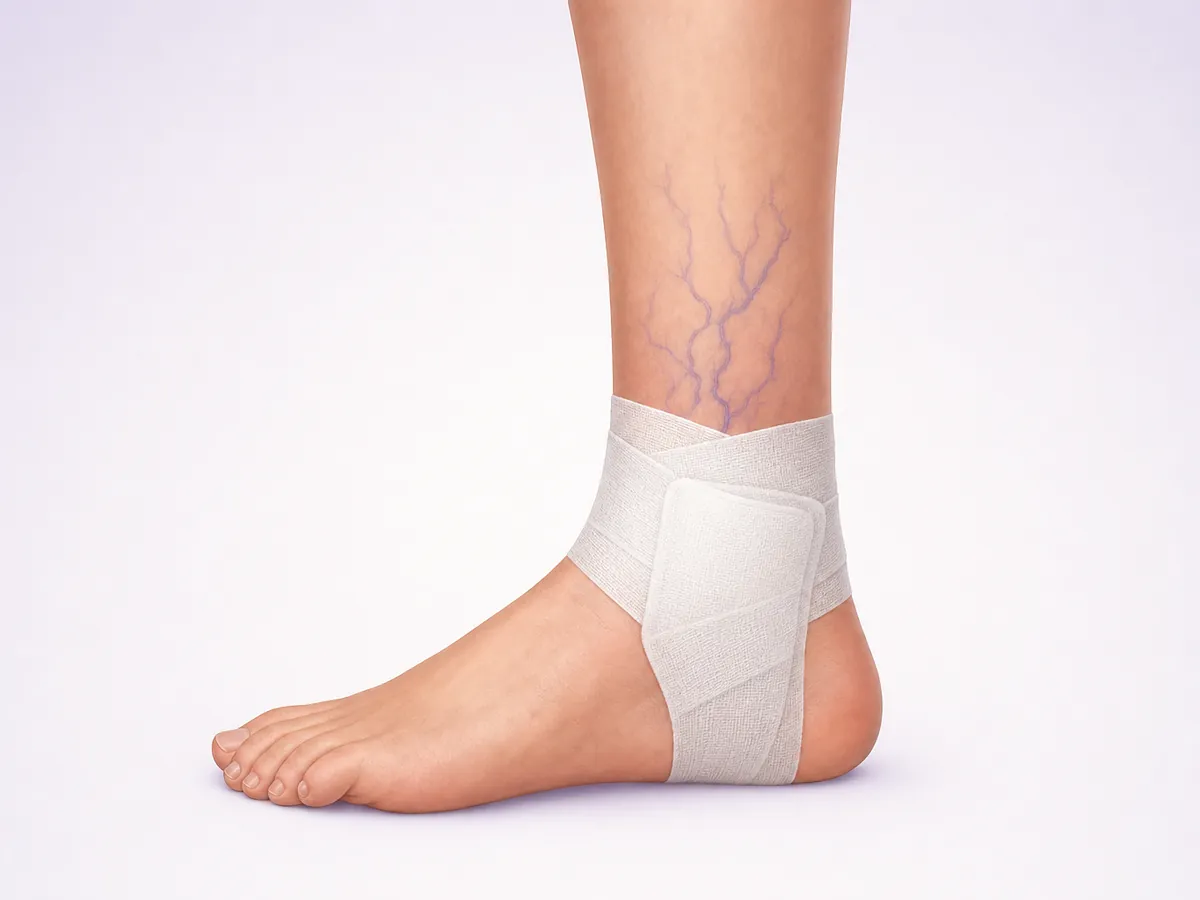
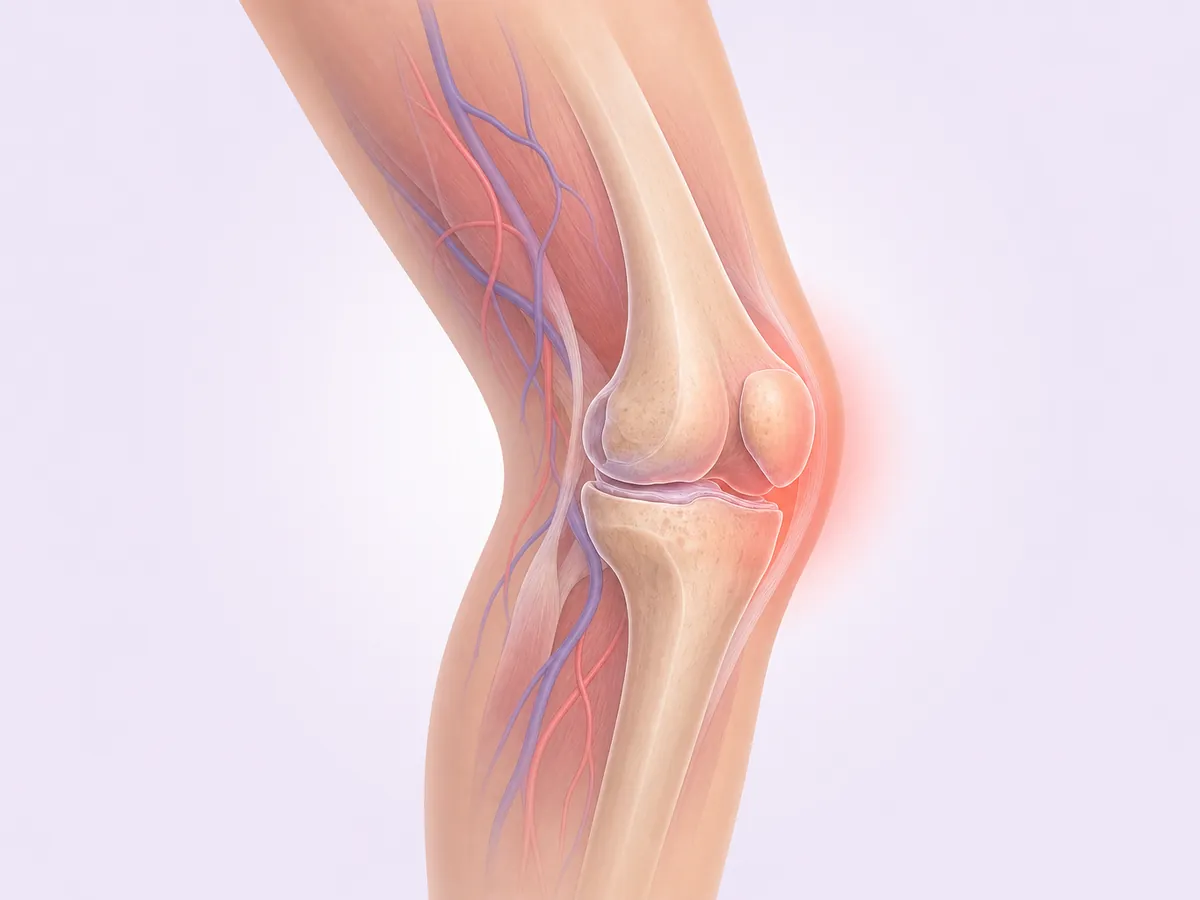
Some Torrance searches concern a vein doctor, spider vein treatment, or leg pain rather than coronary symptoms. CACVI’s vascular condition hub is the right starting point for those services. A request for vascular evaluation isn’t evidence that knee, ankle, or foot pain has a vascular cause.
El Centro de peripheral artery disease page addresses arterial disease. It’s separate from this post-ER chest-pain discussion. That keeps the service intent clear, without claiming that a cardiology consultation in Los Angeles is a Torrance vein clinic.
Follow-up questions that discharge paperwork may not explain
Does the word “chest pain” include pressure or tightness?
If it felt like pressure or tightness, that still counts. The guideline’s idea of “chest pain” is broader than a sharp stab, and it can include discomfort too. Tell the clinician what it actually felt like, even if the word “pain” doesn’t quite fit. Clinical guideline.
Can discomfort outside the chest still be relevant?
It doesn’t have to sit only in the chest. The guideline also discusses symptoms in the shoulders, arms, neck, back, upper abdomen, or jaw. Location alone won’t tell you the cause, so don’t use this list to talk yourself out of care if something acute and concerning starts. Get it assessed. Guideline.
Is the term “atypical” reassuring?
Don’t relax just because a note says “atypical.” The guideline actually discourages that word as a way of waving symptoms off, and it prefers a more precise description. If it already appears in an old chart, hang on to how the symptoms themselves were described. Terminology guidance.
Should a woman describe associated symptoms as well as pain?
Yes, mention them. The guideline specifically notes accompanying symptoms such as nausea and shortness of breath, and it warns against underdiagnosis. A list on a service page still can’t decide what your episode was. Chest-pain recommendations.
Does a prior bypass operation change the evaluation context?
If you’ve had a coronary bypass, say so. That history is relevant to the assessment pathways in the guideline, so bring the operation and follow-up information if you have it. Advice written for someone without known disease may not carry over unchanged. Guideline.
Is every low-risk patient sent for urgent additional testing?
Not every low-risk patient is sent for urgent extra testing. The guideline allows that testing to be deferred after an appropriate assessment. That’s the clinician’s call, though, not a reason to skip a test someone has already ordered for you. Risk pathways.
Why would a clinician discuss test tradeoffs?
Sometimes two testing paths are both reasonable, and that’s when a real conversation helps. Shared decision-making can walk through the risks, the benefits, the costs, and the other options, so you’re not just agreeing to a name on a form. AHA/ACC recommendations.
Is a calcium score identical to a coronary CT angiogram?
No. A calcium score is not a coronary CT angiogram, even though both names mention CT. The guideline treats them as two different approaches, used in selected settings. If you book one, don’t assume you’ve arranged the other. Guideline.
Could an inconclusive test require a different evaluation?
If a prior test came back inconclusive, that limitation is part of the story. The guideline has pathways for inconclusive or abnormal earlier studies. Don’t tidy “inconclusive” into “negative” when you retell it; that change can scramble the handoff. Testing pathways.
Does previous heart disease remove the need to describe current symptoms?
Previous heart disease doesn’t let you skip the new symptoms. Known coronary disease belongs in the risk assessment, sure, but it doesn’t automatically explain every fresh episode. The guideline looks at both. Clinical assessment.
Where can I read CACVI’s coronary CT information?
The practice maintains a coronary CT angiography page. Its description is a reference for discussing an ordered study, not evidence that every discharged patient needs that examination.
Can this page certify that I am safe to exercise after discharge?
No. Nobody can certify your exercise plans from a service-area article. Use the activity and return instructions you were given for that encounter, and ask the treating team if you’re unsure.
Set up a cardiology visit from Torrance
Continue to Redondo Beach, Carson, Lomita, Palos Verdes Estates or Rolling Hills Estates. These are service-area resources. Consult the cardiac evaluation overview when the referral concerns a broader outpatient assessment rather than this post-ER question.
References for South Bay chest-symptom decisions
| Source | Publisher | What it covers |
|---|---|---|
| 2021 AHA/ACC Guideline for the Evaluation and Diagnosis of Chest Pain | American Heart Association / American College of Cardiology | Clinical practice guideline with recommendations and algorithms for evaluating and diagnosing chest pain in adults. |
| CACVI: Appointments | CACVI | Office addresses, phone numbers, parking notes, and how to request a visit. |
| CACVI: New Patients | CACVI | Registration form and a checklist of what to bring to a first visit, including insurance card and medical records. |
| CACVI: Cardiac Evaluation | CACVI | Explains what a cardiac evaluation includes, starting with a physical examination and medical history. |
| CACVI: Dr. Mehran J. Khorsandi | CACVI | Published biography and credentials for Dr. Mehran J. Khorsandi, M.D. |
| Torrance Memorial: Emergency Care | Torrance Memorial | How to arrive at the Lundquist Leach Emergency Department and what services that department provides. |
| Torrance Transit: Schedules and Maps | Torrance Transit | Local bus schedules, maps, fares, and trip planning for Torrance Transit lines. |
¿Listo para hablar?