What we look forValve, rhythm and heart-failure problems that bring Apple Valley patients to a cardiologist
The conditions below lead this page because they are the ones that tend to arrive later in life, and because each is a common heart condition in older adults in Apple Valley. A valve that narrows a little each year, an irregular rhythm nobody felt, a heart muscle that has grown stiff and a pulse that drops too low share one trait: each can go unnoticed for months while daily life quietly shrinks around it. Each is also found with tests the Hesperia Road office runs, which is why the first visit usually ends with an echo, an EKG or a monitor rather than a guess. The job is to find these problems before they announce themselves in an emergency room.
A murmur a primary care doctor heard
The most common valve problem we follow in older patients is aortic stenosis, a narrowing of the valve the heart pushes every beat through on its way to the body. The American Heart Association describes it as usually developing over time as calcium builds up on the valve, often beginning after age 60 but not causing symptoms until the 70s or 80s (AHA, aortic stenosis). The early stage makes a sound before it makes a complaint. That's why a murmur at a routine physical is often the first clue.
The AHA also points out that many people with aortic stenosis don't report symptoms at all. Instead, the people around them notice a drop in everyday activity. A man who used to do his own yard work starts hiring it out. A woman stops going to the Saturday market because the walk from the car tires her. Families often read that as normal aging. It can be, but a valve can't be ruled out by looking at someone.
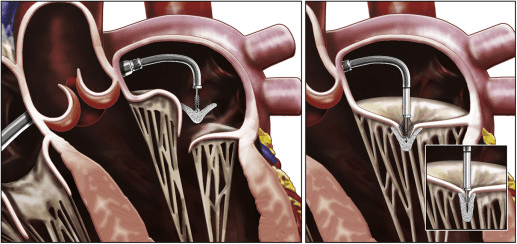
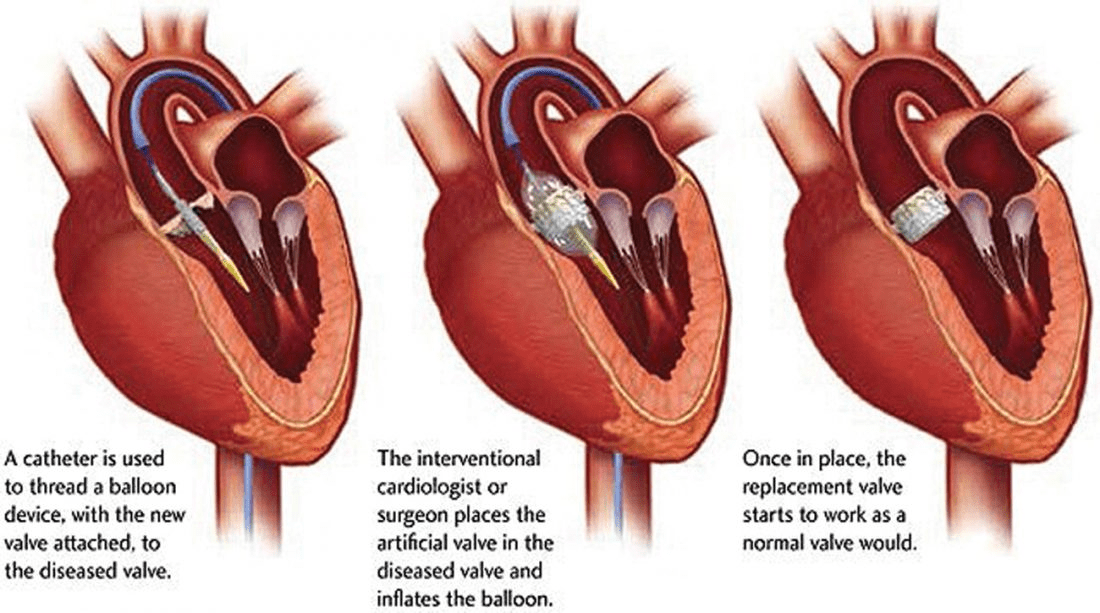
An echocardiogram measures how tight the valve is and how hard the heart muscle is working against it. For a mild or moderate valve, the plan is usually to repeat that echo on a schedule and to report new symptoms in between. Shortness of breath on exertion, chest tightness, light-headedness and fainting during effort are the ones that change the timeline. When the narrowing becomes severe and symptoms appear, replacing the valve comes into the discussion. That can mean surgery or a catheter-based replacement. Our page on aortic valve disease explains the stages.
An irregular pulse caught by a watch or a blood-pressure cuff
Atrial fibrillation (AFib) is the most common sustained irregular rhythm, and the AHA links it to an estimated fivefold increase in stroke risk (AHA, atrial fibrillation). The risk comes from blood pooling in the upper chambers, where it can form a clot. Some people feel it as a fluttering or pounding heartbeat. Others feel nothing at all and find out from a home device or an EKG done for another reason.
For older adults, the central decision is usually whether to take a blood thinner. We estimate stroke risk with the CHA2DS2-VASc score, which adds points for age, high blood pressure, diabetes, heart failure, prior stroke, vascular disease and sex. Then we weigh that number against bleeding risk, kidney function and, for older Apple Valley patients, the risk of falling. A blood thinner on its own doesn't cause falls, but a fall while taking one can turn a bruise into a bleed. That's a conversation, not a reflex, and we revisit it when health changes.
Living with a blood thinner at home has its own routine. Every doctor and dentist who might do a procedure needs to know about it, because some procedures require a pause and some don't. That decision belongs to the prescriber, not to the patient or the dentist alone. Over-the-counter pain relievers such as ibuprofen and naproxen add bleeding risk, so acetaminophen is often the first choice for aches; ask before switching. A medical alert card in the wallet helps if the patient is ever brought into St. Mary unable to speak for themselves.
We also look at rate and rhythm. Some patients do well when the heart rate is simply kept in a reasonable range. Others feel noticeably better when a normal rhythm is restored. If long-term blood thinners aren't a good fit, closing off the left atrial appendage, the pouch where most AFib clots form, is an option for some patients. Our AFib page has more detail.
Short of breath on the walk to the mailbox
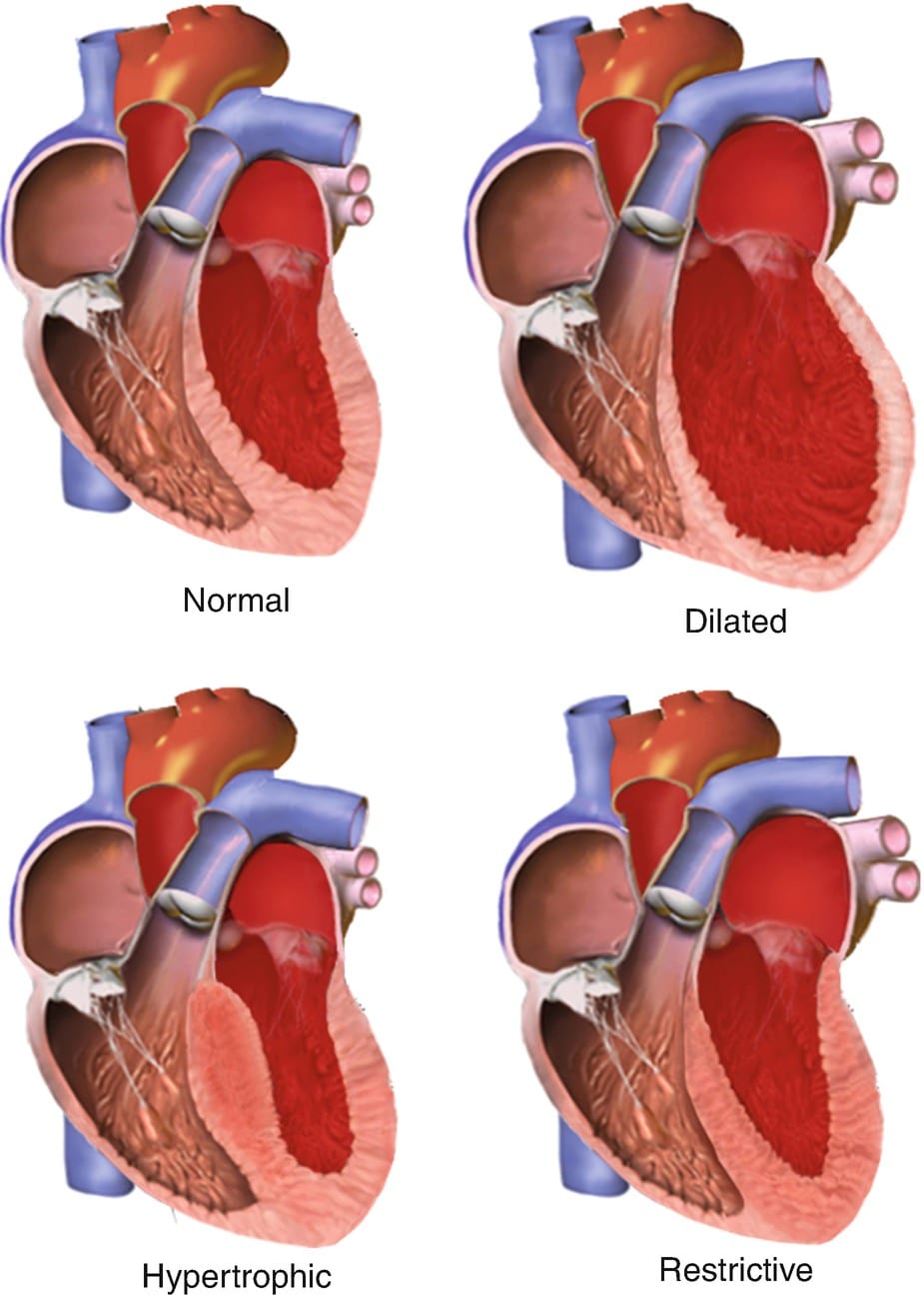
Heart failure doesn't mean the heart has stopped. It means the heart can't fill or pump well enough to keep up with what the body asks of it. In older patients, especially those who've had high blood pressure for years, a common pattern is a heart that squeezes normally but has grown stiff. That stiff muscle doesn't relax enough to fill between beats. It's called heart failure with preserved ejection fraction. It shows up as breathlessness on effort, ankles that swell by evening and a few pounds of weight gain over several days that turn out to be fluid.
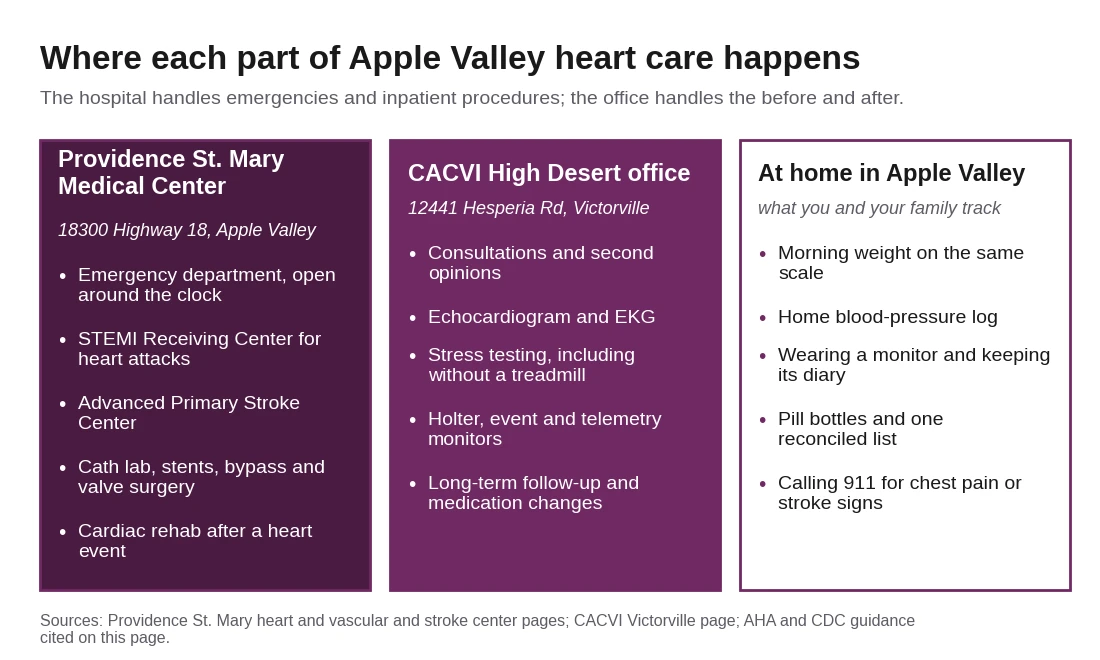
The echocardiogram is again the main test, because it shows the pumping fraction, the wall thickness and the filling pattern. Management combines medication with things you do at home. We'll ask you to weigh yourself every morning on the same scale, watch salt and track how many pillows you need to sleep comfortably. Heart failure is also where a nearby office pays off. Catching fluid early with a medication adjustment is a phone call and a short drive. Catching it late can mean a hospital stay. Our heart failure page covers the types.
Dizzy spells, fainting and the fall nobody saw coming
Fainting has many causes, and most are harmless. The AHA notes, though, that serious cardiac conditions such as sick sinus syndrome and atrial fibrillation can cause recurrent fainting in older adults, with a sharp increase after age 70, and that cardiac fainting is more likely in men and in people over 60 (AHA, syncope). A fall that was "just a trip" sometimes turns out to have started with a few seconds of a missing heartbeat.
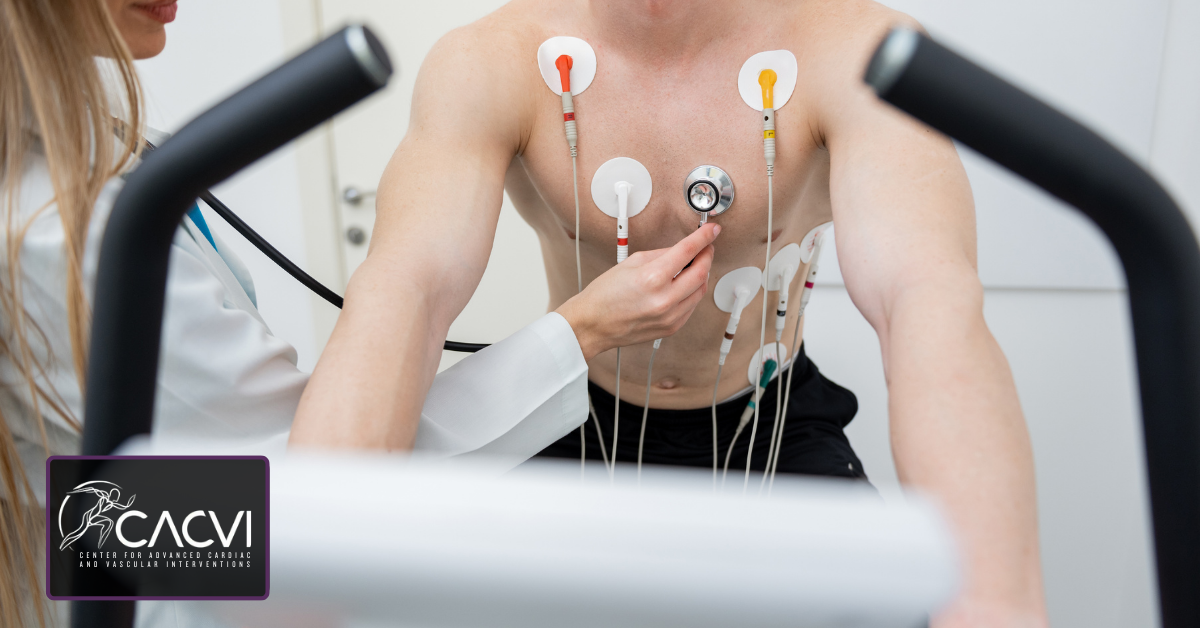
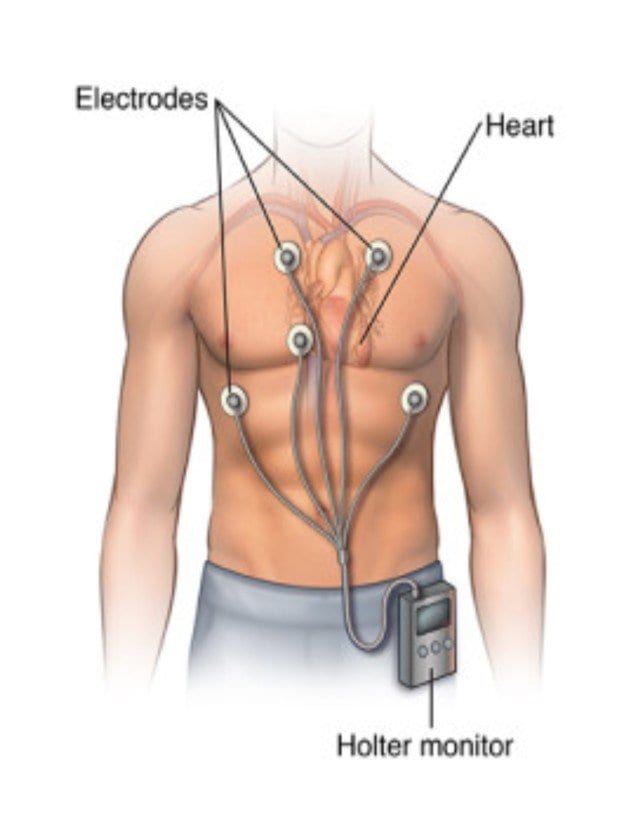
The AHA recommends a resting 12-lead EKG as part of the first evaluation. When the EKG is normal but the episodes keep happening, a wearable monitor can catch the rhythm at the moment of a spell. A pulse that drops too slow and stays there may need a pacemaker. Medication causes are just as common. Blood-pressure pills that were right at one dose can drop the pressure too far when someone stands up, especially on a hot afternoon. We sort through the possibilities in that order: rhythm, valve, medication, then everything else.
Cholesterol medicine past 75
If you are an older adult in Apple Valley, you may wonder whether a statin still makes sense at 78 or 85. There isn't one answer. For someone who has already had a heart attack, a stent or a stroke, the reasons to stay on a cholesterol-lowering medicine usually remain. For someone who never has, the decision depends more on overall health, other illnesses, side effects and what the patient wants. We look at the whole medication list before adding anything, because a pill that does little for one person is still one more pill to swallow, pay for and keep straight.
Blood-pressure numbers that won't settle
High blood pressure is often the first diagnosis that sends someone to a cardiologist, and in older patients it's a balancing act. Pressure that runs high strains the heart, kidneys and arteries. Pressure pushed too low can bring on the light-headedness and falls described above. We ask patients to bring a home log taken the same way each day: seated, after a few minutes of rest, arm supported at heart level. We also ask them to bring the cuff itself, so we can check it against ours. A reading that jumps between morning and evening, or drops when you stand, tells us more than any single office number.
Chest discomfort that doesn't look like the movies
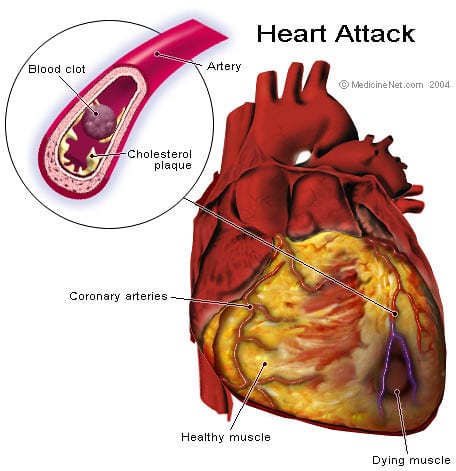
Coronary artery disease, the plaque behind most heart attacks, doesn't always announce itself with crushing chest pain. The AHA lists shortness of breath, a cold sweat, nausea, light-headedness and discomfort in the arms, back, neck or jaw among the warning signs. It also notes that women are more likely to have some of these other symptoms (AHA, heart attack warning signs). Older adults also tend to describe effort-related symptoms vaguely: "I just run out of steam." When that pattern is new, we look for a cause, often with a stress test or imaging of the coronary arteries. When the discomfort is happening right now, it's a 911 call, which the emergency section below covers.
Heart checks during and after cancer treatment
Some cancer treatments, including a number of chemotherapy drugs and radiation to the chest, can affect the heart muscle, rhythm or arteries. An oncologist may ask for a cardiology evaluation before treatment starts, or for echocardiograms during it to watch the pumping function. Dr. Vasim Lala lists cardio-oncology among the conditions he manages. If you're being treated for cancer and have been asked to see a cardiologist, bring the oncologist's note and the names and dates of your treatments. It lets us compare your heart's numbers against a baseline instead of guessing.
Leg pain on the walk, and why a cardiologist asks about it
Narrowed leg arteries, called peripheral artery disease, share risk factors with narrowed heart arteries. That's why a cardiology visit often includes a question about calf pain when walking that eases with rest. CACVI is also a vascular practice that cares for leg circulation problems, non-healing wounds and limbs at risk. If that's your main concern, our leg pain and PAD page for Apple Valley is the place to start, and the same Hesperia Road office handles both.