Our Victorville office is a 10-minute drive north on Hesperia Road for most of Hesperia. Heart evaluations, testing and follow-up for Hesperia and Oak Hills patients, by appointment at 760-706-7115.
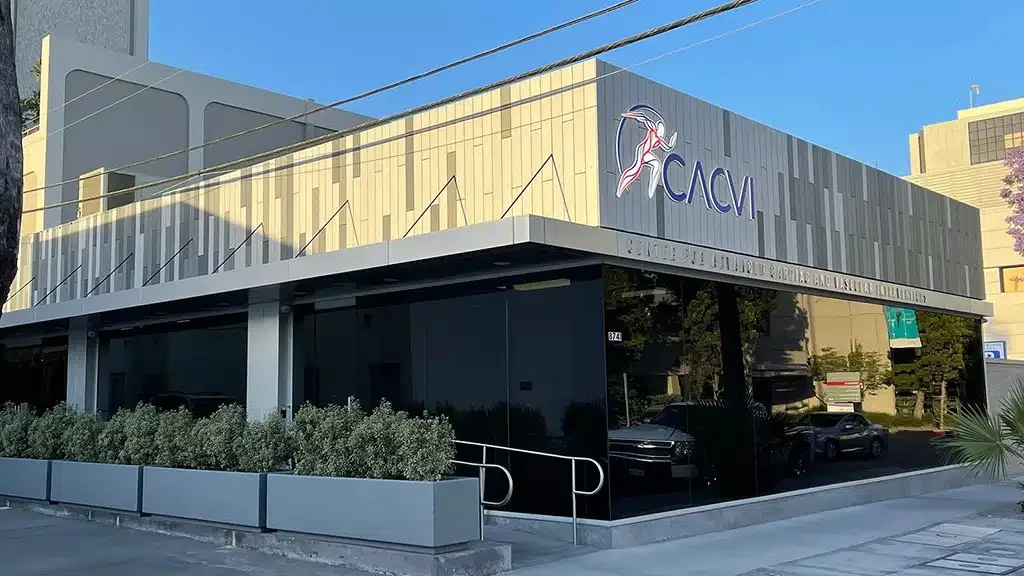
Hesperia patients see CACVI's cardiologists at 12441 Hesperia Road, #A5 & #A6, Victorville, CA 92395. From Hesperia City Hall it is 4.6 miles up Hesperia Road, about 10 minutes in Google Maps' usual-traffic estimate. The office is open Monday to Friday, 8:30 a.m. to 5:00 p.m., and books new patients by phone at 760-706-7115. If symptoms are happening as you read this (pressure in the chest, a faint, a drooping face), dial 911 rather than the office.
Your nearest CACVI office
Heart care for Hesperia, one straight drive up Hesperia Road
Hesperia patients have a CACVI cardiology office on the same road that carries much of the city north each day. Hesperia Road leaves the middle of Hesperia, crosses Main Street and Bear Valley Road, and reaches 12441 Hesperia Road in Victorville a few minutes later. That is CACVI's High Desert office, where a Hesperia cardiologist visit with us takes place.
This page is written for people in Hesperia and Oak Hills who are deciding where their heart care should live. Some have never seen a cardiologist and were just told to. Others have been driving over the Cajon Pass to an Inland Empire cardiology practice for years and want to know what can move closer. Both groups get the same office, the same three physicians and the same phone number.
It is easy to look to Inland Empire cardiology from Hesperia, as if heart care only exists south of the pass. Hesperia sits in San Bernardino County, the same county as San Bernardino and Loma Linda, and the county's emergency medical agency lists two heart-attack hospitals on this side of the mountains. Routine cardiology doesn't need the drive either.
What happens at the High Desert office
A first appointment is a consultation: a cardiologist goes through your symptoms, your medicines, your family history and whatever records you bring, examines you, and decides which tests answer the question at hand. CACVI's Victorville page names these tests for the Hesperia Road suite:
echocardiograms, moving ultrasound images that show how the valves open and how hard the heart squeezes;
EKG, a quick record of each heartbeat's electrical pattern;
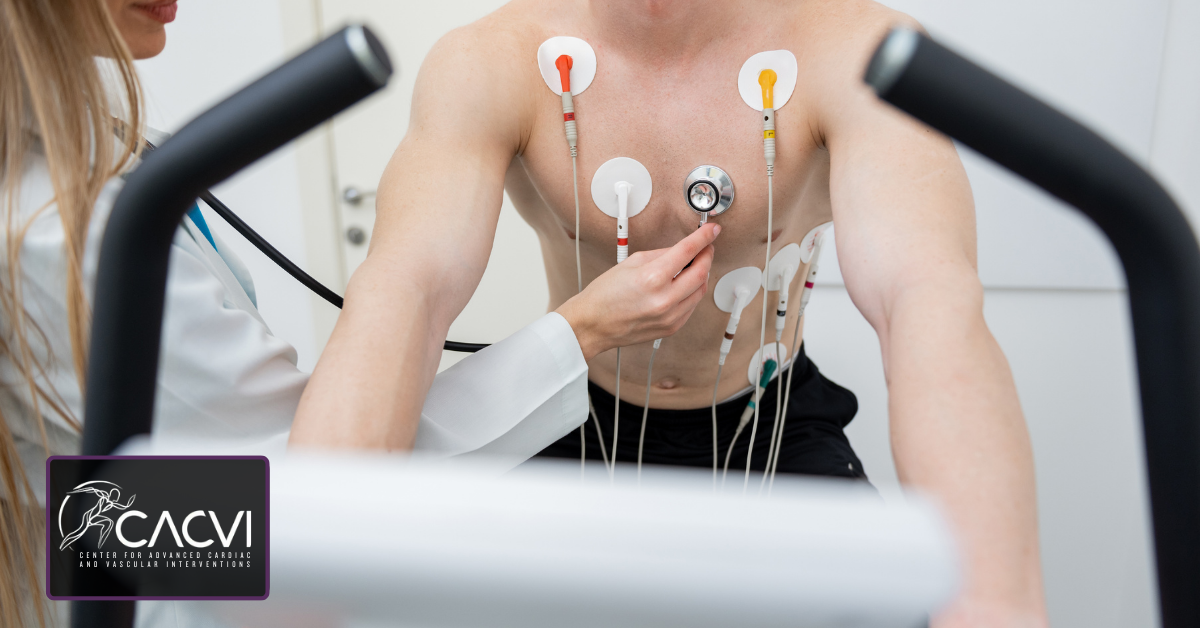
treadmill stress testing and, for people who can't walk on a treadmill, stress testing with medication;
duplex scans of leg and neck vessels;
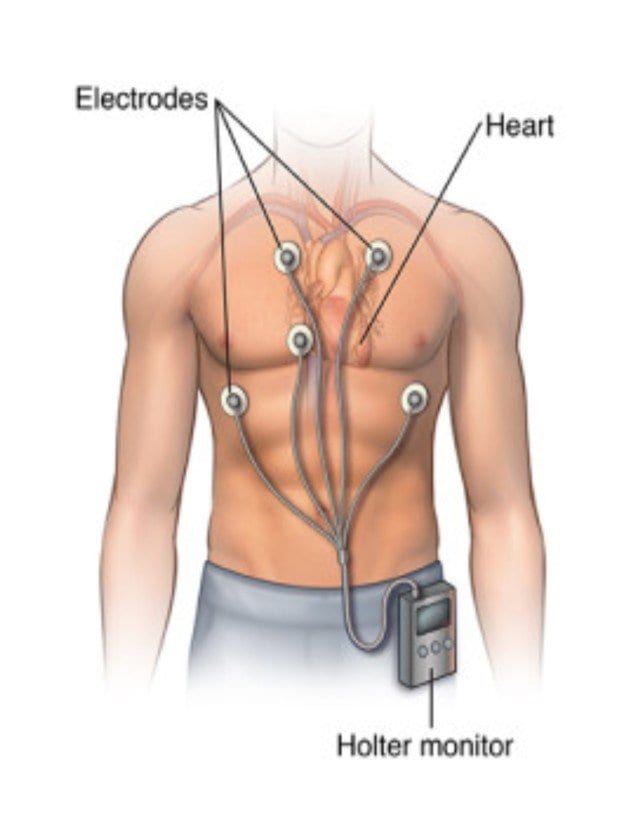
Holter monitors and longer event monitors that go home with you.
Not every test happens on the day of the first visit. Some need preparation, such as skipping caffeine or a meal, and some, such as a CT scan of the coronary arteries, are done at an imaging center rather than in the office. Ask when you book which parts of your workup can be done at Hesperia Road and which happen elsewhere.
Why Hesperia patients get sent to cardiology
Most referrals start with something a primary care doctor saw or heard, or with a symptom the patient could not explain. The table below matches common reasons for a visit with the first step a cardiologist usually takes. It is a guide to the conversation, not a diagnosis.
What brought you in
What the cardiologist usually checks first
What may follow
Chest tightness when you climb stairs or carry something heavy
Exam, EKG, risk factors such as cholesterol, blood pressure and diabetes
A stress test, sometimes a CT angiogram or a heart catheterization
A heartbeat that races, flutters or skips
EKG and a review of when it happens
A rhythm recorder you wear for a day or longer
A murmur your doctor heard
Listening with a stethoscope, then an echocardiogram
Repeat echoes on a schedule if a valve is narrowed or leaking
Breathless with ordinary activity, ankles swelling
Echocardiogram to measure pumping strength
Medication changes and a follow-up plan for heart failure
Readings that stay high despite several prescriptions
Home readings, medication list, kidney artery questions
A renal artery ultrasound in some cases
Fainting or nearly fainting
EKG, exam, the story of the episode
A monitor, an echo, and a talk about driving
Calves that cramp on a walk, or a sore on the foot that lingers
Pulses and an ankle-arm pressure comparison
An ultrasound of the leg arteries, then a circulation plan
The last row matters in the High Desert because CACVI's physicians treat circulation problems in the legs as well as the heart. For cramping calves and slow-healing feet, read leg pain and PAD care for Hesperia.
New to cardiology and unsure where to start. Call 760-706-7115, say you live in Hesperia, and describe why your doctor wants you seen. The scheduler will tell you what to bring.
At a glance
Hesperia cardiology facts in one table
The key facts for a Hesperia patient, each with the place we got it from. We read each drive time off Google Maps between 9 and 10 a.m. that Monday, Nov. 23.
Fact
Detail
What it means for you
Source
Office for Hesperia
CACVI High Desert, 12441 Hesperia Road, #A5 & #A6, Victorville, CA 92395
Hesperia Road runs straight from Hesperia to the door. No freeway is needed from most of town.
Bringing your cardiology up the hill from the Inland Empire
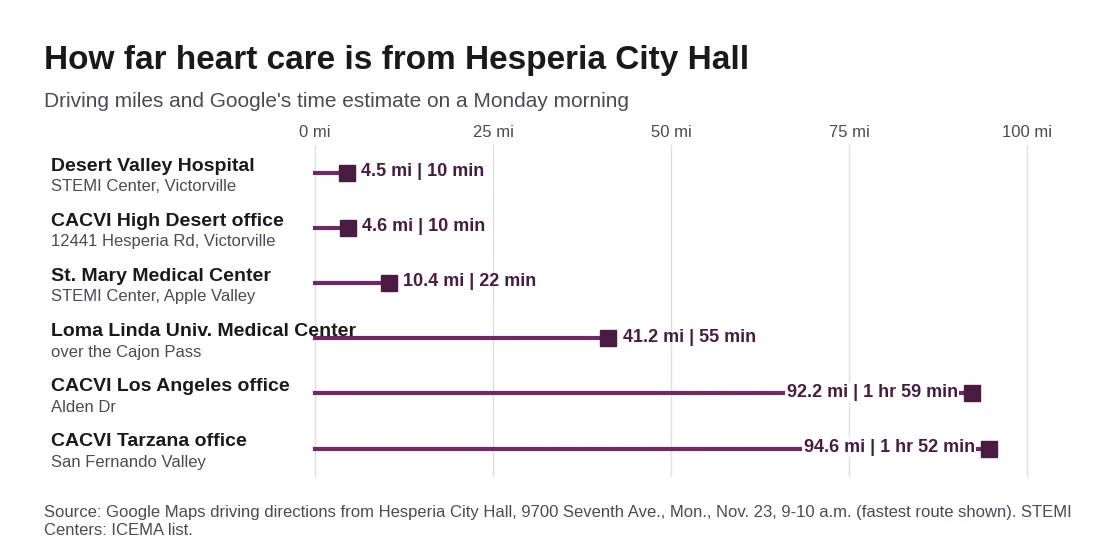
A lot of Hesperia heart patients have a cardiologist they found while living somewhere else, or one they were assigned after a hospital stay in San Bernardino, Colton or Loma Linda. The care may be good. The drive is the problem. From Hesperia City Hall, Google Maps put Loma Linda University Medical Center at 41.2 miles and 55 minutes on a Monday morning, by way of I-15 down the Cajon Pass and I-215. The High Desert office is 4.6 miles away. A patient who sees a cardiologist four times a year and has two tests in between makes that difference six times a year, in both directions.
Moving routine cardiology up the hill is usually simple. It goes faster when you know what to ask your current office for, what California law requires of them, and what may be worth keeping where it is.
From Hesperia City Hall: the High Desert office and Desert Valley Hospital are about 10 minutes away; Loma Linda is 55 minutes over the pass. Google Maps, Monday, Nov. 23, 9 to 10 a.m.
What California law gives you, and what it leaves to courtesy
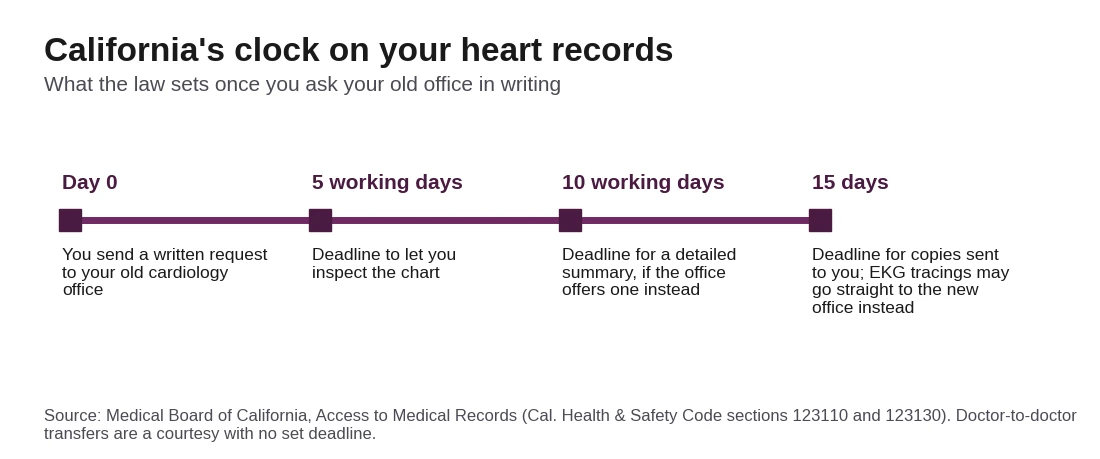
Viewing the chart in person: within five working days of a written request, during business hours.
Getting copies: no more than 15 days.
The physician may charge up to 25 cents a page (50 cents for microfilm) plus reasonable clerical costs.
Instead of the full chart, a physician may prepare a detailed summary, due within 10 working days. It must list current medications with doses, allergies, test reports and discharge summaries.
EKG tracings and X-ray films don't have to be copied to you if the originals go to another provider at your written request within 15 days.
One gap surprises people. The Board states that a doctor-to-doctor transfer of records is a matter of professional courtesy and is not covered by the statute. Most offices send records when asked and have you sign a release form, but the 15-day clock applies to copies sent to you. If an office is slow, request your own copies in writing, then bring them to Hesperia Road yourself. If a physician still does not comply, the Board takes complaints and asks that you include a copy of your written request.
The deadlines start the day your old office receives your written request. Source: Medical Board of California.
The pages that matter most in a heart chart
A cardiology chart from another practice can run to hundreds of pages. Most of it is visit notes that repeat each other. These are the documents a new cardiologist actually reads first, so ask for them by name:
your latest echo report (and the study itself on a disc, if the office will burn one);
every heart catheterization report, including the location, length and type of any stent placed;
the stent card or implant card you were given at discharge;
the stress test write-up, plus its pictures when the test used nuclear tracer or ultrasound;
the last two or three EKGs, so changes over time can be compared;
monitor summaries from any Holter, event monitor or telemetry patch;
recent blood work, especially cholesterol, kidney function and blood sugar;
the papers you were handed when you left any hospital after a heart problem;
the medication list as the old office last recorded it, which you can check against the bottles you actually take.
CACVI's new-patient instructions already ask you to bring medical records, imaging studies and every medicine, vitamin and supplement you take. A discharge summary and the last echo report do more for a first visit than a thick printout of routine notes.
Moving from another state
The 15-day and five-day clocks above are California law and bind California physicians. If your last cardiologist practiced in another state, that office follows its own state's rules, so ask for copies early and in writing, and give it plenty of time before your first visit here. Out-of-state hospital systems often have patient portals that let you download reports the same day.
Leaving the old office on good terms
You don't owe the old practice a reason for moving your care, though most patients give one, and "the drive" is reason enough. Ask for a final visit note or summary that states your current diagnoses and medicines, and ask the physician whether anything is pending, such as a test result not yet reviewed or a follow-up scan due in six months. If you still owe the office money, settle it separately: section 123110 of the Health and Safety Code says a provider may not withhold records or summaries because of an unpaid bill for health care services.
Pacemakers and defibrillators need a hand-off of their own
An implanted device is followed by a clinic: someone reads its battery, its lead measurements and the rhythms it has stored, either in person or through a home transmitter that sends data to the clinic. When you change cardiologists, that follow-up does not move by itself. Bring the wallet card that came with the device; it names the manufacturer and model. Ask your old clinic for the last device check report, and ask both offices who will receive your remote transmissions from now on. Until that is settled, keep the old arrangement running. A gap in device follow-up is the one part of a switch that should not be left to chance.
Download what you can from the old patient portal
If your Inland Empire practice or hospital gave you a patient portal login, use it before you switch. Most portals let you download or print visit summaries, test results and the medication list yourself, at no charge and without waiting on a records department. Save them as PDFs in one folder, or print them and bring the stack. Portal access is sometimes closed after a patient stops being seen, so do this while your account still works. Look especially for echo and stress test reports, which are often posted as documents rather than as numbered results.
Keeping one physician down the hill
Switching does not have to be all or nothing. Some Hesperia patients keep a cardiac surgeon, an electrophysiologist or a heart-failure program in the Inland Empire for the specific thing that program does, and see a cardiologist in the High Desert for blood pressure, cholesterol, routine echoes and medication changes. That arrangement works when one person is clearly in charge of the prescription list. Two cardiologists adjusting the same blood thinner or the same diuretic without talking to each other is how doses get doubled. Tell each office about the other, and ask that visit notes be sent both ways.
Medicare and a new cardiologist
Part B pays for medically necessary care from MDs and DOs alike. Once the yearly Part B deductible is met, your share is usually 20 percent of what Medicare approves. Medicare's site notes that a practice may treat you as a new patient if it hasn't seen you in the last three years, and that you should check whether a practice is taking new patients. Medicare Advantage plans and commercial HMOs work differently and may require a referral or a network check before the first visit, so call the number on the back of your card before you book. Then tell our scheduler the plan's exact name.
Already a CACVI patient in Los Angeles or Tarzana?
Some people move to Hesperia after years of seeing CACVI at Alden Drive or on Ventura Boulevard. Because the High Desert office belongs to the same practice, there is no outside office to request records from. Call the High Desert number, say you are an existing patient who has moved, and ask to have your follow-up visits booked on Hesperia Road instead. CACVI lists the same three physicians for all its patients, so ask whether you can stay with the physician you already know.
When the pass is the problem
Patients who keep one appointment down the hill should check I-15 before leaving. Caltrans posts closures and lane conditions on its QuickMap site, and a closure through the Cajon Pass can turn a 55-minute drive into a missed appointment. Call the Inland Empire office as soon as you know you can't make it, and ask whether a routine test or follow-up could be done at Hesperia Road instead. Don't drive the pass to an appointment if you are having chest pain or other new symptoms on the way; that is a 911 call from wherever you are.
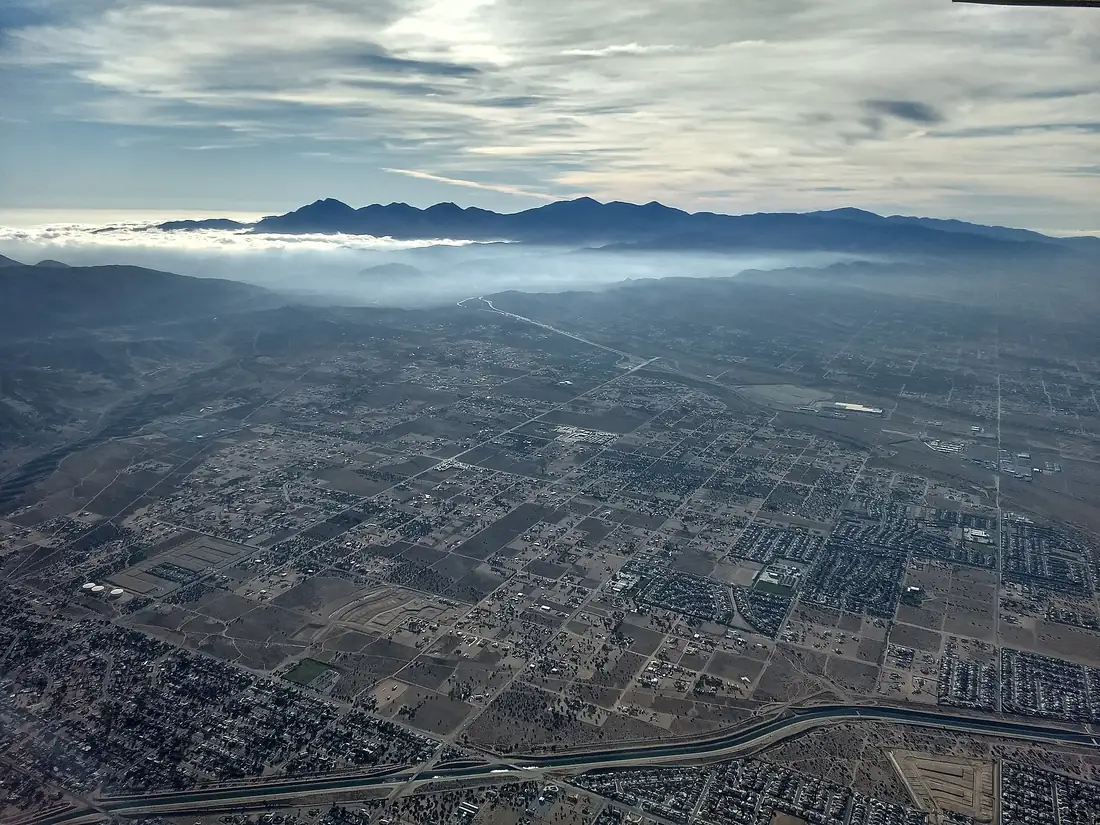
Hesperia from the air, with the California Aqueduct in the foreground and the mountains toward the Cajon Pass behind. Loma Linda University Medical Center is 41.2 miles beyond them by road; the High Desert office is 4.6 miles from City Hall. Photo: Eric Shalov, Wikimedia Commons, CC BY-SA 4.0. Resized and converted to WebP.
Moving your care from San Bernardino, Loma Linda or Riverside. Before the first visit, ask us at 760-706-7115 for the fax number your old office should use, so the records arrive ahead of you.
Prescriptions
Keeping heart prescriptions filled while your care moves north
The weak point in any switch between cardiologists is the medicine cabinet. The old office stops renewing prescriptions once you say you are leaving, the new office hasn't met you yet, and the pharmacy is left holding a refill request nobody answers. For most heart medicines a gap of a few days is the thing to avoid, and with some it is risky. Antiplatelet drugs after a stent and blood thinners for atrial fibrillation are the clearest cases, and some blood-pressure and rhythm medicines shouldn't be stopped suddenly either.
Ask for a bridge before you leave
Before your last contact with the Inland Empire office, ask the physician to renew each heart prescription with enough refills to carry you past your first High Desert appointment. Book that appointment first, so you can tell them the date. If your plan allows 90-day fills, ask for those. Most offices agree readily when the patient explains that care is moving, not stopping, and they would rather do it than field emergency calls later.
What a California pharmacist can do when nobody answers
If a refill runs out anyway, California gives pharmacists room to act. Under Business and Professions Code section 4064, a prescription may be refilled without the prescriber's authorization when the prescriber is unavailable and, in the pharmacist's professional judgment, not refilling it might interrupt ongoing care and have a significant adverse effect on the patient. The pharmacist has to tell you the refill was made under that section. It is the pharmacist's judgment call, not a right you can demand, and it is meant for gaps, not as a way to keep going indefinitely. Ask early in the day, and bring the empty bottle.
Moving prescriptions to a pharmacy closer to home
If you have been filling heart medicines at a pharmacy near your old cardiologist or near a job down the hill, now is a good time to move them. A pharmacy in Hesperia or Victorville can usually take over the remaining refills from the old one with a phone call between pharmacists. Do it for every heart medicine at once, so one pharmacy sees the full list and can catch an interaction or a duplicate.
Ask the pharmacy for a fill history
Most pharmacies can print a medication history showing every prescription filled over the past year, with the dose, the quantity, the date and the prescriber's name. Request it a week or so before you meet the new cardiologist. It shows a new cardiologist not only what was prescribed but what was actually picked up, and it often turns up a medicine from another doctor that nobody mentioned. If you used more than one pharmacy, ask each of them.
When the pills suddenly look different
Moving prescriptions to a new pharmacy often means a different generic manufacturer, and the same medicine can arrive in a new color or shape. That is usually fine, but don't assume it. Check the name and strength on the label against your list, and ask the pharmacist before taking the first dose if anything doesn't match. With heart medicines, a mix-up between two similar-sounding drugs, or between two strengths of the same drug, is worth a two-minute conversation at the counter.
Blood thinners need a named person in charge
Warfarin is dosed by blood test, and somebody has to read the INR and adjust the dose. If that has been done by an anticoagulation clinic attached to your old cardiologist, arrange who will take it over before the last check down the hill, and bring the most recent INR results and dose to your first High Desert visit. Newer blood thinners that don't need INR checks still need periodic kidney tests and a prescriber who knows you take them, especially before any dental work or procedure.
Write down what changed, and why
Each time a heart medicine is started, stopped or changed, note the date and the reason on your list. "Stopped amlodipine in March, ankle swelling" saves a new cardiologist from restarting a drug that already failed you. Patients who switch practices without that history sometimes end up trying the same medicine twice.
Inland Empire or High Desert
Inland Empire cardiology or the Hesperia Road office: what each trip is for
If you live in Hesperia and are weighing Inland Empire cardiology, there is a practical question underneath: does this heart problem need the drive down the Cajon Pass, or can it be handled up here? The honest answer depends on what kind of care you need, not on the name of a region. Hesperia is in San Bernardino County, the same county as most of the Inland Empire's large hospitals, and a fair share of what people drive down the pass for is available within a few miles of home.
Place
What it offers a Hesperia heart patient
From Hesperia City Hall
CACVI High Desert, 12441 Hesperia Rd
Office visits plus the tests CACVI lists for this office, and long-term follow-up
4.6 mi, about 10 min
Desert Valley Hospital, Victorville
24/7 emergency room, STEMI Center, two cath labs, open-heart surgery suite
4.5 mi, about 10 min
St. Mary Medical Center, Apple Valley
24-hour hospital, STEMI Center
10.4 mi, about 22 min
Loma Linda University Medical Center
STEMI Center and large referral hospital
41.2 mi, about 55 min
Sources: CACVI Victorville page; ICEMA STEMI Center list; Desert Valley Hospital cardiology page; Google listings; Google Maps drive estimates, Monday, Nov. 23, 9 to 10 a.m.
What the High Desert office covers without leaving the High Desert
The office on Hesperia Road is where consultations, testing and long-term follow-up happen. CACVI's Victorville page lists echocardiograms, EKGs, treadmill and medication stress tests, vascular ultrasound and take-home rhythm monitors for this office. For most ongoing heart conditions, that is the bulk of the year: a visit to adjust medicines, a yearly echo to watch a valve, a monitor to check a rhythm, a stress test when symptoms change. None of it calls for the pass.
Procedures: ask where, every time
In CACVI's own words, minimally invasive treatment takes place in "an Office-Based Lab (OBL) and/or an Ambulatory Surgical Center (ASC)," with "same day discharge with no overnight stay." The page does not say which location handles which procedure, and some heart and vessel procedures still take place in a hospital. So the useful question to ask, whenever a procedure is recommended, is a specific one: where exactly will this be done, how far is that from Hesperia, and will I go home the same day?
What the High Desert hospitals add
You don't have to go down the hill for hospital-level heart care either. Two Victor Valley hospitals sit on the county EMS agency's STEMI Center list, and the closer one is barely farther from City Hall than our office; details follow in the hospitals section. A Hesperia patient admitted for a heart problem is likely to be admitted up here.
A year of routine follow-up, counted in miles
Take a fairly ordinary year for someone with a valve or rhythm problem: four office visits and two tests, six round trips. Using our Monday-morning Google Maps figures from Hesperia City Hall, those trips come to about 55 miles and two hours of driving if they all happen on Hesperia Road. The same six round trips to Loma Linda come to roughly 490 miles and 11 hours on the road, most of it on I-15 through the pass. Traffic changes the totals, but the gap is the point.
Tests people still drive down the hill for
A few tests aren't done in a cardiology office anywhere, because they need a CT scanner or similar equipment. A coronary CT angiogram, for example, is done at an imaging facility or a hospital radiology department, according to CACVI's page on the scan. If one of these is ordered for you, ask whether an imaging center in the Victor Valley can do it, and have the report sent to the High Desert office. The same goes for blood work: a lab close to home can usually run what a cardiologist orders.
Questions to settle before you choose
Which parts of my care are routine follow-up, and which are specialized?
If a procedure is likely, where would it be done, and would I go home the same day?
Can my existing records and device follow-up move to the High Desert, and how?
If I keep one physician down the hill, who manages my prescriptions?
When the drive down the pass still makes sense
You already have a long relationship with an Inland Empire cardiologist and want to keep it, at least for now.
A specific program you have been told you need exists only at a larger center, and your doctor has named it.
You are in a hospital down the hill when a heart problem starts; follow-up can move north once you are home.
Outside those cases, a Hesperia patient asking "Inland Empire cardiology" is often better served by asking "how close can my routine heart care be?" The table above answers that in miles and minutes. If the answer turns out to be "mostly up here," the section on bringing your cardiology up the hill explains how to move records, devices and prescriptions without a gap, and what to keep where it is.
Not sure which kind of visit you need. Describe the problem when you call 760-706-7115; the scheduler can tell you whether it starts with an office visit, a test or something else.
Getting here
From Oak Hills, Main Street or Ranchero Road to 12441 Hesperia Road
Hesperia is spread out, and the drive to the office depends on which side of I-15 you start from. Seven starting points across Hesperia and Oak Hills went into Google Maps on the morning of Monday, Nov. 23 (9 to 10 a.m.). The times below are Google's estimates at that moment, not a promise about your morning.
Starting point
Distance
Google estimate
Route Google chose
Hesperia City Hall, 9700 Seventh Ave.
4.6 mi
10 min
Hesperia Rd
15885 Main St, near Hesperia Rd
4.9 mi
10 min
Hesperia Rd
15760 Ranchero Rd
7.2 mi
12 min
Third Ave and Hesperia Rd
Main St at Mariposa Rd
7.2 mi
13 min
Mariposa Rd and Bear Valley Rd
Ranchero Rd at Mariposa Rd
10.9 mi
15 min
I-15 north and Bear Valley Rd
Oak Hills, Oak Hill Rd at Mariposa Rd
12.8 mi
16 min
I-15 north
Hesperia Lake Park, Arrowhead Lake Rd
8.3 mi
16 min
Arrowhead Lake Rd and Peach Ave
Times are Google's own estimates for our Monday, Nov. 23 morning check, quickest option listed.
Along Hesperia Road
For the middle of the city the route is almost a straight line. From City Hall on Seventh Avenue Google sent us up Hesperia Road for 4.6 miles in about 10 minutes, and from 15885 Main Street, close to Hesperia Road, it was 4.9 miles in about 10 minutes. Look for units A5 and A6; the lot is free. For anyone who lives near Hesperia Road, it is about as simple as a medical trip in the High Desert gets.
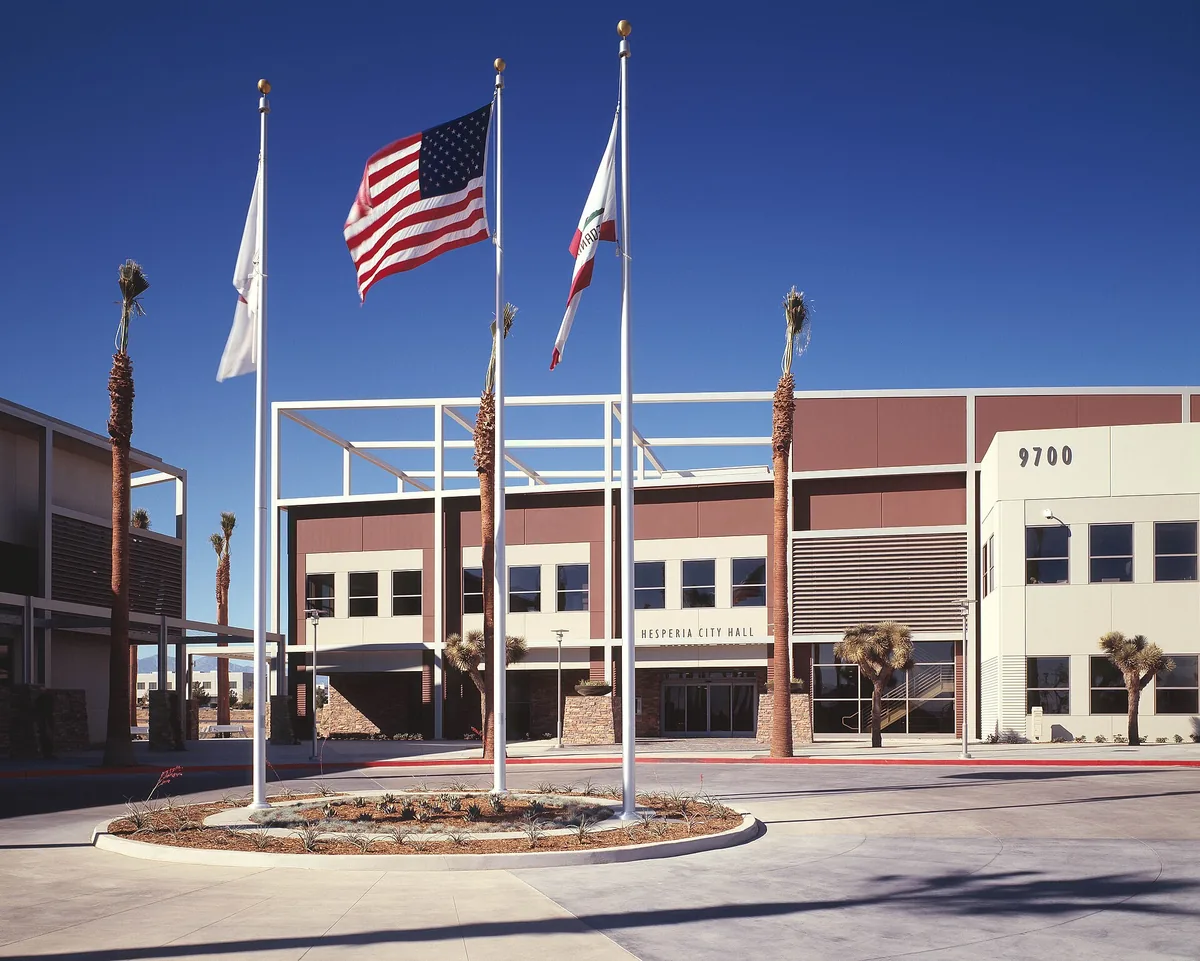
Hesperia City Hall on Seventh Avenue, the starting point for our drive-time check: 4.6 miles up Hesperia Road to the CACVI office, about 10 minutes. Photo: Gutterboi, Wikimedia Commons, CC BY-SA 4.0. Resized and converted to WebP.
West of I-15, from Main Street and Mariposa Road to Oak Hills
West of the freeway the fastest route changes with traffic. From Main Street and Mariposa Road, Google chose Mariposa Road and Bear Valley Road (7.2 miles, about 13 minutes) and offered I-15 north as a near tie. From Ranchero Road and Mariposa Road it was I-15 north, then Bear Valley Road, at 10.9 miles and about 15 minutes. From Oak Hill Road and Mariposa Road in Oak Hills it was 12.8 miles and about 16 minutes on I-15. For each of these, Google also listed a route through Main Street and Hesperia Road that stayed off the freeway and took a few minutes longer, a fallback when I-15 is jammed.
South Hesperia and the Ranchero Road corridor
From the 15700 block of Ranchero Road, Google routed us up Third Avenue and Hesperia Road: 7.2 miles, about 12 minutes. From the south side of town it is easy to assume the freeway is faster. In our check it wasn't.
East Hesperia near the lake
From Hesperia Lake Park on Arrowhead Lake Road the fastest route was Arrowhead Lake Road and Peach Avenue: 8.3 miles, about 16 minutes. The Main Street and Hesperia Road route was a minute longer.
Taking the bus up from Hesperia
There is a bus option too. Route 50 connects the Hesperia Post Office area with Victorville, per VVTA. For the stop nearest 12441 Hesperia Road and the current schedule, call VVTA's routes and scheduling line at (760) 948-3030. Leave extra time for the walk from the stop and for check-in; new patients are asked to arrive 15 minutes early.
Booking around the drive
Two small things make the trip easier. If you need a test that requires fasting or skipping coffee, ask for a morning slot so you are not going without all day. And if a family member drives you, ask whether they can sit in on the consultation. A second set of ears is useful when medicine changes are explained.
Hospitals
Hesperia's nearest hospitals, and when the ER comes before a cardiology visit
If you live in Hesperia, it helps to know where the nearest hospital or medical center is before you need one. ICEMA's list of 911 receiving hospitals in San Bernardino County includes none located in Hesperia itself; the nearest are in Victorville and Apple Valley. Here is what each one is, sourced from the county EMS agency, the hospitals and Google's listings, followed by a plain guide to when a heart problem belongs in an emergency room rather than in a cardiology office.
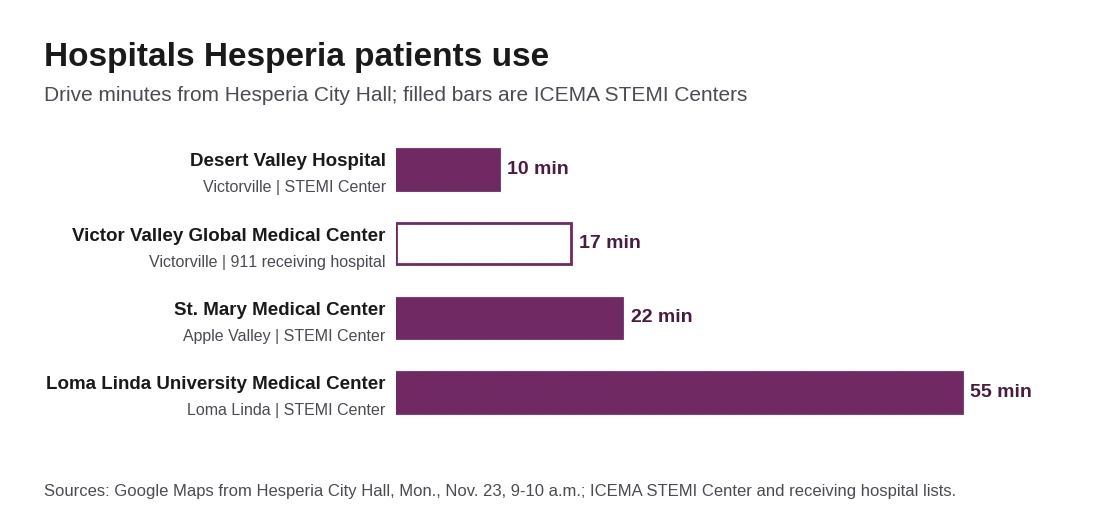
Two of the three Victor Valley hospitals are on ICEMA's STEMI Center list; Loma Linda is the nearest one down the hill.
None of these hospitals is inside Hesperia's city limits, which is why distance matters so much in the list below. Each entry gives the street address, the main phone number, how far it is from Hesperia City Hall, and what ICEMA says about it.
Desert Valley Hospital, Victorville
16850 Bear Valley Road, (760) 241-8000, listed by Google as open 24 hours. Our Google Maps check measured 4.5 miles (roughly 10 minutes) from City Hall; the CACVI office is about a mile away. ICEMA lists it as a STEMI Center. On its cardiology page the hospital lists a pair of cath labs plus a suite for bypass operations.
St. Mary Medical Center, Apple Valley
18300 Highway 18, (760) 242-2311, open 24 hours per Google. Farther out at 10.4 miles (about 22 minutes on Monday morning), it shares the STEMI Center designation.
Victor Valley Global Medical Center, Victorville
15248 Eleventh Street, (760) 245-8691, open 24 hours per Google, 8.4 miles and about 17 minutes from City Hall. ICEMA lists it as a 911 receiving hospital, but it is not on ICEMA's STEMI Center list, so an ambulance crew treating a heart attack will usually look to one of the two hospitals above.
Loma Linda University Medical Center
11234 Anderson Street in Loma Linda, 41.2 miles and about 55 minutes from City Hall over the Cajon Pass. It is on ICEMA's STEMI Center list and is a large regional center that Hesperia patients may know from referrals and past admissions.
What the STEMI label requires
ICEMA's designation policy, Reference No. 4040, sets the bar for a STEMI Receiving Center: a full-service general acute care hospital approved as a 911 receiving hospital, a licensed cardiac catheterization lab, accreditation by the American College of Cardiology or The Joint Commission as a chest pain center with primary PCI (the catheter procedure that opens a blocked artery), and a cardiovascular surgical services permit. It must name two co-directors, one a board-certified interventional cardiologist, and its on-call physicians and staff must be available within 30 minutes of notification.
Emergency room or cardiology office
A cardiology office is built for problems that can wait for an appointment, even a soon one. An emergency room is built for problems that can't. Some examples of each:
Situation
Where it belongs
Any heart-attack warning sign listed in the emergency box below
911 and an emergency room
Fainting, or a defibrillator shock
911 or an emergency room, then the cardiologist
Face drooping, arm weakness or trouble speaking
911 (stroke)
A new murmur found at a checkup, with no symptoms
Cardiology appointment
Ankles swelling more over a week, or a few pounds gained in days, with a known heart condition
Call the cardiology office the same day
Palpitations that come and go, with no fainting or chest pain
Cardiology appointment; a monitor is the usual next step
Blood pressure readings high on several days, with no symptoms
Cardiology or primary care appointment
The warning signs in the first three rows follow the American Heart Association's lists. The other rows are general guidance, not a substitute for your own physician's instructions.
Numbers worth saving in your phone
Emergency: 911
CACVI High Desert office: 760-706-7115 (weekdays, 8:30 a.m. to 5:00 p.m.)
Desert Valley Hospital main line: (760) 241-8000
St. Mary Medical Center main line: (760) 242-2311
Victor Valley Global Medical Center main line: (760) 245-8691
Loma Linda University Medical Center main line: (909) 558-4000
Hospital numbers are from their Google listings. They are for questions and records, never instead of 911 when symptoms are happening.
After an emergency visit
If you were seen at any of these hospitals for a heart problem, ask for the discharge summary and any test results before you leave, and call the High Desert office to book follow-up. The hospital's paperwork tells the cardiologist what was found and what was started.
Leg arteries
Endovascular care for leg arteries without driving to San Bernardino
If you live in Hesperia and your concern is your blood vessels rather than your heart, and you are looking at endovascular surgery or vascular surgery in San Bernardino, this section is for you. For a Hesperia resident, San Bernardino often just means the county. CACVI's physicians list leg-artery work among their procedures, and the first steps happen at the Hesperia Road office. The leg pain and PAD page for Hesperia covers the symptoms and conditions in detail; this section covers what "endovascular" means and how a patient gets from a symptom to a treatment decision.
What endovascular means
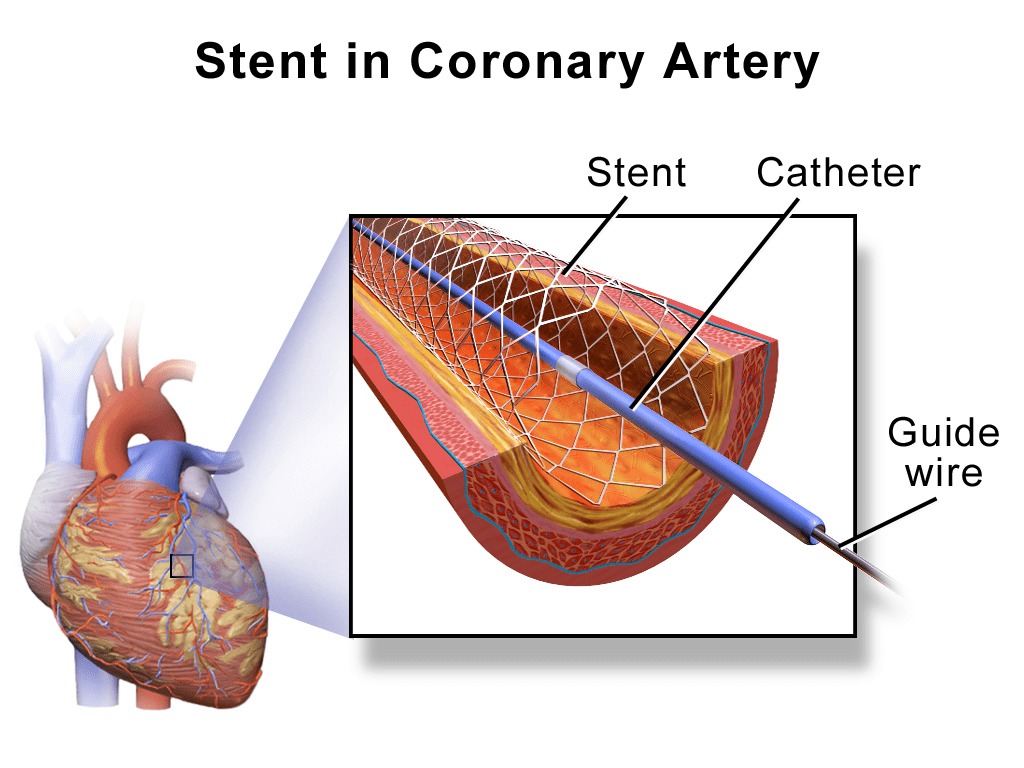
Endovascular treatment works from inside the blood vessel. Instead of an open incision along the artery, a thin catheter goes in through a small puncture, usually in the groin or the wrist, and the physician treats the narrowing from within, for example by opening it with a balloon or placing a stent. Recovery from this kind of procedure is generally shorter than from open surgery, which is why CACVI describes doing much of its work in an office-based lab or an ambulatory surgical center with same-day discharge.
Which CACVI physicians list this work
Dr. Khorsandi's bio lists peripheral artery disease and limb salvage, and amputation prevention, among his interests.
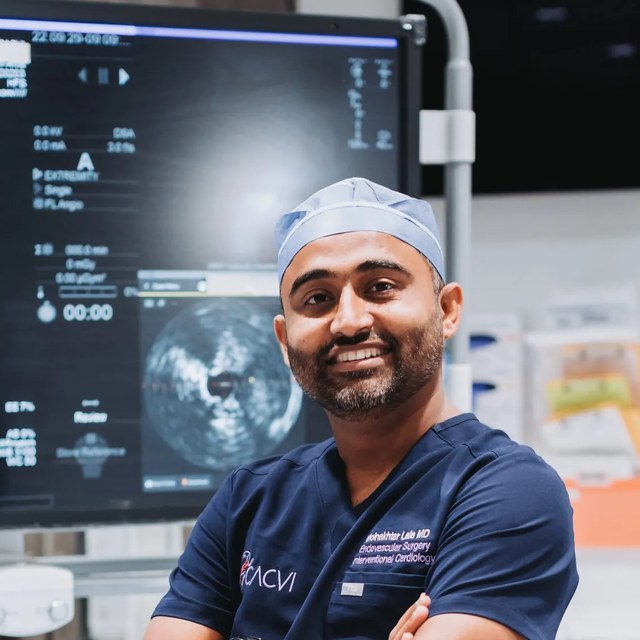
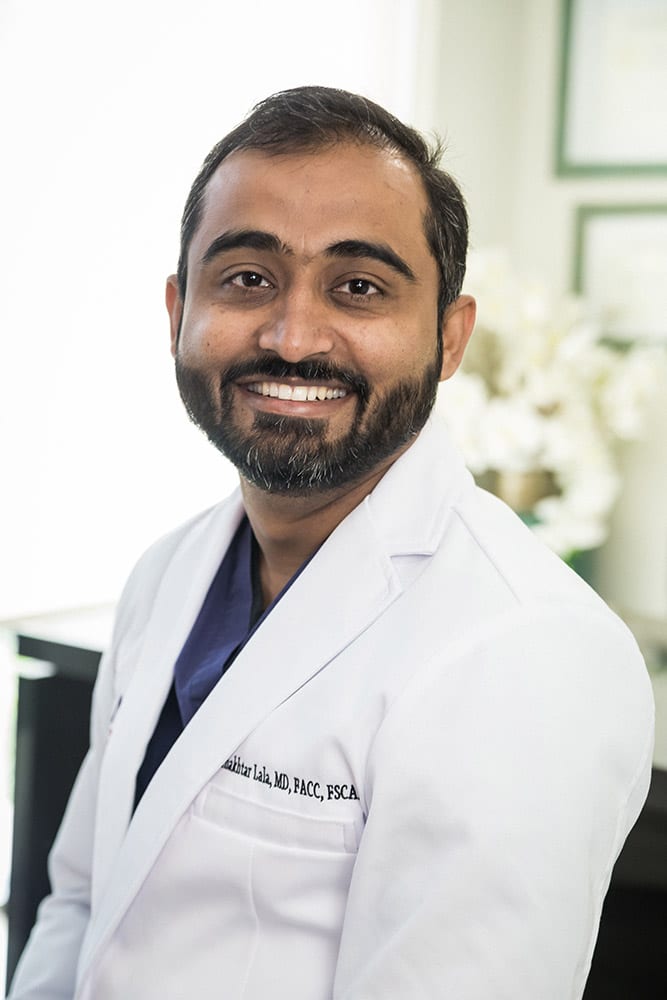
Dr. M. Lala's bio lists peripheral endovascular interventions, critical limb ischemia interventions and limb salvage, and he started CACVI's limb salvage and amputation prevention program.
Dr. V. Lala's bio lists the same peripheral and critical limb ischemia work, and peripheral artery disease among the conditions he manages.
The first test is an ultrasound
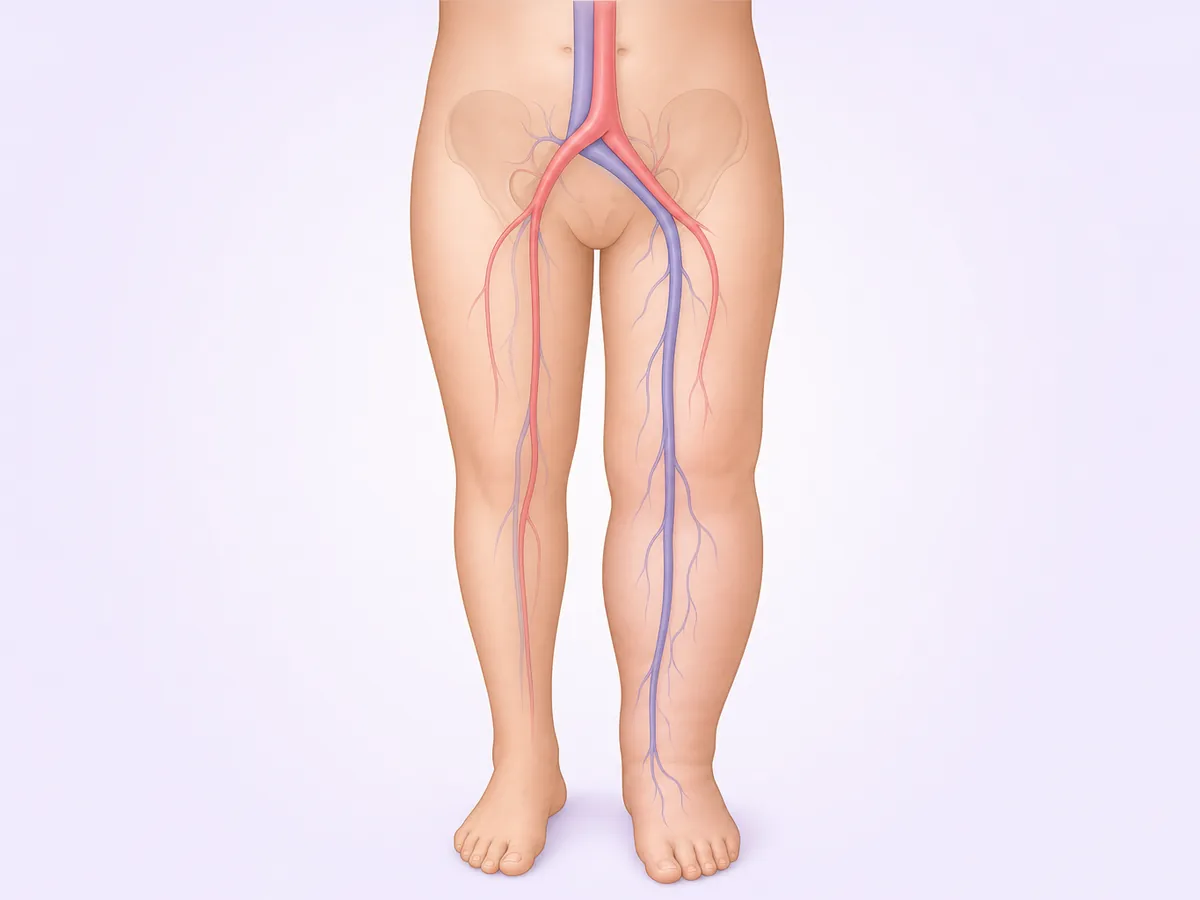
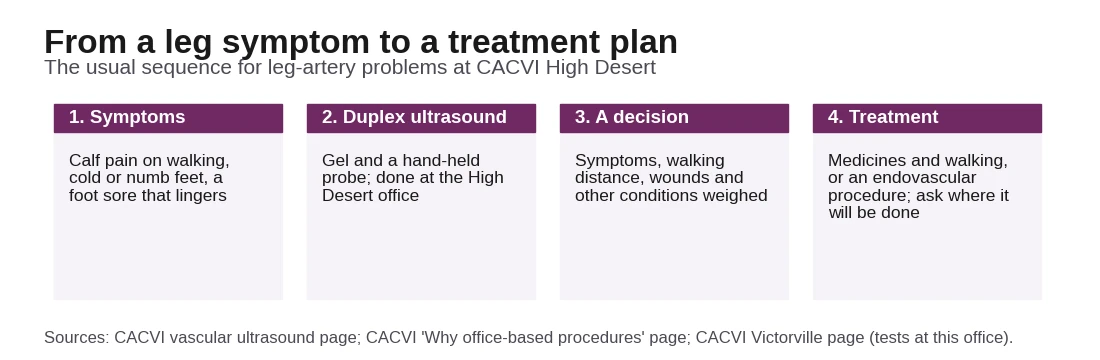
Treatment talk waits until the blood flow has been measured. CACVI's vascular ultrasound page describes an arterial duplex scan, a painless exam with gel and a hand-held probe that images the major arteries of the arms, legs and neck, and a venous duplex for the veins that return blood to the heart. The same page lists an ultrasound of the abdominal aorta and the arteries to the kidneys. These tests are on the list for the High Desert office, so a Hesperia patient can usually start without a trip down the pass.
The usual order of events for leg-artery problems, built from CACVI's vascular ultrasound and office-based procedure pages.
From ultrasound to a decision
Not every narrowed leg artery needs a procedure. After the ultrasound, the physician weighs the symptoms, how far you can walk, whether there is a wound that isn't healing, and your other conditions. Many people start with medicines and a walking program; others need the artery opened. If a procedure is recommended, the same questions apply as for heart procedures: where it will be done, whether you will go home the same day, and what follow-up looks like.
Same-day discharge and the ride home
A same-day procedure still needs someone else at the wheel. After a catheter procedure you may have had sedation, and the puncture site needs rest. Ask in advance whether you will need a driver, how long you should expect to be there, and what activity limits apply for the first days. Plan the ride back to Hesperia before the date, not on the morning of it.
Veins are a separate visit
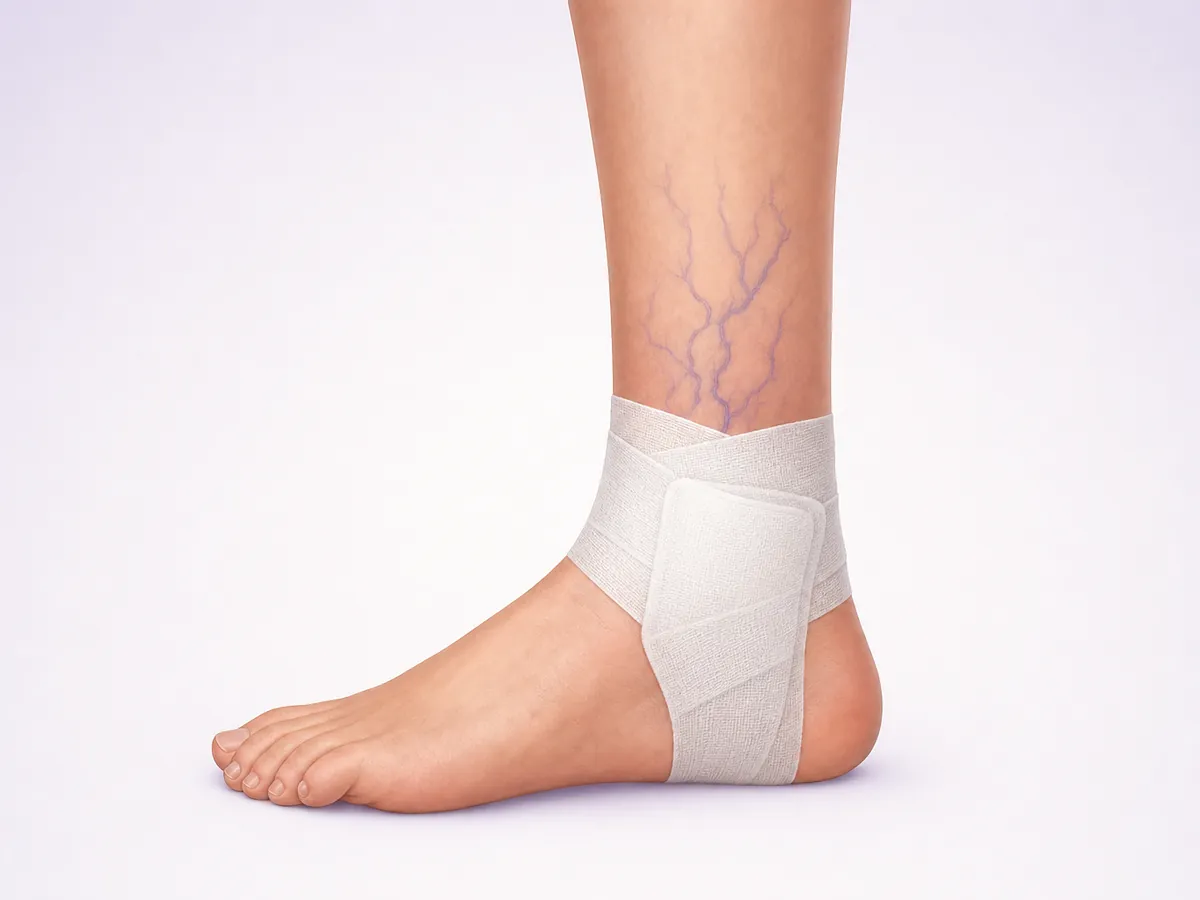
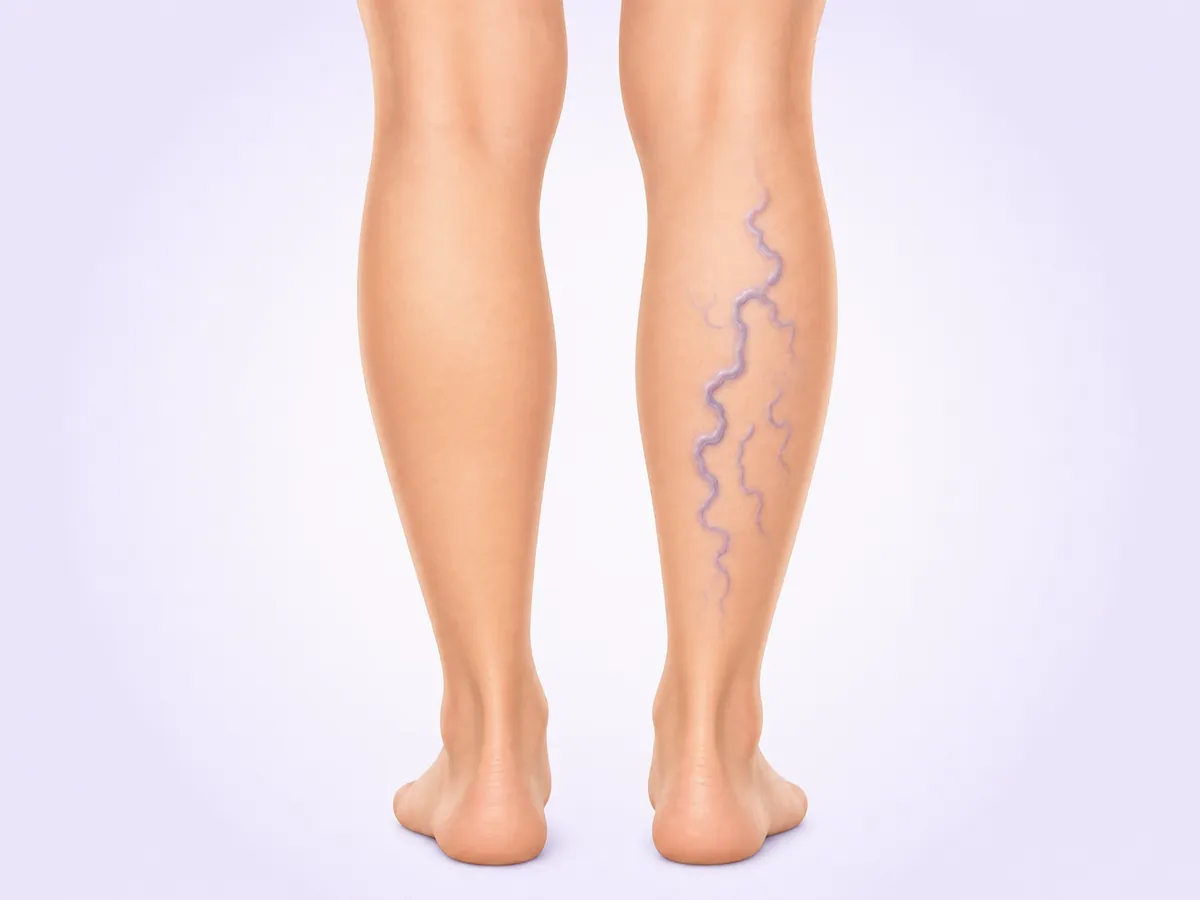
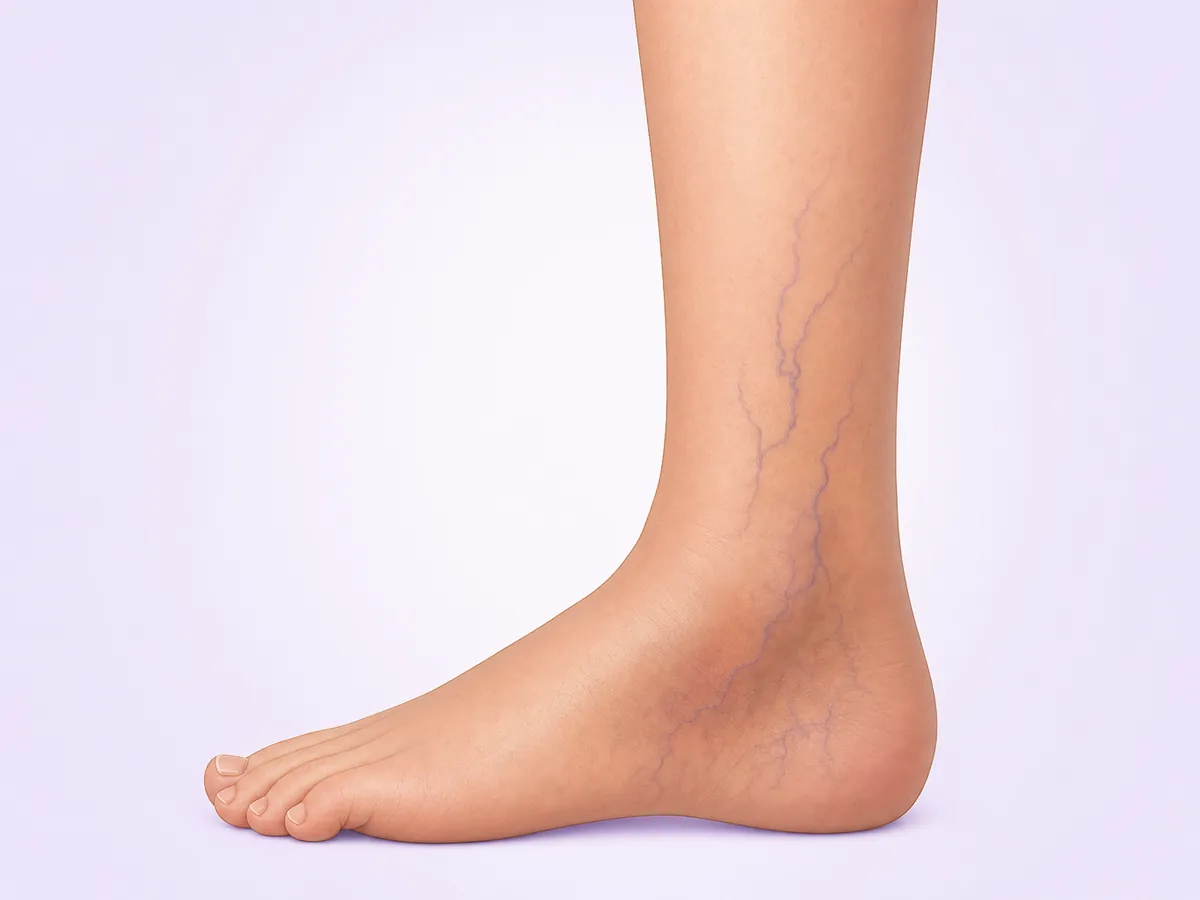
Swollen legs, varicose veins and heaviness at the end of the day usually point to the veins rather than the arteries. CACVI's physicians list vein treatments too, including vein ablation, and the first test is a venous duplex scan rather than an arterial one. If your symptoms sound more like veins, say so when you book, so the right ultrasound is scheduled.
What to bring to a leg-artery visit
any earlier leg ultrasound, angiogram or procedure report, with the dates;
a short note of how far you can walk before the pain starts, and how long it takes to ease;
dated photos of any foot sore, so the physician can see whether it is changing;
your latest blood sugar or A1c result if you have diabetes;
your smoking history, including when you quit if you have;
the full list of medicines, especially blood thinners and cholesterol drugs.
Wear shoes and socks that come off easily. The exam usually includes the feet, and the ultrasound often runs from the groin to the ankle.
Long drives
Long drives out of the High Desert with a heart condition
Hesperia sits on I-15, and plenty of Hesperia households think nothing of a long day on the road: out past Barstow, over to the coast, or down to family in Orange County. For most people with a heart condition that is fine. A few habits make it safer, and a few conditions call for a word with the cardiologist before the trip.
Sitting still is the risk the CDC names
The Centers for Disease Control and Prevention says anyone traveling more than four hours by car, bus, train or plane can be at risk for blood clots in the deep veins of the legs, because sitting still for long periods slows blood flow. The risk is generally very small, and it rises with other factors; the CDC lists heart and lung conditions among them, along with a previous clot, recent surgery, pregnancy and estrogen-containing medicines. Its advice for long trips is plain:
stop and stretch your legs when you have been sitting a long time, and work your calf muscles by flexing your ankles;
talk with your doctor before the trip if you have had a clot before or a family member has a clotting disorder;
ask your doctor if snug, graduated stockings would help you;
if you take a blood thinner, follow your doctor's instructions exactly, including on travel days.
Signs that end the trip
The CDC notes that about half of people with a deep vein clot have no symptoms. Leg swelling, pain or tenderness, or skin that is red or warm, mean calling a doctor promptly. Chest pain that worsens with a deep breath or a cough, sudden shortness of breath or coughing up blood can signal a clot in the lungs and mean emergency care right away, wherever you are.
What to carry in the car
enough of every heart medicine for the trip plus a few extra days, in original containers;
a printed medication list with doses and your cardiologist's name and number;
the ID card for any implanted device or stent;
a copy of your most recent EKG if you have an unusual baseline tracing, so an emergency doctor elsewhere can compare.
Hospitals along the road north
Past Victorville, ICEMA's list of 911 receiving hospitals includes Barstow Community Hospital, which is not on its STEMI list. Paramedics decide where to go, and the system is built to move a heart-attack patient to a STEMI Center when it can. On any long drive, if chest symptoms start, pull over safely and call 911 rather than pressing on toward home or toward a familiar hospital.
Plan the trip around appointments and refills
Before a long trip, check when your next refill is due and whether a test or follow-up falls during the time away. If your cardiologist recently changed a medicine, ask whether it is wise to wait until the change has settled before a long drive. Dizziness from a new blood-pressure dose is easier to manage at home than on a stretch of desert highway.
Paying for a visit
Seeing a cardiologist without insurance, or with an out-of-state plan
If you live in Hesperia and need a cardiologist without insurance, or one who takes a plan from another state, start here. These are real situations in the High Desert: a gap between jobs, a plan that is still being sorted out after a move, a retiree whose coverage comes from a former employer back East. Here is what you can do before the first visit.
Paying yourself
Self-pay patients settle at the visit. The front desk takes cash and the major cards, according to the practice's new-patient page. Insured patients are asked to carry the card and, ideally, know the co-pay. If you have no coverage, say so when you call. That changes the next step, because federal law gives self-pay patients a specific right.
The good faith estimate
Under the federal No Surprises Act, if you are not using health insurance to pay, a provider usually must give you a good faith estimate of expected charges when you ask for one or when you schedule care at least three business days ahead. The Centers for Medicare & Medicaid Services set the timing:
care scheduled three to nine business days ahead: the estimate within one business day;
care scheduled ten or more business days ahead: the estimate within three business days;
asking before you schedule: the estimate within three business days of asking;
care scheduled zero to two business days ahead: no estimate is required.
The estimate covers one provider or facility. A cardiology consultation, a CT scan done at an imaging center and a hospital procedure would each come with their own. CMS adds that you may be able to dispute a bill that comes in at least $400 above the estimate, and that you need the estimate to dispute at all. Keep it. The No Surprises Help Desk is 1-800-985-3059.
Costs of individual tests
Test prices vary with the facility and the coverage. As one example, CACVI's page on coronary CT angiography puts the usual range at $500 to $2,000 and suggests asking the provider or imaging facility for an exact quote. A good faith estimate is the way to get that quote in writing.
Where a procedure happens changes the bill
CACVI's page on office-based procedures says that by treating patients in an office-based lab or an ambulatory surgical center, patients pay a fraction of what an inpatient facility would cost. That is the practice's own statement, not a price list. For a self-pay patient, it is a reason to ask where a recommended procedure would be done and to request a good faith estimate from each facility involved before you agree to a date. Compare the estimates side by side; the facility fee is often the largest line.
A plan from another state
Some people moved to Hesperia from out of state and kept coverage tied to their old employer or state, such as a retiree plan. Whether that plan pays for a visit in California depends on its network rules for members who live out of the area. Call the plan's member services before booking and ask three things: Is there a national or out-of-area network? Do I have to be referred first? What will I pay for an out-of-network visit? Then call our office with the plan's exact name and member ID.
Getting coverage for the longer haul
A heart condition rarely ends after one visit. Follow-up echoes, monitors and years of prescriptions add up, so a self-pay patient should look at coverage as well as at the first bill. Covered California is the state's official health insurance marketplace, and its site says most people who enroll get help paying for their plan; it also explains the difference between Medi-Cal and its own plans. Check the site for the current enrollment window and whether a change in your situation, such as losing job-based coverage, lets you sign up outside it. Choosing a plan that includes the cardiologist you want is easier before the diagnosis piles up than after.
Medicare, Medicare Advantage and the questions to ask us
Original Medicare's cost rules are covered above in the section on switching offices. If you have a Medicare Advantage plan, a Medi-Cal plan or a commercial HMO, the plan's network and referral rules decide what is covered. Our scheduler can tell you whether CACVI works with your plan when you give the name; we don't list accepted plans on this page because they change, and a stale list helps nobody.
The statement and the explanation of benefits after the visit
If you used insurance, the plan will mail or post an explanation of benefits, which is not a bill. It shows what the office charged, what the plan allowed and what it says you owe. The bill from the office comes separately. Compare the two before paying, and call the office's billing line with the claim date if they don't match. If you paid yourself, keep the receipt with your good faith estimate. Tests done at an imaging center or a hospital will produce their own statements, so expect more than one envelope for a single workup.
For self-pay patients. Ask for a good faith estimate when you call 760-706-7115, and book at least three business days out if you want it before the visit.
Your physicians
Hesperia patients meet Drs. Khorsandi, M. Lala and V. Lala
Three physicians are listed for CACVI. What follows paraphrases each one's cacvi.org bio; the bio pages carry the full lists of training and interests.
What the certifications mean for your care
If you want board certified cardiologists near Hesperia, the real question is whether the physician is qualified for what you need. The certification areas on these bios map onto the services at the Hesperia Road office. Cardiovascular disease is the core cardiology board. Interventional cardiology covers catheter procedures such as stents. Echocardiography covers reading the ultrasound pictures of the heart, and nuclear cardiology covers nuclear stress tests. RPVI is the credential for interpreting duplex scans of the blood vessels. Each bio lists which of these that physician holds, so you can match the physician to the question you are bringing.
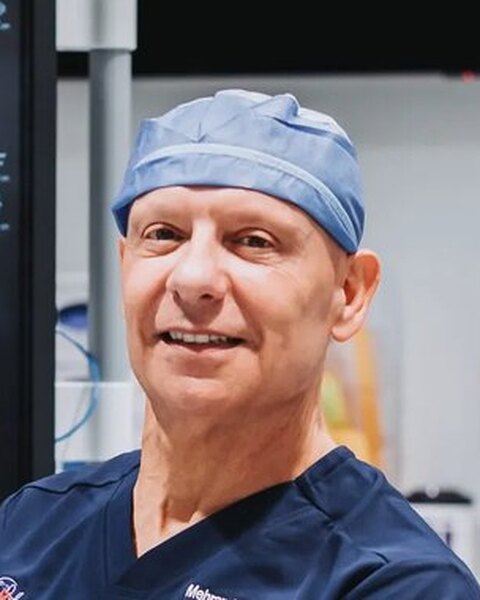
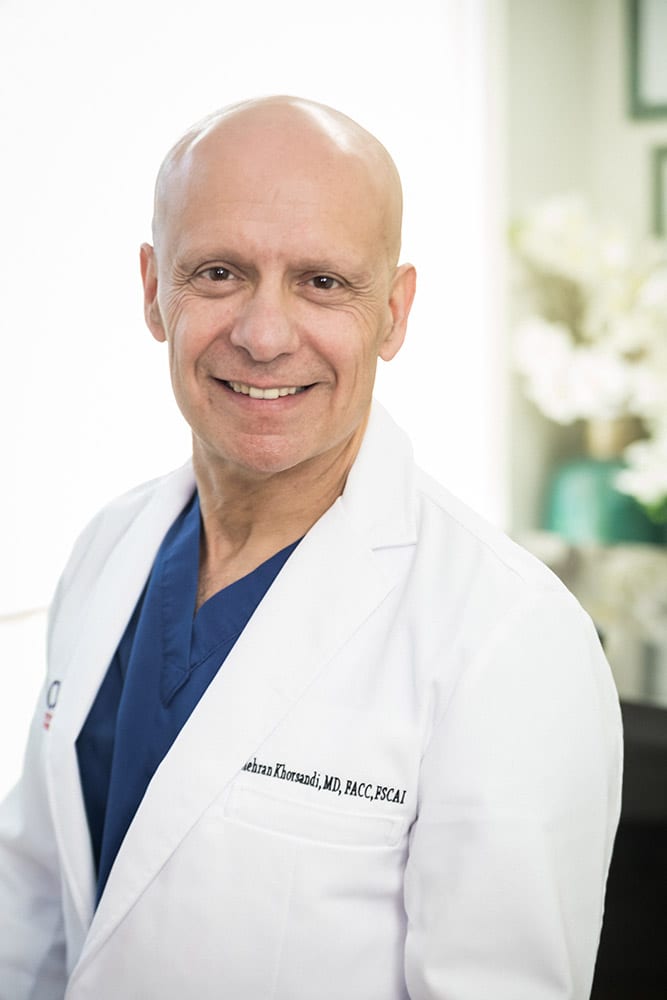
Dr. Mehran J. Khorsandi
Interventional cardiology and endovascular medicine
Dr. Khorsandi came west from Penn's Perelman School of Medicine to finish his training at Cedars-Sinai; he joined its staff in 1993 and still teaches young interventional physicians there. His bio lists five board certifications and more than 30 years of cardiac and vascular procedures, with particular interest in coronary bifurcation disease, the branch points where stenting is hardest; he co-founded a company built around that problem and holds 50 patents. His page adds a San Fernando Valley hospital role, running catheterization at Providence's Tarzana campus. For a Hesperia patient, his work matters most when a coronary blockage sits at an awkward spot.
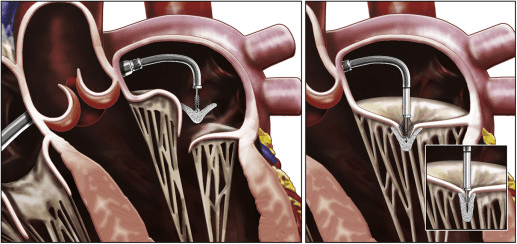
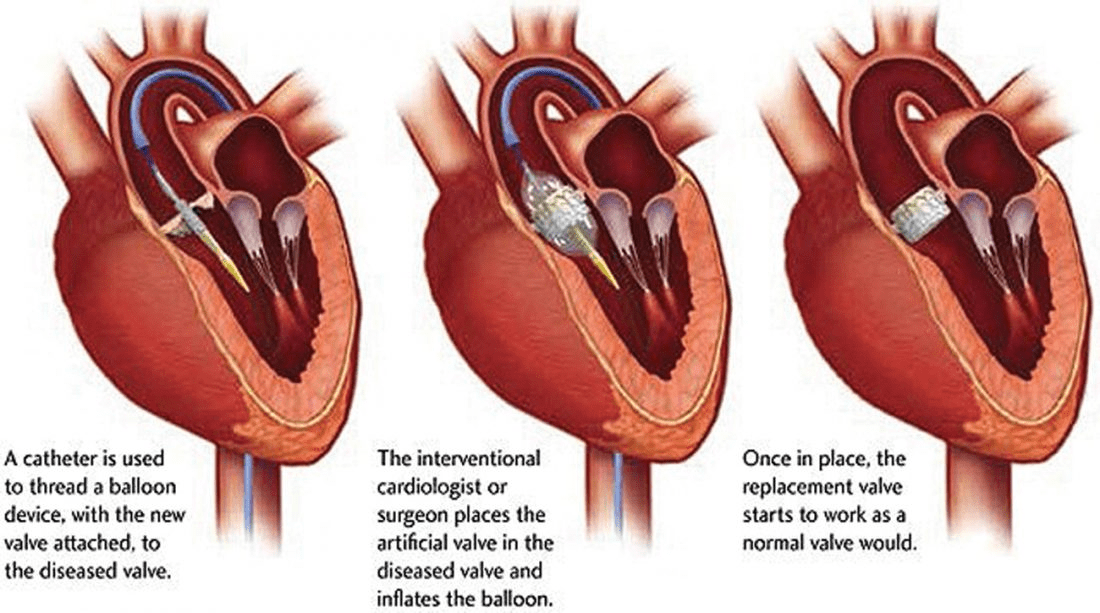
He arrived at CACVI in October 2016, and the practice's leg-saving program, aimed at avoiding amputations, is his creation. His fellowships, general and interventional, were done in Manhattan at Mount Sinai Beth Israel. Before that he spent a year as chief resident in a Brooklyn internal medicine program tied to SUNY Downstate. On the procedure side his page names coronary cases done through the wrist, reopening arteries that have been blocked for months, TAVR and vein ablation; it also says he manages long-term heart disease and prevention. A Hesperia patient with trouble in both the heart and the leg arteries can take both questions to the same physician.
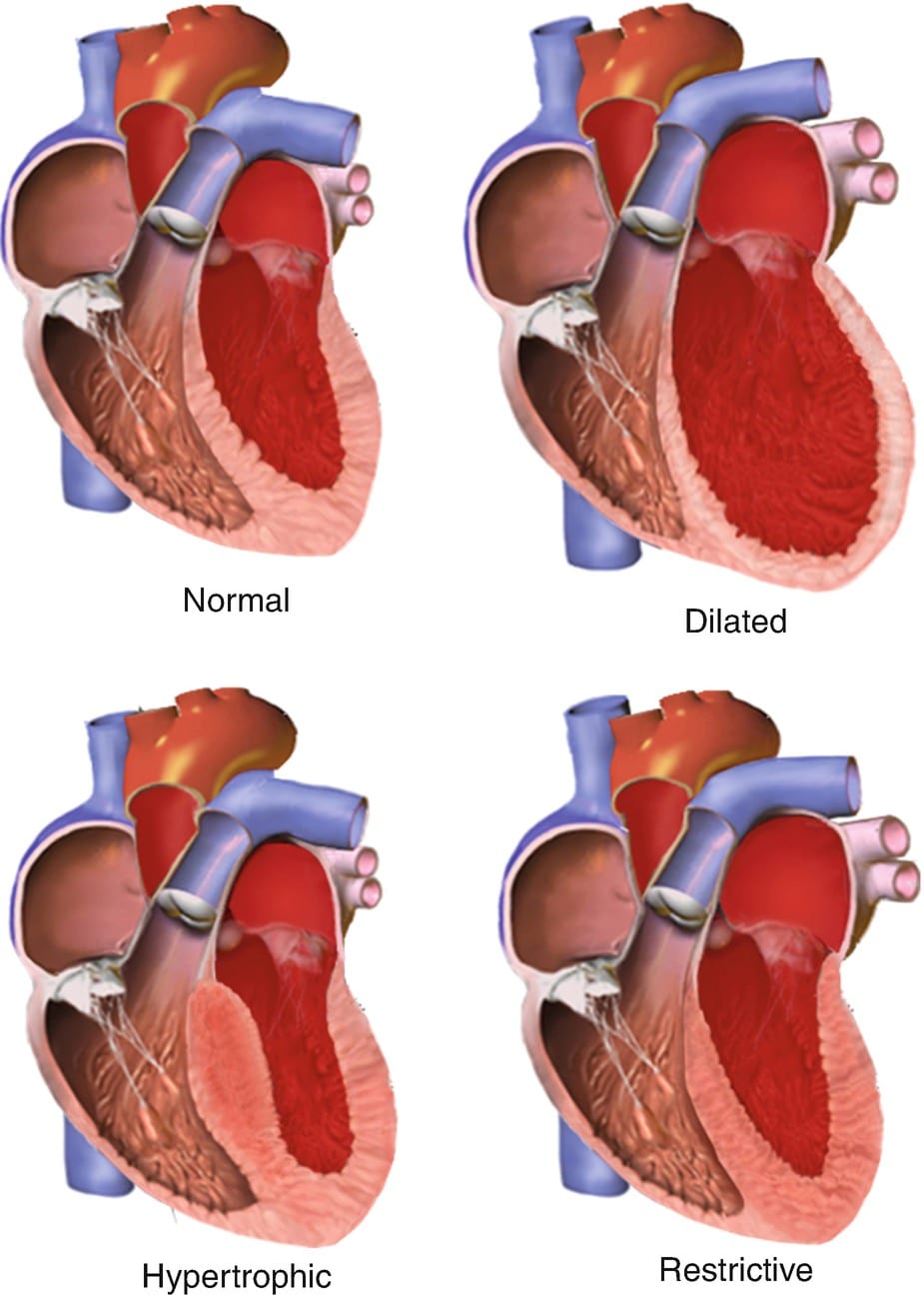
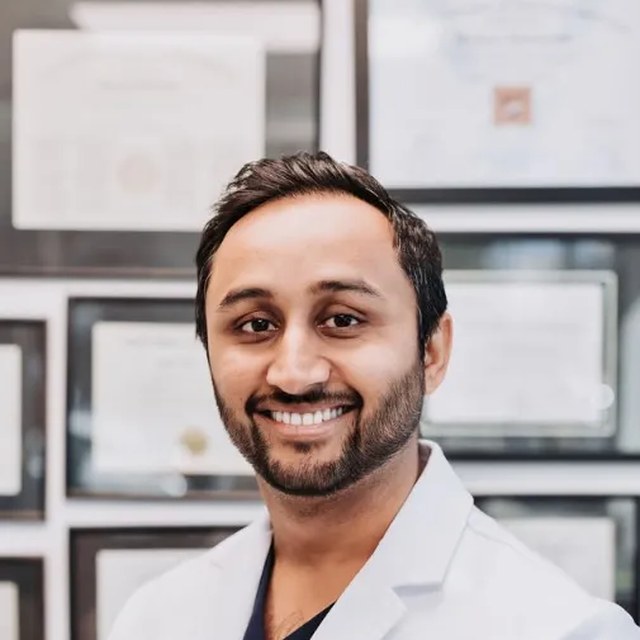
Dr. V. Lala joined CACVI in July 2022. The last stage of his training, in coronary, vascular and structural heart work, took place at The Mount Sinai Hospital; earlier stages, the DO degree included, were in Michigan (Michigan State and McLaren Macomb). Beyond TAVR and coronary cases, his list adds closure of a PFO (a small opening between the upper chambers) and WATCHMAN implants. In clinic he follows high blood pressure, weak or stiff heart muscle, atrial fibrillation and the heart effects of cancer treatment. Readers of the American College of Cardiology's blog and of TCTMD may already know his writing.
If you check cardiologist ratings and reviews before you book, here is how to read the reviews below. They are Google reviews of CACVI as a practice, and each one is tagged with the office it was written about. Many are tagged Los Angeles or Tarzana, but the physicians who see patients on Hesperia Road are the same three. Read past the star count to what reviewers describe: how quickly they were seen, whether the physician explained the plan, and how the staff handled a problem. We show the reviews as Google publishes them and don't edit them.
Chest pain in Hesperia means 911, with two STEMI hospitals close by
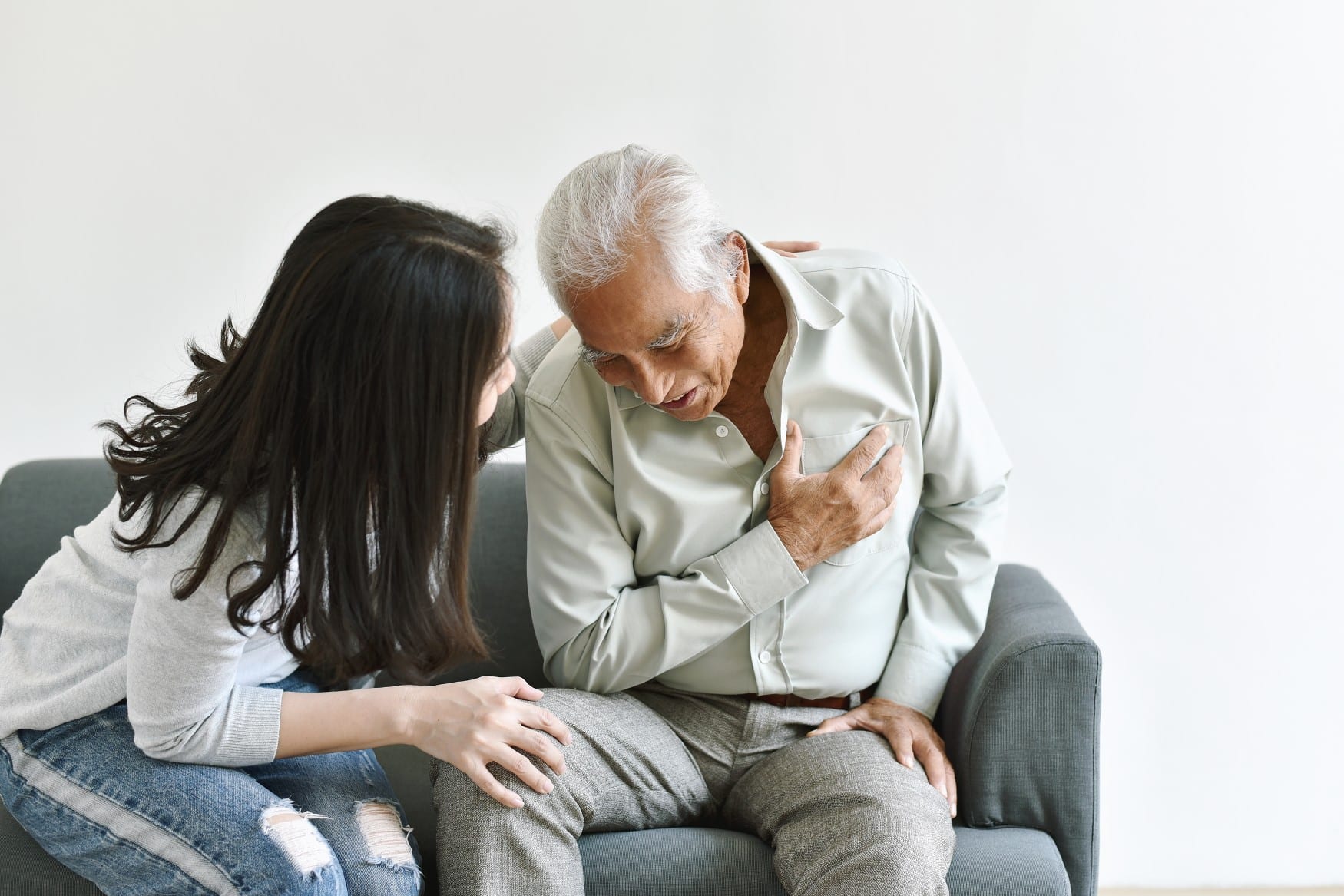
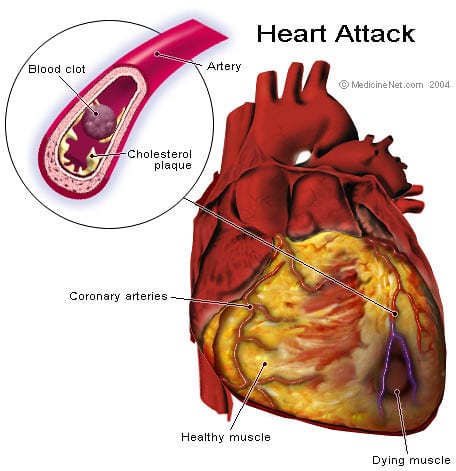
Hesperia Road is a scheduled-visit office with no emergency room, and nobody should drive there with chest pain. Call 911 for any warning sign on the American Heart Association's heart-attack list: discomfort or pressure in the chest, breathlessness, a cold sweat, nausea, light-headedness, or pain moving into an arm, the back, the neck or the jaw. Women are more likely to have the less typical signs, the association says. For stroke, the association's F.A.S.T. check is face drooping, arm weakness, speech difficulty: time to call 911.
Paramedics choose the hospital. In San Bernardino County they work within the STEMI system run by the Inland Counties Emergency Medical Agency (ICEMA), and the two STEMI Centers nearest Hesperia, Desert Valley Hospital and St. Mary Medical Center, are described in the hospitals section above. There's another reason to wait for the ambulance instead of driving: treatment begins in the rig, and the crew can warn the hospital you're coming.
Questions and answers
Hesperia heart-care questions
Where do Hesperia patients see a CACVI cardiologist?
The High Desert office in Victorville is closest, 4.6 miles up Hesperia Road (address below). The other CACVI offices are in Los Angeles and Tarzana, close to two hours away by car.
How do I book a first visit from Hesperia?
Phone 760-706-7115 on a weekday, 8:30 a.m. to 5:00 p.m. New patients are asked to print and fill out the registration form from cacvi.org/new-patients, arrive 15 minutes early, and bring an insurance card, records, imaging and all medicines and supplements.
Do I need a referral to see a cardiologist?
It depends on the coverage. Original Medicare is the simpler case; Medicare.gov's comparison chart says most members need none. Many HMOs and Medicare Advantage plans require a referral or prior approval, so check the plan first. Without insurance, no referral is needed, though a note from your primary care doctor helps.
Does CACVI take walk-in patients?
No. The High Desert office works by appointment only. Anything urgent, such as pressure in the chest or a faint, is a 911 call.
Can I be seen if I don't have insurance?
Yes. Self-pay is accepted at the front desk in cash or by major card. Ask for a good faith estimate when you book; federal rules require one for self-pay patients who ask or who book at least three business days ahead.
Do you take the Empire Plan or other out-of-state plans?
Plans change, so we don't list them here. Call your plan's member services first to ask about out-of-area coverage for California visits, then call 760-706-7115 with the plan's name and your member ID so the office can check.
Are CACVI's physicians heart surgeons?
No. Drs. Khorsandi, M. Lala and V. Lala are cardiologists who do catheter-based procedures such as stents and TAVR. Opening the chest, as in bypass, is a cardiac surgeon's job.
Which STEMI hospitals are nearest Hesperia?
Desert Valley Hospital in Victorville, about 4.5 miles from Hesperia City Hall, is on ICEMA's STEMI Center list. St. Mary Medical Center in Apple Valley, about 10.4 miles away, is also on it. Paramedics decide where to take you.
How long does my old cardiologist have to send my records?
Section 123110 sets two clocks once your written request arrives: five working days to let you read the chart, 15 days to hand over copies. Transfers directly between offices are a courtesy, not a legal deadline.
Is the High Desert office open on Saturdays?
No. It is open Monday to Friday, 8:30 a.m. to 5:00 p.m. Of CACVI's three offices, only Tarzana opens on Saturdays, and it is roughly 95 driving miles away.
Does parking cost anything at the office?
Yes. Cars park on site at no charge, per CACVI's contact page.
Can a cardiologist help with leg pain?
CACVI's physicians treat leg-artery disease as well as heart disease. A leg artery ultrasound and an ankle-arm pressure check are the usual first steps. Circulation problems in the legs get their own Hesperia page on cacvi.org.
Are CACVI's cardiologists board certified?
Each bio on cacvi.org lists that physician's certifications: five, six and five. Certification Matters, run by ABMS, lets you confirm board status yourself.
Is the High Desert office taking new patients?
CACVI's new-patient page explains how new patients register: print the registration form, arrive 15 minutes early and bring your insurance card, records and medicines. Call 760-706-7115 to confirm the next opening for a first visit.
Visit us
Office details for Hesperia patients
Address
CACVI High Desert 12441 Hesperia Road, #A5 & #A6 Victorville, CA 92395
We use cookies to run this site, measure traffic, and serve relevant ads. Choose which categories you allow. You can change this any time. See our Política de privacidad.
Cookie preferences
Choose which cookies you allow. You can change these at any time from the "Cookie preferences" link in the footer.
Strictly Necessary
Required for the site to function (session, security, form submissions). Cannot be disabled.
Always on
Analytics
Help us see how people use the site. Google Analytics counts visits and page views. Microsoft Clarity may record how you move through pages, such as where you click and scroll. CallRail shows a tracking phone number so we can tell which pages lead to calls.
Marketing
Used to measure ad effectiveness and show you relevant ads on other sites (e.g., Google Ads).