




















Respuesta rápida
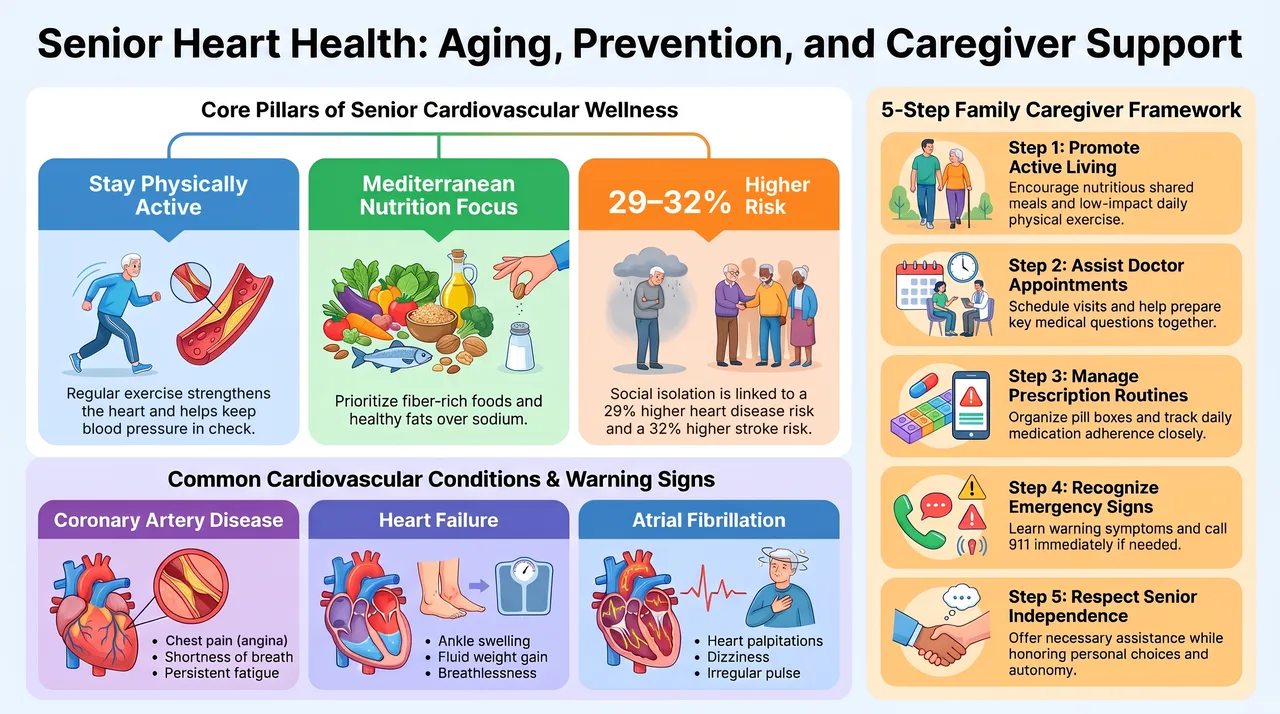
Heart health tips for seniors start with the basics: eat a heart-healthy diet, aim for 150 minutes of moderate activity a week if your doctor agrees, get your blood pressure checked at least once a year, keep cholesterol and blood sugar in range, avoid smoking, sleep 7 to 9 hours, and learn the warning signs of a heart attack and stroke. Family members can help with meals, appointments, and medicines.
As you age, looking after your heart matters even more. Key heart health habits for seniors include eating balanced, healthy meals, staying active, checking blood pressure and cholesterol levels regularly, and managing stress. Simple lifestyle choices like these can lower the risk of cardiovascular disease and support overall well-being.
Our board-certified cardiologists and interventional cardiologists at CACVI care for the heart and blood vessels of older adults at every stage of life. Our team includes Dr. Mehran Khorsandi, who has more than 30 years of experience performing complex cardiovascular interventions. Whether you want to maintain a healthy heart or better understand your risk factors, our team can help you find the care and guidance you need.
In this guide, we discuss how aging affects the heart, 15 practical ways seniors can support their heart health, and common cardiovascular conditions that become more likely with age. We also talk about how family members can help older people and address some typical questions about keeping your heart fit as you get older.
How Does Aging Affect Your Heart Health?
Changes happen naturally as people get older and affect their hearts and blood vessels. These changes aren't inevitable, but they do raise your risk of cardiovascular problems especially if you have other risk factors such as high blood pressure, diabetes, high cholesterol levels, or if you smoke. According to the National Institute on Aging (NIA), the changes in the heart and blood vessels that come with age may increase a person's risk of heart disease and related health problems.
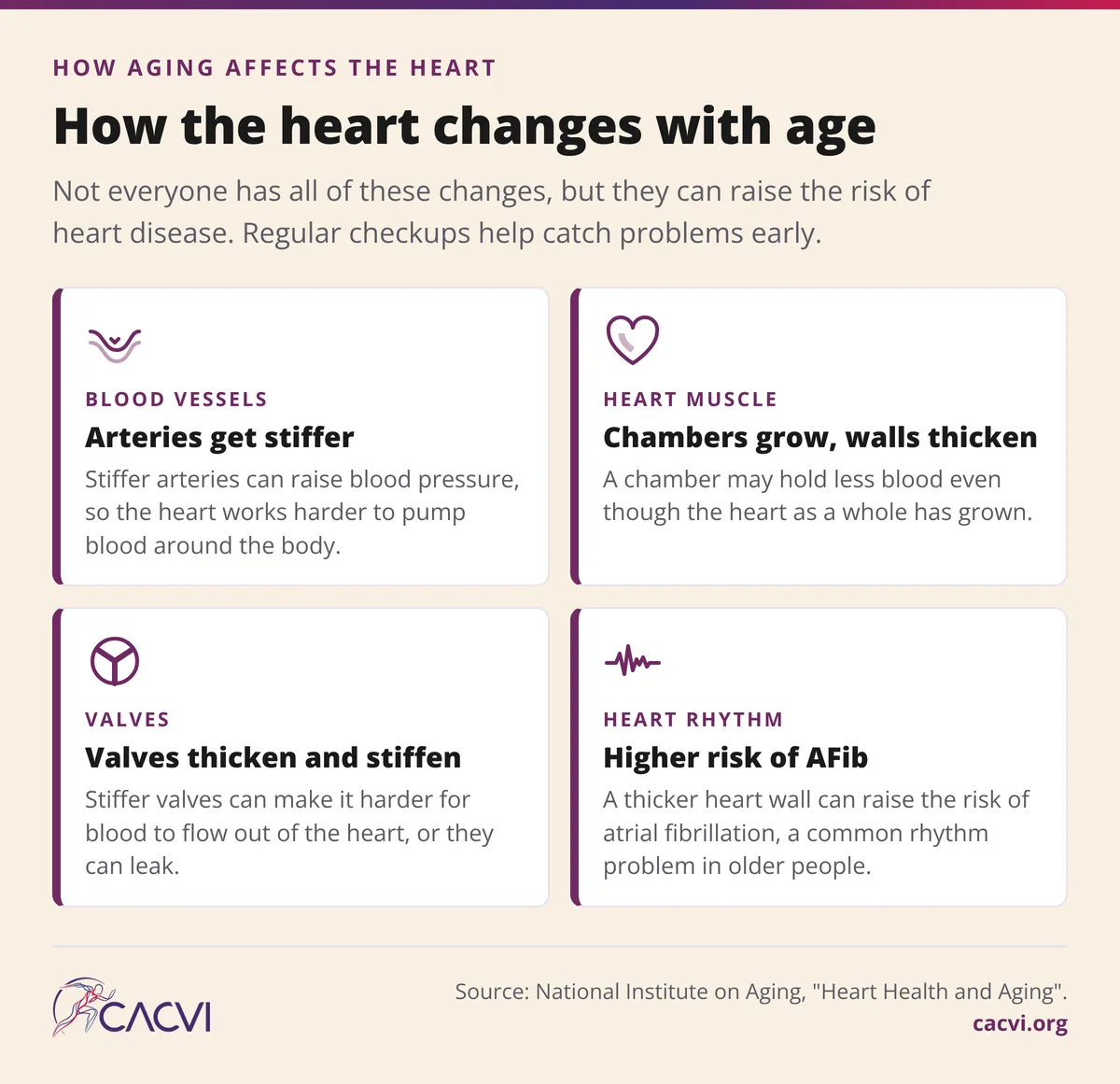
As you grow older, your blood vessels gradually become thicker, stiffer, and less flexible. This means that blood flows less freely through them and blood pressure rises even if you don't feel that you're sick at all. The aorta, which is the body's largest artery, is particularly affected by these changes, so the heart may have to work harder to pump blood around the body.
Aging affects different parts of the heart including muscles, chambers, valves and electrical systems. According to the NIA, the chambers of the heart may become larger while the heart wall thickens, so a chamber may hold less blood even though the heart itself has grown. The valves may also become thicker and stiffer, making it harder for them to open and close properly. A thicker heart wall can also raise the risk of atrial fibrillation, a common heart rhythm problem in older people that can increase the risk of stroke.
When the heart has to pump blood against stiff or narrow arteries because of high blood pressure for a long time, the heart muscle can thicken. Over time, these structural changes may affect how well the heart fills with and pumps blood. This is one reason regular blood pressure checks and medical checkups matter more as you get older.
The risk of cardiovascular disease increases with age because changes gradually accumulate in the heart and blood vessels. For instance, stiffening arteries can contribute to high blood pressure, while fatty deposits called plaque may build up inside the arteries and restrict blood flow. This buildup, called atherosclerosis, can affect the arteries that supply the heart, brain, and legs, and it raises the risk of coronary heart disease, heart attack, and stroke.
Aging can also coincide with other risk factors, including diabetes, high cholesterol, excess body weight, physical inactivity, and a family history of heart disease. The longer these risk factors are present, the higher the risk of cardiovascular disease. But heart disease isn't an automatic part of getting older. Healthy choices, regular blood pressure and cholesterol checks, and good medical care can help older adults manage their risks and protect their hearts.
15 Practical Heart Health Tips for Seniors
As you grow older, caring for your heart doesn't necessarily mean completely changing your usual daily routine. Small, consistent habits, such as choosing nutritious meals, taking regular walks, getting enough sleep, and keeping up with medical appointments, can help your cardiovascular health. Here are 15 practical heart health tips that help you manage your risks and stay independent as you grow older.
1. Eat a Heart-Healthy Diet
Your food intake each day matters for your cardiovascular health particularly as you grow older. A heart-healthy diet is rich in fresh fruits and vegetables, whole grains, beans, nuts, and lean protein like skinless chicken. Also, you want to pick healthier fats from things like olive oil and avocados rather than using lots of butter or fatty meat and other sources that contain high levels of saturated fat.
The National Institute on Aging recommends foods high in fiber and low in saturated fats, added sugars, and salt. You can also try the Mediterranean or DASH (Dietary Approaches to Stop Hypertension) eating patterns, which emphasize nutritious whole foods and can support healthy blood pressure and cholesterol levels. Processed foods and sugary drinks should be kept to a minimum along with meals that have too much salt. For more ideas, see our guide to the best foods for heart health.
2. Stay Physically Active
Regular exercise strengthens your heart and improves circulation and keeps blood pressure, cholesterol, and blood sugar at good levels. You don't have to work out hard; you can still get these benefits. Activities such as walking, swimming, cycling, gardening, and dancing can help older adults stay active and support their overall health.
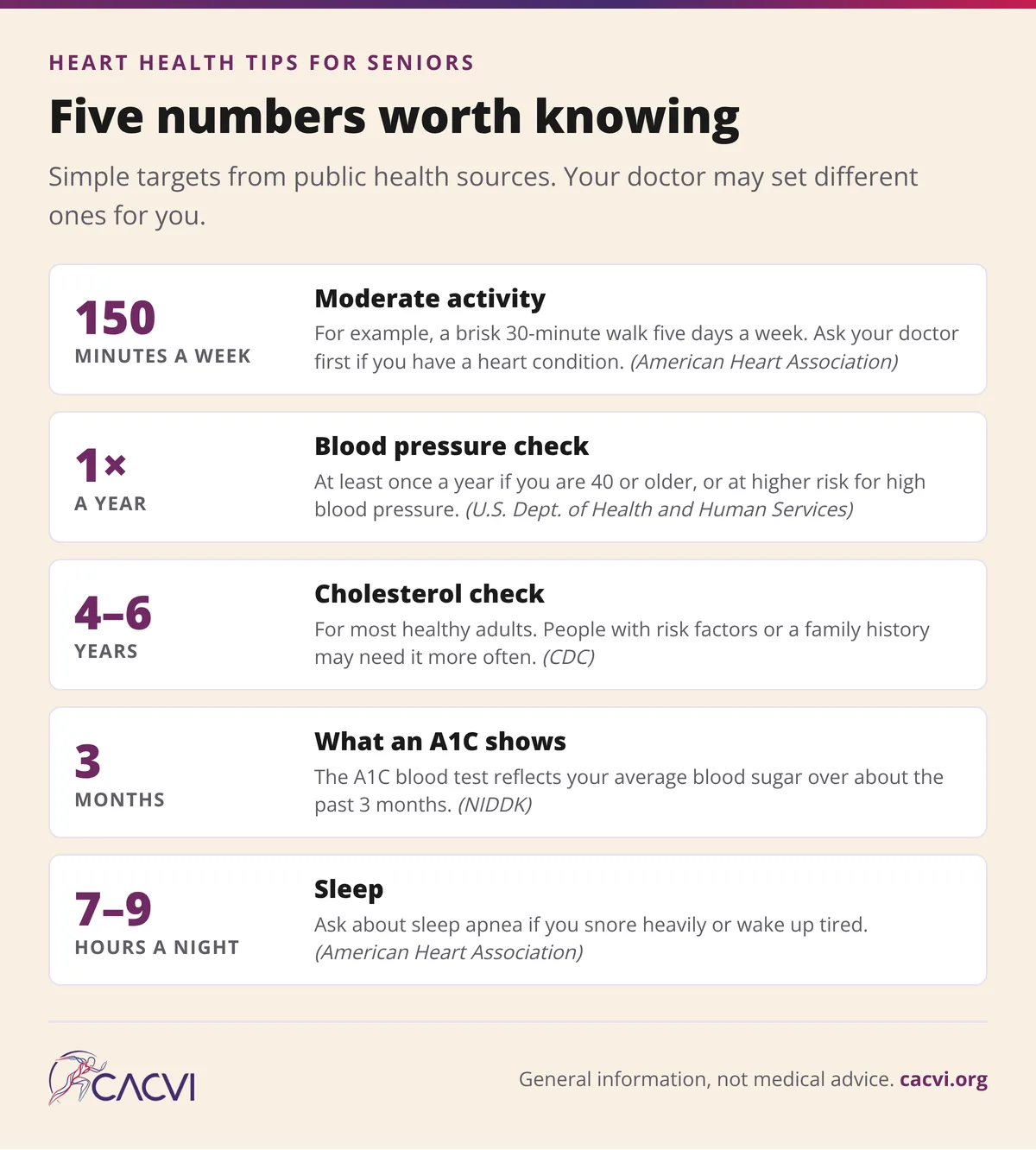
The American Heart Association recommends at least 150 minutes of moderate-intensity aerobic activity each week for adults. This could be as simple as brisk walking for 30 minutes a day five days a week. You can also spread your activity out into shorter sessions if this works better. The AHA also recommends muscle-strengthening activity at least 2 days a week, and older adults benefit from balance exercises that lower the chance of falling. If you have an existing health condition or have been inactive for a long time, speak with your healthcare provider before starting a new exercise routine.
3. Monitor Your Blood Pressure Regularly
High blood pressure is often called a silent condition because it may not cause noticeable symptoms, even when it is increasing your risk of heart disease and stroke. As you age, your arteries may become stiffer, so keeping track of your blood pressure becomes even more useful. Monitoring regularly helps both you and your doctor spot changes early and decide if changes in lifestyle or treatment are necessary.
Consider having your blood pressure checked during routine medical appointments or using a reliable home monitor if your healthcare provider recommends it. Keep a record of your readings, including the dates and times, so you can discuss any consistent increases or unusual changes at your next appointment. The U.S. Department of Health and Human Services recommends that adults aged 40 or older, and anyone at higher risk of high blood pressure, have their blood pressure checked at least once a year.
4. Keep Your Cholesterol Levels in Check
Your body needs cholesterol, but too much of some kinds can lead to plaque buildup in your arteries. This buildup restricts blood flow and increases chances of things like heart attacks and strokes. People who are older should pay close attention to their cholesterol levels especially if there are other risk factors around like diabetes or high blood pressure and family history of heart disease.
Your healthcare provider can use a simple blood test to check your cholesterol levels and decide if you should change your lifestyle or take medications. You can improve your cholesterol by eating more fiber and using healthier unsaturated fats and also exercising more. You should consume less food that is rich in saturated or trans fat too. The CDC recommends cholesterol testing at least once every four to six years for adults without known risk factors, although people with existing conditions or a family history may need more frequent checks.
5. Manage Your Blood Sugar
High blood sugar can damage blood vessels and the nerves that control the heart, increasing the risk of cardiovascular disease over time. This is especially important for older people who already have diabetes or prediabetes because high blood sugar levels increase other health risks too. Even if you've never been diagnosed with diabetes, keeping blood sugar within a healthy range also helps safeguard your heart.
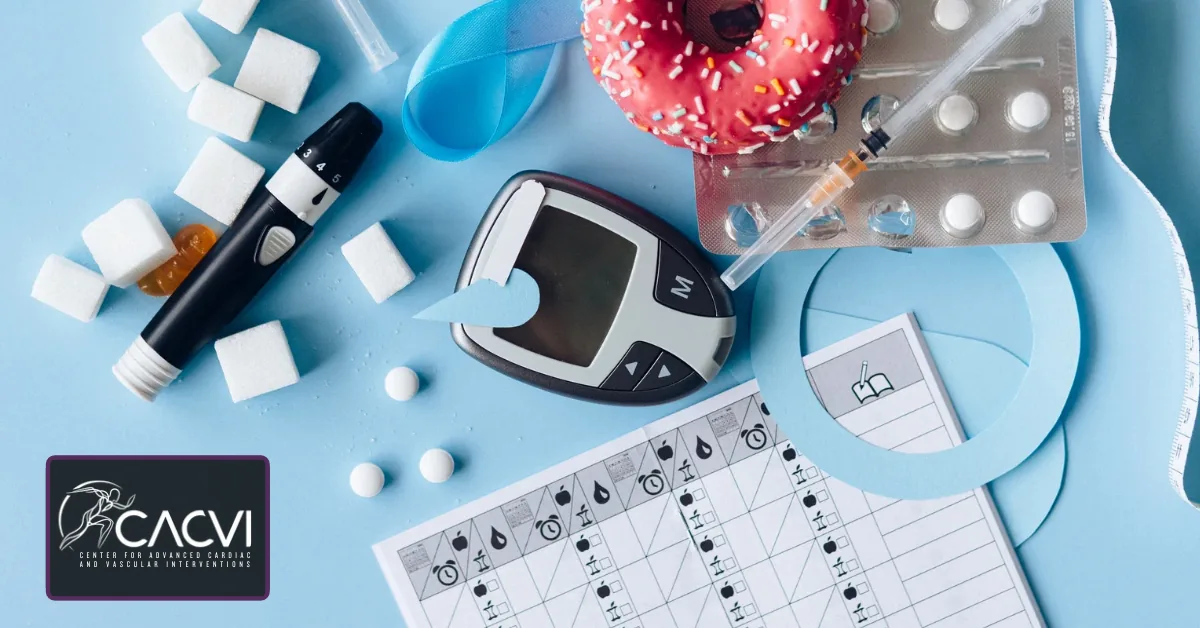
Pick balanced meals with vegetables, whole grains, lean protein, and high fiber content instead of drinking lots of sugary beverages or eating sweet things and refined carbs. If you have diabetes, follow your doctor's advice about testing your blood sugar regularly and taking any prescribed medicine. You may also need regular A1C tests, which show your average blood sugar levels over approximately three months.
6. Maintain a Healthy Weight
Extra weight puts an added burden on the heart and blood vessels; it also increases the likelihood of high blood pressure, diabetes and high cholesterol. Keeping a healthy weight reduces those risks and supports better cardiovascular health. For older adults, weight loss needs care, because losing too much weight or muscle can affect strength, mobility, and independence.
Focus on eating well-balanced meals and taking appropriate portions along with regular exercise rather than focusing on restrictive diets or fast weight loss efforts. Protein is important for muscle health so include that in meals as well and do a mix of cardio exercise with some strength training too. Your doctor or a registered dietitian can also help you figure out a healthy weight range based on things like your age, medical history and overall health.
7. Quit Smoking and Limit Alcohol Consumption
Smoking damages blood vessels and reduces the amount of oxygen the blood carries. This raises the risk of cardiovascular disease and strokes. Secondhand smoke also affects cardiovascular health, so try to avoid smoky areas whenever possible. If you do smoke now, quitting smoking will improve your health and reduce your risk of cardiovascular diseases, even if you've been smoking for a long time.
Alcohol consumption also deserves attention as you get older. Drinking too much can contribute to high blood pressure and may interact dangerously with medications commonly prescribed to older adults. The National Institute on Aging notes that health problems or prescribed medicines may mean an older adult needs to drink less or not at all. If you need help in quitting smoking or reducing alcohol intake, you should talk to your doctor about practical ways to get support and treatment.
8. Prioritize Quality Sleep
Getting good quality sleep is important because it allows the body to rest and heal; it's also closely related to cardiovascular health. Poor sleep has been connected to hypertension, obesity, diabetes and other conditions that raise risks for heart disease. However, changes in sleeping patterns are common as people age, making it harder for some older adults to fall asleep or stay asleep throughout the night.
The American Heart Association recommends that most adults aim for seven to nine hours of sleep each night. You can improve your sleep routine by going to bed at a consistent time, keeping your bedroom comfortable, limiting caffeine late in the day, and reducing screen time before bed. If you regularly struggle with sleep, snore heavily, or wake up feeling tired despite spending enough time in bed, speak with your healthcare provider about possible sleep disorders such as sleep apnea.
9. Find Healthy Ways to Manage Stress
Long-term stress can affect your emotional and physical well-being, and it may contribute to behaviors that increase cardiovascular risk, such as poor eating habits, physical inactivity, and disrupted sleep. Stress can also cause temporary increases in heart rate and blood pressure. So finding healthy ways to manage everyday stress helps you to maintain good heart health.
Consider activities that help you relax, such as meditation, gentle yoga, listening to music, gardening, reading, or spending time outdoors. Talking with friends and family can also ease stress. If stress, anxiety, or low mood becomes difficult to manage, consider speaking with a healthcare professional about additional support.
10. Take Prescribed Medications as Directed
If you have been diagnosed with high blood pressure, high cholesterol, diabetes, or another cardiovascular condition, your prescribed medication may be a key part of managing your health. These drugs help you control risk factors and avoid complications and reduce chances of certain heart problems. But they work much better if you take them as directed by your doctor.
Make sure your daily doses of medicine are easy to remember. You could use a pill organizer, set reminders on your phone, or ask a trusted family member to help you keep track of your prescriptions. Avoid skipping doses, changing your dosage, or stopping medication simply because you feel better. If you have any side effects, problems paying for medications, or aren't sure if it's okay to take two different drugs at once, talk to your doctor or pharmacist.
11. Stay Hydrated
Drinking enough water is important for your body because it helps regulate temperature, supports circulation, and distributes nutrients. Older adults may be more vulnerable to dehydration because the body's sense of thirst can become less reliable with age. Certain medications and health conditions also affect fluid balance; you should monitor how much you drink every day.
Drink water throughout the day instead of waiting until you're thirsty. Foods rich in water such as cucumbers, oranges, melons like watermelon and soups can also help with hydration. But if you have heart failure or kidney disease or other conditions where you need to restrict fluids, listen to your doctor for specific guidance on how much fluid you should consume.
12. Schedule Regular Heart Health Checkups
Regular health checkups allow your doctor to evaluate your heart and circulatory system and catch any potential issues early when they are easier to deal with. During these appointments, your provider may check your blood pressure, cholesterol, blood sugar, weight, and other indicators based on your age and medical history. Your doctor will also talk through any symptoms that you have noticed and decide if you need further screening tests.
Don't wait until you feel chest pain or other clear symptoms to make an appointment. Conditions such as high blood pressure and high cholesterol can develop without obvious warning signs. If you have pre-existing heart conditions or other long-term illnesses, stick with the medical advice about when to schedule appointments from your healthcare providers.
13. Know Your Family History of Heart Disease
Your family history can provide useful information about your risk of developing cardiovascular disease. If someone in your immediate family like a parent or sibling has had heart attacks or strokes, you should talk to your doctor about that. There are certain genetic conditions too which can cause very high cholesterol and also increase chances of heart disease.
Talk to close family members to see if they have had any heart problems and if possible, ask them what age they got those conditions. Share this information during your medical appointments so your healthcare provider can assess whether you need earlier or more frequent screening. Even though you can't alter your family history, understanding it helps you make good choices for prevention and treatment.
14. Recognize the Warning Signs of Heart Problems
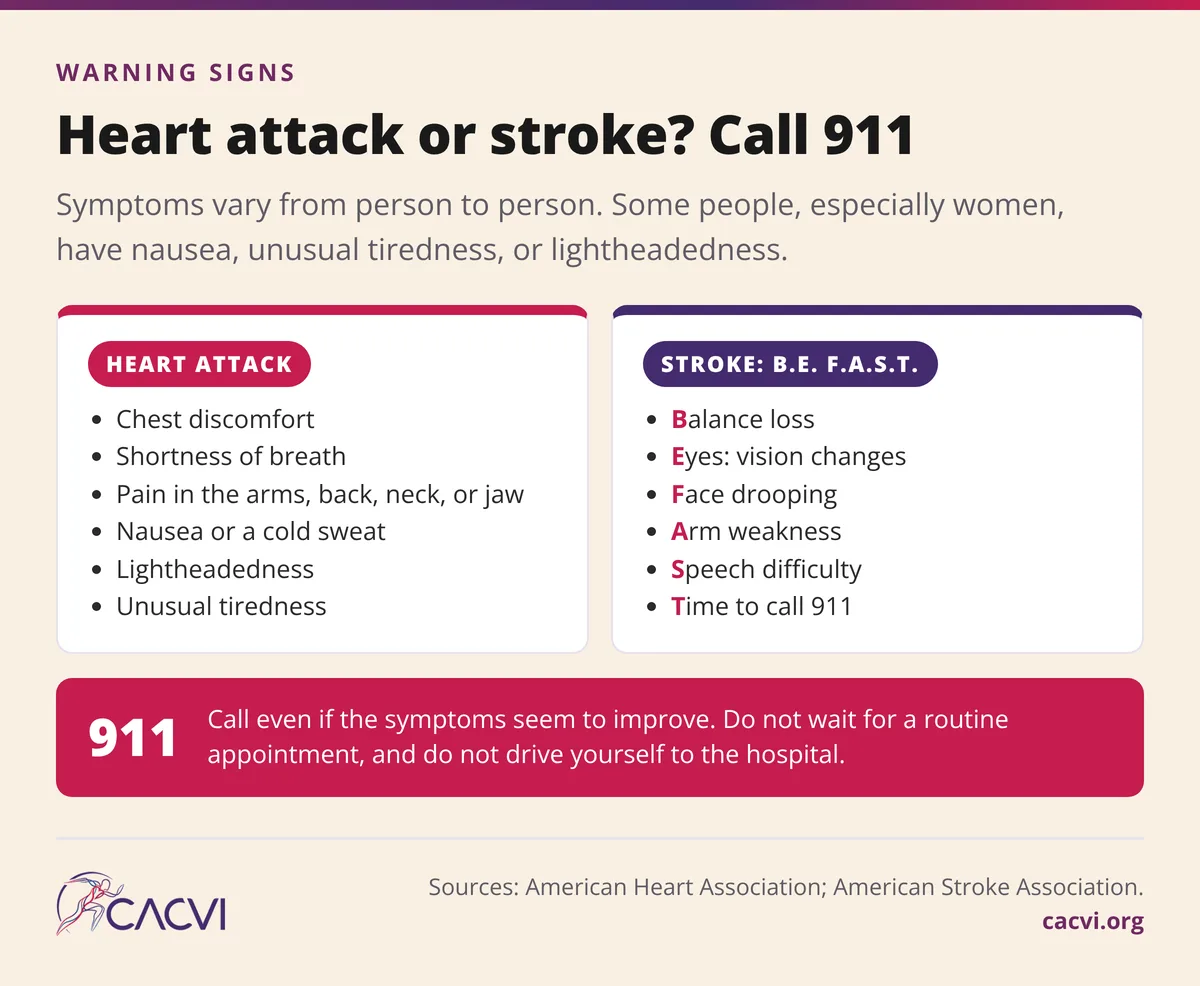
Being aware of warning signs for heart trouble lets you seek medical help sooner rather than later. Some common symptoms of a heart attack include chest discomfort, shortness of breath, pain in the arms, back, neck or jaw, nausea, cold sweats, and lightheadedness. Older adults may also experience unusual tiredness or dizziness, sometimes without the typical chest discomfort.
You should also know the warning signs of a stroke. Remember BE FAST: sudden Balance loss, Eye or vision changes, Face drooping, Arm weakness, and Speech difficulty. The final letter, T, stands for time to call 911. If you or someone else experiences possible heart attack or stroke symptoms, call 911 immediately, even if the symptoms appear to improve. Don't wait until your regular doctor's appointment to do so. And don't try to drive yourself to the hospital when you have symptoms like these.
15. Stay Connected With Family and Loved Ones
Healthy aging is also about building strong relationships. Spending time with family, friends and members of your community helps with emotional health, reduces feelings of loneliness and encourages you to stick to good habits. According to an American Heart Association scientific statement, social isolation and loneliness are associated with about a 29% higher risk of coronary heart disease, including heart attack, and a 32% higher risk of stroke.
Set aside time regularly to call friends and family and spend time together over meals and activities that interest you. You could go on a walking group, participate in community events, or volunteer. If you have difficulty going outside due to mobility problems or health conditions, you can still stay connected through video calls, phone calls, and messages. Having a strong support network is also helpful for showing up at doctor visits and sticking to treatment plans as well as maintaining good habits related to your heart health.
Common Heart Problems in Elderly Adults
As people grow older, there are changes that can make them more prone to getting certain cardiovascular diseases. Some conditions develop gradually without noticeable symptoms, while others may cause discomfort, fatigue, breathlessness, or changes in heart rhythm. Understanding these common kinds of heart trouble among seniors helps both seniors and caregivers recognize possible warning signs so they can get appropriate medical care promptly.
| Heart condition | What it means | Common symptoms and warning signs |
|---|---|---|
| Coronary artery disease (CAD) | This occurs when plaque builds up inside the arteries supplying blood to the heart, causing them to narrow or become blocked. It can reduce blood flow to the heart muscle and increase the risk of a heart attack. | Chest pain or pressure (angina), shortness of breath, fatigue, and discomfort in the arms, shoulders, neck, jaw, or back. Some older adults may experience few or no obvious symptoms. |
| High blood pressure (hypertension) | High blood pressure occurs when the force of blood pushing against artery walls remains consistently too high. Over time, this can damage blood vessels and increase the risk of heart attack, stroke, and heart failure. | It often has no noticeable symptoms, which is why regular blood pressure checks matter. Severely elevated blood pressure may cause headaches, vision changes, or chest pain, and these symptoms need prompt medical assessment. |
| Heart failure | Heart failure occurs when the heart cannot pump enough blood to meet the body's needs or cannot fill properly with blood. It may develop following conditions such as coronary artery disease, high blood pressure, or previous heart damage. | Shortness of breath, swollen feet or ankles, persistent tiredness, rapid weight gain from fluid retention, and difficulty breathing when lying down. |
| Atrial fibrillation (AFib) | Atrial fibrillation is an irregular heart rhythm that causes the upper chambers of the heart to beat chaotically. It can interfere with normal blood flow and increase the risk of blood clots and stroke. | Heart palpitations, a racing or irregular heartbeat, dizziness, fatigue, and shortness of breath. Some people experience no symptoms and discover they have the condition during a medical examination. |
| Heart valve disease | This occurs when one or more of the heart's valves become damaged, narrowed, or unable to close properly. Age-related changes can cause valves to thicken or stiffen, making it harder for blood to flow through the heart. | Chest discomfort, shortness of breath, fatigue, dizziness, fainting, and swollen ankles or feet. Some people may have no symptoms in the early stages. |
| Enfermedad arterial periférica (PAD) | PAD develops when plaque builds up in arteries that supply blood to areas outside the heart, most commonly the legs. This reduces circulation and can make walking uncomfortable. | Leg pain or cramping during physical activity that improves with rest, numbness, coldness in the lower leg or foot, slow-healing sores, and changes in skin color. |
Certain conditions often occur together especially among older people who have risk factors such as diabetes, smoking, high cholesterol levels, and a family history of cardiovascular disease. Regular medical checkups are important to detect problems early and help in deciding on proper treatment. Seek immediate medical care if you experience sudden chest pain, severe difficulty breathing, fainting or any symptoms that suggest a heart attack or stroke.
How Can Family Members Help Seniors Maintain Good Heart Health?
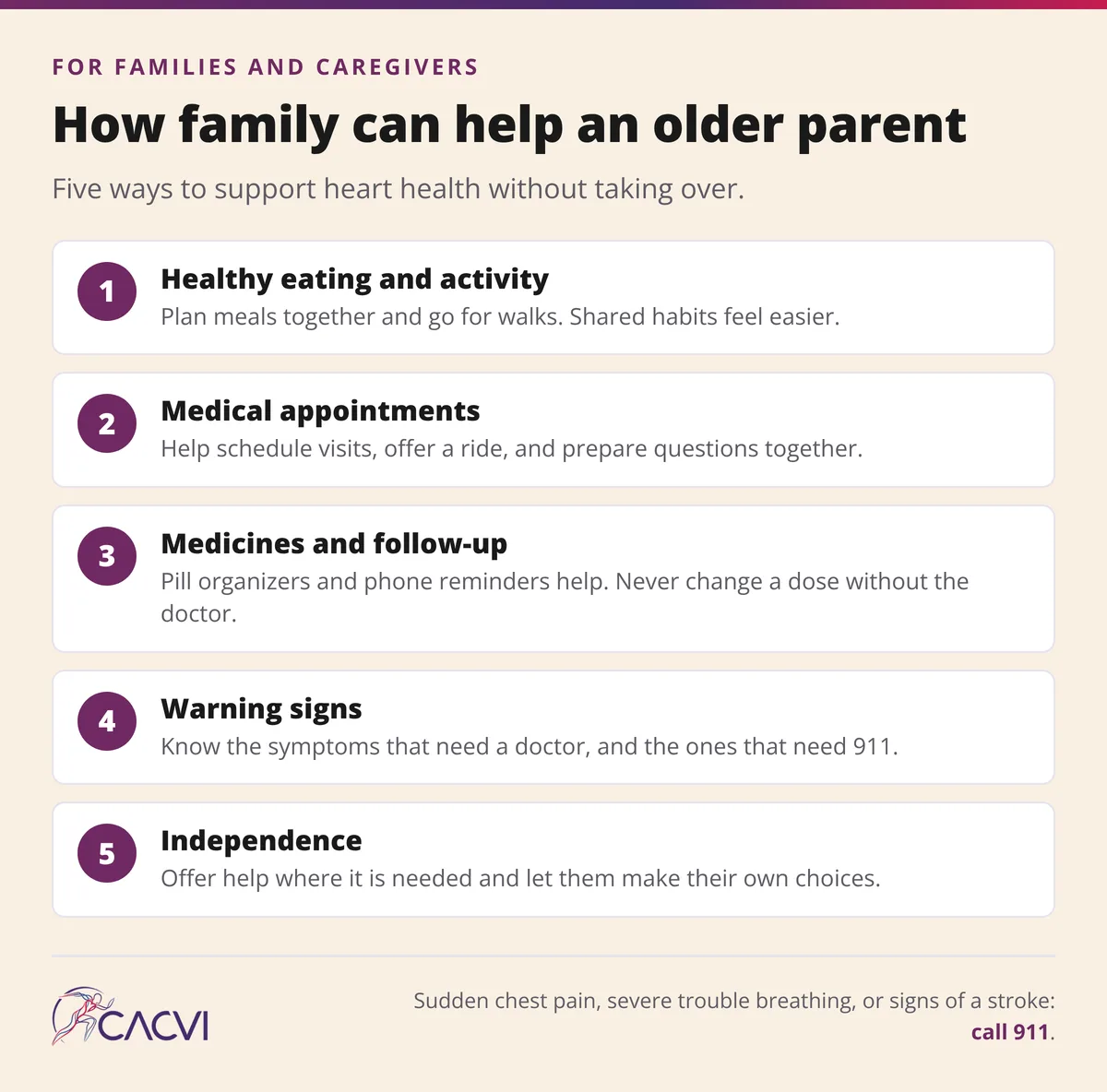
Family members usually spot changes in health of elderly loved ones before others do, and providing daily support helps make adopting heart-healthy habits easier. There are five things you can do to support your elderly parent or loved one.
Encourage Healthy Eating and Regular Physical Activity
Help loved ones make healthy choices that are good for their hearts. Plan meals that contain fresh fruits and veggies, whole grains, lean proteins and healthy fats and reduce sodium and added sugar as well as saturated fat intake. Motivate them towards fun activities such as walking, gardening, swimming or gentle exercise depending on their ability levels. Go on walks with them or cook together every day; this makes making these lifestyle changes feel much less burdensome.
Help Them Attend Medical Appointments
Regular doctor visits let providers can monitor health markers like blood pressure, cholesterol levels, blood sugar levels and other risks related to heart health. Consider scheduling visits and offering to drive or accompany your parents if they would benefit from this. You can also help them prepare questions to ask the cardiologist about symptoms, test results, and treatment choices so that they can make the most of each visit.
Support Medication Routines and Follow-Up Care
If your loved one takes medication for high blood pressure, high cholesterol, diabetes, or a heart condition, help them follow their prescribed treatment plan. Pill organizers, medication schedules or reminders on phones can help them remember to take their daily doses. Keep a current list of all the medications they are on and encourage them to go to follow-up visits. Never change or stop their medication without consulting their healthcare provider.
Learn to Recognize Symptoms That Require Medical Attention
Understanding the warning signs of heart problems can help you respond quickly when your loved one needs medical attention. Look out for symptoms such as chest discomfort, shortness of breath, persistent fatigue, swelling in legs, lightheadedness or irregular heartbeats. If sudden chest pain, extreme difficulty breathing, drooping face, arm weakness or trouble talking occurs, it may be a medical emergency. Call 911 immediately if you suspect a heart attack or stroke rather than waiting for a routine appointment.
Encourage Independence While Offering Help When Needed
Taking care of an elderly parent is not about handling all aspects of their day-to-day life. Leave them some space to decide things like what to eat, how to spend time, what doctors' appointments they go to, and what their daily routines look like. Offer help when they need it though. For example, you could help with grocery shopping, accompany them on walks, or arrange transportation without making them feel that they have lost control of their independence. Let them keep as much independence as possible. Regular conversations with them about their specific needs and likes can allow you to give the right kind of support and safeguard their sense of independence and mental health.
Need Help Supporting Your Heart Health as You Age?
Taking care of your heart becomes important as you grow older and involves knowing your risks and making lifestyle changes that help cardiovascular health. At CACVI we have cardiologists and interventional cardiologists who diagnose and treat many different kinds of heart conditions as well as issues with circulation and blood vessels like peripheral artery disease. Whether you have concerns about your blood pressure, heart rhythm, or circulation, or simply want a checkup, contact CACVI to talk with our team.

Talk to a CACVI Cardiologist
If you or an older parent has chest discomfort, heart rhythm concerns, high blood pressure, or circulation problems, our team can check the heart and blood vessels in one practice. We see patients in Los Angeles, Tarzana, and Victorville.
Contact CACVI →Frequently Asked Questions About Heart Health for Seniors
Taking care of your heart as you grow older often means thinking about things like family medical histories, common heart conditions, and ways that people close to you can help out. Here are answers to some frequently asked questions to help you make informed decisions about your cardiovascular health.
What Are the Most Common Heart Problems in Elderly Adults?▾
Common heart and cardiovascular conditions in older adults include coronary artery disease, high blood pressure, heart failure, atrial fibrillation, and heart valve disease. Peripheral artery disease is also common and can reduce blood flow to the legs, causing discomfort when walking. Our guide on whether you can reverse peripheral artery disease explains what treatment can do.
Is Heart Disease Inherited From Your Mother or Father?▾
You can inherit genetic risks for heart disease from either parent; therefore you shouldn't ignore the family histories of either parent. Having a close relative who developed heart disease, particularly at a younger age, may increase your risk, although lifestyle and other health conditions also play a role.
Does Heart Disease Run in Families?▾
Yes, heart disease can run in families because family members may inherit genetic traits related to cholesterol levels and blood pressure as well as other risks associated with heart health. However, family habits, including eating patterns, physical activity, and smoking, can also influence heart health across generations.
Does Your Heart Grow as You Get Older?▾
It can. According to the National Institute on Aging, the chambers of the heart may get larger over time, so the heart as a whole can grow. The heart wall also thickens, which means a chamber may hold less blood even though the heart is bigger. A thicker heart wall can also raise the risk of atrial fibrillation, so new palpitations or a racing heartbeat are worth mentioning to your doctor.
What Is Considered a Family History of Heart Disease?▾
Family history of heart disease usually means that a close family member, like a parent or sibling or child, has had some kind of cardiovascular problem. Doctors pay particular attention to premature heart disease in the family, meaning a male first-degree relative diagnosed before age 55 or a female first-degree relative diagnosed before age 65.
What Are the Warning Signs of Heart Disease in Older Adults?▾
Warning signs can include chest discomfort, shortness of breath, unusual fatigue, dizziness, swollen ankles, and an irregular or racing heartbeat. Some older adults may experience less obvious symptoms, so sudden chest pain, severe breathing difficulties, or possible stroke symptoms require an immediate call to 911.
How Can I Talk to My Elderly Parents About Accepting Help?▾
Talk to them patiently and empathetically and focus on how you can help them stay healthy, comfortable and independent. Don't suggest that they can no longer take care of themselves. Ask what kind of assistance they would find useful, whether it is attending medical appointments, preparing meals, or having someone accompany them on daily walks.
How Can Grandchildren Help Care for Their Grandparents?▾
Grandchildren can support their grandparents by spending quality time with them, helping with everyday tasks, joining them for gentle physical activities, and reminding them about medical appointments or medication routines when appropriate. Regular visits, phone calls, and shared activities can also reduce loneliness and help older adults feel loved and supported.
How Can You Care for an Elderly Person With Heart Failure?▾
Help them follow their prescribed treatment plan, attend medical appointments, take medications as directed, and follow any dietary or fluid recommendations from their healthcare provider. You should also watch for worsening breathlessness, increased swelling, sudden weight gain, or unusual fatigue, and seek medical advice promptly when these symptoms appear. Our guide to heart failure life expectancy explains the factors that affect long-term outlook.
Medical Disclaimer: This article is intended for general educational and informational purposes only and should not be considered medical advice, diagnosis, or treatment. Heart health needs vary from person to person, so consult a qualified healthcare professional for advice about symptoms, medications, lifestyle changes, or any concerns about your cardiovascular health. If you experience symptoms of a heart attack or stroke, call 911 immediately.
Revisado médicamente por Dr. Mehran J. Khorsandi, M.D., CCDS, FACP, FACC, FSCAI · Last reviewed November 2026
Contacte a CACVI
If you were told you need an amputation, get a second opinion! We are board certified consultants in endovascular interventions committed to improving the quality of your life and the lives of those you love!
Thanks for contacting CACVI! We will be in touch with you shortly.