


Evaluación cardíaca
Cardiology care for Hermosa Beach and the South Bay coast
If you need heart care in Hermosa Beach, you may already know more than “a cardiologist.” You may be able to name the thing you’ve already been told about: a valve that needs watching, a blood thinner that came home with you after a hospital stay, an oncologist who wants an echocardiogram before chemotherapy starts, a stress test that didn’t come back clean. This page is built around those named services, and around the people who live between the Strand and Pacific Coast Highway and want answers from a cardiology practice.
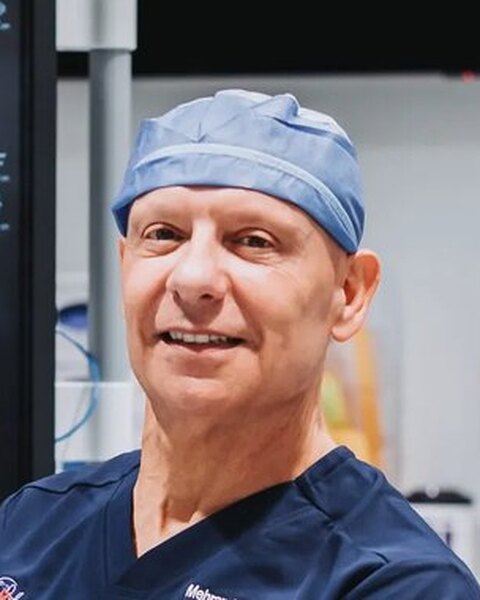
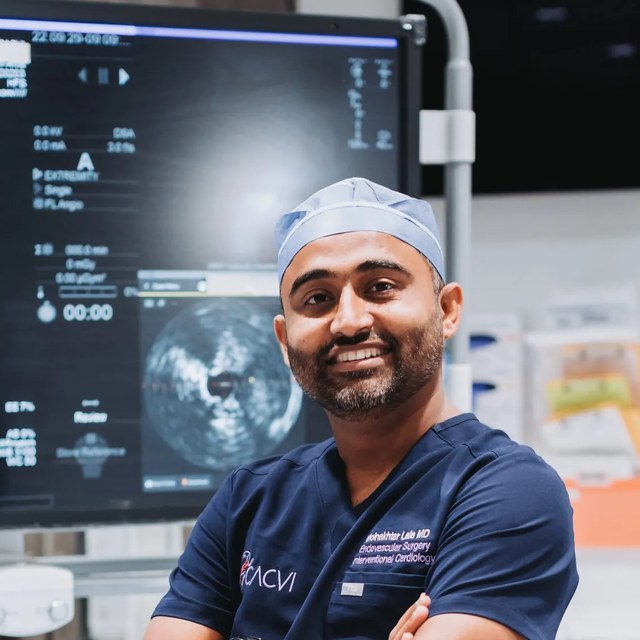
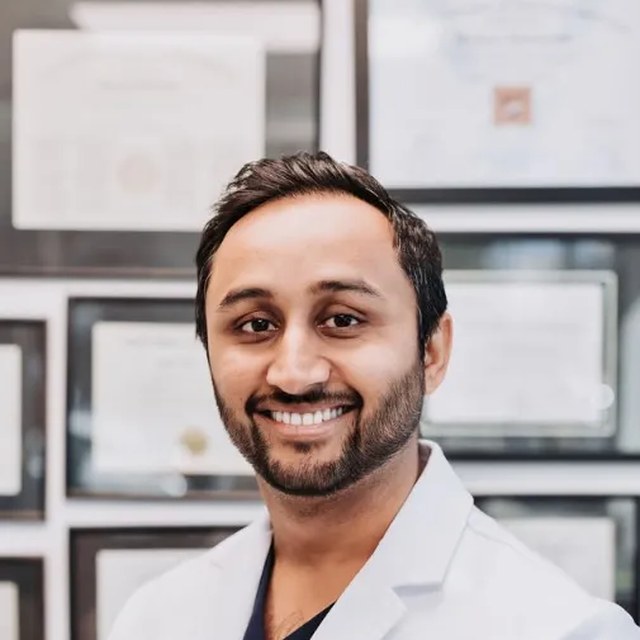
Hermosa Beach patients of the Center for Advanced Cardiac and Vascular Interventions (CACVI) are seen at the Los Angeles office, 8741 Alden Drive, Suite A, Los Angeles, CA 90048, 17 to 20 miles north of City Hall by road, depending on the route. The appointment line is 310-652-2744. Three physicians practice there, all of them interventional cardiologists: Dr. Mehran J. Khorsandi, Dr. Moinakhtar Lala and Dr. Vasim Lala. Your first appointment there is a cardiac evaluation, and whatever testing your question needs, an EKG or an echo for instance, can usually happen down the hall on the same visit.
Already know what you need looked at? Call 310-652-2744, say you’re coming from Hermosa Beach, and name the problem, the test or the procedure. If you’re having chest pain, have fainted or can’t catch your breath at this moment, dial 911 instead.
Hermosa Beach to Alden Drive: the office, hours, drive and hospitals in one table
Each row below was checked against the source in its last column. Office details come from CACVI’s own appointments page; the drive figures come from Google Maps for a Tuesday in December; the emergency details come from the City of Hermosa Beach, Providence and the Los Angeles County EMS Agency.
| Checked detail | Why it matters from Hermosa Beach | Source |
|---|---|---|
| Nearest CACVI office: 8741 Alden Drive, Suite A, Los Angeles, CA 90048 | South Bay patients are seen at Alden Drive, so every visit is a trip north. | CACVI appointments page |
| Appointment line 310-652-2744; fax 310-967-2140; info@cacvi.org | Name the service you are asking about when you call. | CACVI appointments page |
| Office hours Monday to Friday, 8:30 a.m. to 5:00 p.m.; closed weekends | Plan the visit around weekday traffic on the way home. | Google Maps listing |
| 16.9 miles via La Cienega Blvd or 20.2 miles via the I-405 from Hermosa Beach City Hall | Close enough for a morning visit and home by early afternoon. | Google Maps directions |
| Typical Tuesday range: 50 min to 2 hr leaving at 8:00 a.m.; 35 min to 1 hr 25 min leaving at 11:00 a.m. | The hour you leave matters more than the route. | Google Maps directions |
| Robertson Alden Garage (Lot 703), 141 Robertson Blvd: first 2 hours free, $12 daily maximum | A three-minute walk; two free hours covers most first visits. | CACVI appointments page |
| Fire and EMS by LA County Fire since December 30, 2017; Station 100 at 540 Pier Avenue | A 911 call in Hermosa Beach goes to County Fire, with McCormick Ambulance transport. | City of Hermosa Beach |
| Providence Little Company of Mary Medical Center Torrance, 4101 Torrance Blvd: STEMI Heart Attack Receiving Center | A South Bay emergency department designated for heart attacks. | Providence emergency care |
Structural heart disease: the valve and septal problems beach-city patients ask about
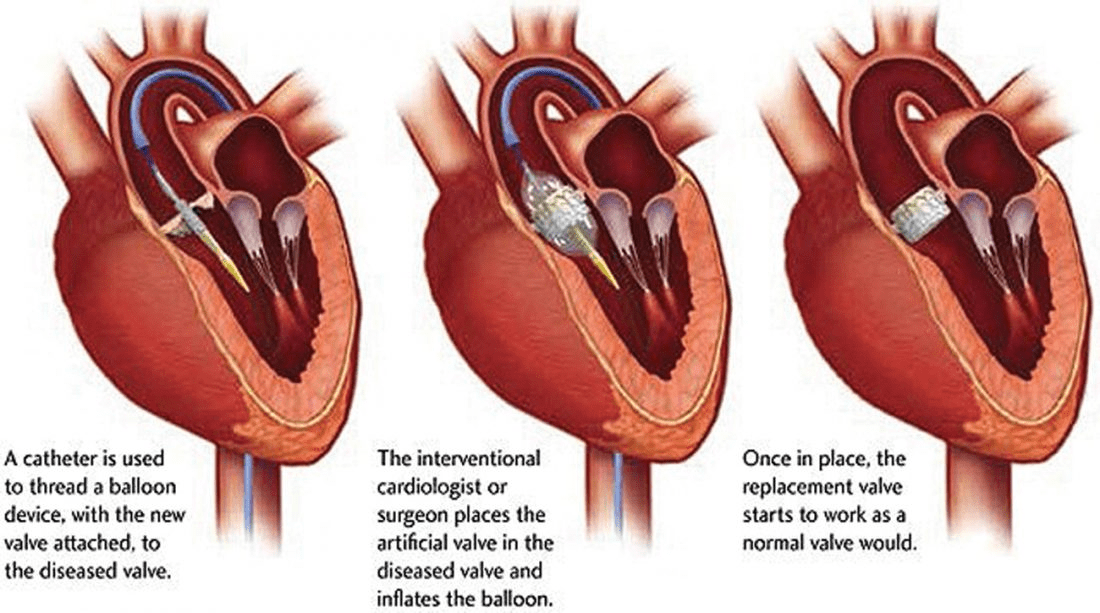
“Structural heart disease” is the label cardiologists use for problems with the heart’s architecture rather than its arteries: a valve that has narrowed or started to leak, a small opening between the upper chambers that never sealed after birth, or a pouch in the left atrium where clots can form. Structural heart care for Hermosa Beach patients comes first here. Every structural procedure CACVI lists (TAVR, MitraClip and WATCHMAN) is done through a catheter, in a hospital, without opening the chest.
Aortic stenosis: from a murmur to a staged diagnosis
The aortic valve sits at the exit of the left ventricle. When its leaflets stiffen and calcify, the opening narrows and the heart has to push harder to move the same blood. The first sign is often a murmur a primary care doctor hears during a routine physical, and the next step is an echocardiogram.
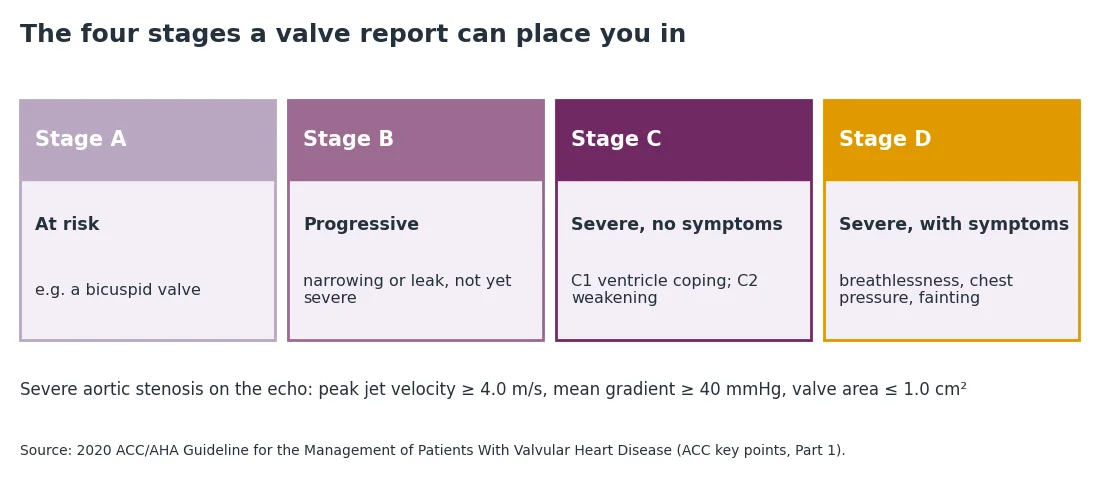
The 2020 ACC/AHA valve guideline sorts every valve problem into four stages, and knowing your stage tells you more than the word “mild” or “severe” on its own:
- Stage A, at risk: a valve that may give trouble later, such as a bicuspid valve with two leaflets instead of three.
- Stage B, progressive: narrowing or leaking that has started but isn’t yet severe.
- Stage C, asymptomatic severe: the valve is severely affected but you feel fine. The guideline splits this into C1, where the left ventricle is coping, and C2, where it has started to weaken.
- Stage D, symptomatic severe: severe disease with symptoms such as breathlessness on exertion, chest pressure or fainting.
For severe aortic stenosis, the guideline also uses three numbers from the echo report: a peak jet velocity of 4.0 meters per second or more, a mean gradient of 40 mmHg or more, and a valve area of 1.0 square centimeter or less. If your report quotes those figures, bring it. If it doesn’t, ask whoever ordered the echo for the full measurements and not just the summary line.
Symptoms, not the calendar, usually decide when to replace a valve
People are often surprised to learn that a severe valve doesn’t automatically mean surgery next month. The guideline bases intervention for severe aortic stenosis mainly on two things: symptoms, and a weakening left ventricle. For people without symptoms it allows intervention in narrower cases, such as falling exercise tolerance, blood pressure that drops by 10 mmHg or more during an exercise test, a very high jet velocity of 5.0 meters per second or more, or a valve that is narrowing quickly from one study to the next.
That last point is why an active person’s own report matters so much. Someone who paddles out three mornings a week will often notice a change in stamina before anyone measures it. If the paddle out to the lineup, the ride along the bike path or a set of beach stairs has started to feel harder than it did a season ago, tell the cardiologist in those terms. A drop in what you can do is clinical information, not a complaint about getting older. An exercise test can sometimes put a number on it, which is one reason a cardiologist may order a treadmill test for a person with severe stenosis who says they feel fine.
TAVR or surgical valve replacement
When the aortic valve does need replacing, there are two routes. Surgical aortic valve replacement opens the chest. Transcatheter aortic valve replacement (TAVR) leaves the chest closed: a compressed replacement travels on a catheter, most often from a leg artery, and opens within the worn-out valve as the heart continues to beat.
The 2020 guideline weighs age and expected lifespan heavily when a tissue valve is the right choice:
- Under 65, or with a life expectancy of more than 20 years, surgery is generally preferred.
- From 65 to 80, with symptoms and no barrier to the groin approach, either route is reasonable after a shared decision between you and the heart team.
- Over 80, or with a life expectancy under 10 years, the transfemoral TAVR approach is preferred where it’s feasible.
- At any age, when surgical risk is high or prohibitive, TAVR is preferred if survival of more than a year with a reasonable quality of life is expected.
The guideline also asks that anyone with severe valve disease being considered for a procedure be reviewed by a multidisciplinary heart valve team. At CACVI, TAVR appears on two physicians’ procedure lists, those of Dr. Moinakhtar Lala and Dr. Vasim Lala. A good first visit for a valve question ends with you knowing your stage, the numbers behind it, and what would change the plan.
A leaking aortic valve, and the bicuspid valve some people are born with
Narrowing isn’t the only way the aortic valve fails. It can also leak, letting blood fall back into the left ventricle after each beat. That’s aortic regurgitation. The ventricle copes for years by stretching, which is why the condition can be severe before it causes any symptoms, and why the echo measurements matter more than how you feel.
The 2020 guideline watches two numbers here: the ejection fraction and the size of the ventricle at the end of each squeeze, called the end-systolic diameter. Surgery for severe aortic regurgitation is recommended when symptoms appear or when the ejection fraction falls to 55 percent or lower. It is considered reasonable when the ventricle has stretched to an end-systolic diameter above 50 millimeters, even without symptoms. In practice that means someone with a leaking valve needs echoes at regular intervals and should keep every report, because the trend is what triggers the decision.
A bicuspid aortic valve, with two leaflets instead of the usual three, is the most common reason a younger, fit adult hears they have a valve problem. It’s the textbook example of the guideline’s Stage A, “at risk,” and it can lead to narrowing, leaking or both decades later. If you’ve been told you have one, ask whether your aorta was measured on the echo too, and how often the cardiologist wants to see it again.
A leaking mitral valve, and where MitraClip fits
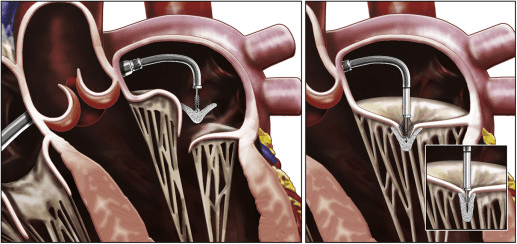
The mitral valve sits between the left atrium and the left ventricle. When it doesn’t close fully, blood washes backward with each beat. That’s mitral regurgitation, and in its severe form it causes breathlessness, swelling and an irregular rhythm. The standard fix is surgical repair or replacement. For people who shouldn’t have open-heart surgery, CACVI’s MitraClip page describes transcatheter mitral valve repair: a device delivered through a vein clips the front and back leaflets together so the valve closes better. The page notes that most patients go home from the hospital in two to three days.
Two practical questions to bring to that conversation: has a surgeon actually reviewed whether surgery is too risky for you, and is the leak caused by the valve itself or by a stretched, weakened ventricle? The answers change which option makes sense.
A small hole between the upper chambers, and the scuba diver’s version of the question
In the womb, blood skips the lungs by slipping through a flap between the two upper chambers. After birth that flap normally fuses. The Divers Alert Network (DAN) puts the share of people in whom it doesn’t fully close at about 27 percent. Doctors call the leftover gap a patent foramen ovale (PFO), and it usually goes unnoticed for life.
In this part of the coast the question tends to come up through diving. DAN reports that divers with a PFO have about 2.5 times the overall risk of decompression illness of divers without one, and about four times the risk of the neurological form, while stressing that the overall risk stays low. DAN does not recommend routine PFO screening for dive medicals. It suggests testing after more than one episode of decompression illness affecting the brain, spinal cord, inner ear or skin. If a PFO is found, the options DAN lists are diving more conservatively, closing the PFO, or stopping. After a closure, DAN advises a repeat bubble-contrast echocardiogram at least three months later and no return to diving while on potent antiplatelet medicine.
PFO closure appears on Dr. Vasim Lala’s procedure list. If you dive off the South Bay and have had an episode of decompression illness, bring the dive log, the dates and the treatment notes, because those details decide whether testing is worth doing at all.
Who on the CACVI team does the structural work
The three physicians divide the structural procedures this way, according to their CACVI biographies: TAVR is listed by Dr. Moinakhtar Lala and Dr. Vasim Lala, and PFO closure and the WATCHMAN device by Dr. Vasim Lala, whose list of conditions also includes structural heart disease. Dr. Moinakhtar Lala holds board certification in echocardiography, which matters here because the echo is the test that stages every valve.
Living on a blood thinner in a town built around the beach and the bike lane
If you live in Redondo Beach or Manhattan Beach and take a blood thinner, anticoagulation management is a fair thing to look for. Plenty of people leave a hospital on a blood thinner after a clot, a new diagnosis of atrial fibrillation or a valve procedure, and then find nobody has told them how it fits with their actual week. In Hermosa Beach that week often includes a bike, a board, a volleyball court or a run on the Strand. Here is what the drug labels and the medicine guides say, applied to that kind of life.
Warfarin and the INR test
Warfarin (sold for years as Coumadin) is the older anticoagulant, and it needs regular blood tests. The INR, or international normalized ratio, shows how long your blood takes to clot compared with a standard, and the dose is adjusted until the INR sits in the range your doctor sets. MedlinePlus, the National Library of Medicine’s drug guide, lists the reasons it can drift: other medicines, supplements, alcohol and food.
Food is the one people trip over. Vitamin K helps blood clot, and leafy greens and some vegetable oils carry a lot of it. MedlinePlus doesn’t say to avoid those foods; it says to eat consistent amounts week to week and not to make big changes without talking to your doctor. A sudden switch to a kale-heavy training diet can lower the INR. Giving up salads for a month of travel can raise it. Tell whoever manages the warfarin before you change how you eat, not after the next test comes back strange.
The newer anticoagulants: fewer blood tests, stricter timing
Apixaban, rivaroxaban, dabigatran and edoxaban are often grouped as direct oral anticoagulants, or DOACs. They don’t need routine INR checks and they interact with far fewer foods. The trade-off is timing. Their effect wears off faster than warfarin’s, so missed doses matter more.
The MedlinePlus guide for apixaban is blunt about it. People with atrial fibrillation who stop it are at higher risk of stroke, and it shouldn’t be stopped without talking to the prescriber, even when you feel well. Refill before you run out. If you miss a dose, take it when you remember unless the next one is nearly due; never double up. If cost is why doses are getting skipped, say so at the visit, because there’s often a way around it and a gap in the pills is worse than an awkward conversation.
Which blood thinner, and who adjusts it
The choice between warfarin and a newer drug isn’t only about convenience. The apixaban guide from MedlinePlus tells people with an artificial heart valve to tell their doctor, who will probably advise against it, and mechanical valves are the main group that stays on warfarin. Kidney function, other medicines, cost and how reliably doses get taken all feed into the decision too.
Ask who is responsible for your anticoagulant. Sometimes it’s the cardiologist, sometimes a pharmacist-run anticoagulation clinic, sometimes the primary care doctor. With warfarin, the MedlinePlus guide stresses keeping every laboratory appointment, because the dose follows the INR results. Whoever adjusts the dose needs to hear about every new prescription, every course of antibiotics and every hospital stay, and it is easier if one person holds that role.
A fall from the bike or the board while you’re anticoagulated
Both MedlinePlus guides, for warfarin and for apixaban, say the same thing in different words: call your doctor right away if you fall or injure yourself, especially if you hit your head. The warfarin guide adds that bleeding risk is higher for people who do sports or activities that could cause serious injury.
Bleeding inside the skull can start slowly. A rider who goes over the handlebars on the bike path, gets up, feels “basically fine” and rides home is exactly the person this advice is written for. On a blood thinner, a hard knock to the head means an evaluation the same day. A headache that builds, vomiting, confusion, unusual sleepiness, weakness or trouble speaking after a blow to the head means calling 911.
The anticoagulant doesn’t have to end the activity. It does change the protective gear argument. A helmet on the bike, a leash and some thought about shallow sandbars on a big day, and a conversation with the cardiologist about which of your sports carry the highest fall or collision risk are all part of managing the drug.

Bleeding that counts as a reason to call
Small bruises from a volleyball dig or a scrape on the board are expected on an anticoagulant. Some bleeding isn’t. The MedlinePlus warfarin guide tells patients to call their doctor immediately for bleeding that won’t stop, nosebleeds, bleeding gums, coughing or vomiting blood or material that looks like coffee grounds, unusually easy bruising, heavier menstrual bleeding, pink, red or dark brown urine, red or black tarry stools, or a headache, dizziness or weakness.
Keep the drug’s name and dose on your phone’s emergency medical information, which paramedics and emergency staff can read from a locked screen. A lifeguard dressing a deep fin cut needs to know about the blood thinner before anyone else does.
Dental work, colonoscopies and other procedures: who decides the pause
Most dental and medical procedures don’t require you to stop a blood thinner, but some do, and the decision belongs to the prescriber working with the person doing the procedure. Both MedlinePlus guides tell patients to tell the dentist or surgeon they’re taking the drug and to follow the instructions they’re given about stopping and restarting. What causes trouble is the gap between those two people. A dentist on Pier Avenue tells you to stop for three days, nobody tells the cardiologist, and the restart date gets lost.
A simple rule helps. When anyone schedules a procedure, call the prescriber’s office with the date and the name of the procedure, and ask for written instructions covering the last dose, any bridging medicine, and the first dose afterward. For people with a mechanical valve, a recent clot or a recent stent, that pause can be complicated enough that it needs its own plan.
Supplements, pain relievers and the evening drink
The warfarin guide from MedlinePlus lists over-the-counter and herbal products that can interact with it: coenzyme Q10, echinacea, garlic, ginkgo biloba, ginseng, goldenseal and St. John’s wort, as well as aspirin and anti-inflammatory pain relievers such as ibuprofen and naproxen. The apixaban guide also names aspirin and the same anti-inflammatories. For athletes this lands squarely on the medicine cabinet: ibuprofen after a hard session, a fish-oil capsule, a recovery supplement a training partner recommended.
None of that means you have to live with a sore shoulder. It means the cardiologist and the pharmacist should see the full list, including what’s in your gym bag, and you should ask which pain reliever is safest for you before you need one. Alcohol is a question to ask directly too; the warfarin guide tells patients to ask about it, and the honest answer depends on how much and how often.
When the blood thinner itself becomes the problem
A small number of people with atrial fibrillation can’t stay on any anticoagulant because they’ve bled seriously or have a high risk of doing so. For some of them a device that closes off the left atrial appendage, where most clots in this kind of atrial fibrillation form, is an alternative. CACVI’s WATCHMAN page explains who it is and isn’t for, and it says plainly that people who are doing well on blood thinners shouldn’t be considered for it.
Cardio-oncology: looking after the heart before, during and after cancer treatment
Cardio-oncology is the overlap between cancer care and heart care, and it matters to patients in Manhattan Beach and Redondo Beach who are in one of three places: about to start a treatment known to affect the heart, partway through one and being monitored, or years out and wondering what the treatment left behind. Cardio-oncology is one of the conditions named on Dr. Vasim Lala’s CACVI profile. What follows is how that care is organized, and what a patient can do to keep the cancer team and the heart team working from the same page.
Cancer treatments with known heart effects
The 2022 European Society of Cardiology guideline on cardio-oncology, written with hematology, radiation oncology and cardio-oncology societies, is the most detailed reference on this subject. Two groups of drugs come up most often in the conversations it covers. Anthracyclines, such as doxorubicin, are long-standing chemotherapy drugs used in breast cancer, lymphoma and other cancers, and they can weaken the heart muscle in a dose-related way. Trastuzumab, used for HER2-positive breast cancer, can also reduce pumping strength.
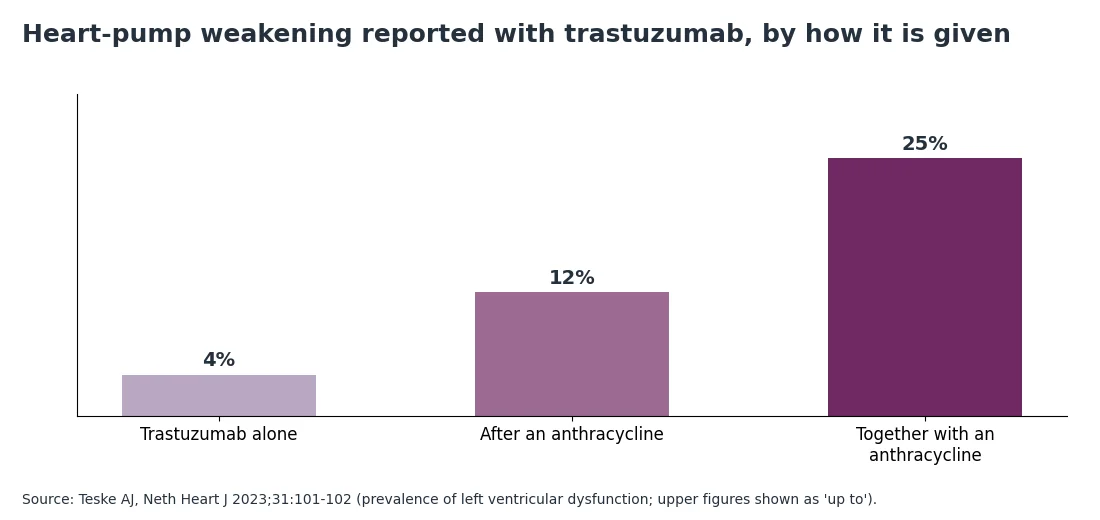
How often that happens with trastuzumab depends on what it’s combined with. A 2023 review in the Netherlands Heart Journal put the rate of left ventricular dysfunction at about 4 percent with trastuzumab alone, up to 12 percent when it follows an anthracycline, and as high as 25 percent when the two are given together. The same review notes that the drop in heart function from trastuzumab is often reversible when it’s caught and managed, which is the whole argument for watching closely.
The baseline visit before treatment starts
The most useful cardiology appointment in cancer care often happens before the first infusion. A baseline visit records where the heart stands before anything changes it: blood pressure, cholesterol, an EKG, and an echocardiogram measuring pumping strength. Later scans are compared against that starting point, so a baseline done well makes every later result easier to read.
Bring the oncologist’s treatment plan with the drug names and planned doses, any history of heart disease or high blood pressure, and the dates of any earlier chest radiation. If the oncology team has already done a baseline echo, ask for the full report and the images rather than a one-line summary, so the comparison is like for like.
Echo surveillance during trastuzumab
For people on trastuzumab, the review cited above describes the standard practice under the 2022 guideline: an echocardiogram about every three months for the length of treatment, which typically runs a year. The echo is preferred over older nuclear scans for this because it adds no radiation and shows more than the ejection fraction alone.
One of those extras is global longitudinal strain, a measurement of how much the heart muscle shortens along its length with each beat. Strain can drop before the ejection fraction does, and the review cites work where it flagged trouble about a month earlier. The same review is careful about what that means: a randomized trial called SUCCOUR found that starting heart medicines based on a strain drop did not produce different outcomes from waiting for the ejection fraction to fall. So strain is a warning light, not an automatic trigger. Ask whether your echoes include it, and if they do, make sure later studies are measured the same way.
Radiation to the chest, years later
Radiation aimed at a tumour in the chest can’t always avoid the heart. A large 2013 study in the New England Journal of Medicine, by Darby and colleagues, looked at women treated for breast cancer in Sweden and Denmark. Their rate of major coronary events rose by 7.4 percent for every gray of radiation reaching the heart, with no safe threshold. The increase began within five years and carried on into the third decade after treatment.
Two practical points follow. First, if you had chest radiation years ago, tell every new doctor, because it changes how chest symptoms are read. Second, keep the radiation summary from the treating center if you can get it; the mean heart dose, when it was recorded, is useful information for a cardiologist trying to judge risk decades later.
Survivorship: blood pressure, cholesterol and the long view
Finishing cancer treatment doesn’t close the heart question. Survivors carry the same risks as everyone else, high blood pressure, cholesterol and diabetes among them, on top of whatever the treatment added, and those are the ones a cardiologist can do something about. The Darby study found that women who already had cardiac risk factors at the time of radiation had the largest absolute increase in risk, which is a reason to take ordinary risk factors seriously after treatment.
For a survivor, a sensible cardiology follow-up looks at what was given and when, reviews symptoms such as breathlessness or reduced stamina that may have been put down to recovery, and sets a plan for how often the heart should be rechecked.
Getting the oncologist and the cardiologist onto one plan
The most common breakdown in cardio-oncology isn’t medical, it’s clerical: the echo report sits in one system and the infusion schedule in another. Some habits that help:
- Ask the oncology team to send the treatment plan to the cardiologist before the baseline visit, not afterward.
- Keep your own folder of every echo report, with dates, in order.
- Ask the cardiologist to send a short written note back to the oncologist after each review: function stable, function reduced, or medicine started.
- If treatment is paused for a heart reason, ask both doctors what result would let it restart, so nobody is waiting on the other.
The review cited above notes that stopping trastuzumab early lowers five-year survival in early breast cancer, from 94 percent to 80 percent in the data it quotes. That is why the cardiology side of cancer care aims to keep treatment going safely, not to stop it at the first sign of change.
Echocardiography and the other heart images South Bay patients get ordered
Echocardiography in Manhattan Beach, cardiac imaging in the 90277 ZIP code, cardiac imaging in Redondo Beach: each of these names an imaging test. The image is usually how a heart question gets answered, so it helps to know which image is which and who reads it. Dr. Moinakhtar Lala and Dr. Vasim Lala are both board-certified in echocardiography and in nuclear cardiology, according to their CACVI biographies, and Dr. Moinakhtar Lala is also certified in vascular ultrasound interpretation.
The standard transthoracic echo
When people say “echo” they almost always mean a transthoracic echocardiogram. The images come from an ultrasound probe held against the chest, and they show all four chambers and valves in motion. CACVI’s echocardiogram page describes it as a non-invasive test used mainly to measure how well the heart pumps, its ejection fraction, and whether any valve is narrowed or leaking.
It takes no needles and no radiation, and you can drive yourself home. A two-piece outfit makes it easier, since the gel and probe sit on bare skin. If you’ve had echoes elsewhere, bring the reports. A valve measured at 3.2 meters per second two years ago and 3.8 now tells a different story than either number alone.
Stress echo or a nuclear scan: two ways to watch the heart work
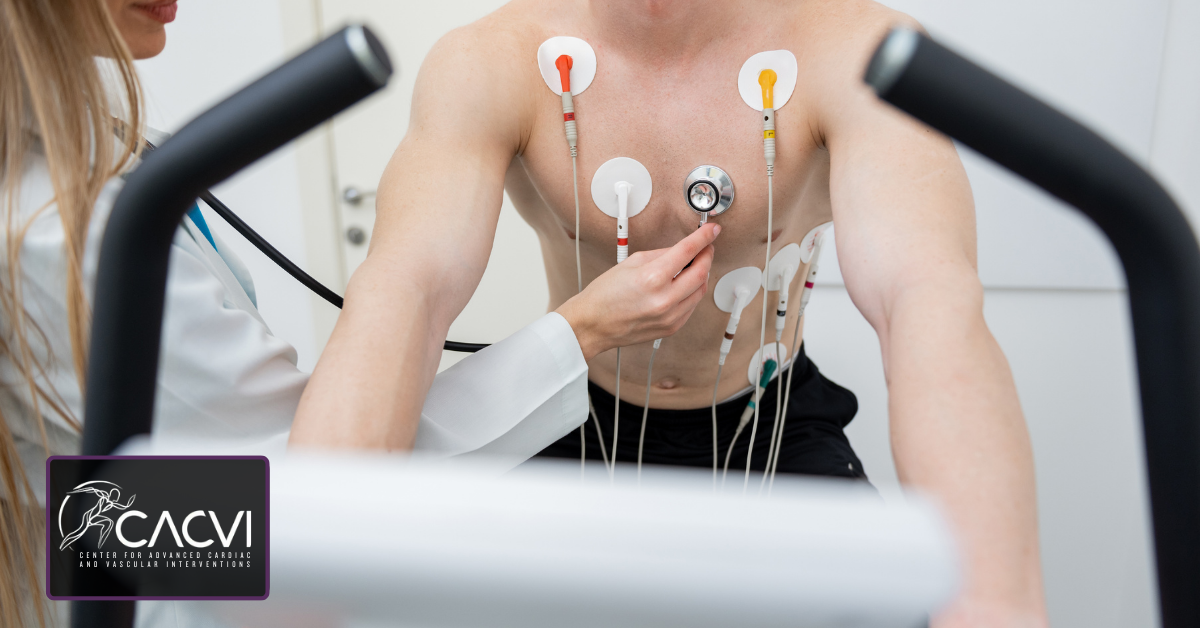
A plain treadmill test reads the EKG and blood pressure during exercise. Adding imaging tells the cardiologist which part of the heart muscle, if any, isn’t getting enough blood when it’s working hard. CACVI’s stress test page describes both main versions.
- Stress echocardiography: ultrasound pictures are taken before and right after exercise, and the cardiologist compares how each wall of the heart contracts. No radiation is involved.
- Nuclear stress testing: a small dose of a radioactive tracer shows blood flow to the heart muscle at rest and under stress. It is often chosen when ultrasound pictures are hard to get, or when exercise isn’t possible and medicine is used to stress the heart instead.
For someone who trains seriously, the exercise version has an extra benefit. It records how hard you were able to work and what your heart rate and blood pressure did along the way, which is useful for planning training later.
Transesophageal echo, when the view from the chest isn’t enough
Ribs, lungs and body shape can block parts of the heart from a probe on the chest. A transesophageal echo (TEE) puts a thin probe down the throat, under sedation, so it sits right behind the heart. It gives much clearer pictures of the mitral valve, the left atrial appendage and the wall between the upper chambers. It’s the test often used to plan a MitraClip procedure, look for clot before certain rhythm procedures, or check for a PFO with a bubble study. Because of the sedation, you’ll need someone to drive you home.
Bubble studies, contrast and 3D: add-ons that sharpen the picture
Three additions to a standard echo come up often enough to be worth knowing by name.
- A bubble study injects agitated saline into an arm vein. If bubbles cross from the right side of the heart to the left, there’s a shunt such as a PFO. It’s the test that answers the diver’s question in the structural section above.
- Ultrasound contrast brightens the heart’s inner border when pictures are poor, which makes the ejection fraction more reliable.
- 3D echo builds a three-dimensional picture, particularly useful for planning valve repairs.
Where coronary CT and calcium scans fit
Ultrasound of the heart misses the coronary arteries themselves. Seeing those takes CT. A coronary calcium scan grades hardened plaque in a few minutes and needs no dye, while coronary CT angiography, which uses contrast to show both calcified and soft plaque and any narrowing. A cardiologist picks between an echo, a stress test and a CT scan based on the question being asked, and it isn’t unusual for someone to need more than one.
Getting the images, not only the reports, to the cardiologist
A one-paragraph report is useful. The images are better, particularly for valves, where a cardiologist may want to re-measure. If you’ve had a study at a South Bay hospital or imaging center, ask that center’s medical records or imaging department for a copy of the images on a disc or through an electronic image-sharing link, and bring both to the visit.
Heart questions from surfers, volleyball players and Strand runners
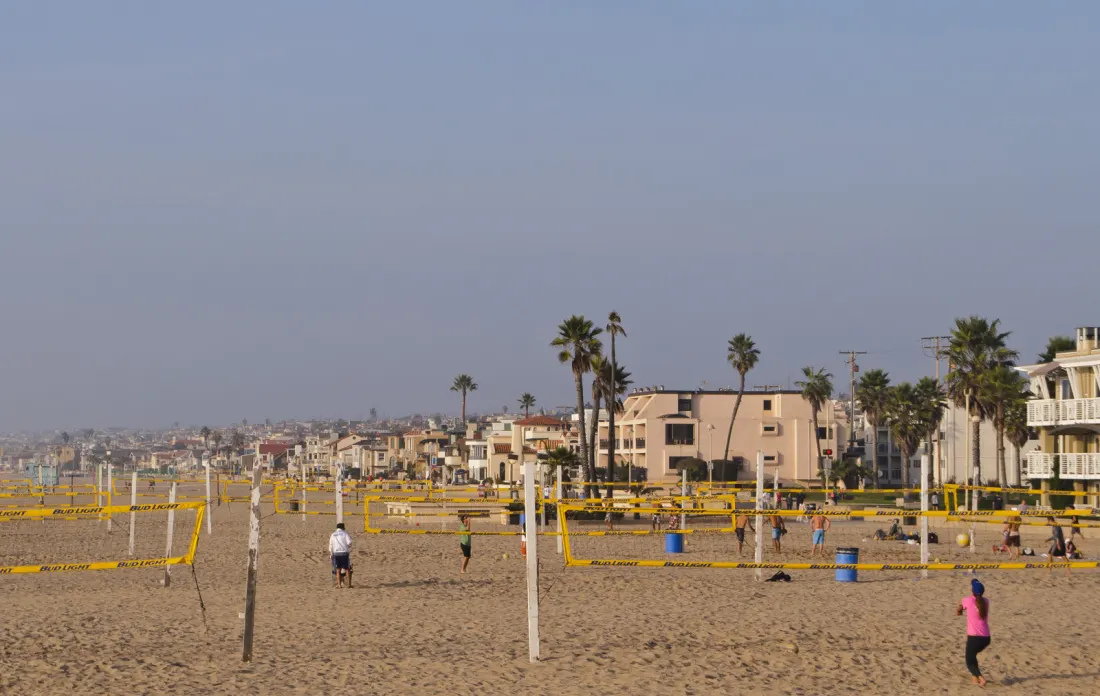
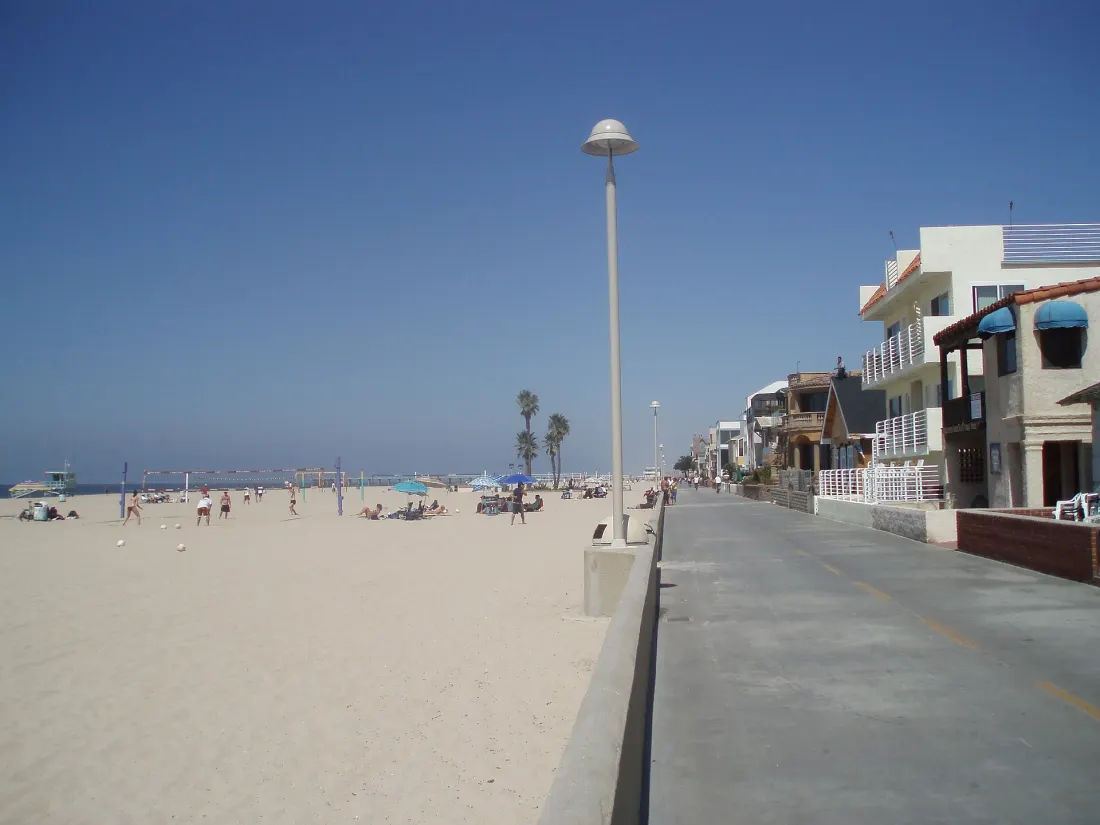
Hermosa Beach is a town where people train. Volleyball nets line the sand near the pier, the Strand carries runners and riders from early morning, and the lineup has surfers in every season. That shapes the cardiology questions people bring. Dr. Moinakhtar Lala’s CACVI biography mentions that he plays beach volleyball and rides a bike, and Dr. Khorsandi’s says he stays athletic, so these conversations aren’t foreign to the physicians having them. Here are the questions that come up most, with what the research actually says.

Athlete’s heart, or a heart muscle disease?
Years of hard training change the heart. The walls of the left ventricle thicken a little, the chambers enlarge, and the resting heart rate drops, sometimes into the 40s. An EKG from a well-trained person can show patterns that would worry a doctor in someone sedentary. This is often called “athlete’s heart,” and it’s normal adaptation.
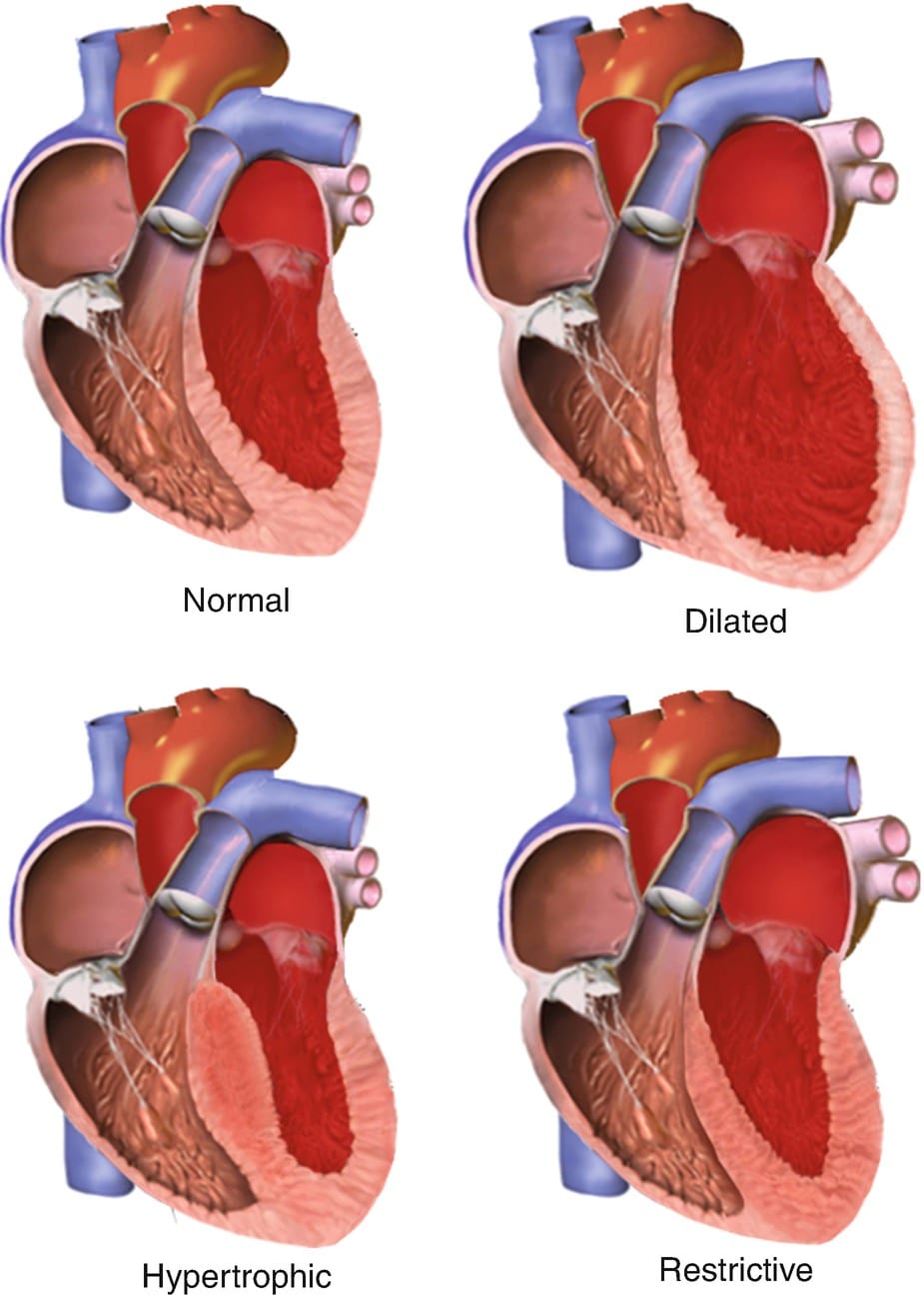
The trouble is that a few inherited conditions, hypertrophic cardiomyopathy chief among them, can look similar on a first test. Telling them apart is a cardiologist’s job and usually takes more than one study: an echocardiogram measuring wall thickness and how the heart relaxes, sometimes cardiac MRI, an exercise test, and a family history. If an EKG done for a race entry, a team physical or a smartwatch flag has led to the word “abnormal,” don’t stop training in a panic and don’t ignore it either. Book the evaluation, and bring the original tracing.
Atrial fibrillation after decades of endurance training
A pooled analysis published in Europace in 2009 by Abdulla and Nielsen combined six case-control studies, 655 athletes and 895 controls, mostly men averaging 51 years old. Atrial fibrillation was found in 23 percent of the athletes and 12.5 percent of the controls, an odds ratio of about 5.3. The authors were clear that larger long-term studies were needed. Still, the pattern is consistent enough that a cardiologist will take an irregular pulse in a lifelong endurance athlete seriously instead of putting it down to fitness.
Atrial fibrillation in athletes often shows up at rest or during sleep rather than mid-workout, sometimes after a hard session the day before. It may first appear as a run of “skipped beats” on a watch, or as a sudden drop in performance at a heart rate that should have been easy. Note the time, what you’d been doing, and what the watch recorded, and bring the export.
Coronary calcium in people who’ve trained all their lives
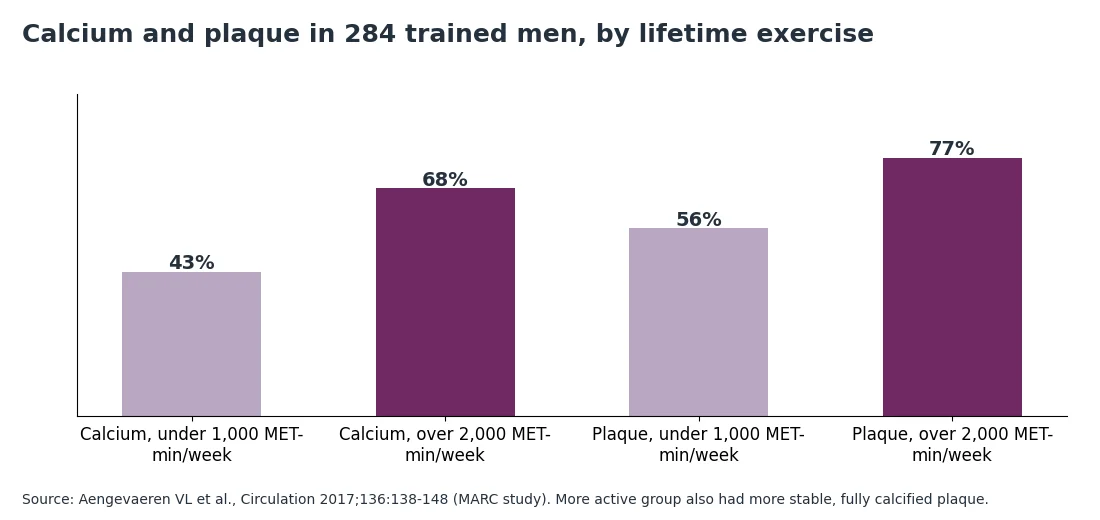
The MARC study from the Netherlands, published in Circulation in 2017 by Aengevaeren and colleagues, gave CT scans to 284 men in their mid-50s who trained competitively or recreationally. Those who reported more than 2,000 MET-minutes of exercise a week over a lifetime, about three and a half hours of hard running a week, had more coronary calcium and more plaque than those under 1,000. Calcium was present in 68 percent of the most active group and 43 percent of the least active.
The same study found something reassuring: the most active men’s plaque was more often fully calcified and less often mixed, a composition generally considered more stable. A six-year follow-up of the same men, published in Circulation in 2023, found that very vigorous intensity, more than total volume, was linked to plaque progressing.
The practical message isn’t “train less.” It’s that fitness doesn’t take the place of a risk assessment. A fit person with a family history, high cholesterol or rising blood pressure still needs those risks measured, and a calcium score in a masters athlete has to be read knowing what training can do to it.
Blood pressure that hides behind fitness
Fit people tend to assume their blood pressure is fine because it was fine at the last physical. A 2026 study in the British Journal of Sports Medicine, by O’Driscoll and colleagues, tested that assumption in 198 male masters endurance athletes who had low calculated risk and no diagnosis of high blood pressure. Wearing a 24-hour blood-pressure monitor, 39 percent turned out to have hypertension. During exercise testing, 47 percent showed an exaggerated blood-pressure rise. Both findings were linked to more coronary disease on CT: high readings on the 24-hour monitor went with calcium scores of 100 or more and with narrowings of more than 50 percent, and the exaggerated exercise response went with narrowings and high-risk plaque.
The lesson for an active person is simple. One reading in a clinic isn’t the whole picture. If you train hard and haven’t had your blood pressure measured outside a doctor’s office, a 24-hour monitor or a series of home readings is a reasonable thing to ask about, and an exercise test records the pressure response along the way.
Cold water, a wetsuit and a heart condition
Sudden immersion in cold water triggers two reflexes at once. The cold-shock response speeds the heart up through the sympathetic nervous system. The diving reflex, set off by cold water on the face and by holding the breath, slows it down through the parasympathetic side. In a 2012 review in The Journal of Physiology, Shattock and Tipton proposed that this “autonomic conflict” explains the irregular rhythms seen in healthy volunteers during cold-water submersion, and that in vulnerable people it may cause some deaths that were blamed on drowning or hypothermia.
For a surfer or open-water swimmer who already has a rhythm problem, an inherited condition such as long QT syndrome, or coronary disease, that’s a specific question for the cardiologist: what does a winter session or a duck dive under a cold set do to my particular heart? It doesn’t mean giving up the water. It might mean a warmer wetsuit and hood, entering gradually rather than plunging, not paddling out alone, and knowing that symptoms in the water are an emergency.

Energy drinks, pre-workout powders and palpitations
A 2019 randomized trial in the Journal of the American Heart Association, by Shah and colleagues, gave healthy young volunteers 32 ounces of an energy drink or a placebo. The energy drinks lengthened the QT interval on the EKG, the time the heart takes to recharge between beats, by more than the placebo did, and raised blood pressure. The authors advised that people with heart conditions or high blood pressure limit energy drinks or watch their intake.
Pre-workout products and many “fat burner” supplements carry large and sometimes unclear doses of caffeine and other stimulants. If palpitations come on during or after training, list everything you took in the hours before, labels included. It sometimes turns out the heart is fine and the canister is the problem.
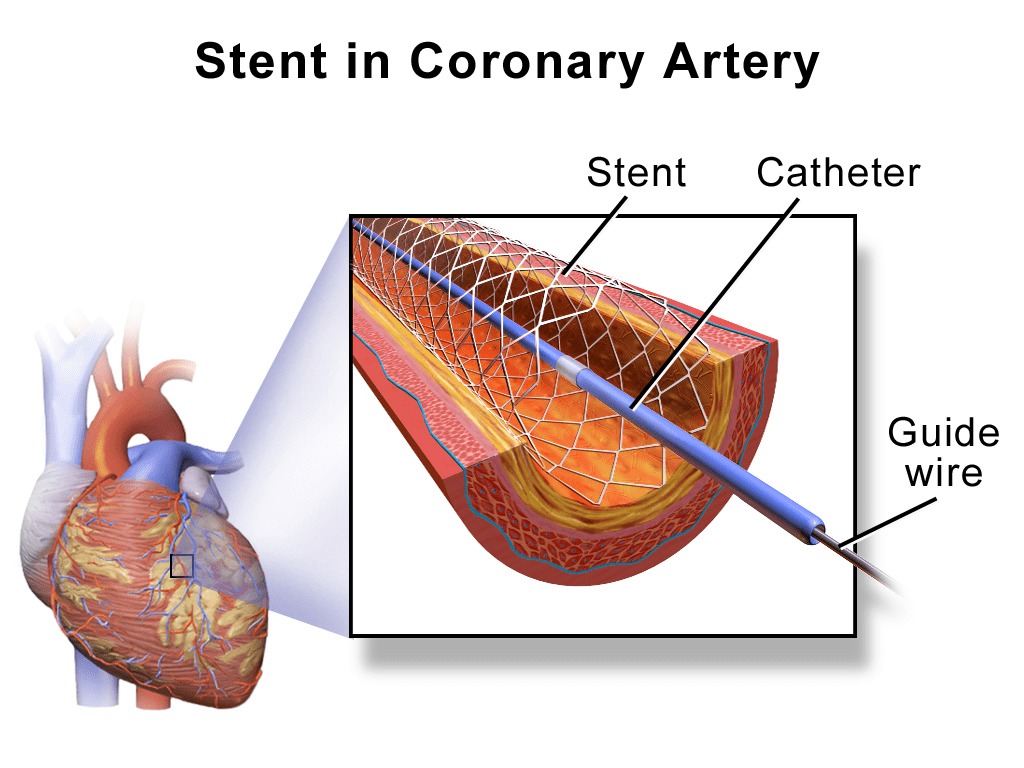
Getting back on the board or the bike after a stent or a diagnosis
A stent, a new diagnosis or a valve procedure changes the training conversation rather than ending it. Useful questions for the cardiologist are specific ones: Can I surf alone? What’s my heart-rate ceiling for now? Which sports are off the table for now, and for how long? Should my first sessions back be supervised, for example in cardiac rehabilitation? If you take a blood thinner after a stent, the fall-risk advice in the anticoagulation section applies, and contact sports or collisions on the court are worth raising directly.
Sunscreen, training zones and the heart prescriptions on your counter
A beach town puts unusual demands on heart medicines. Some of them change how skin handles sun, some change how the heart responds to exercise, and some cause muscle symptoms that are easy to blame on a hard workout. None of this is a reason to stop a prescription on your own; every guide quoted below says not to. It’s a reason to ask better questions about the pills you already take.
Hydrochlorothiazide and skin cancer
Hydrochlorothiazide, often shortened to HCTZ, is one of the most common blood-pressure medicines in the country, alone or combined with others in a single pill. The MedlinePlus guide for it says it may make skin more sensitive to sunlight and increase the risk of certain skin cancers. It tells patients to avoid unnecessary or long sun exposure, to wear protective clothing, sunglasses and sunscreen, and to report new skin changes or growths. The UK’s medicines regulator, the MHRA, goes further in its 2018 safety update: the risk of non-melanoma skin cancer (basal cell and squamous cell carcinoma) rises with the total dose taken over the years, and doctors should reconsider HCTZ for people who’ve already had skin cancer.
For someone who spends weekends on the sand, that’s worth a direct question at the next visit. Is HCTZ part of my combination pill? Given my sun exposure and skin history, is there an equally good alternative? Until that conversation happens, keep taking it, because uncontrolled blood pressure is the bigger danger, and keep up with sunscreen and skin checks.
Amiodarone and a blue-gray tan
Amiodarone is a strong rhythm medicine used for atrial fibrillation and some dangerous ventricular rhythms. Its MedlinePlus guide warns that it can make skin sensitive to sunlight and that exposed skin may turn blue-gray, a change that may not reverse even after the drug is stopped. The same guide tells patients to avoid unnecessary or long exposure to sunlight or sunlamps and to wear protective clothing, sunglasses and sunscreen. Amiodarone also needs regular blood tests and eye, thyroid and lung checks, so anyone on it should have a clear schedule for those.
Beta-blockers and the heart-rate zone on your watch
Metoprolol and other beta-blockers lower blood pressure partly by slowing the heart rate, as the MedlinePlus metoprolol guide explains. For a person who trains by heart-rate zones, that means the numbers on the watch shift. A zone built before the prescription may now be out of reach, and pushing to hit it can mean working far harder than intended. Ask the cardiologist how to set effort on this medicine, whether by perceived exertion or by a heart rate measured on a treadmill test while you’re already taking it.
The metoprolol guide also says not to stop it suddenly, because that can cause serious heart problems. Someone who stops a beta-blocker before a race to “get their heart rate back” is doing exactly what the guide warns against.
Statins and muscle aches after a hard session
Statins are the main cholesterol-lowering drugs. The MedlinePlus atorvastatin guide lists muscle pain, tenderness or weakness among the side effects to report to a doctor. For an active person this creates a real puzzle, because soreness after a long paddle or a tournament weekend is normal. Clues that point toward the medicine rather than the workout: aches in muscles you didn’t use, weakness rather than soreness, pain that lingers well past your usual recovery, or dark urine. Don’t simply stop the statin. Report the pattern, because there are usually several ways to adjust it.
Bring the bottles, the supplements and the watch data
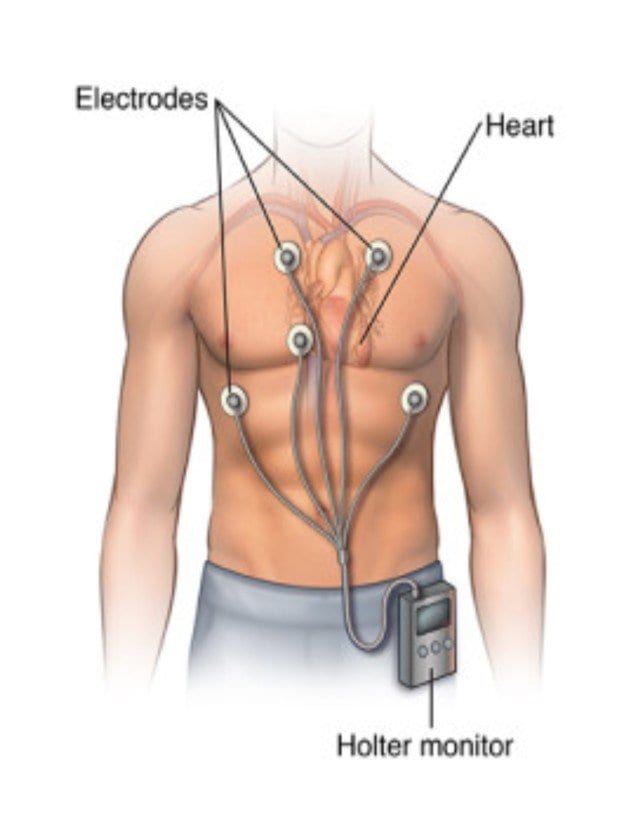
A medicine review is one of the most useful things a cardiology visit can do, and it only works with a full list. Bring every prescription bottle, every supplement and every recovery or pre-workout product, along with the doses you actually take, which aren’t always the doses on the label. If you track heart rate, bring the export or a screenshot from a typical training week. The combination often explains a symptom faster than another test would.
A cardiac emergency on the sand or the Strand
Most of this page is about planned care. This section covers the other kind: someone collapses near the pier, a training partner goes down on the bike path, or the chest pressure starts at home. A planned visit to Alden Drive plays no part in any of these. Here is who responds in Hermosa Beach, and what the minutes before they arrive should look like.
Heart attack signs that don’t wait for a beach day to end
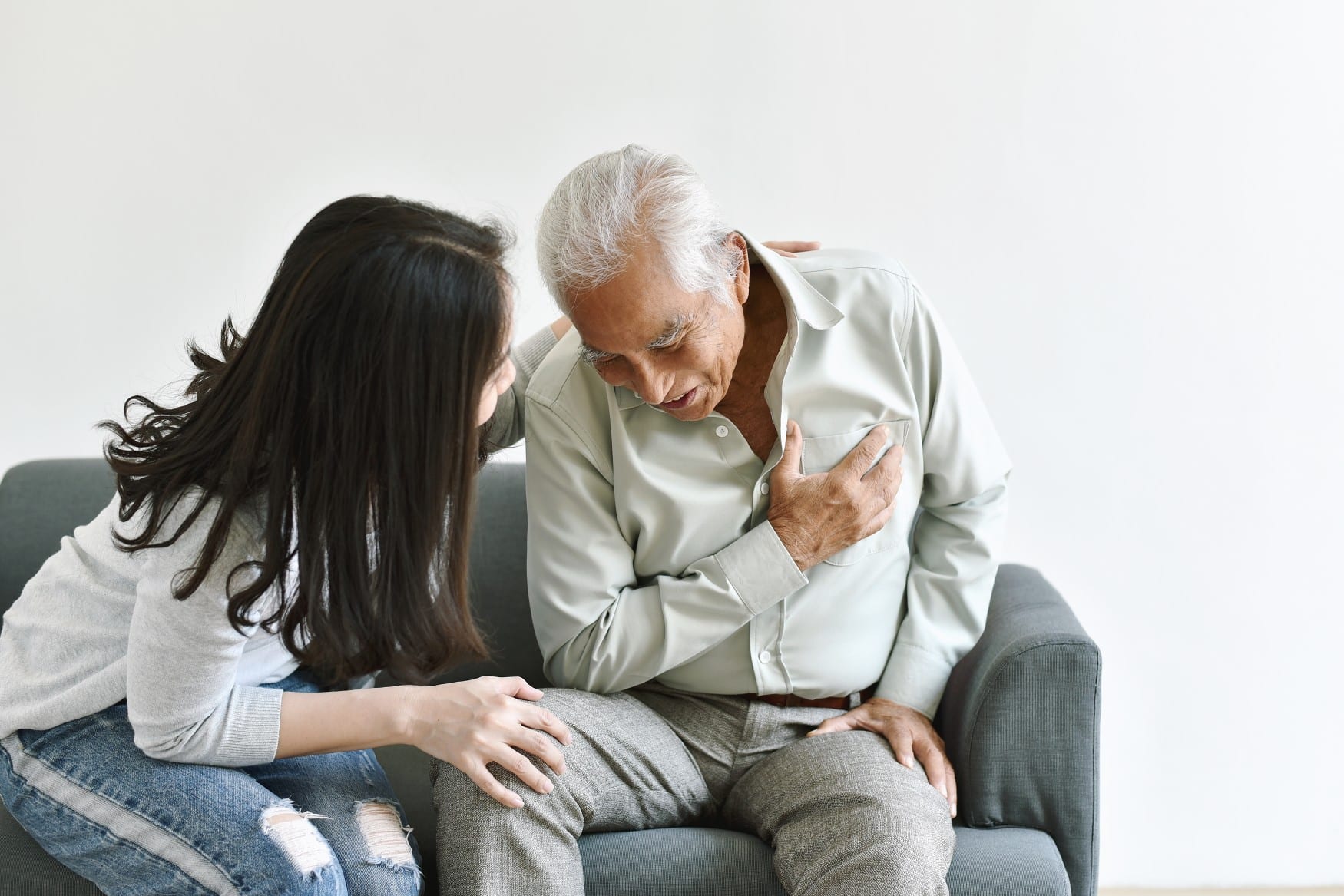
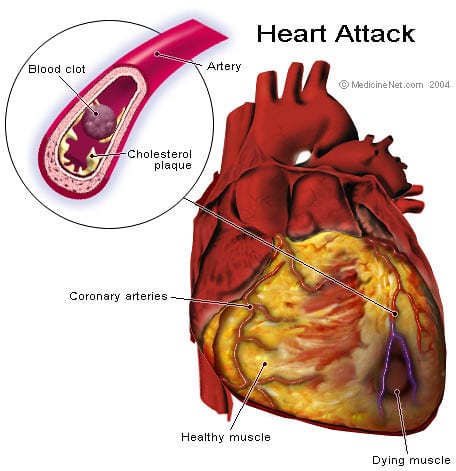
At the top of the CDC’s list of major heart attack symptoms sits chest pain or discomfort. Then comes feeling faint or weak, discomfort spreading to an arm, both shoulders, the jaw, neck or back, and breathlessness, which sometimes starts before the chest is involved at all. It also mentions unexplained fatigue, nausea and vomiting, which it says show up more often in women.
On a hot afternoon after a tournament or a long ride, it’s tempting to read every one of those as dehydration or overdoing it. Don’t. The CDC is plain about the response: 9-1-1, immediately, since every minute without care costs heart muscle. Driving yourself to an emergency room, or waiting to see whether it passes, gives up the head start paramedics provide.
Who answers a 911 call in Hermosa Beach
Hermosa Beach no longer runs its own fire department. According to the city, the Los Angeles County Fire Department began providing fire and emergency medical services on December 30, 2017. The city’s station is LA County Fire Station 100 at 540 Pier Avenue. Ambulance transport is provided by McCormick Ambulance under a contract with the city, working with County Fire, and the maximum rates for ambulance transport are set by the Los Angeles County EMS Agency.
On the beach itself, the Los Angeles County lifeguards are part of the same county fire department. The city lists Hermosa Beach Lifeguard Headquarters at 1201 The Strand.
What lifeguards have already done with an AED here
The value of a defibrillator close at hand isn’t theoretical in Hermosa Beach. At the 2023 Lifeguard Medal of Valor ceremony, the Los Angeles County Fire Department honored three ocean lifeguards for a cardiac arrest rescue at Fiesta Hermosa on May 28, 2023. They’d been called for a choking victim and found a person in cardiac arrest, with bystanders already doing CPR. The lifeguards took over CPR and used an AED until paramedics arrived. That sequence, bystander CPR first and then a defibrillator, is the chain that gives a person in cardiac arrest a chance.

Hands-only CPR until help arrives
If an adult collapses and isn’t breathing normally, call 911, or have someone else call, and start pushing hard and fast in the center of the chest. Keep going until someone with an AED or the paramedics take over. If an AED arrives, turn it on and follow the voice prompts. The device decides whether to deliver a shock; you can’t make it shock someone who doesn’t need one.
For people who’ve had a heart attack, a stent or an arrhythmia, the most useful CPR class is the one their partner, roommate or regular training group takes. Ask the cardiologist whether your own condition makes that worth arranging.
Which hospital the ambulance chooses, and why it isn’t your choice
Los Angeles County’s EMS Agency sets rules for where 911 patients go. Its Reference 320 sets standards for STEMI Receiving Centers, hospitals able to open blocked coronary arteries around the clock, so that 911 patients with a ST-elevation heart attack or a cardiac arrest outside a hospital are taken to a hospital equipped for them. Providence Little Company of Mary Medical Center Torrance, at 4101 Torrance Boulevard, lists its emergency department as a STEMI Heart Attack Receiving Center and certified stroke center, and appears in the county’s 9-1-1 receiving hospital directory. The paramedics decide the destination based on what they find, so the hospital may not be the one you’d have picked.
After the emergency: where a CACVI visit fits
Once the emergency has been handled, follow-up cardiology is where CACVI comes in: reviewing what was found, the medicines started, the stent or device placed, and what happens next. The hospital paperwork, the new prescriptions and any cath or imaging report should all come with you. If the hospital’s own cardiologist has set up follow-up, keep that appointment. A second opinion at Alden Drive is an addition, not a replacement.
Getting from Hermosa Beach to 8741 Alden Drive
The Los Angeles office sits on Alden Drive, a short walk from Robertson Boulevard, roughly 17 to 20 miles north of Hermosa Beach depending on the route. That’s close enough for a morning appointment and back by early afternoon, provided the hours are chosen with the traffic in mind.
Typical weekday drive times
The figures below come from Google Maps with the departure set to a Tuesday in December, starting at Hermosa Beach City Hall (1315 Valley Drive) and ending at 8741 Alden Drive. Google gives a typical range rather than one number, and both ends of the range matter for planning.
| Direction | Leave at (Tuesday) | Route Google listed first | Typical range |
|---|---|---|---|
| Hermosa Beach to Alden Drive | 7:00 a.m. | La Cienega Blvd, 16.9 mi | 45 min to 1 hr 50 min |
| Hermosa Beach to Alden Drive | 8:00 a.m. | La Cienega Blvd, 16.9 mi | 50 min to 2 hr |
| Hermosa Beach to Alden Drive | 9:30 a.m. | La Cienega Blvd, 16.9 mi | 40 min to 1 hr 30 min |
| Hermosa Beach to Alden Drive | 11:00 a.m. | La Cienega Blvd, 16.9 mi | 35 min to 1 hr 25 min |
| Hermosa Beach to Alden Drive | 1:00 p.m. | I-405 N, 20.2 mi | 40 min to 1 hr 20 min |
| Alden Drive to Hermosa Beach | 11:30 a.m. | I-405 S, 20.6 mi | 35 min to 1 hr 10 min |
| Alden Drive to Hermosa Beach | 1:30 p.m. | I-405 S, 20.6 mi | 40 min to 1 hr 25 min |
| Alden Drive to Hermosa Beach | 3:00 p.m. | I-405 S, 20.6 mi | 50 min to 1 hr 50 min |
| Alden Drive to Hermosa Beach | 4:30 p.m. | I-405 S, 20.6 mi | 60 min to 2 hr |
| Alden Drive to Hermosa Beach | 6:30 p.m. | I-405 S, 20.6 mi | 50 min to 1 hr 25 min |
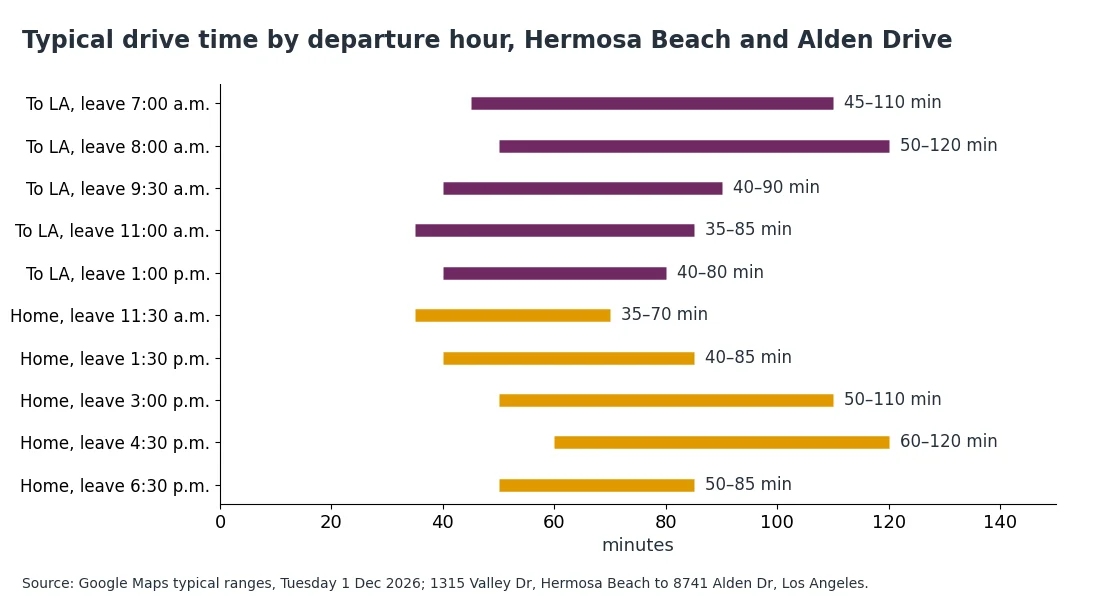
Northbound, Google’s fastest suggestion for most morning departures was La Cienega Boulevard (16.9 miles) rather than the I-405 (20.2 miles). An 8:00 a.m. start was the gamble, anywhere from 50 minutes to 2 hours, while an 11:00 a.m. start narrowed it to between 35 minutes and 1 hour 25 minutes. Southbound, every suggestion used the I-405, and the afternoon was slowest: a 4:30 p.m. departure from Alden Drive spanned an hour to two, where an 11:30 a.m. one spanned 35 to 70 minutes.
Put together, the easiest day from Hermosa Beach starts mid-morning, sets off between 9:30 and 11:00, and heads south again by early afternoon. Treat these as one Tuesday’s typical spread and look at live traffic on the day.
Parking near the office
CACVI’s appointments page lists three garages. For the garage, use Lot 703 (Robertson Alden, 141 Robertson Boulevard) if you can. It’s three minutes on foot, costs nothing for two hours, and tops out at $12. Robertson Plaza, at 116-120 North Robertson Boulevard, is a two-minute walk, though its rate starts at $3 per 15 minutes. A third option, at the Steven Spielberg Building at 8723 Alden Drive, gives one free hour but closes at 5:00 p.m. and on weekends. For a long visit with several tests, the Robertson Alden garage’s two free hours is usually the better bet.
Days to leave the car keys with someone else
Some visits shouldn’t end with you behind the wheel: a transesophageal echo under sedation, any procedure, or a day when a symptom such as fainting is the reason you’re coming. Plan the ride when you book. The office can tell you which tests involve sedation.
The three physicians, described from their CACVI biographies
All three CACVI physicians do catheter procedures as well as office cardiology. Rather than retell their résumés, here is how each one’s published profile on cacvi.org lines up with the services this page covers.
Dr. Mehran J. Khorsandi: coronary branch points and implanted devices
Of the three, Dr. Khorsandi has the longest history in the cath lab. Since 1993 he has practiced as a Cedars-Sinai attending physician, at the same hospital that trained him. Among the five board certifications on his page is a cardiac device specialist credential. That credential, together with pacemaker and defibrillator implantation on his interest list, makes him the natural contact for a Hermosa Beach patient with a device. His other focus is bifurcation disease, where a blockage sits at the fork of two coronary branches; he co-founded a company built around a stent design for exactly that problem. Outside CACVI, the Tarzana hospital run by Providence and Cedars-Sinai has made him head of its catheterization lab.
Dr. Moinakhtar Lala: the imaging reader who plays on the sand
For patients with echocardiography and nuclear imaging questions, Dr. Moinakhtar Lala’s credentials are the relevant ones. Reading heart ultrasound, nuclear perfusion scans and vascular studies sits inside his board credentials, which add echocardiography, nuclear cardiology and the RPVI vascular credential to his interventional training. In the cath lab his page lists TAVR, coronary chronic total occlusions, wrist-access coronary work, and the leg-artery and vein procedures behind CACVI’s limb salvage program, which he founded after arriving at the practice in 2016. And for a town built around the courts, one personal line on his profile stands out: beach volleyball and cycling are how he spends time away from work.
Dr. Vasim Lala: valves, septal closures and cardio-oncology
Most of the structural and cardio-oncology work on this page maps to Dr. Vasim Lala. His fellowship at Mount Sinai Hospital in New York covered coronary, vascular and structural intervention, and since coming to CACVI in mid-2022 his procedure list has included TAVR, PFO closure and the WATCHMAN implant. The conditions on his profile read like a summary of this page: structural heart disease, atrial fibrillation, cardiomyopathies, heart failure, hypertension and cardio-oncology. Prevention is part of his remit as well, and his page points to a publication record plus articles for two cardiology news outlets.
In patients’ own words, from Google
How to request a first CACVI visit from the beach cities
Teléfono 310-652-2744 during weekday office hours, 8:30 to 5:00, since the practice books appointments by phone; the contact page also takes emailed questions. Tell the scheduler three things up front: that you’re coming from Hermosa Beach, which service you’re asking about (a valve, a blood thinner, a cancer-treatment echo, a stress test), and whether a doctor has referred you.
Two jobs come before the appointment: confirm with your insurer whether it wants a referral or prior authorization, and complete the paperwork on the new patients page. Then gather the paperwork this page has pointed to section by section: echo and imaging reports with images where you can get them, the oncology treatment plan, the anticoagulation history, and the discharge papers from any emergency visit. A first visit that starts with the records already in hand goes faster and gets further.
Call 310-652-2744 to book. Anything happening in your chest right now goes to 911, not to this number.
Short answers to Hermosa Beach heart-care questions
Where do beach-city patients see CACVI?
Alden Drive in Los Angeles is the office beach-city patients use; the practice’s other two locations are in Tarzana and Victorville, much farther away. The office is in Los Angeles, not Beverly Hills, at ZIP code 90048.
What does “cardiac risk testing” include?
It usually starts with blood pressure, a cholesterol panel, blood sugar, smoking history and family history, which together feed a 10-year risk estimate. When that estimate is borderline, a cardiologist may add a coronary calcium scan, which looks for calcified plaque in the heart’s arteries in a few minutes without contrast dye. Which tests make sense depends on your age and history, so ask what result would change your plan before agreeing to any test.
Will CACVI run a stress test on request alone?
A stress test is ordered for a reason, and the type (treadmill only, stress echo, or nuclear) depends on that reason. The usual path is a consultation first, often with the test scheduled at or soon after it. If another doctor has already ordered a specific stress test, tell the scheduler and send the order.
Is catheter ablation for AFib available at CACVI?
Ablation is done by cardiac electrophysiologists, and none of the three CACVI biographies lists ablation among their procedures. CACVI’s physicians manage atrial fibrillation with medicine, monitoring and stroke-risk planning, Dr. Khorsandi implants pacemakers and defibrillators, and Dr. Vasim Lala lists the WATCHMAN device. If ablation is the question, a CACVI cardiologist can help you decide whether it’s worth an electrophysiology referral.
What is an interventional cardiologist, and why are all three physicians one?
An interventional cardiologist has trained beyond general cardiology to do procedures through catheters: opening blocked arteries with balloons and stents, replacing valves through blood vessels, and closing openings in the heart. Because every CACVI physician has that training, the person who examines you in the office can be the same one who does the procedure later, if it comes to that.
Pills not bringing my blood pressure down: does a cardiologist help?
Yes, especially if it stays high on three or more medicines or comes with chest symptoms, breathlessness or a heart that has thickened on an echo. Dr. Vasim Lala’s profile names hypertension as one of his areas. Bring a week of home readings taken seated, at the same times each day, with the cuff on bare skin.
Do you see patients for varicose veins?
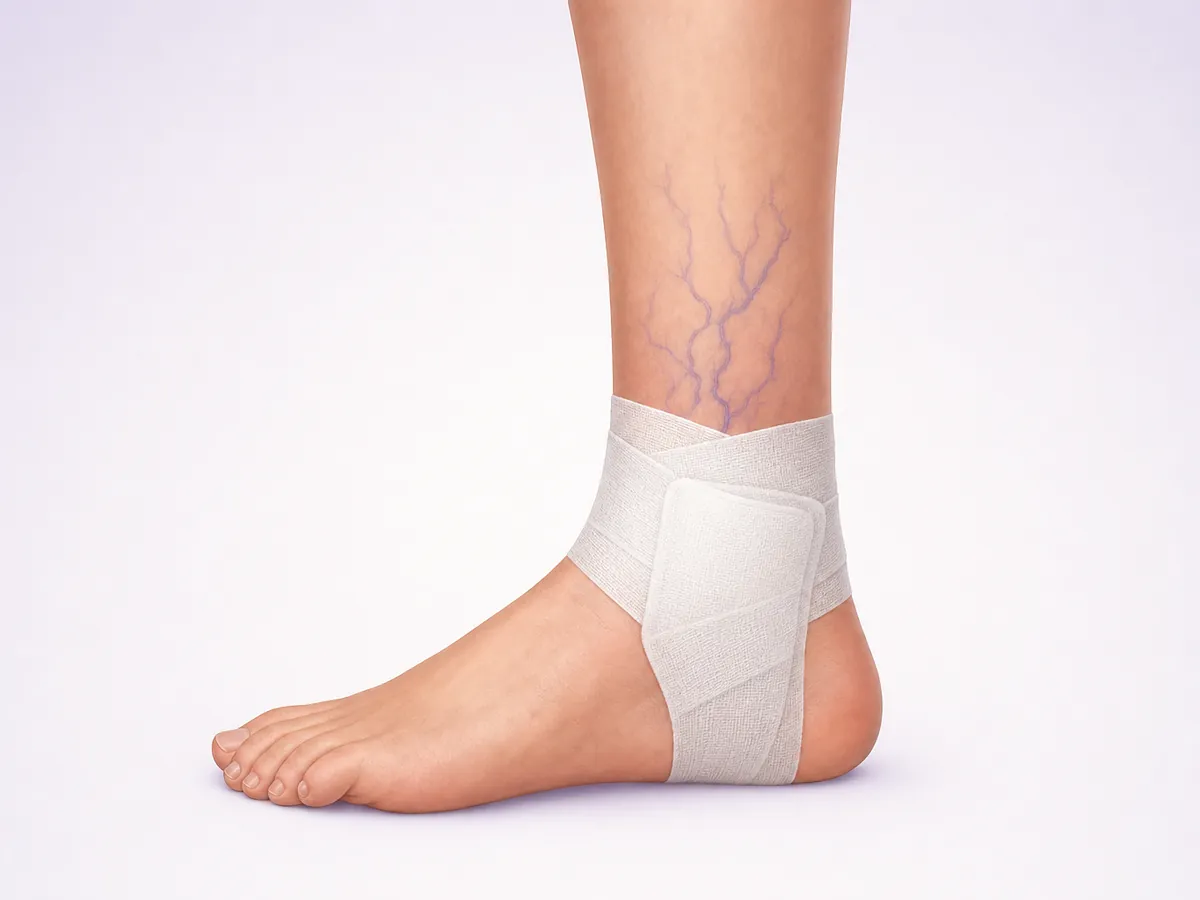
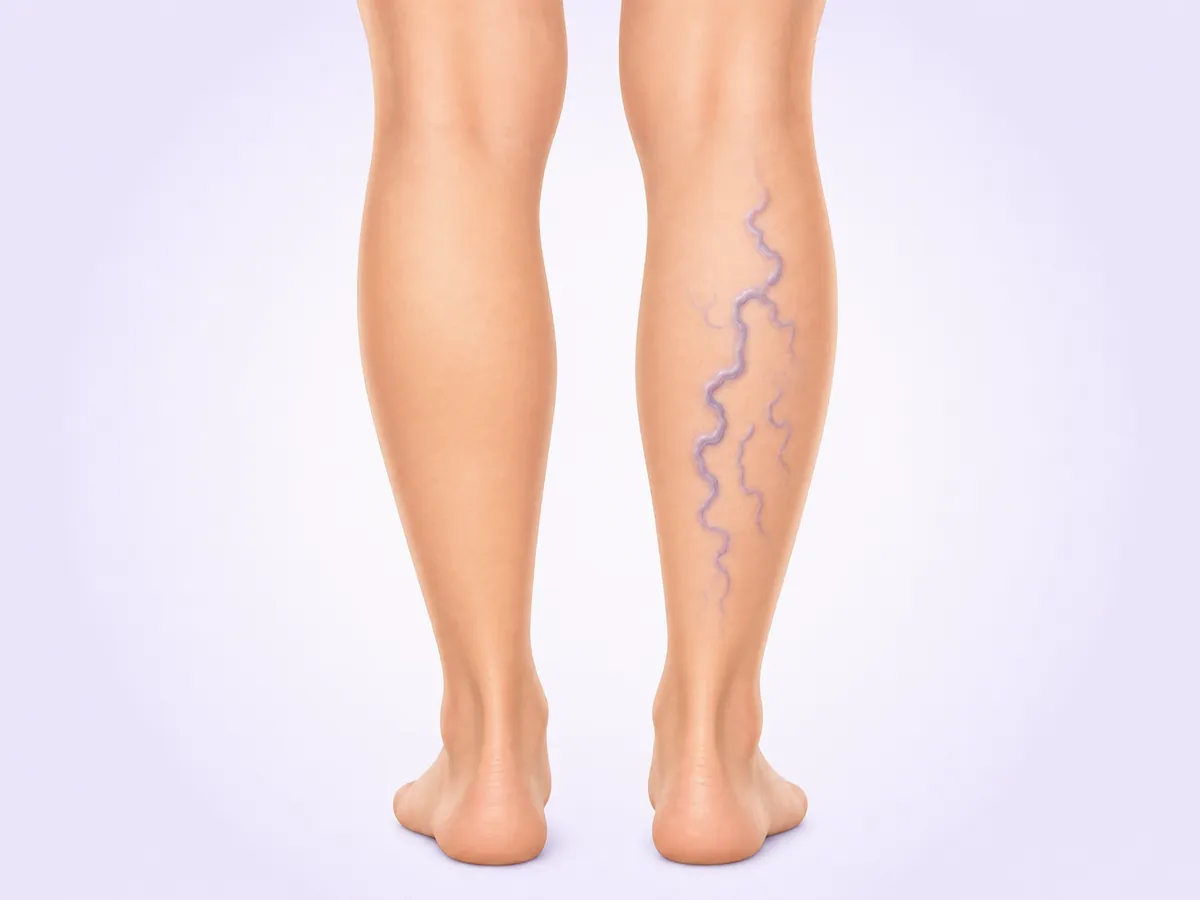
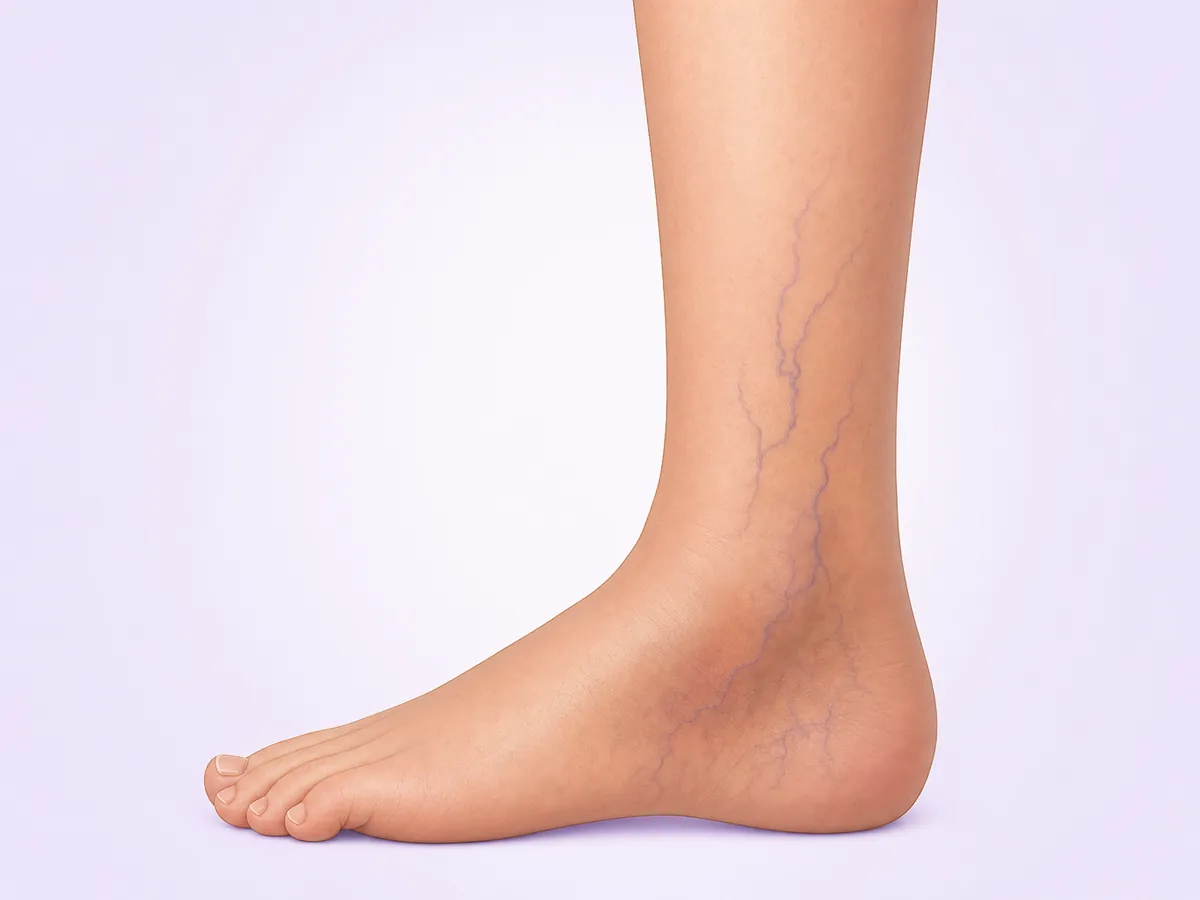
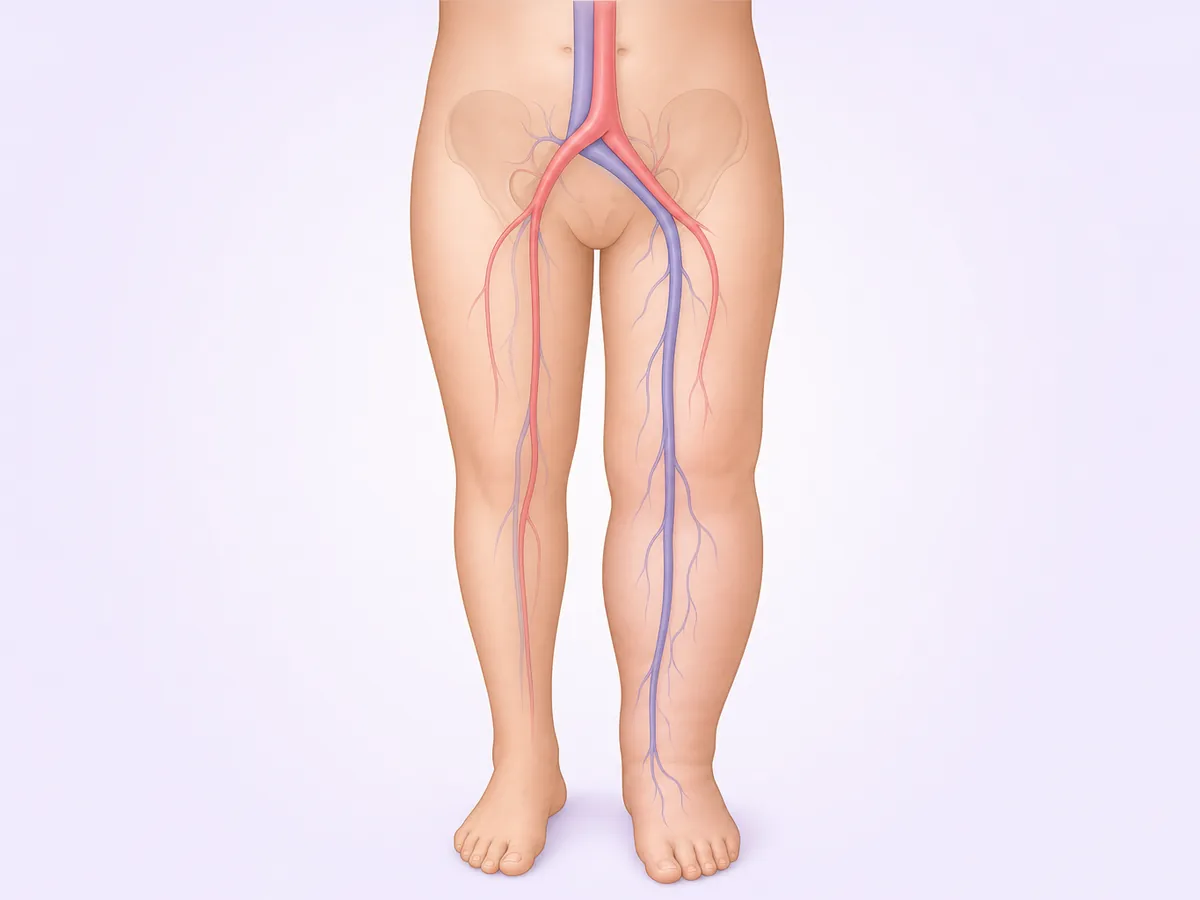
Yes. All three physicians list varicose vein treatment, and CACVI has a separate vein treatment page. Vein care starts with an ultrasound of the leg veins, which can be booked through the same Los Angeles office.
Which questions get the most out of a first cardiology appointment?
Three tend to earn their place. Is there a most likely explanation, and what’s the runner-up? How would this test or drug change my plan? Which symptom means phoning the office, and which means 911? Write the answers down or bring someone to take notes.
Can I have a heart procedure at a hospital in the South Bay?
Catheter work happens in hospital labs; the Alden Drive suite is for consultations and testing. The one hospital role on a CACVI profile is Dr. Khorsandi’s directorship at Providence Cedars-Sinai Tarzana. Whether a procedure could be done at a particular South Bay hospital depends on where a given physician holds privileges, so ask that question directly when a procedure is proposed.
I’ve had a heart attack and a stent. How soon can I go back to the gym or the water?
That depends on how much heart muscle was affected, the stent and your medicines, so the cardiologist who has your reports has to answer it. Many people start with a cardiac rehabilitation program, which builds activity under supervision. Bring a list of what you did before, with distances and intensity, so the plan fits your real routine.
Is paperwork from my insurer needed before I’m seen?
It depends on your insurance. Plans differ. An HMO usually wants its own paperwork before you see a cardiologist outside the primary care office, while a PPO or Original Medicare often doesn’t. Look it up on your plan’s member portal or phone the number on the card, and if paperwork is needed, have it faxed to 310-967-2140 before the appointment.
Is a smartwatch EKG strip worth bringing?
Yes, particularly when it caught something that has never happened in a clinic. Save it as a dated PDF and jot down the activity at the time. A single-lead strip is a lead, not a diagnosis, so a full EKG or a wearable monitor usually follows.
Cardiology pages for Manhattan Beach, Redondo Beach and the next towns over
Hermosa Beach has only two land neighbours, Manhattan Beach above it and Redondo Beach below and inland, and each has its own CACVI cardiology page: Manhattan Beach and Redondo Beach. One city farther out, El Segundo borders Manhattan Beach and Torrance borders Redondo Beach. The broader cardiac evaluation page sits above all of these city pages.
Hermosa Beach page sources and reading list
| Source | Publisher | What it covers |
|---|---|---|
| CACVI: Appointments and office locations | CACVI | Los Angeles office address, phone, fax, email and the three nearby garages. |
| CACVI: New Patients | CACVI | Forms and what to bring to a first visit. |
| CACVI: Structural Heart Procedures, TAVR, MitraClip and WATCHMAN | CACVI | The catheter-based valve and appendage procedures the practice lists. |
| CACVI: Echocardiogram and Stress Tests | CACVI | What each test measures and the forms of stress testing offered. |
| CACVI physician biographies | CACVI | Training, board certifications and procedure lists for Drs. Khorsandi, M. Lala and V. Lala. |
| 2020 ACC/AHA Valvular Heart Disease Guideline: Key Perspectives, Part 1 | American College of Cardiology | Valve disease stages, severe aortic stenosis thresholds, timing of intervention, TAVR versus surgery by age. |
| Patent Foramen Ovale (PFO) | Divers Alert Network | PFO prevalence, decompression illness risk, testing and return to diving after closure. |
| Warfarin | MedlinePlus, National Library of Medicine | INR testing, vitamin K, interactions, injuries and procedures while on warfarin. |
| Apixaban | MedlinePlus, National Library of Medicine | Missed doses, stopping, procedures, falls and artificial heart valves. |
| 2022 ESC Guidelines on cardio-oncology (Lyon et al., Eur Heart J 2022) | European Society of Cardiology | Guideline on heart monitoring and care around cancer treatment. |
| Global longitudinal strain in cardio-oncology (Teske, Neth Heart J 2023) | Netherlands Heart Journal | Trastuzumab dysfunction rates, three-monthly echo surveillance, strain and the SUCCOUR trial. |
| Risk of ischemic heart disease after radiotherapy for breast cancer (Darby et al., NEJM 2013) | New England Journal of Medicine | Coronary events rising 7.4% per gray of heart dose. |
| Is the risk of atrial fibrillation higher in athletes? (Abdulla and Nielsen, Europace 2009) | Europace | Meta-analysis of six case-control studies of AF in athletes. |
| Lifelong exercise volume and coronary atherosclerosis (Aengevaeren et al., Circulation 2017) | Circulation | MARC study of coronary calcium and plaque in trained men. |
| Exercise volume versus intensity and plaque progression, MARC-2 (Circulation 2023) | Circulation | Six-year follow-up linking very vigorous intensity to progression. |
| Occult hypertension and coronary atherosclerosis in masters athletes (O’Driscoll et al., BJSM 2026) | British Journal of Sports Medicine | 24-hour and exercise blood pressure in 198 endurance athletes. |
| “Autonomic conflict” during cold water immersion (Shattock and Tipton, J Physiol 2012) | The Journal of Physiology | Cold-shock and diving reflexes and arrhythmias. |
| High-volume energy drink consumption and ECG and blood pressure (Shah et al., JAHA 2019) | Journal of the American Heart Association | QT prolongation and blood pressure rise after 32 oz of energy drink. |
| Hydrochlorothiazide | MedlinePlus, National Library of Medicine | Sun sensitivity and skin cancer warning. |
| Hydrochlorothiazide: risk of non-melanoma skin cancer (Drug Safety Update, Nov 2018) | UK Medicines and Healthcare products Regulatory Agency | Dose-dependent skin cancer risk and sun-protection advice. |
| Amiodarone | MedlinePlus, National Library of Medicine | Sun sensitivity and blue-gray skin discoloration. |
| Metoprolol | MedlinePlus, National Library of Medicine | Heart-rate slowing and the warning against stopping suddenly. |
| Atorvastatin | MedlinePlus, National Library of Medicine | Muscle pain and weakness as side effects to report. |
| About Heart Attack Symptoms, Risk, and Recovery | CDC | Major heart attack symptoms and the instruction to call 9-1-1. |
| Fire Services: Los Angeles County | City of Hermosa Beach | County Fire and EMS since December 30, 2017; Station 100; McCormick Ambulance; lifeguard headquarters. |
| 2023 Lifeguard Medal of Valor Ceremony | Los Angeles County Fire Department | Lifeguard CPR and AED rescue at Fiesta Hermosa, May 28, 2023. |
| Reference No. 320: STEMI Receiving Center Standards | Los Angeles County EMS Agency | Standards so 911 STEMI and cardiac arrest patients reach an equipped hospital. |
| Reference No. 501: 9-1-1 Receiving Hospital Directory | Los Angeles County EMS Agency | County list of 911 receiving hospitals and their services. |
| Emergency Care, Little Company of Mary Medical Center Torrance | Providence | Address, 24-hour emergency department, STEMI and stroke designations. |
¿Listo para hablar?