


Evaluación cardíaca
Cardiologist near Westwood, CA
Heart and vascular care for Westwood, from CACVI’s Los Angeles office on Alden Drive, about four miles east of Westwood Village.
Maybe a campus clinician heard a murmur and wrote “cardiology” on a referral slip. Maybe your blood pressure has crept up since you moved into a Wilshire high-rise, or your father’s legs ache halfway down the block and nobody has looked at his arteries. Whatever the reason, CACVI (the Center for Advanced Cardiac and Vascular Interventions) handles heart trouble and circulation trouble for Westwood patients alike. One practice handles the work-up, the tests and, if one is needed, the procedure.
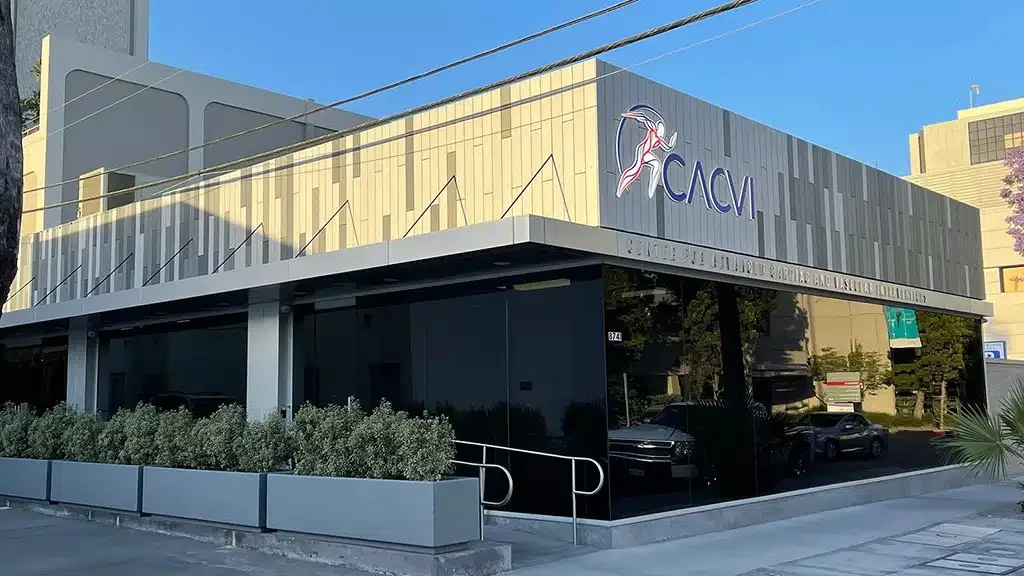
Patients from the Village, the UCLA area and the Wilshire Corridor come to our Los Angeles office at 8741 Alden Drive, Suite A, Los Angeles, CA 90048, beside the Cedars-Sinai campus. Call 310-652-2744 on weekdays between 8:30 a.m. and 5:00 p.m. to book, or send an appointment request.
Respuesta rápida
CACVI serves Westwood from its Los Angeles cardiology office at 8741 Alden Drive, Suite A, a drive of a little over four miles east along Wilshire and Santa Monica Boulevards. Its cardiologists evaluate chest pain, breathlessness, palpitations, high blood pressure, high cholesterol, valve disease, heart failure and circulation problems in the legs, neck and abdomen, and order the tests each question calls for. Call 310-652-2744 on weekdays to book. For chest pain lasting more than a few minutes, call 911.
If a referral or test order is already in hand, request your Alden Drive appointment and have the referral in front of you when you call.
Westwood at a glance
| Detail | Why it matters if you live or work in Westwood | Where it’s from |
|---|---|---|
| CACVI Los Angeles, 8741 Alden Dr, Suite A, 90048 | The office Westwood patients use. | CACVI appointments |
| 310-652-2744, Mon to Fri 8:30 a.m. to 5:00 p.m. | Weekday visits only; the office is closed on weekends. | Google business listing / CACVI appointments |
| 4.3 miles from Westwood Village; Google estimated 12 to 26 minutes for a late Sunday afternoon departure | Leave a margin on weekdays; Wilshire and Santa Monica Boulevards carry the trip. | Google Maps, checked 22 November 2026 |
| Lot 703, 141 Robertson Blvd: free for the first 2 hours | A consultation plus one test usually fits inside the free window. | CACVI appointments |
| UC SHIP: non-emergency care outside the Ashe Center needs an Ashe referral | Students on UC SHIP start at 221 Westwood Plaza, not with a cardiology call. | UCLA Ashe Center insurance |
| Original Medicare: in most cases no referral to see a specialist | Original Medicare members can usually book directly; Medicare Advantage members may not. | Medicare.gov |
| California records rule: five working days to respond to a written request to read your records | Ask early for reports and images held by another health system. | California Attorney General |
| Ronald Reagan UCLA emergency department, 757 Westwood Plaza: open 24 hours, STEMI receiving center | Where acute care sits in Westwood. CACVI is a scheduled office, not an ER. | UCLA Health |
Westwood cardiology for the Village, the campus and the Wilshire high-rises
Westwood packs very different patients into a small area. UCLA students and the people who work on the hill live a few blocks from long-time residents of the condominium towers along Wilshire Boulevard. Ask a twenty-two-year-old with a racing heart and a seventy-eight-year-old with swollen ankles what they need from a cardiologist and you’ll get two different answers. A Westwood cardiology practice has to handle both, and it helps to know which group you’re in before you call.


Students and early-career residents
Most heart questions in this group start with a symptom that’s frightening but often benign: a pounding heartbeat during finals, a dizzy spell at the gym, chest tightness after a long run. Some of these need a careful look. Fainting during exercise, chest pain that comes with exertion, or a parent or sibling who died suddenly before fifty are reasons to be seen and not just reassured over the phone. A family history of early heart disease counts even when you feel fine.
Young patients also arrive with a lab result they didn’t expect. A cholesterol panel from a campus physical, a blood pressure of 138/88 at a pharmacy kiosk. The 2019 prevention guideline from the American College of Cardiology and the American Heart Association asks clinicians to check traditional risk factors in adults aged 20 to 39 at least every four to six years, which is why these numbers turn up early. A cardiologist’s job at this stage is to sort out what the number means for you, not to start a lifetime prescription on a single reading.
People who work on the hill
Plenty of people spend their working day in Westwood without living there: on the campus, at the medical center, in the office towers along Wilshire. If you work in Westwood but live elsewhere, think about where follow-up visits will be easiest. Alden Drive sits between the Westside and the Mid-Wilshire area, so for some commuters it’s on the way home rather than a detour. Others find that a lunchtime appointment works, given the weekday hours.
Wilshire Corridor residents with long-term conditions
Many of the people who call from the condominium towers along Wilshire east of the Village are managing a condition they’ve had for years. Their questions are slower and longer: blood pressure that won’t stay under control on two medicines, a valve that someone said to “watch”, breathlessness that has crept up over a year, a pacemaker that needs regular checks. These conditions are managed over years, and the value is in seeing a cardiologist who knows your history at every visit.
What CACVI’s cardiologists look after
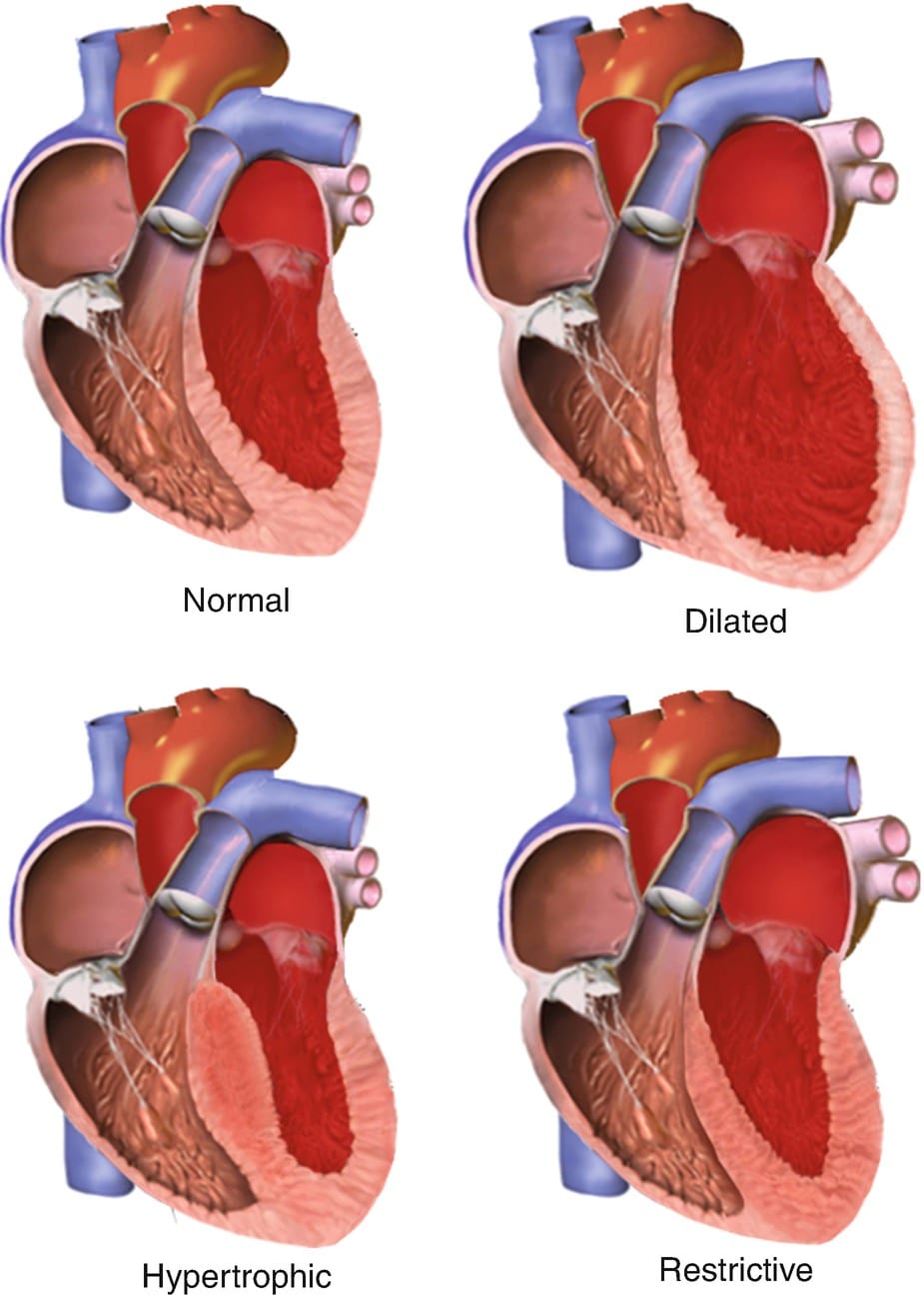
The practice’s physicians manage heart and blood-vessel conditions across the range. On the heart side that includes coronary artery disease, recovery after a heart attack, heart failure, cardiomyopathy, heart rhythm problems, aortic valve disease, mitral valve disease and follow-up for pacemakers and defibrillators. High blood pressure and high cholesterol sit underneath most of these, and they’re handled in the same visits.
The first appointment is a cardiac evaluation: a physical examination and a detailed history covering symptoms, family history, medicines and other conditions. Blood or urine tests may be added. Everything after that, from which test to order to whether a procedure is worth discussing, follows from what that first visit finds.
Questions worth writing down before the first visit
- What is the most likely cause of my symptom, and what else could it be?
- Which test would tell us, and what will we do differently depending on the result?
- Could a drug I already take be causing this?
- What should make me call before my next appointment?
- When should I come back, and what should I bring then?
Write the answers down during the visit, or ask the person with you to do it. A short written plan is easier to follow at home than a conversation you have to remember.
Booking for yourself or for a parent, the first step is the same: ask for a first cardiac evaluation and mention whether a referral is already on file.
Who needs a referral before a Westwood cardiology appointment
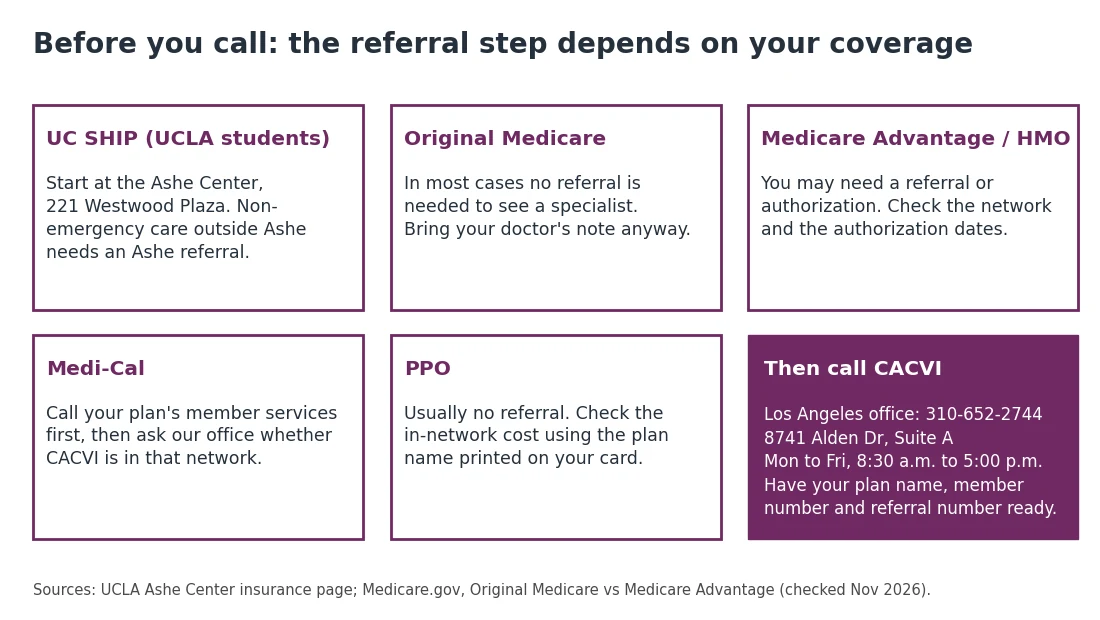
If you live in Westwood, a first question may be whether you can book a cardiologist directly. The answer depends on the card in your wallet, not on us. In Westwood the mix of coverage is unusually wide: a student health plan with strict rules, employer plans of every type, traditional Medicare, Medicare Advantage and Medi-Cal. Here’s how each one usually works, and what to check before you pick up the phone.
UC SHIP and the Ashe Center
UCLA students enrolled in UC SHIP have the clearest rule of anyone. The Ashe Center’s insurance page says non-emergency medical care must start at the Ashe Center, and that a referral is required for any non-emergency service outside it. It also says Anthem Blue Cross won’t consider or pay a claim without a valid Ashe Center referral. So a student who books a cardiologist directly, skipping Ashe, may end up paying the bill.
The practical order is simple. See an Ashe clinician first, at 221 Westwood Plaza. Ask whether a cardiology referral is appropriate and, if it is, which practices it can be written to. Then call the cardiology office with the referral number. Students who waived UC SHIP for other coverage follow that plan’s rules instead. The Ashe Center’s BruinCare program gives students who waived UC SHIP prepaid access to certain Ashe services, including removing the $30 visit fee, but it is not insurance for outside specialists. A waived student with a parent’s PPO, for example, may be able to book a cardiologist directly; one with an out-of-state HMO probably can’t without that plan’s approval.

Referrals from urgent care or a campus clinic
Plenty of Westwood cardiology referrals start at an urgent care visit or a campus clinic, often after an abnormal EKG or a blood pressure that couldn’t be ignored. Those referrals count the same as one from a regular doctor, as long as your plan accepts the referring clinician. Ask the clinic for a printed copy of the EKG and the visit note before you leave; urgent care records can be the hardest to retrieve later, and the tracing is the thing the cardiologist will want to see.
Original Medicare
Traditional Medicare is the easy case. On Medicare.gov’s side-by-side page, the Original Medicare column reads that in most cases you don’t need a referral to see a specialist. For many retirees in the Wilshire Corridor that means you can call a cardiology office directly. Your primary care doctor still matters: a short note on why you’re being seen, plus your latest lab results, saves the first visit from starting at zero.
Medicare Advantage and HMO plans
Medicare Advantage is different. The same Medicare.gov page says members may need a referral to see a specialist, and many Advantage plans are HMOs with a network of contracted doctors. Commercial HMOs work the same way. Before you book, find two things: whether the cardiology practice is in your plan’s network, and whether your primary care physician or medical group has to authorize the visit. A visit booked without that authorization can be denied even when the care itself was needed.
Medi-Cal
If you have Medi-Cal, your health plan decides which specialists you can see and how the referral moves. Call the member services number on your plan card first, ask whether a cardiologist referral is needed, and ask for the names of in-network cardiology practices on the Westside. Then call our office and ask directly whether CACVI is in your plan’s network. Don’t assume it either way; networks change.
PPO plans
Most PPO members can book a specialist without a referral. The catch is cost, not access. An out-of-network visit can cost much more than an in-network one. When you call, give the plan name exactly as it’s printed on the card, since one insurer may sell several different networks under similar names.
What to have ready when you phone the office
- The plan name and member number from your insurance card.
- The referral or authorization number, if your plan uses one.
- The name and fax number of the doctor who referred you.
- The reason for the visit in one sentence (“murmur heard at a physical”, “blood pressure still high on two medicines”).
- Dates of any heart tests you’ve had in the last two years, and where they were done.
- Times you can’t make, since the office is open weekdays only.
The new-patient page also asks you to arrive 15 minutes early with the completed registration form, and to know your office co-pay. For payment, bring cash or a Visa, Mastercard, Discover or American Express card.
Cardiac testing near Westwood, test by test
You may need cardiac testing near Westwood because a doctor has already ordered something, or because you want to know what a test would show before agreeing to it. The table below lists the tests CACVI describes on its own service pages, the question each one answers, and how to prepare. A test is only useful when it’s matched to a question, so start with the second column.
| Test | The question it answers | How to prepare | Source |
|---|---|---|---|
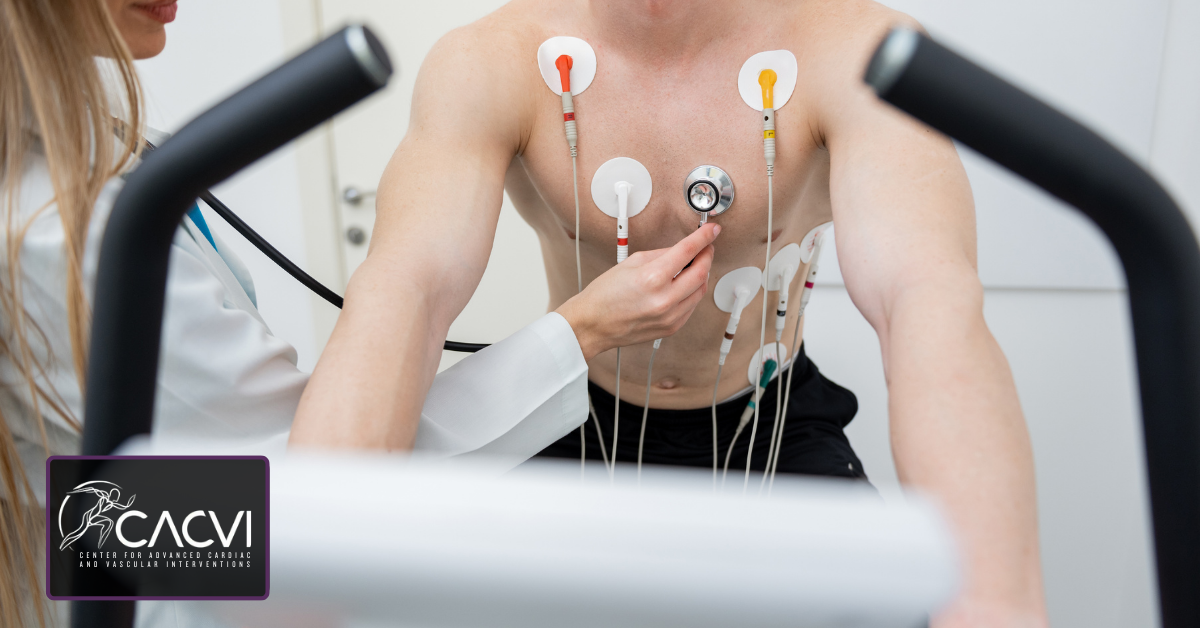
| Electrocardiograma (EKG) | What is the heart’s electrical activity doing right now? | Nothing special; skip body lotion on the chest. | CACVI EKG page |
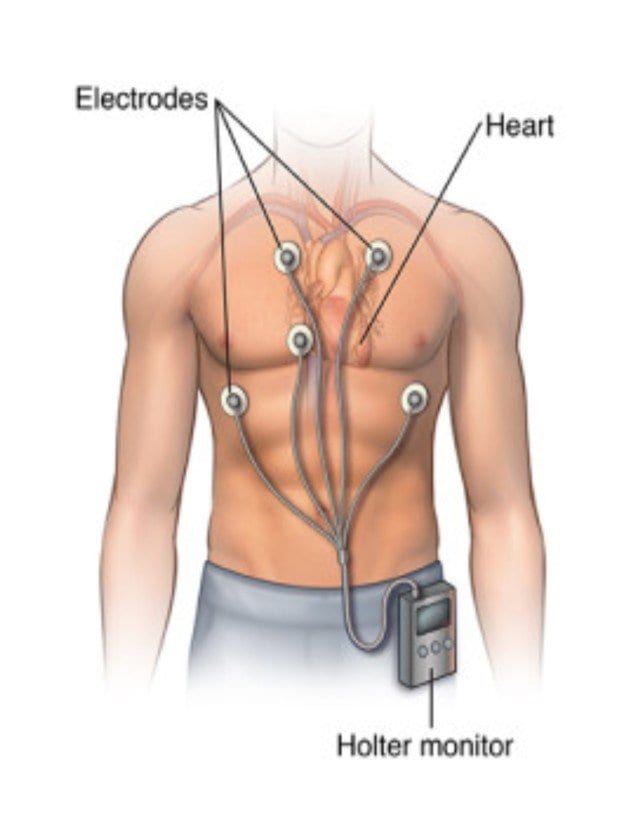
| Holter or event monitor | What happens to the rhythm over a day or two, or when symptoms strike? | Plan to wear it 24 to 48 hours (Holter); keep a symptom note. | CACVI EKG page |
| Mobile cardiac telemetry | Is a rhythm problem happening that needs a call before the next visit? | Keep the device charged and with you; it sends data over the mobile network. | CACVI MCT page |
| Ecocardiograma | How well does the heart pump, and how are the valves working? | No fasting; wear a top that’s easy to remove. | CACVI echo page |
| Exercise or pharmacologic stress test | Does blood flow to the heart muscle fall short under effort? | Walking shoes, loose clothes, no heavy meal 2 to 4 hours before; no caffeine for 24 hours before nuclear, PET or drug-stress tests. | CACVI stress test page |
| Coronary calcium scan | How much calcified plaque is in the coronary arteries? | Usually none beyond your clinician’s instructions. | CACVI calcium scan page |
| Coronary CT angiography | Are the coronary arteries narrowed, seen with contrast dye? | Fast 4 to 6 hours; no caffeine or smoking that day; an IV is placed. | CACVI CT angiography page |
| Vascular ultrasound | Are arteries or veins in the legs, neck, kidneys or abdomen narrowed, blocked or leaking? | Depends on the study; abdominal scans may need an empty stomach, so ask. | CACVI vascular ultrasound page |
Recording the heart’s electrical signal
A resting EKG takes a few minutes, uses small stickers on the skin and puts nothing inside your body. It shows rhythm, conduction and signs of strain or old damage at the moment it’s recorded. That’s also its limit. A symptom that comes twice a week won’t show up in a ten-second tracing, which is why CACVI’s EKG page also describes Holter monitors, worn for 24 to 48 hours, and event monitors, which record at set intervals or when you trigger them. With mobile cardiac telemetry, the recording isn’t left for later: each beat is transmitted by cellphone network to staff who monitor it day and night, and a dangerous rhythm gets reported to the doctor straight away.
Seeing the heart move
An echocardiogram uses ultrasound from a hand-held probe on the chest. It shows the chambers and valves while they work, and measures how much blood the heart pushes out with each beat (the ejection fraction). It’s the main test when someone hears a murmur, when breathlessness or ankle swelling suggests heart failure, or when a valve needs checking over time. It’s painless, involves no radiation and needs no fasting.
Testing the heart under load
A stress test answers a question that resting tests can’t: does the heart get enough blood when it has to work harder? On CACVI’s stress test page the options are walking on a treadmill or pedalling a bike while heart rate, blood pressure and the EKG are recorded; a drug that raises the heart’s workload for people who can’t exercise; and imaging added on top, by echo, by nuclear tracer or by PET. Plan on roughly sixty minutes in the stress lab, by CACVI’s estimate, and more if nuclear or PET imaging is part of it. Keep taking your usual medicines unless the ordering clinician tells you otherwise; some heart-rate drugs change the result, so that call belongs to them.
Pictures of the coronary arteries
Two tests use CT. A coronary calcium scan measures calcified plaque in the heart’s arteries without dye and gives a number that helps with prevention decisions (more on that below). Coronary CT angiography uses iodinated contrast through an IV to show whether the arteries are narrowed. CACVI’s page describes it as done at an outpatient imaging facility, with fasting for four to six hours beforehand, a scan that lasts only seconds and an appointment of 20 to 60 minutes overall. Tell the team about kidney disease, a contrast allergy or diabetes medicines before it’s booked.
Who should mention something before a CT angiogram
CACVI’s CT angiography page lists the situations where the test may not suit you, or needs extra planning: pregnancy, because of the radiation; severe kidney disease, because the contrast dye can strain the kidneys; a past allergic reaction to iodinated contrast; a fast or irregular heart rhythm that blurs the images; very high blood pressure; and a body size the scanner can’t accommodate. Breastfeeding mothers may be advised to pump and discard milk for 24 hours afterward. If any of these applies, say so when the test is first discussed, not on the scanner table; there’s usually another way to answer the same question.
Checking the blood vessels
Vascular ultrasound looks at arteries and veins rather than the heart itself. CACVI lists arterial duplex scans of the legs, venous Doppler and vein reflux studies, carotid duplex for the neck arteries, abdominal aortic aneurysm duplex, renal artery duplex and transcranial Doppler. These are the tests behind the circulation questions in the next sections.
What to ask for before you leave a test
A test result is most useful when you can find it again. Find out, while you’re still in the building, which route the report takes to you and to the doctor who ordered it. For an echocardiogram, ask for the ejection fraction and the description of each valve in the report. For a stress test, ask whether the heart reached its target rate and whether there were EKG changes or symptoms. For a calcium scan, ask for the score and the percentile for your age and sex. Keep copies in date order; the next cardiologist you see, here or anywhere, will want to compare them.
Asking where and when each test happens
CACVI’s service pages describe what the practice offers. They don’t say which machine sits in which of the three offices, or whether a test can be done the same day as your consultation. So ask when you book: “Will this be done at Alden Drive, and can it be the same visit?” If a test has to happen at an imaging center, ask for the address and the preparation sheet at the same time. Westwood patients with a free hour in the middle of a weekday often find that pairing the consultation and the test saves a second trip east.
With an echo or stress test order already written, request a testing appointment and read the order’s exact wording to the scheduler.
Screening when nothing hurts, and a work-up when something does
A request for cardiovascular screening near Westwood covers two very different needs. One is a check-up for someone with no symptoms who wants to know their risk. The other is a work-up for someone who has symptoms and hasn’t called them that yet. The tests can look the same, but the reasoning behind them isn’t, and national guidance treats them differently.
Why a routine EKG isn’t a screening test for most healthy adults
El Centro de U.S. Preventive Services Task Force recommends against screening with a resting or exercise EKG in adults who have no symptoms and a low risk of cardiovascular events. For adults at intermediate or high risk, it says the evidence isn’t sufficient to weigh benefits against harms. The harm it has in mind is the chain of follow-up tests that an equivocal tracing can start. So if you’re twenty-five, fit and symptom-free, a cardiologist may well decline to order a “just in case” EKG, and that’s the guidance working as intended.
Where a calcium score fits
The 2019 ACC/AHA prevention guideline places the coronary calcium score in a specific spot. When an adult’s estimated ten-year risk is intermediate (7.5% to under 20%), or borderline in selected cases, and the decision about a statin is still unclear, the guideline says it’s reasonable to measure calcium to guide the conversation. It’s a tiebreaker, not a first test for everyone; what each score range means for a statin decision is set out in the cholesterol section below.
The same guideline lists “risk-enhancing factors” that push an estimate upward: a family history of premature heart disease (a father or brother before 55, a mother or sister before 65), chronic kidney disease, chronic inflammatory conditions such as rheumatoid arthritis, psoriasis or lupus, a history of preeclampsia or menopause before 40, and South Asian ancestry. If one of these applies to you, say so at the first visit. It changes what “normal” cholesterol means for you.
After a pregnancy with preeclampsia
Women in their thirties and forties sometimes don’t connect a difficult pregnancy with their heart. The 2019 ACC/AHA prevention guideline does: it lists a history of preeclampsia, and menopause before age 40, among the risk-enhancing factors that raise a woman’s estimated risk. If either applies to you, mention it at any cardiology or primary care visit where cholesterol or blood pressure is being discussed, even years later. It can change the threshold at which treatment makes sense.
Ultrasound of the aorta for men who smoked
One screening test does have a clear recommendation. The Task Force recommends a single abdominal ultrasound to look for an aortic aneurysm in men aged 65 to 75 who have ever smoked. For men in that age group who never smoked, it suggests offering it selectively. It recommends against routine screening in women who have never smoked and have no family history of aneurysm. For a Westwood resident in his late sixties who smoked in his twenties, this is a one-time scan worth asking about.
The ankle-brachial index without leg symptoms
The ankle-brachial index compares blood pressure at the ankle and the arm to look for narrowed leg arteries. For adults with no leg symptoms, the Task Force says the evidence is insufficient to recommend for or against screening with it. That changes the moment symptoms appear. Calf pain that comes on walking and eases with rest isn’t a screening question any more; it’s a diagnostic one, covered in the next section.
Signs that turn a screening question into a work-up
- Chest pressure or tightness that comes with effort and eases with rest.
- Breathlessness on stairs or hills that’s new over the last few months.
- Fainting, or nearly fainting, especially during exercise.
- A heartbeat that races or pounds for minutes at a time without an obvious cause.
- Swelling of both ankles that is worse by evening.
- Leg cramps that come on with walking and stop when you stand still.
- A blood pressure that stays above your target despite medication.
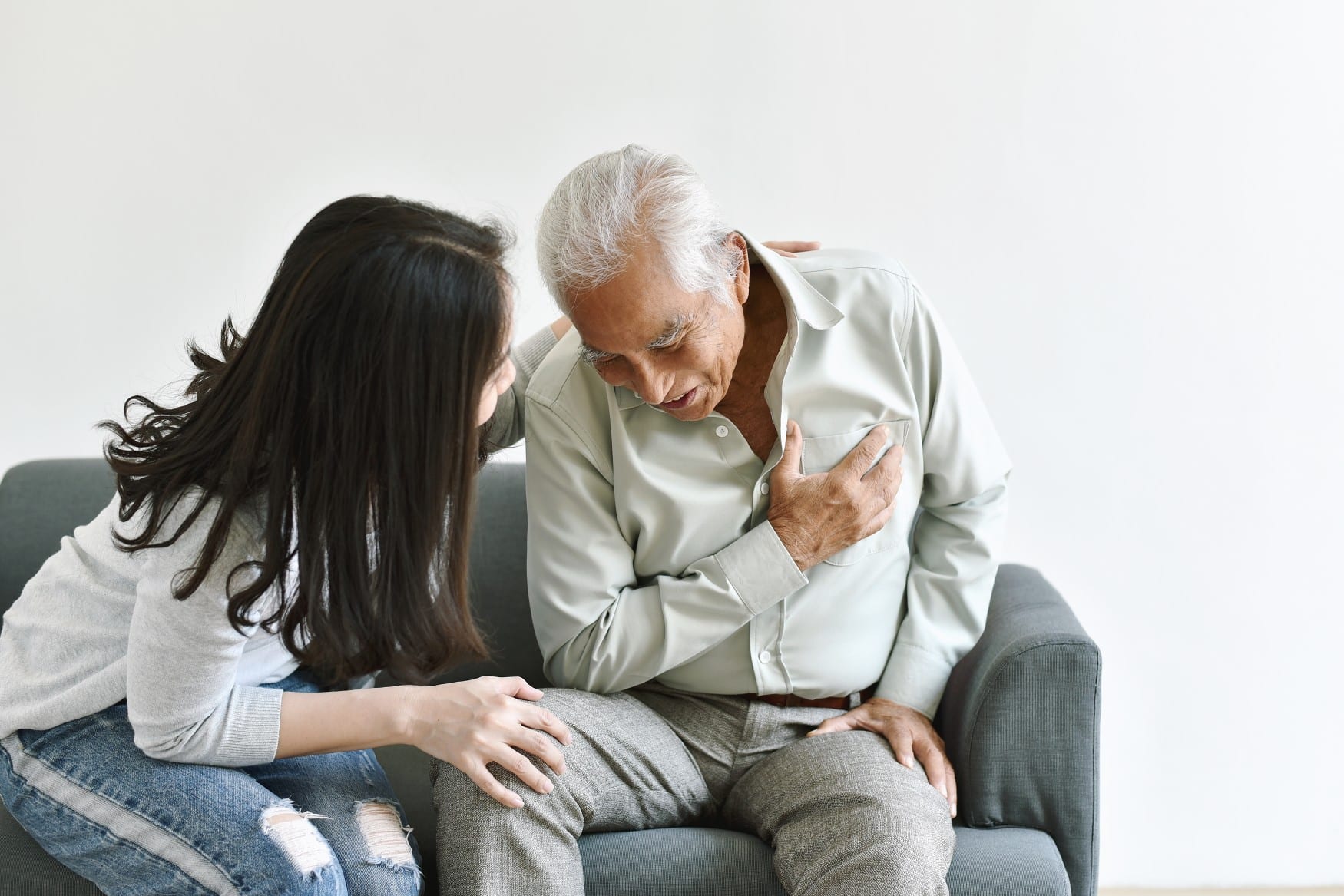
Any of these is a reason to book a cardiac evaluation instead of a screening package. None of them should wait for an annual physical. If chest discomfort comes on at rest, lasts more than a few minutes, or comes with sweating, nausea or breathlessness, it’s an emergency, and the right number is 911.
Cholesterol results that arrive before any symptoms
A lot of Westwood patients come to cardiology with no symptoms at all, just a lab sheet from a workplace physical or a student health check. The 2019 ACC/AHA primary prevention guideline gives fairly clear rules for some of these numbers, and knowing them helps you understand why one person is offered a statin straight away and another is told to come back in a few years.
An LDL of 190 or higher
For adults aged 20 to 75 with an LDL cholesterol of 190 mg/dL or higher, the guideline recommends maximally tolerated statin therapy without the usual risk calculation. Numbers this high often run in families. If yours is in that range, ask whether parents, brothers and sisters should be tested too.
Diabetes between 40 and 75
Adults aged 40 to 75 with diabetes are recommended moderate-intensity statin therapy regardless of their estimated ten-year risk, according to the same guideline. If you live with diabetes and nobody has mentioned cholesterol medication, raise it at the visit.
For everyone else, a risk estimate and a conversation
For most other adults aged 40 to 75, the decision starts with a ten-year risk estimate and a discussion of the risk-enhancing factors described above. The guideline describes how a calcium score can settle an uncertain case: with a score of zero it’s reasonable to hold off on a statin and reassess in five to ten years, as long as diabetes, a family history of early heart disease and smoking are absent. With a score of 1 to 99 it’s reasonable to start a statin in people aged 55 or older. A score of 100 or higher, or at or above the 75th percentile for age and sex, makes starting one reasonable.
Under 40, the lifetime view instead of ten years
The guideline asks clinicians to calculate a ten-year risk routinely for adults aged 40 to 75. Below that age, a ten-year window says little: few people have a heart attack in their twenties or thirties, even with poor numbers. The 2019 guideline handles this by suggesting that adults aged 20 to 39, and those aged 40 to 59 with a low ten-year estimate, may have their lifetime or 30-year risk estimated instead. For a graduate student with high LDL and a father who had a heart attack at 50, that longer view is the one that matters, and it’s a reasonable thing to ask a cardiologist to walk through.
Lipoprotein(a) and a family history of early heart disease
Lipoprotein(a) is a blood fat largely set by genes. The guideline lists a level of 50 mg/dL (125 nmol/L) or higher as a risk-enhancing factor and names a family history of premature heart disease as a reason to measure it. Many standard cholesterol panels don’t include it, so ask.
Aspirin and tobacco
Two more points from the guideline matter to patients who come in with a prevention question. Aspirin should be used infrequently for primary prevention, because of a lack of net benefit for most people without heart disease; if you started a daily aspirin on your own, bring it up rather than stopping or continuing without advice. And every visit should include a question about tobacco use, with help to quit for anyone who uses it.
A cholesterol result you’re unsure about is a good reason to book a prevention visit and bring the lab sheet.
When the heart question turns out to be a circulation question
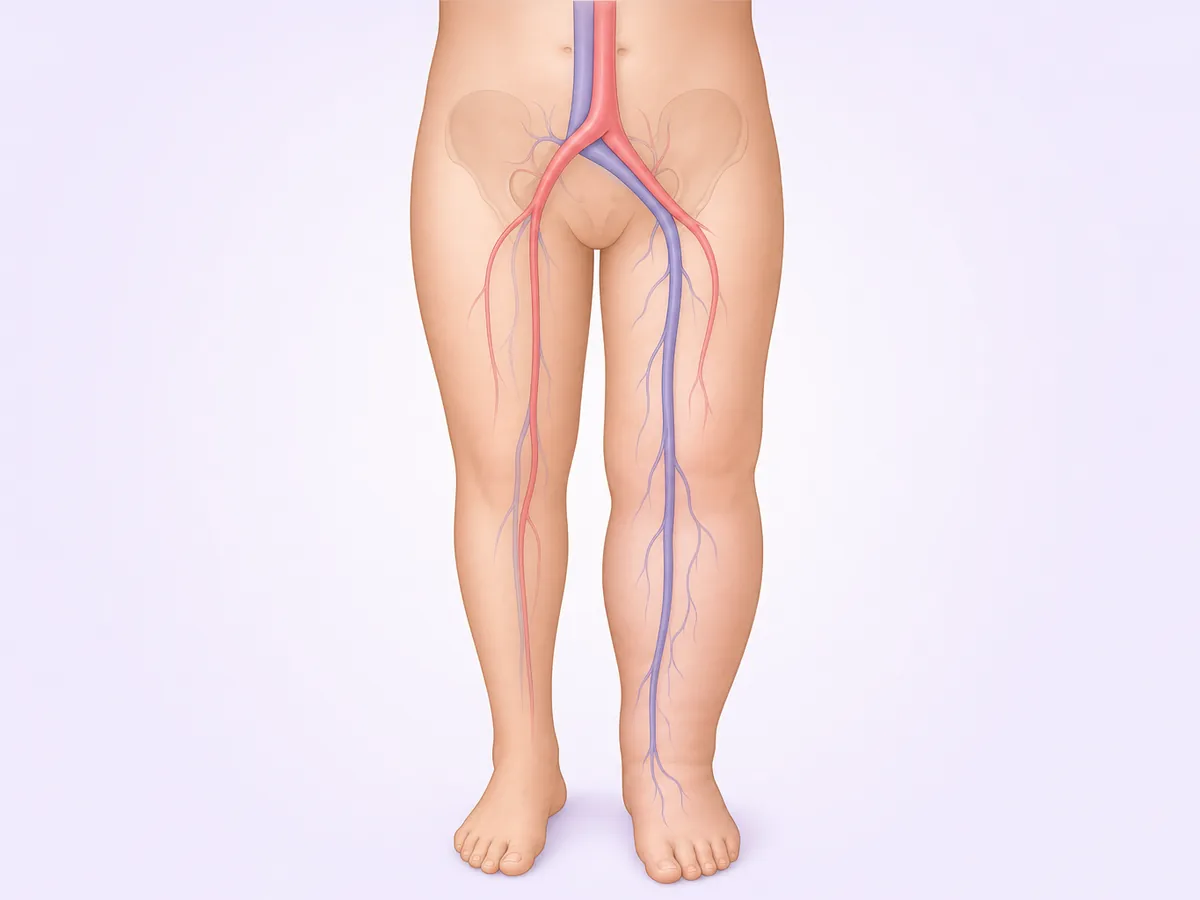
The word “vascular” in CACVI’s name is there for a reason, and it’s the half that matters if you are looking for a cardiovascular doctor in Westwood. Plaque that narrows heart arteries also narrows arteries in the legs, the neck and the kidneys. A patient with one often has the other. In practices where those problems belong to different departments, a patient can be passed between them for months. Here the same physicians handle both.
Leg pain on walking
Cramping in the calf or thigh that comes on after a set distance and eases within minutes of stopping is the classic sign of peripheral artery disease. In Westwood you might first notice it on the uphill walk from the Village to campus, or on Wilshire’s long blocks. CACVI’s peripheral vascular assessment uses pressure measurements and duplex ultrasound to find where the narrowing is. Our Westwood leg pain page goes into the leg side of this in more detail.
Two warning signs move faster. A sore on the foot or toe that won’t heal, and pain in the foot at night that eases when you hang the leg off the bed, can mean blood flow is critically low. CACVI runs a dedicated amputation prevention program for exactly these cases, and they shouldn’t wait for a routine slot.
Narrowed neck arteries
Carotid artery stenosis is plaque in the arteries that supply the brain. It’s often found by a clinician listening to the neck, or on an ultrasound done for another reason. A carotid duplex scan measures the narrowing. Whether anything beyond medication is needed depends on the degree of narrowing and on whether there have been warning symptoms such as brief loss of vision in one eye or weakness on one side.
The aorta and the kidneys
An aortic aneurysm is a bulge in the body’s main artery, usually in the abdomen. Most cause no symptoms, which is why the screening rule above exists. Renal artery stenosis narrows the arteries to the kidneys and can be behind blood pressure that won’t come down despite several medicines. Both are checked with ultrasound before any decision about treatment.
Veins that pool blood
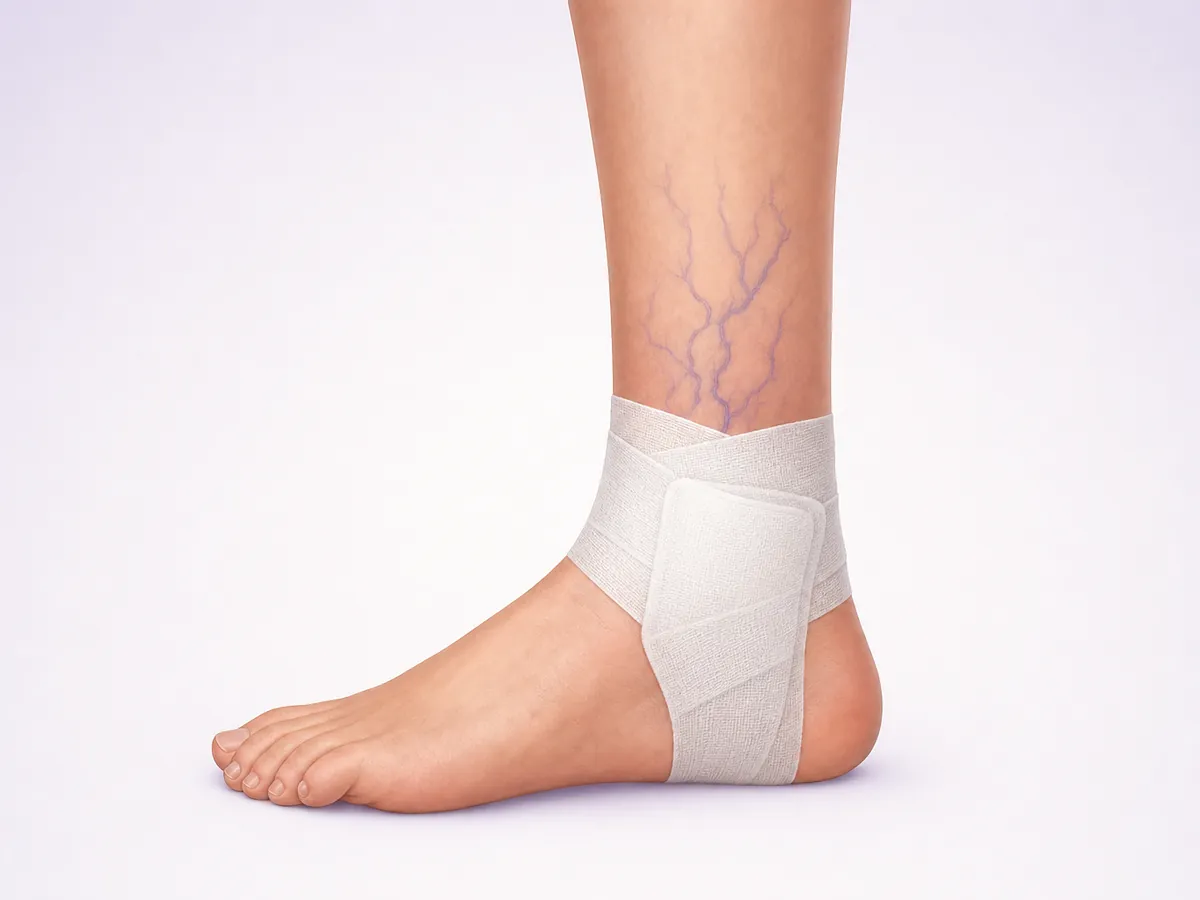
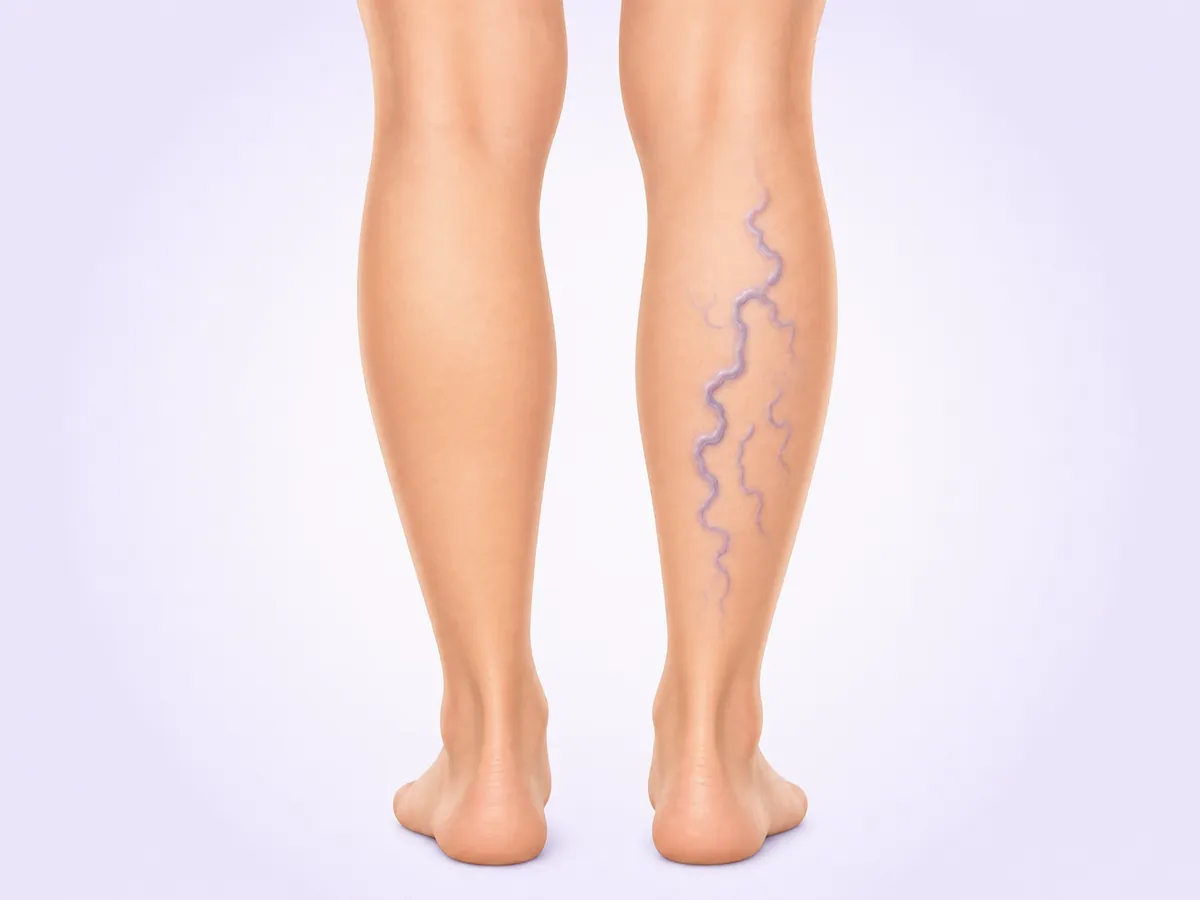
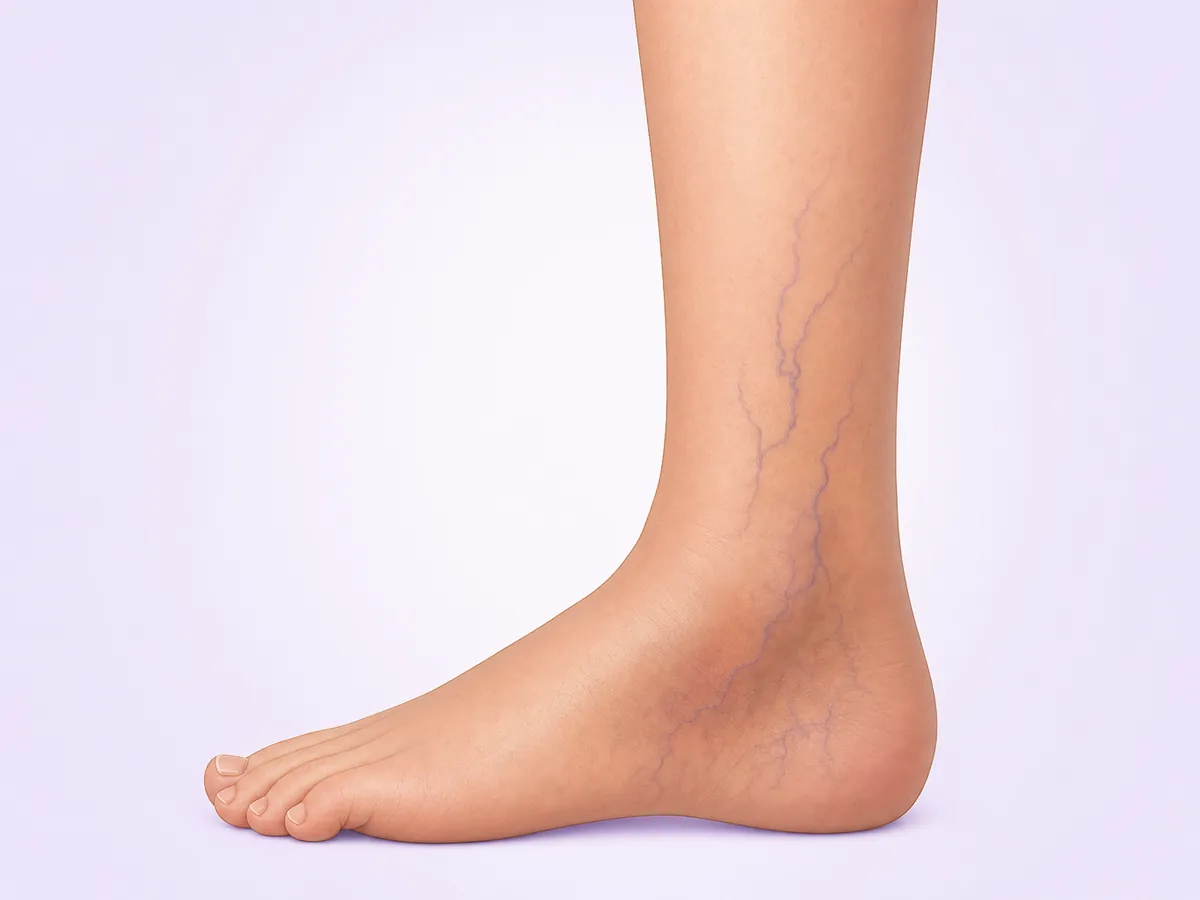
Leg veins cause a different set of complaints: heaviness by the end of the day, swelling, visible varicose veins, skin darkening around the ankles. CACVI evaluates chronic venous insufficiency, varicose veins and compression of the main pelvic vein (May-Thurner syndrome). For people who stand all day, such as teaching or clinical staff, these symptoms often get blamed on the job for years.
Diabetes and feet that don’t hurt when they should
Diabetes complicates the leg picture. CACVI’s diabetic foot ulcer page points out that many people who develop foot ulcers have lost the ability to feel pain, so pain is not a common symptom. Early signs it lists are drainage that stains the sock, swelling, redness or an odor, most often under the big toe or the ball of the foot. Black tissue around a sore means blood flow to the area is poor. If you live with diabetes, look at your feet every day, and treat a sore that isn’t healing as a reason to have the circulation checked, not only the wound.
Why one practice for both helps
When the same physician reads the heart test and the leg test, a single plan covers both. Medicines for plaque work on every artery at once, so one decision covers several problems. If a procedure is needed in both places, the order can be planned together. And a patient avoids telling the same history to two departments that don’t share a chart.
Leg pain on walking, or a scan that mentioned the carotid or the aorta, calls for a vascular look: ask for an assessment at the same office.
A murmur, a valve to watch, and choosing the moment to act
“We’ll keep an eye on that valve” is one of the most common things an older Westwood patient hears, and one of the least explained. A murmur is the sound of blood moving through the heart in a way a stethoscope can pick up. Some murmurs mean nothing. Others are the first sign that a valve is narrowing or leaking, and those are followed with echocardiograms until the timing of treatment is clear.
The two ways an aortic valve fails
CACVI’s aortic valve page describes two problems. In aortic stenosis the valve narrows and the heart has to push harder to force blood through it. In aortic regurgitation the valve doesn’t close tightly and some blood leaks back into the heart after each beat. The page names age-related wear as the most common cause, with calcium build-up, congenital defects, rheumatic fever, endocarditis and past chest radiation among the others. Regurgitation often develops slowly, and many people notice nothing for years.
What a leaking or narrowed mitral valve does
The mitral valve sits between the two chambers on the left side of the heart. When it leaks (mitral regurgitation), blood washes backward with every beat, and over time that can bring breathlessness, tiredness, palpitations and swollen ankles. When it narrows (mitral stenosis), usually from scarring left by rheumatic fever, symptoms tend to show up or worsen whenever the heart rate rises, during exercise for example.
Histories that make a valve worth checking
Some past events raise the odds of valve trouble years later. CACVI’s aortic valve page lists rheumatic fever, endocarditis (an infection of the heart’s lining or valves) and radiation therapy among the causes, along with congenital valve defects. If you had rheumatic fever as a child, an infection of a heart valve, or radiation to the chest for cancer, tell the cardiologist even if you have no symptoms. It changes how a new murmur is read.
What “watching” a valve actually involves
Watching means repeat echocardiograms at intervals your cardiologist sets according to how severe the valve problem is, plus a conversation at each visit about symptoms. Each scan grades the valve’s narrowing or leak and shows whether the muscle behind it is thickening or tiring. A change in either can move the plan forward even when you feel the same. Keep your echo reports together, in date order, and bring the most recent one if you change cardiologists. Comparing scans is the whole point.
Symptoms to report between scans
- Getting out of breath on stairs or the Village’s hills when you didn’t before.
- Chest tightness during effort.
- Fainting or nearly fainting, especially when exerting yourself.
- Needing more pillows to breathe comfortably at night.
- Ankle swelling that wasn’t there at your last visit.
For aortic stenosis especially, the arrival of symptoms changes the conversation. Don’t wait for the next scheduled echo to mention them; call and ask for an earlier visit.
When a valve is replaced without open-heart surgery
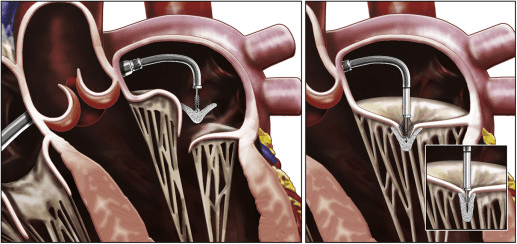
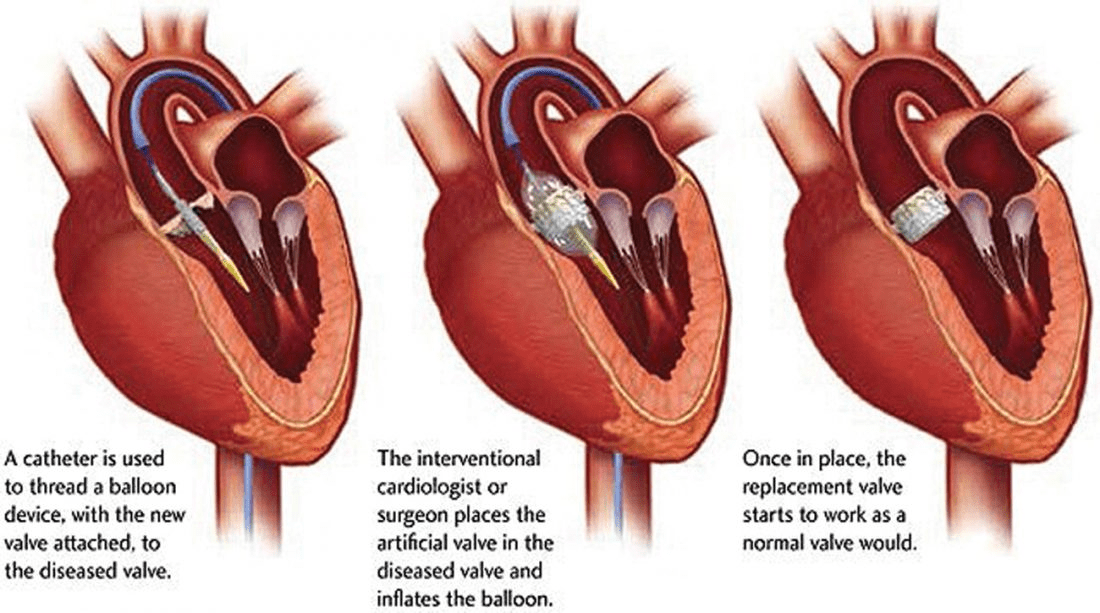
CACVI’s TAVR page describes transcatheter aortic valve replacement as a treatment for severe aortic stenosis that is causing symptoms. A collapsible valve is guided through an artery, usually in the groin, and expanded inside the old valve while the heart keeps beating. The page says a heart team reviews your imaging, symptoms and overall health to decide whether TAVR fits, that the procedure usually takes one to two hours, that it is done in a hospital setting, and that many patients stay roughly one to three days. For selected leaking mitral valves there is a catheter-based repair, MitraClip. Neither is a decision made on one scan; both start with a full valve work-up.
Exercise questions to put to a cardiologist
Plenty of the Westwood patients who call aren’t sick in the usual sense. They run, cycle, lift or play pick-up games, and something has happened during exercise that they want explained before they carry on. Those are good questions for a cardiologist, and the answers usually come from how the heart behaves under load, not at rest.
Symptoms during exercise that deserve a proper look
- Chest pressure or tightness that starts with effort and fades within minutes of stopping.
- Getting breathless much sooner than training partners at the same pace.
- Fainting or nearly fainting during exercise, as opposed to after stopping suddenly.
- A heartbeat that suddenly jumps much faster than the effort explains and stays there.
- Calf pain on walking or running that settles with rest.
Any of these is a reason to stop training hard until you’ve been seen. Fainting during exertion and chest pain at rest are the urgent ones. CACVI’s stress test page notes that symptoms such as chest discomfort or a rapid heartbeat can appear only during physical activity, which is why a resting EKG on its own can come back normal.
How a stress test can shape a training plan
A treadmill or bike stress test does more than look for blocked arteries. CACVI’s stress test page says testing also helps assess exercise tolerance and tailor an exercise program. For someone recovering from a heart problem, or starting to train again after years off, the heart rate and blood pressure response on the treadmill gives a concrete basis for how hard to push. Ask for the peak heart rate you reached and any limits the cardiologist recommends, and take them to your coach or trainer.
How much activity the guideline asks for
The 2019 ACC/AHA prevention guideline recommends at least 150 minutes a week of moderate-intensity activity or 75 minutes of vigorous activity, or a mix of the two. For people who can’t reach that, it says some activity is still worth doing. That’s a floor for heart health, not a ceiling for athletes, and a cardiologist can help when a heart condition means the usual advice needs adjusting.
Starting again after a diagnosis
A new diagnosis, a stent or a valve problem doesn’t automatically end exercise. It changes the questions. Which activities are safe now? Is there a heart rate to stay under? Should the first sessions be supervised? Bring your usual routine to the visit, in specific terms (distance, pace, weights, how many days a week), so the answer fits what you actually do.
If exercise is bringing on symptoms, stop the hard sessions and book a cardiology visit before you train again.
Getting a second look at a recommended heart procedure
Living a few minutes from a large academic medical center means plenty of access to specialist opinions. It also means a Westwood patient may want a second look after a recommendation has already been made: a stent, a valve replacement, an ablation, a closure device. Asking for a second opinion before an elective procedure is routine and reasonable. A good second opinion doesn’t depend on who gave the first one; it depends on the evidence you bring.
Bring the pictures, not only the reports
A one-page report says “70% narrowing of the LAD”. The images show what that narrowing looks like, how long it is, where it sits and what the arteries around it look like. For a coronary angiogram, a CT scan or an echocardiogram, ask the facility that did it for a copy of the images (usually on a disc or through a secure download link) as well as the written report. A cardiologist reviewing a recommendation needs both, and getting the images can take longer than getting the report.
Questions worth asking about any procedure
- What symptom or risk is the procedure meant to improve, and by how much?
- What happens if I continue on medication alone for now?
- Which test result is the recommendation based on, and could another test change it?
- Is this procedure urgent, or is there time to think?
- How is it done (through the wrist, the groin, a small incision), and how long is recovery?
- Will I need blood thinners afterward, and for how long?
Procedures CACVI’s physicians perform
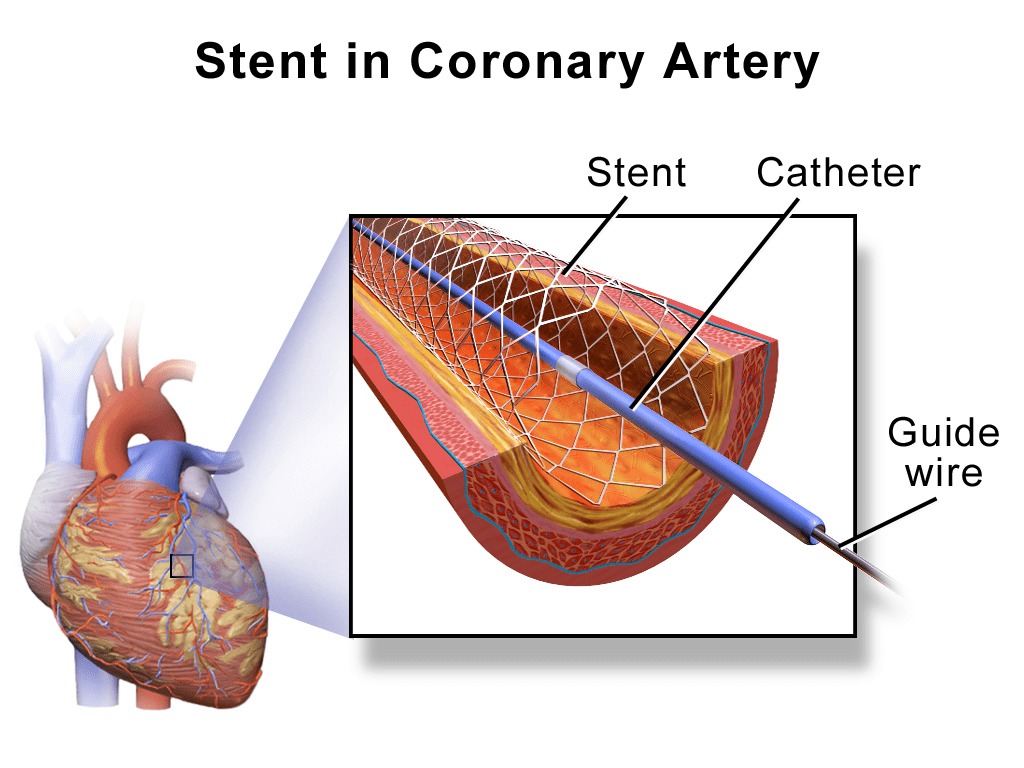
All of CACVI’s physicians are interventional cardiologists. Their bios list coronary artery stenting and complex coronary intervention, including chronic total occlusions and wrist (trans-radial) access; transcatheter aortic valve replacement; WATCHMAN left atrial appendage closure and PFO closure; MitraClip mitral repair; and pacemaker and defibrillator implants. Peripheral procedures for leg arteries and veins round out the list.
That range cuts both ways for a second opinion. Physicians who perform a procedure know its limits and alternatives well. You should still expect a plain answer when medication, or watching and waiting, is a reasonable choice, and you can ask for that reasoning in writing.
Office-based procedures and same-day discharge
Where a procedure happens matters to the recovery plan. CACVI’s page on office-based procedures explains that some diagnostic tests and minimally invasive treatments are done in an office-based lab or an ambulatory surgical center, with same-day discharge and no overnight stay. Others are hospital procedures by nature: the practice’s TAVR page says that procedure is done in a hospital setting, and its device page says a new pacemaker or ICD usually means a hospital stay of a day or two. When you weigh a recommendation, ask where it would be done, who would do it, and whether you’d go home the same day. Arranging a ride and help at home depends on the answer.
When a second opinion shouldn’t delay care
Some recommendations are made in the middle of an emergency: during a heart attack, or for a valve so tight that you’re fainting. In those cases the treating team’s call comes first. A second opinion fits elective decisions, where the next step can safely wait a few weeks.
Carrying your chart over from a large health system
If you live in Westwood, you may already have years of records in one big system: lab results, EKGs, echo reports and scans, all filed in a patient portal. Bringing that history into an independent practice takes a little planning, because charts don’t move on their own between unrelated offices.
Your right to see and copy your records in California
El Centro de California Attorney General’s patient-rights summary says your doctor or health plan must respond to a written request to read your medical records within five working days of receiving it. You can also have copies made, and the provider may charge a reasonable fee. Make the request in writing, keep a copy, and ask for the specific items you need, not “everything”.
What to request for a cardiology visit
- The most recent echocardiogram report, with its measurements.
- Stress test reports and the images if there was imaging.
- Any heart catheterization or CT angiogram report and the image disc.
- EKG tracings, especially one recorded during symptoms.
- Discharge summaries from any heart-related hospital stay.
- Your current medication list and the most recent lipid and kidney blood tests.
Using a patient portal printout
Most large systems let you download or print results from the patient portal. Those printouts are useful for blood tests and written reports. Images are the gap: portals rarely hand over the original scans, so ask the imaging department for a disc or a secure link. Label everything with the test date and the place it was done before you hand it over.
What the referral does and doesn’t carry
A referral tells your insurer and our office why you’re being sent. It doesn’t attach your test results. If your referring doctor’s office offers to fax records, ask them to include the specific reports above and confirm by phone that they arrived before your appointment.
Planning the four miles from Westwood to Alden Drive
From Westwood Village to 8741 Alden Drive is 4.3 miles by Google’s fastest route, east along Wilshire Boulevard and then Santa Monica Boulevard through Beverly Hills. When we checked on the afternoon of Sunday 22 November 2026, Google Maps estimated the trip at typically 12 to 26 minutes for a 4:10 p.m. departure, and 18 minutes in live traffic. Weekday traffic on these boulevards is less predictable, so treat the upper end of that range as your starting point.


Choosing a route
Google offered three options from the Village. Wilshire Boulevard alone (4.2 miles, typically 12 to 24 minutes on that Sunday), Wilshire to Santa Monica Boulevard (4.3 miles, typically 12 to 26 minutes), or the hill route on Sunset Boulevard (5.9 miles, typically 16 to 26 minutes). From north campus or Bel Air, Sunset can be simpler because it avoids the Village streets. From the Wilshire Corridor towers, Wilshire is the obvious road. Check live traffic before you leave; the fastest route changes through the day.
Starting from north campus, the Village or the Wilshire towers
Where you start changes the quickest road. From the Village and the blocks south of it, Wilshire eastbound is the direct line, and Google’s fastest suggestion then follows Santa Monica Boulevard through Beverly Hills. From the north side of campus or from Bel Air, Sunset Boulevard avoids the Village’s signals and campus traffic, at the cost of a longer route. From the condominium towers along Wilshire you’re already on the main road. Whichever way you come, the last stretch is the same: Robertson Boulevard to Alden Drive, with Cedars-Sinai’s buildings on the block next to the office.
Fitting a visit around the parking window
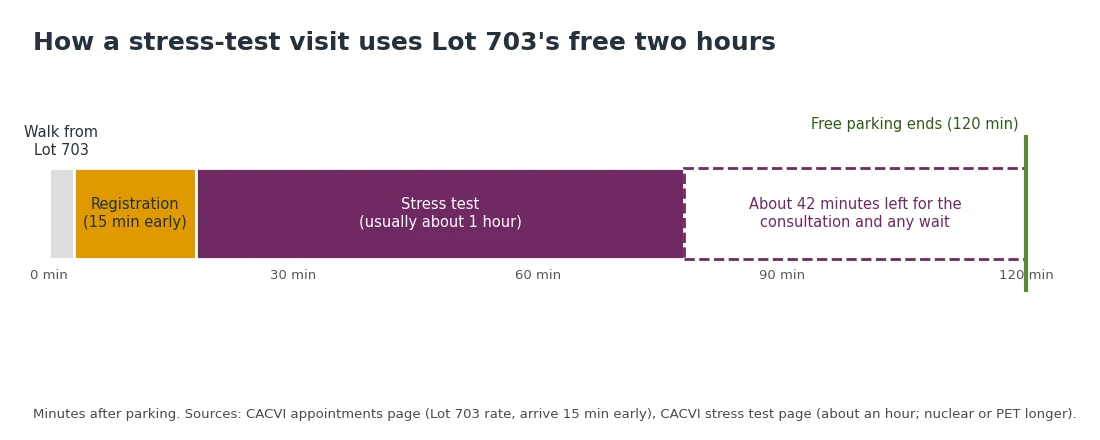
CACVI’s preferred parking is the Robertson Alden Garage (Lot 703) at 141 Robertson Boulevard, about a three-minute walk from the office. CACVI’s page quotes the garage at no charge for two hours and $3 to the three-hour mark; after that each quarter hour adds $1.50, capped at $12 a day. Do the arithmetic before a testing day. The walk takes about three minutes and registration starts 15 minutes before the appointment. Add the stress lab’s roughly one hour and about 42 minutes of the free window remain for the consultation and any wait. A nuclear or PET study, or a running-late clinic, pushes past it, so budget a few dollars rather than rushing the conversation with your cardiologist.
Getting there after a test that needs fasting or a medicine change
Some tests ask you to fast or to skip caffeine for 24 hours. If you’re driving yourself, eat the snack your instructions allow as soon as the test ends, before the drive back west. If a drug-stress test or sedation is planned, ask in advance whether you should have someone else drive. It’s easier to arrange a ride the day before than to find one at 4:30 p.m.
Weekday-only hours, and what that means for working patients
The Los Angeles office is open Monday to Friday, 8:30 a.m. to 5:00 p.m., and closed on weekends. For people who work in Westwood, the first slot of the morning or the hour after lunch usually disrupts the day least, because the drive and the visit can be bolted onto a commute. Ask the scheduler whether a follow-up can be combined with the next test, so one trip covers two jobs.
To find a slot that fits around classes or work, request an appointment and list the weekday times you can make.
After an emergency room night at the hospital on Westwood Plaza
Westwood’s emergency care is right in the neighborhood. UCLA Health describes the Ronald Reagan UCLA Medical Center emergency department, at 757 Westwood Plaza, as open around the clock, a Level 1 trauma center, and a designated stroke and STEMI (heart attack) receiving center that sees more than 50,000 patients a year. For chest pain, sudden breathlessness or stroke signs, call 911; paramedics decide which hospital you go to. An appointment-based office on Alden Drive is the wrong place to take any of that.

What this section covers is the next step. Many people go home from an emergency department with a normal set of tests and a line on the discharge sheet that says “follow up with cardiology”. That follow-up is where the reason for the symptom gets found, and it’s easy to let it slide once you feel better.
Signs that mean calling 911, not booking a visit
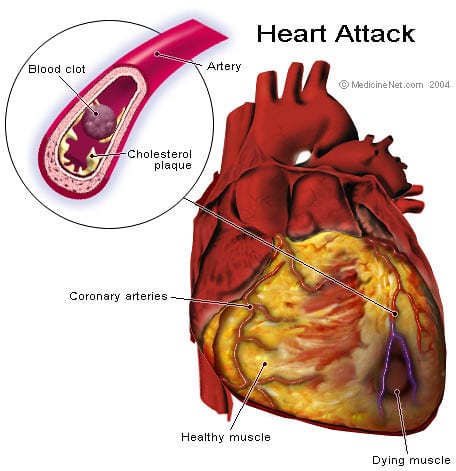
Know the American Heart Association’s list before you need it. It starts with discomfort in the center of the chest lasting longer than a few minutes, or fading and returning. Then come pain spreading to an arm, the back, neck, jaw or stomach, breathlessness, and signs like a cold sweat, nausea or feeling lightheaded. Together or alone, these mean 911. Don’t drive yourself to an emergency department, and don’t drive to a clinic.
Turning a discharge sheet into a follow-up visit
- Book the cardiology visit within the time the discharge papers give. If they don’t say, ask the hospital team before you leave.
- Ask for the discharge summary, not only the patient instructions; it lists the tests done and their results.
- Get copies of any EKG and blood test results, especially the troponin values.
- Write down any new medicine started in the emergency department and the reason it was given.
- Note anything that was “pending” at discharge, such as a stress test that was ordered but not done.
What the follow-up visit is for
An emergency department’s job is to rule out the immediate danger. The follow-up’s job is to find the cause and decide whether anything else needs testing. Sometimes that means a stress test or an echo the hospital didn’t have time for; sometimes it means adjusting blood pressure or cholesterol treatment; sometimes it means confirming that the pain came from somewhere other than the heart. Bring the discharge paperwork to the visit, and come with a written note of what the symptom felt like while it’s still fresh.
Advanced heart failure options for patients on full treatment
Most heart failure care is medicine, follow-up and the routine at home. A smaller group of patients keep having symptoms even on full medical treatment, and for them the question becomes whether a device could help. That’s the part of heart failure care this section covers, because it’s where an interventional practice adds something a routine follow-up can’t.
Two implanted options CACVI offers
For selected patients whose symptoms continue despite full medical treatment, CACVI offers two implanted options. The CardioMEMS sensor is a battery-free implant in the pulmonary artery whose pressure readings are collected by a unit at home and checked by your cardiologist online, so a rise in pressure can be acted on before symptoms build. Ask your cardiologist for your latest ejection fraction and the date of the echo it came from; the device criteria refer back to that number. Barostim therapy stimulates the carotid artery’s pressure sensors. CACVI’s Barostim page lists the usual eligibility as NYHA class II or III symptoms (with a recent history of class III) while on optimal heart failure medicines, and an ejection fraction of 35% or less, and says most patients go home the same day as the implant.
Bringing a heart failure history to a new cardiologist
If your heart failure has been managed elsewhere, the most useful things to bring are the echo reports in date order, the discharge summaries from any admissions, and an honest list of the medicines you actually take, including any you stopped because of side effects. That history shapes the next change in treatment more than any single test.
To ask whether either device fits your heart failure, request a heart failure visit.
The physicians behind the Alden Drive office
Each physician’s details below come from his biography on CACVI’s website. Check with the scheduler which physician sees patients at Alden Drive on the day you’re booking, because the doctors work across the practice’s offices.
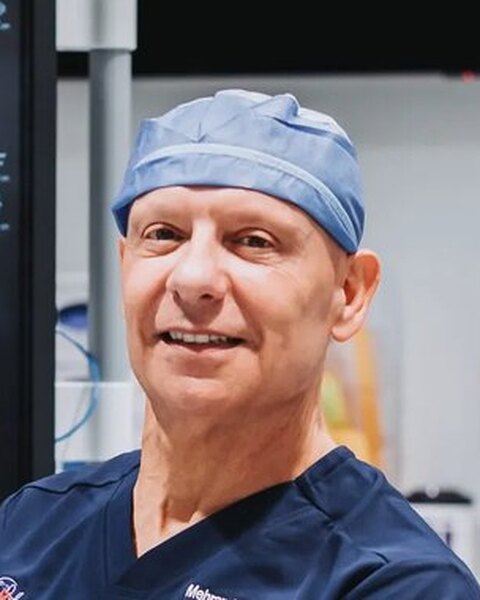
Mehran J. Khorsandi, M.D.
Dr. Khorsandi’s medical degree is from Penn’s Perelman School of Medicine. His residency and fellowship were both at Cedars-Sinai, a short walk from the Alden Drive office, and his bio says he has been on its attending staff since 1993 with more than 10,000 cardiac procedures there. Five boards have certified him, in internal medicine, cardiovascular disease, interventional cardiology and endovascular medicine, along with a cardiac device credential. Clinically, his bio points to branching-point (bifurcation) coronary blockages, high-risk angioplasty, leg artery disease and device implants. Read Dr. Khorsandi’s bio.
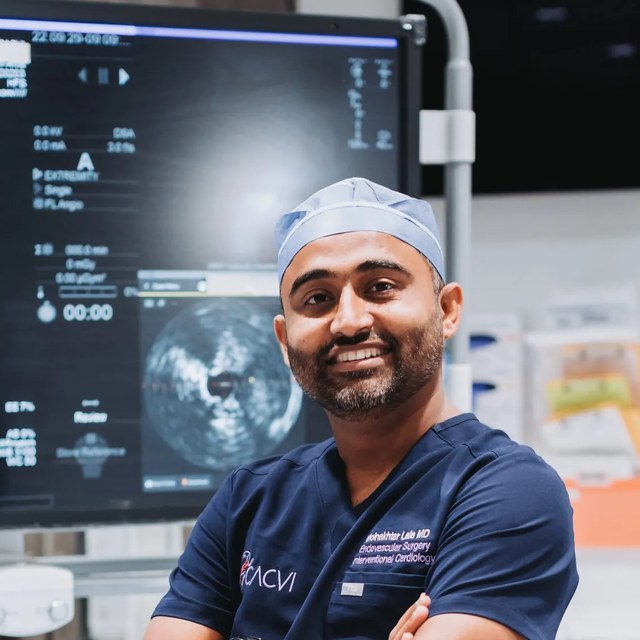
Moinakhtar Lala, M.D., FACC, FSCAI, RPVI
Since arriving at CACVI in October 2016, Dr. Moinakhtar Lala has led the leg-saving work the practice calls limb salvage. New York is where he trained as a cardiologist and then as an interventionalist, both at Mount Sinai Beth Israel. Echo and nuclear imaging sit among his board certifications alongside interventional and endovascular cardiology, and the RPVI credential covers reading vascular ultrasound. In the cath lab, his bio names wrist-access and complex coronary work, fully blocked arteries (CTO) and TAVR. Read Dr. M. Lala’s bio.
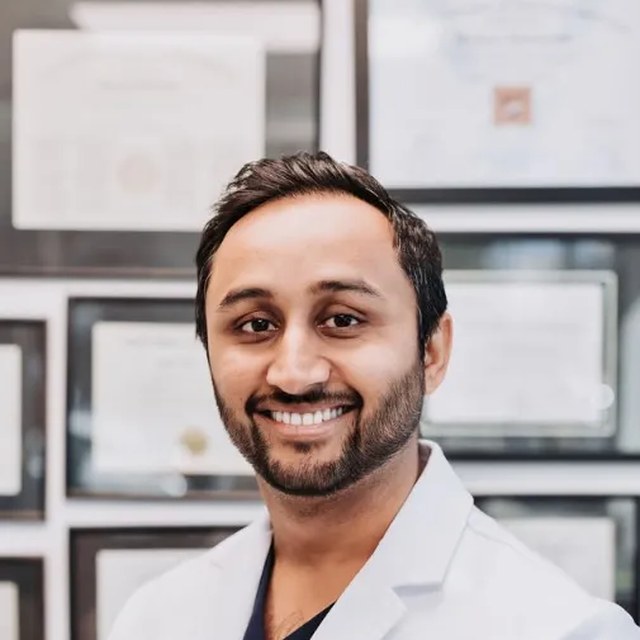
Vasim Lala, D.O.
Dr. Vasim Lala came to CACVI in July 2022; his structural and interventional training was at the Mount Sinai Hospital in Manhattan. His bio runs from catheter work (TAVR, PFO closure, WATCHMAN) to the long-term clinic list: hypertension, coronary and peripheral artery disease, structural heart disease, heart failure, atrial fibrillation, cardiomyopathies and cardio-oncology. Read Dr. V. Lala’s bio.
Arshia Noori, M.D.
Dr. Noori combines two training paths, interventional cardiology and electrophysiology (the study of heart rhythm), over a career his bio puts at more than 25 years. His bio says he practices in Los Angeles, is affiliated with Cedars-Sinai Medical Center and the Pacific Heart Institute, and treats complex rhythm problems with catheter ablation and device implantation. He speaks English and Farsi. Read Dr. Noori’s bio.
Physician assistants on the team
CACVI’s site also lists physician assistants on its staff: Lindsay Okowita, Ariel Bina, Megan Moreh and Kelly Sommers, each PA-C. When you book a follow-up, ask whether it’s with a physician or a physician assistant, and how that visit fits with the plan your cardiologist set. If you’d rather see the physician for a particular decision, say so when scheduling.
If you prefer a particular physician, or one who speaks Farsi, say so when you request your appointment.
Westwood patients’ questions, answered
Which CACVI cardiology office is closest to Westwood?
The closest CACVI office to Westwood is on Alden Drive in Los Angeles (Suite A, ZIP 90048; 310-652-2744). The practice’s two other offices are in Tarzana (18226 Ventura Blvd, Suite 102, phone 818-905-5904) and Victorville (12441 Hesperia Road, #A5 and #A6, phone 760-706-7115), both much farther from Westwood. If a website or directory shows a Westwood street address for CACVI, it’s wrong; the appointments page lists only these three.
Will my plan pay if I’m seen before the referral is approved?
Not reliably. If your plan requires an authorization, a visit that happens before it’s approved can be denied, and the bill can land with you. Ask your doctor’s office for the authorization number, the date it starts, the date it ends and how many visits it covers, and read those to our scheduler when you book. If a test is added later, ask whether it needs a separate authorization; some plans approve the consultation and the test separately.
Does CACVI accept Medi-Cal?
Network participation varies by Medi-Cal plan and changes over time, so ask our office directly at 310-652-2744 with your plan name and member number before you book. Your plan’s member services line, printed on the back of your card, can also confirm which Westside cardiology practices are in its network and whether your primary care doctor has to send the referral first.
How soon can I get a cardiologist appointment?
Availability changes week to week, so we don’t publish a waiting time. Call 310-652-2744 on a weekday between 8:30 a.m. and 5:00 p.m. and say if your referring doctor marked the visit as urgent. If your schedule is flexible, mention it; a patient who can come at short notice is easier to fit in. Symptoms that are getting worse while you wait are a reason to call your own doctor, or 911 if they’re severe.
What’s the difference between a cardiovascular doctor and a cardiologist?
People use the terms loosely. A cardiologist specializes in the heart; “cardiovascular” adds the blood vessels. CACVI’s physicians cover both, so leg-artery, carotid, aortic, kidney-artery and vein problems are evaluated by the same physicians who see heart patients, and the same office runs the vascular ultrasound studies that go with them.
What is a “medical cardiologist” compared with an interventional cardiologist?
A medical (or general) cardiologist diagnoses and manages heart disease with tests and medication. An interventional cardiologist has additional fellowship training to perform catheter procedures such as angioplasty, stenting and valve replacement. CACVI’s physicians are interventional cardiologists who also manage patients medically, so the same doctor can follow you before and after a procedure, and through the years when no procedure is needed at all.
Are CACVI’s physicians heart surgeons?
No. Their tools are catheters threaded through a blood vessel, most often from the wrist or the top of the leg, with X-ray guidance. Bypass grafting and surgical valve replacement belong to cardiac surgeons. If an operation is the better option for you, your cardiologist will explain why and refer you to a surgical team.
Can a cardiologist replace my primary care doctor?
No, and it’s better not to try. A cardiologist looks after the heart and blood vessels; a primary care doctor handles vaccines, cancer screening, other illnesses and the overall picture. Keep both, and make sure each has the other’s name and fax number, so changes to blood pressure, diabetes or cholesterol medicine are seen by both.
Can I get a cardiology appointment on a Saturday?
Not at Alden Drive, which is closed on weekends. CACVI’s Tarzana office (18226 Ventura Blvd, Suite 102) lists Saturday hours of 8:00 a.m. to 4:30 p.m. on its Google listing. Call 818-905-5904 to ask whether your type of visit can be booked on a Saturday there. From Westwood, Tarzana is a longer trip across the hills into the San Fernando Valley, so weigh that against waiting for a weekday slot.
Can my old cardiologist fax reports ahead of my appointment?
Yes. The Los Angeles office’s fax number is 310.967.2140, and your previous doctor’s office can fax reports there. The info@cacvi.org address is for general questions, so call first rather than emailing medical records. Confirm by phone a day or two before the visit that faxed records arrived, and still bring your own copies of the most important reports and any image discs.
I was looking for an “advanced cardiac and vascular center” and found CACVI. Is that the full name?
Yes. The letters stand for Center for Advanced Cardiac and Vascular Interventions, one practice with three offices, and the Alden Drive office is the one Westwood patients use.
My EKG at a physical was flagged “abnormal”. Do I need a cardiologist?
Not automatically. Ask the clinician who ordered it what the finding was and whether they recommend a cardiology visit. Machine readings flag many minor variations, and the tracing needs a clinician’s review. A visit makes more sense when the finding comes with symptoms such as chest discomfort, fainting or breathlessness, or when your doctor asks for one. Either way, bring a copy of the tracing itself, not only the printed comment.
Pages for the neighbourhoods around Westwood
Westwood borders Brentwood to the west, West Los Angeles to the south and the city of Beverly Hills to the east, which the drive to Alden Drive passes through. The office itself is described on our Los Angeles cardiologist page. All of these are served from the same Alden Drive office. For the full range of first visits, see the cardiac evaluation page.
Where the facts on this page come from
| Source | Publisher | What it covers |
|---|---|---|
| UCLA Ashe Center: Insurance | UCLA Arthur Ashe Student Health and Wellness Center | UC SHIP referral rule for non-emergency care outside the Ashe Center |
| Medicare.gov: Compare Original Medicare and Medicare Advantage | Medicare.gov (Centers for Medicare & Medicaid Services) | Referral differences between Original Medicare and Medicare Advantage |
| California Attorney General: Patient rights | California Attorney General | Patient rights to read and copy medical records in California |
| UCLA Health: Ronald Reagan Emergency Department | UCLA Health | Ronald Reagan UCLA Medical Center emergency department services and address |
| 2019 ACC/AHA Guideline on the Primary Prevention of Cardiovascular Disease | ACC/AHA, via PubMed Central | 2019 guideline on the primary prevention of cardiovascular disease |
| USPSTF recommendation: Screening adults for heart disease with a resting or exercise EKG | U.S. Preventive Services Task Force | Screening adults for heart disease with a resting or exercise EKG |
| USPSTF recommendation: One-time ultrasound screening for abdominal aortic aneurysm | U.S. Preventive Services Task Force | One-time ultrasound screening for abdominal aortic aneurysm |
| USPSTF recommendation: Screening with the ankle-brachial index in adults without symptoms | U.S. Preventive Services Task Force | Screening with the ankle-brachial index in adults without symptoms |
| AHA: Warning signs of a heart attack | American Heart Association | Heart-attack warning signs |
| CACVI: Appointments | CACVI | Office addresses, phone numbers, parking and hours |
| CACVI: New Patients | CACVI | Registration form and what to bring |
| CACVI: Diagnostic procedures | CACVI | Descriptions of the tests listed on this page |
¿Listo para hablar?