
Varicose Vein Surgery Recovery
Varicose veins are enlarged, twisted veins that typically appear in the legs due to faulty valves and poor circulation. While some cases can be managed with compression therapy and lifestyle changes, more severe cases may require surgical intervention to prevent complications and restore proper blood flow.
Recovery from varicose vein surgery depends on the procedure performed, but most patients can resume normal activities within a few days to a week after the surgery. You may experience mild bruising, swelling, or discomfort, which typically resolves with time. However, a follow-up with your vascular specialist is always recommended to ensure everything is healing as expected.
At CACVI, we offer expert care and advanced treatment options for those experiencing discomfort or complications from varicose veins. With over 30 years of experience, you can trust us to offer treatment tailored to your varicose vein condition. Reach out to us today!
This blog will give an in-depth explanation of the healing process after varicose vein surgery. It will also talk about the potential complications that can arise after a varicose vein surgery.
Types of Varicose Vein Surgeries

When lifestyle changes and non-invasive treatments aren’t enough, surgery becomes a necessary step to relieve the discomfort and prevent the complications caused by varicose veins. One of the most commonly performed minimally invasive procedures is Endovenous Laser Therapy (EVLT). This technique uses targeted laser energy to close off damaged veins, forcing blood to reroute through healthier vessels.
EVLT is typically performed on an outpatient basis under local anesthesia, and most patients can walk immediately after the procedure. Recovery is usually smooth, with minor bruising or soreness that resolves in a few days. EVLT is known for minimal downtime and long-term effectiveness.
Another highly effective varicose vein treatment is Radiofrequency Ablation (RFA), which uses heat generated by radiofrequency energy to seal off the problematic veins. Much like EVLT, RFA offers a minimally invasive solution with a short recovery time. Most patients return to their normal activities within a week. Some individuals may experience mild numbness, tingling, or tightness in the treated area, but serious complications are rare.
In more advanced or extensive cases, Vein Stripping and Ligation may be recommended. This traditional surgical technique involves tying off and removing the affected vein through small incisions. Unlike EVLT or RFA, vein stripping typically requires general anesthesia and a slightly longer recovery period. Swelling, bruising, and soreness are more noticeable, and full recovery may take two to four weeks. However, for patients with larger or deeper vein issues, this method remains a highly effective option.
For surface-level veins that are visible and bulging, Ambulatory Phlebectomy is a preferred technique. This procedure involves removing varicose veins through tiny punctures made in the skin. It is performed under local anesthesia, and since no stitches are required, recovery is relatively fast. Patients usually experience minor swelling and can resume normal activities within a few days, although some may need to wear compression stockings to support proper healing.
If you’re searching for the best hospital for vascular surgery, CACVI combines clinical excellence, advanced technology, and compassionate care to provide outstanding outcomes for patients struggling with vein disease. Ready to take the next step? Schedule a consultation with us now!
The Healing Process After Varicose Vein Surgery
Thanks to modern minimally invasive procedures such as radiofrequency ablation and endovenous laser therapy, most patients experience a relatively smooth recovery process. However, knowing what to expect after vein surgery is essential to ensure your treated veins heal properly and your veins return to working normally.
To get a better sense of what successful outcomes look like, you can view before-and-after images of varicose vein treatments, which show how the healing process restores both function and appearance.
Immediate Aftercare (First 24-48 hours):

In the first 24 to 48 hours after varicose vein surgery, it is important to follow your doctor’s instructions closely. You’ll likely be advised to rest with your legs elevated to help reduce swelling and promote healthy blood flow through the deep veins. Wearing compression stockings or a compression bandage during this early period helps prevent complications such as vein thrombosis and encourages the body to heal the treated areas effectively.
Some pain or discomfort is normal during this stage, but it is usually manageable with over-the-counter medications or prescription pain relief if needed. Mild bruising, swelling, and tenderness at the small incisions are common and typically resolve within the first week. If you notice increased leg swelling, it’s important to contact your doctor, as it could be a sign of a more serious issue.
Short-term Recovery (1-2 Weeks):

During the first two weeks after varicose vein treatment, most patients can begin to resume light daily activities, including walking, showering, and even driving, as long as they’re not taking medications that impair alertness or reaction times. You should avoid strenuous activities, heavy lifting, and long periods of prolonged standing, as these can increase pressure in the treated veins and delay recovery.
It is important to stay gently active, as walking helps reduce the risk of blood clots and supports overall circulation. However, intense physical activity and long-haul flights should be postponed until your doctor advises otherwise. You may be issued a sick note for work if your job involves heavy lifting or standing for long hours. Continuing to wear compression socks or compression stockings throughout the day is often recommended to keep symptoms from returning and to support proper healing.
Long-term Recovery (6-12 Weeks):
The full recovery from varicose vein surgery may take up to 6 to 12 weeks, depending on the severity of the venous disease, the type of procedure, and how well your body heals. By this stage, any lingering discomfort, bruising, or swelling should have significantly improved or resolved. You should be able to return to all normal activities without restriction, although it remains essential to maintain good habits to support your veins.
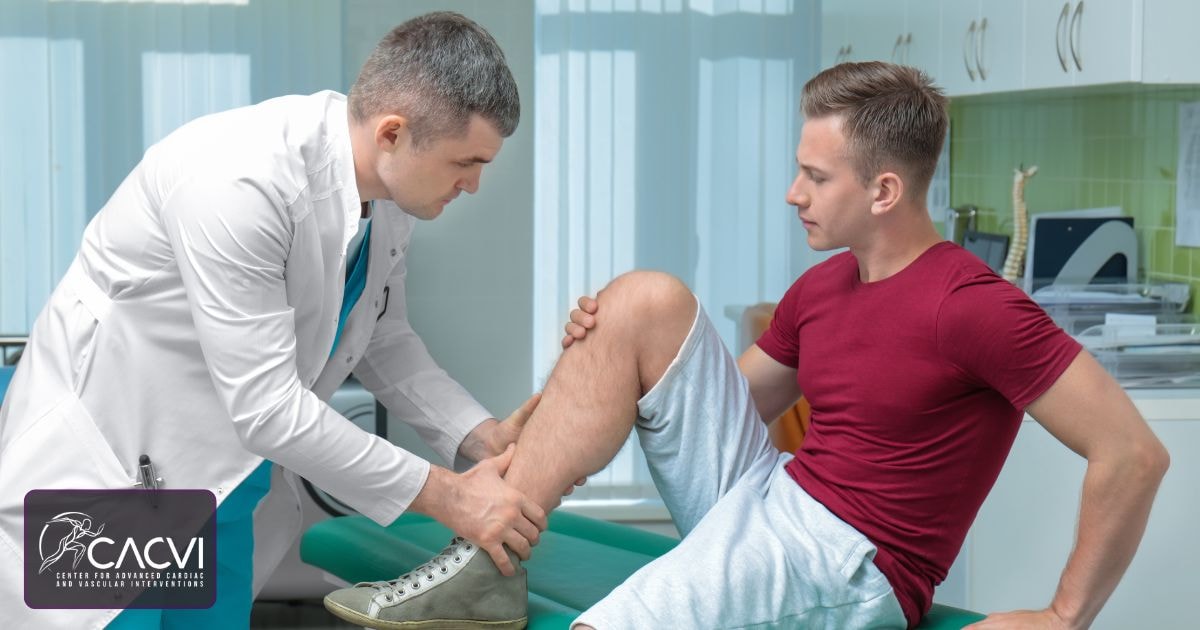
At your final follow-up appointment, your surgeon will examine the treated areas, ensure that the one-way valves in your veins are working properly, and confirm that your body has responded well to treatment. You’ll also receive personalized recommendations for maintaining healthy veins long-term, including guidance on avoiding strenuous activities, staying active, eating well, and wearing compression stockings when necessary.
How to Heal at Home After Varicose Vein Treatment

One of the most important steps in the recovery process is wearing compression stockings, which help reduce swelling, support the treated veins, and prevent blood clots from forming in the deep veins. These garments are typically worn throughout the first week and sometimes longer, depending on your specific vein surgery and individual response.
Another critical aspect of healing is keeping your legs elevated above the level of your heart for 20 to 30 minutes at a time, several times a day. Elevation promotes blood flowing through the veins and helps relieve pressure that may otherwise lead to bruising, discomfort, or swelling.
Light physical activity, especially walking, is also encouraged as it helps keep circulation strong and lowers the risk of vein thrombosis, a possible complication after surgery. However, prolonged standing, strenuous activities, or heavy lifting should be avoided in the initial stages, as they can interfere with healing and worsen symptoms.
To manage pain and discomfort, your doctor may recommend prescription or over-the-counter medications. Applying ice packs to the treated areas for short intervals can also ease swelling and soreness. Keeping up with normal activities such as short walks around the house helps you stay active without putting undue strain on the treated veins.
Furthermore, you should follow a healthy diet rich in fiber, vitamins, and antioxidants, and drink plenty of water to stay hydrated. Both support the healing process and promote healthy blood circulation.
Maintaining open contact with your provider is equally important in case any symptoms worsen or if you need a sick note for time away from work. Remember to attend all follow-up appointments, where your surgeon will assess if the veins are working properly, check for any risks of deep vein thrombosis, and guide you back to your full range of daily activities.
What Can You Not Do After Varicose Vein Surgery?

During the weeks following varicose vein treatment, there are several things patients must avoid to ensure a smooth and complication-free recovery. You should not engage in heavy lifting, as this can increase pressure in the legs and disrupt the healing of the small incisions made during your procedure.
Likewise, intense workouts, strenuous physical activity, and prolonged standing are discouraged, especially within the first one to two weeks of the recovery process. Hot environments like hot baths, saunas, and steam rooms should also be avoided, as they can cause veins to dilate and increase the risk of bleeding or worsening swelling in the treated areas. These environments can also interfere with the effectiveness of your compression stockings.
Additionally, smoking and alcohol use must be limited or stopped entirely, as both can delay the body’s ability to heal, raise the risk of blood clots, and impair the function of one-way valves in the veins. Finally, if you have travel plans, it’s wise to delay long-haul flights until your doctor confirms it’s safe to fly. Remaining immobile for long periods, such as during air travel, can significantly increase the risk of deep vein thrombosis, especially in the early stages of varicose vein surgery recovery.
Potential Complications After Varicose Vein Surgery

While varicose vein surgery is typically a minimally invasive procedure with a high success rate, there are potential complications that most patients should be aware of during the recovery process. Following your doctor’s instructions closely can help reduce these risks, but it’s still important to recognize early warning signs and know when to seek medical attention.
Infection is a possible but uncommon complication, especially around the small incisions made during treatment. If symptoms such as redness, warmth, discharge, or increasing pain in the treated areas, which may indicate an infection, appear, you should contact your doctor immediately. Keeping the area clean and dry, especially during the first week, can help prevent infection from developing.
Another serious risk is blood clots, including deep vein thrombosis (DVT). While the use of compression stockings, light walking, and staying hydrated all help prevent blood clots, some patients remain at higher risk, especially after long periods of immobility or if they resume strenuous activities too soon. Symptoms like sudden leg swelling, sharp pain, or warmth in the calf may be a sign of DVT. This is a medical emergency and requires immediate care.
In some cases, nerve damage can occur, especially if nerves close to the treated veins are affected during the procedure. This might cause temporary numbness, tingling, or sensitivity in the surrounding skin. While this often improves over time, persistent numbness should be evaluated by your surgeon during your follow-up appointments.
Skin discoloration or scarring may also appear after varicose veins treatment, particularly in patients with advanced venous disease or in those who have undergone repeated procedures. While some bruising and swelling are expected parts of the healing process, lasting pigment changes or raised scars should be monitored. Using compression as directed and avoiding hot baths, smoking, and alcohol can support optimal healing.
Moreover, knowing when to call your doctor is critical. If you experience increasing discomfort, bleeding, signs of infection, severe swelling, or symptoms of vein thrombosis, do not delay. If left untreated, complications can become serious, and in rare cases, varicose veins can worsen into chronic conditions that threaten your health.
Need to Consult a Doctor About Varicose Vein Surgery?
After a varicose vein surgery, most patients handle the recovery process well, especially with the right support, information, and post-operative care. While there may be some discomfort, swelling, or temporary restrictions on your normal activities, the healing process is generally smooth when you follow your doctor’s instructions and take steps like wearing compression stockings, elevating your legs, and staying lightly active to keep blood flowing.
It’s completely normal to have questions or concerns about your vein surgery, especially if you notice symptoms like bruising, persistent discomfort, or increased swelling. That’s why consistent follow-up appointments are so important, not only to monitor your treated veins, but also to make sure your recovery process is progressing as expected.
If you’re planning treatment, already recovering, or experiencing lingering symptoms from varicose veins, our expert vascular team at our Center for Advanced Cardiac and Vascular Interventions in LA is here to help. Our specialists are experienced in managing complex venous disease, tailoring care plans to each patient’s needs, and ensuring your recovery is both safe and effective. Contact us today to schedule a consultation or follow-up.
Frequently Asked Questions
How Painful Is Varicose Vein Surgery Recovery?
Most patients experience mild to moderate discomfort, swelling, and bruising, which typically improve within the first week. Pain is usually manageable with over-the-counter or prescribed medications.
Can You Walk After Varicose Vein Surgery?
Yes, you can walk after a varicose vein surgery. Walking is encouraged soon after the procedure to promote blood flow and reduce the risk of blood clots.
Can I Drive After the Procedure?
You can usually drive within 24–48 hours if you’re not taking pain medication that affects alertness and can perform an emergency stop safely.
Will I Need More Than One Treatment?
Some patients may require multiple sessions depending on the severity of their varicose veins and how well the treated veins respond to the initial procedure.
When Can I Return to Work?
Most patients return to work within a few days to one week, especially if their job doesn’t involve heavy lifting or prolonged standing.
Are Results Permanent?
Treated veins typically don’t return, but new varicose veins may develop over time. So, ongoing vein health and follow-up care are important.

✓ Medically reviewed by
Dr. Moinakhtar Lala
M.D., FACC, FSCAI, RPVI · Limb salvage and endovascular intervention
Built the limb salvage and amputation prevention programme at CACVI, which is why patients call him the leg saver. Board certified in general cardiology, endovascular interventions, echocardiography, nuclear cardiology and vascular ultrasound.
View physician profile →
