








Cardiac Procedures
Complex Coronary Intervention
Quick answer
A chronic total occlusion is a coronary artery that plaque has blocked completely, or nearly so. A complex coronary intervention opens it. A thin angioplasty catheter is threaded to the narrowest point under advanced imaging, a balloon-tipped wire widens the artery, then a stent goes in to hold it open. No large incisions are needed. Afterward you may take a blood thinner while the treated area heals, with follow-up visits to check on you.
Procedure videos
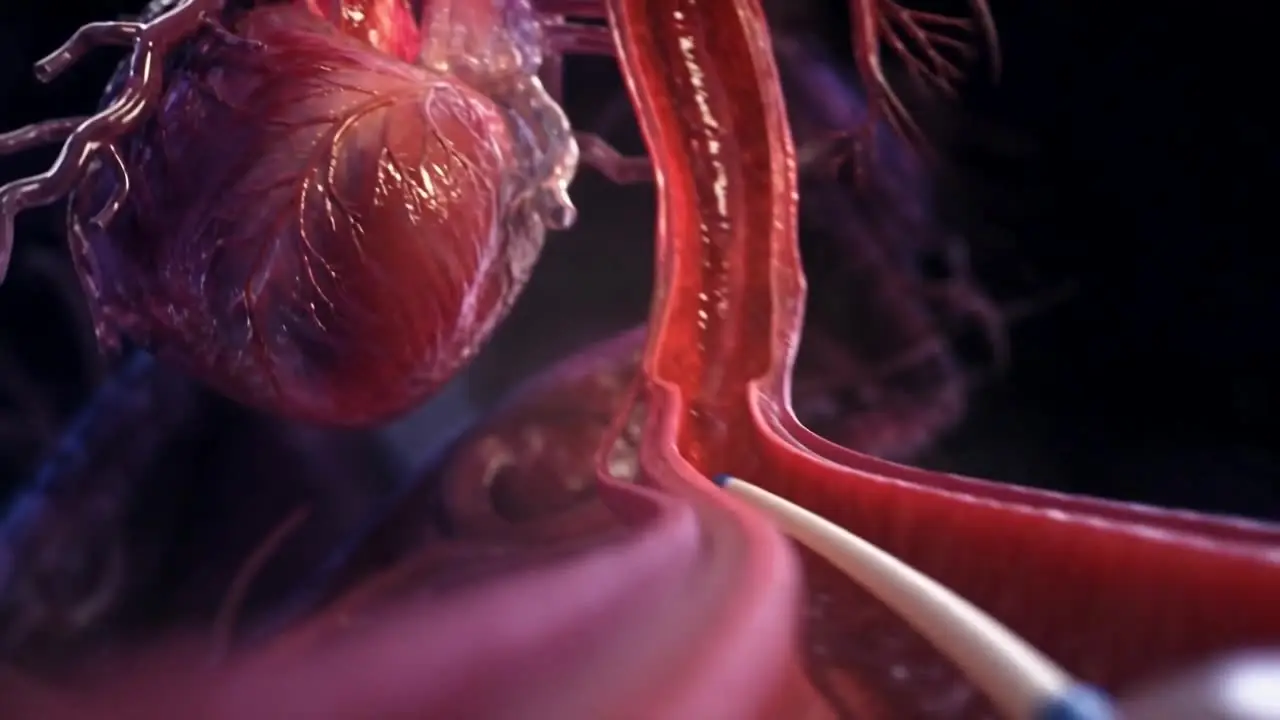 IABP: intra-aortic balloon pumpA balloon in the aorta inflates and deflates with each heartbeat to ease the heart's workload.Animation created with AI-assisted tools
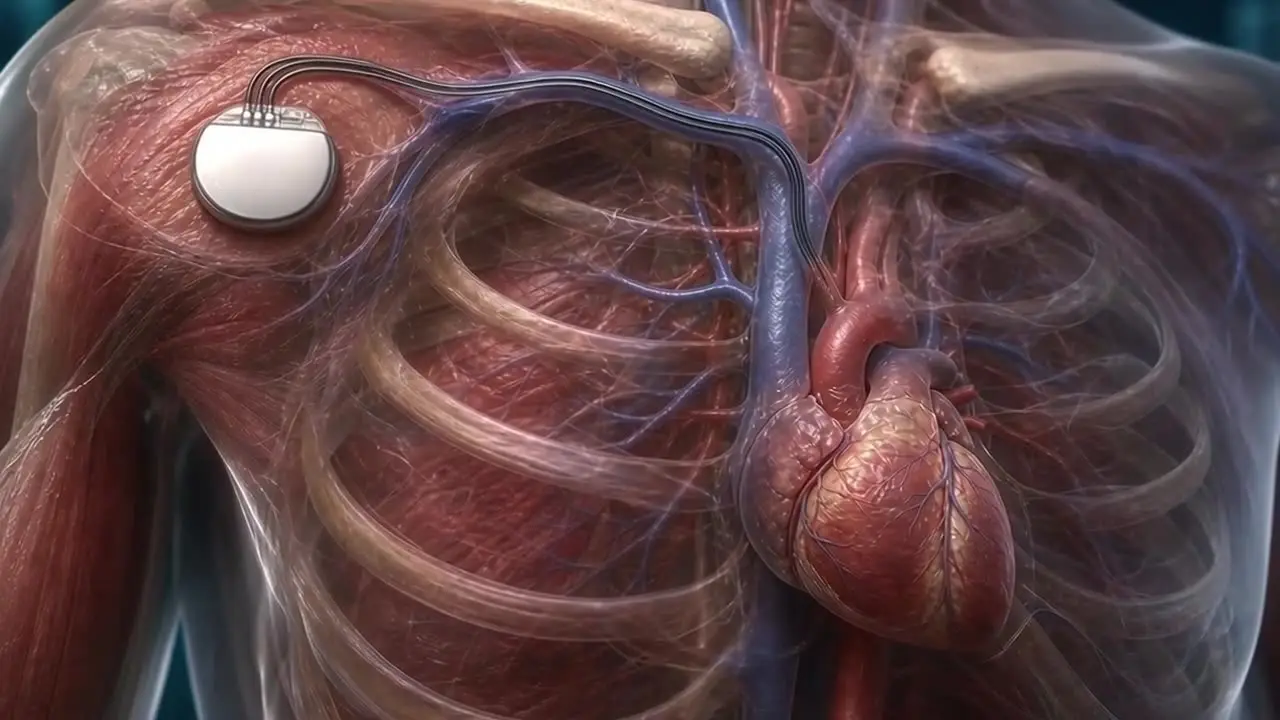 CRT: cardiac resynchronization therapyA device paces both lower chambers of the heart so they contract together.Animation created with AI-assisted tools
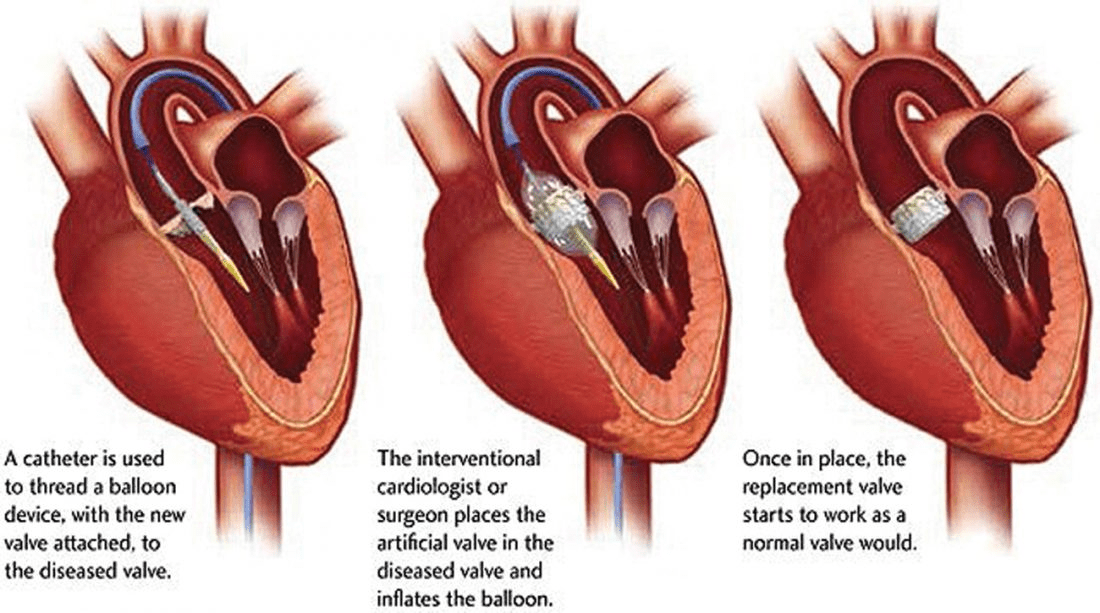
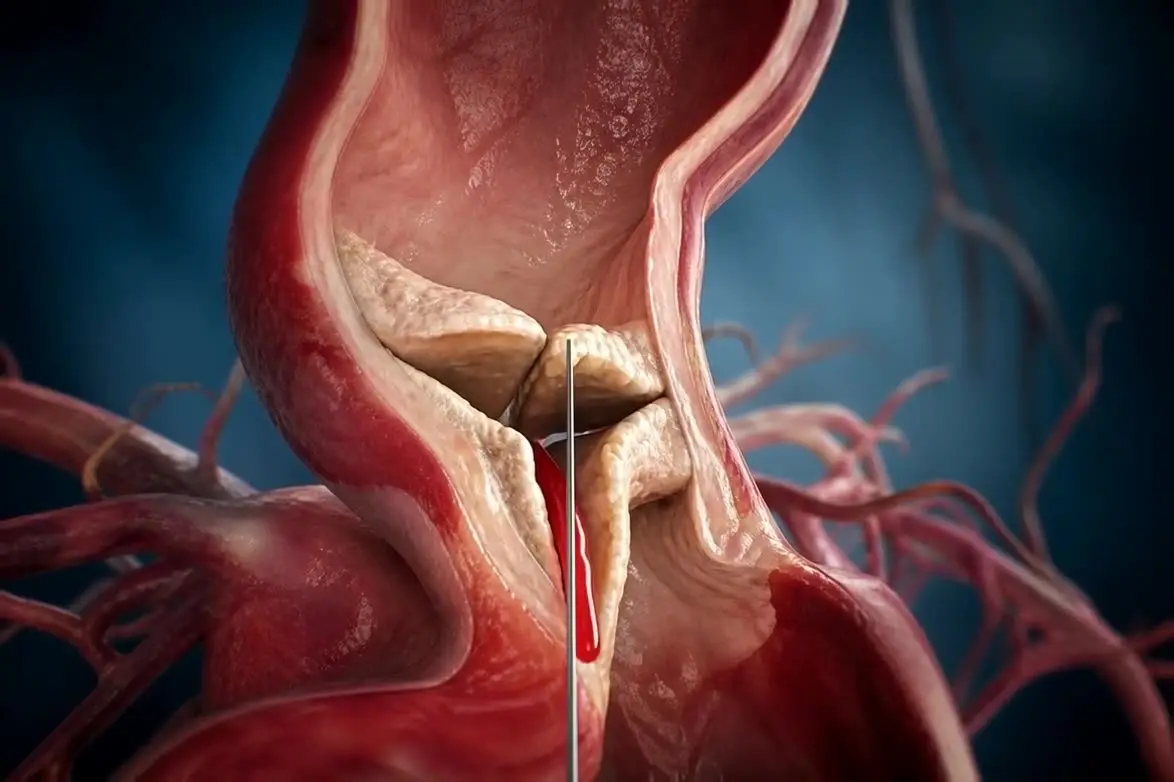 TAVR: transcatheter aortic valve replacementA new aortic valve travels to the heart on a catheter and opens inside the narrowed valve.Animation created with AI-assisted tools
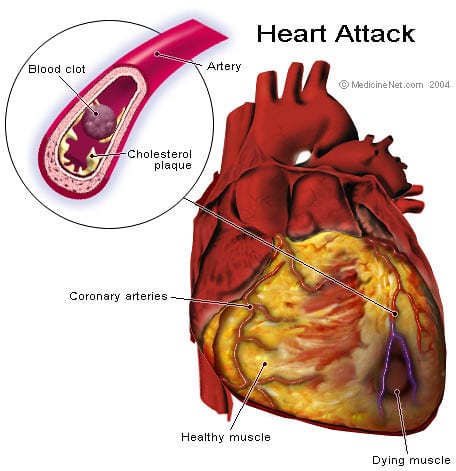
Chronic total occlusion (CTO) is a severe form of coronary artery disease, and occurs when the coronary arteries are completely (or almost completely) blocked by fatty deposits, or plaque. Complex coronary interventions, including angioplasty and stenting, can open completely (or almost completely) clogged arteries.
What is stenting?
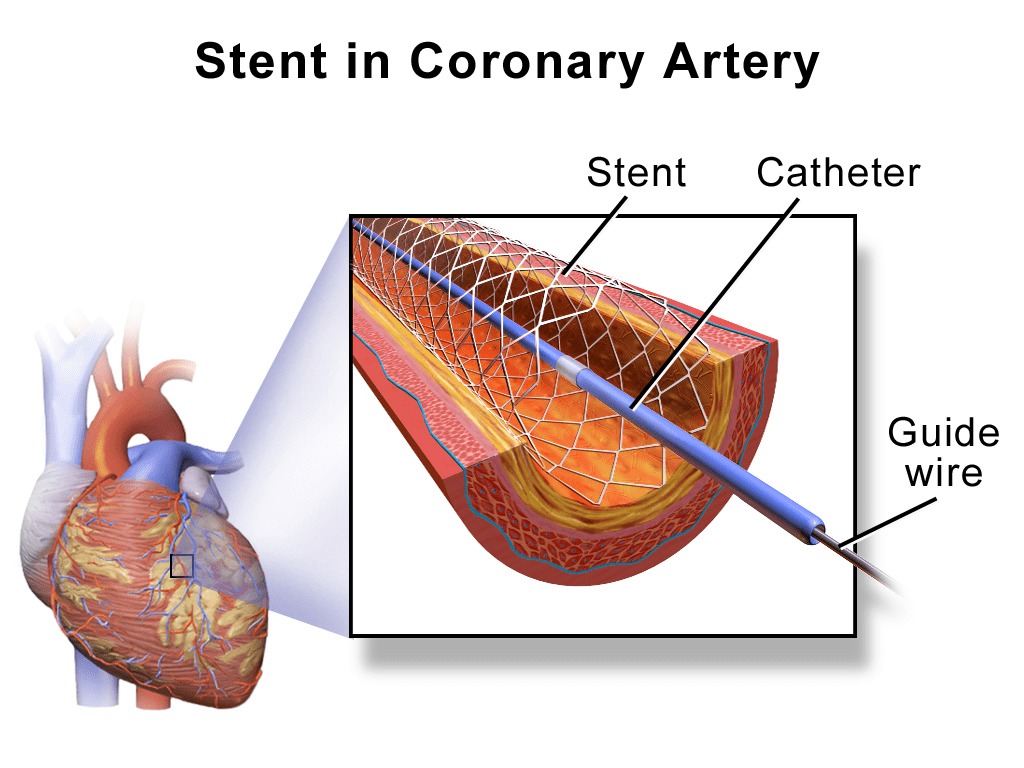
Stenting is the process of placing a stent. A stent is a tiny wire mesh tube made of medical-grade stainless steel or cobalt alloy metal. Stents expand against blocked or narrowed artery walls and are left their permanently. They act as a scaffold to keep arteries open.
How is a complex coronary intervention procedure performed?
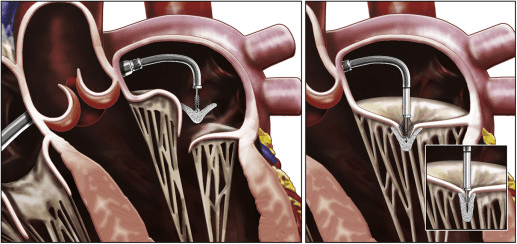
A complex coronary intervention involves the administration of a fine angioplasty catheter into the affected coronary arteries. Utilizing advanced imagery technology, one of our physicians will carefully guide the angioplasty catheter where the coronary artery is at its most narrow. A wire will a ballooned tip will be inserted through the catheter where it will widen the narrowed artery, resulting in healthier blood flow. The physician will then remove the angioplasty balloon and insert a catheter with a closed stent on it. He will then place the stent in the artery, which pushes against the walls of the artery, serving as a support to keep it open.
This procedure is minimally invasive, which will not require any extensive incisions.
What can I expect following the procedure?
A blood-thinning medicine may be prescribed to you to prevent blood clots and to aid in proper blood flow until the treated area heals. Each patient will have follow-up appointments with our physicians to monitor your recovery process.
Ready to talk?