







Heart, legs and knees
Check your symptoms
Pick the area that bothers you most: your heart, your legs or your knees. Answer a few short questions, one at a time, and see which conditions line up with what you notice.
Is this an emergency? Call 911 now.
Sudden numbness or weakness on one side of the face or body, sudden trouble speaking, seeing or keeping your balance, a sudden severe headache, or chest pain or pressure can be signs of a stroke or heart attack. Do not use this tool and do not wait for an appointment. Call 911.
Where is the trouble?
Pick one. You can check another area afterward.
What have you been noticing?
Choose all that apply.
Anything else going on?
Choose all that apply.
Does any of this apply to you?
Choose all that apply.
How do your legs feel?
Choose all that apply.
What do you see on your legs or feet?
Choose all that apply.
Anything else?
Choose all that apply.
What about your feet and toes?
Choose all that apply.
How does your knee feel?
Choose all that apply.
Where are you with it?
Choose all that apply.
Conditions worth asking about
No clear match from these answers
Based on your answers. Only a physician can tell what is causing your symptoms.
A CACVI physician can look at what you are feeling.
Sudden symptoms? Call 911 now. This checker is not for emergencies.
-
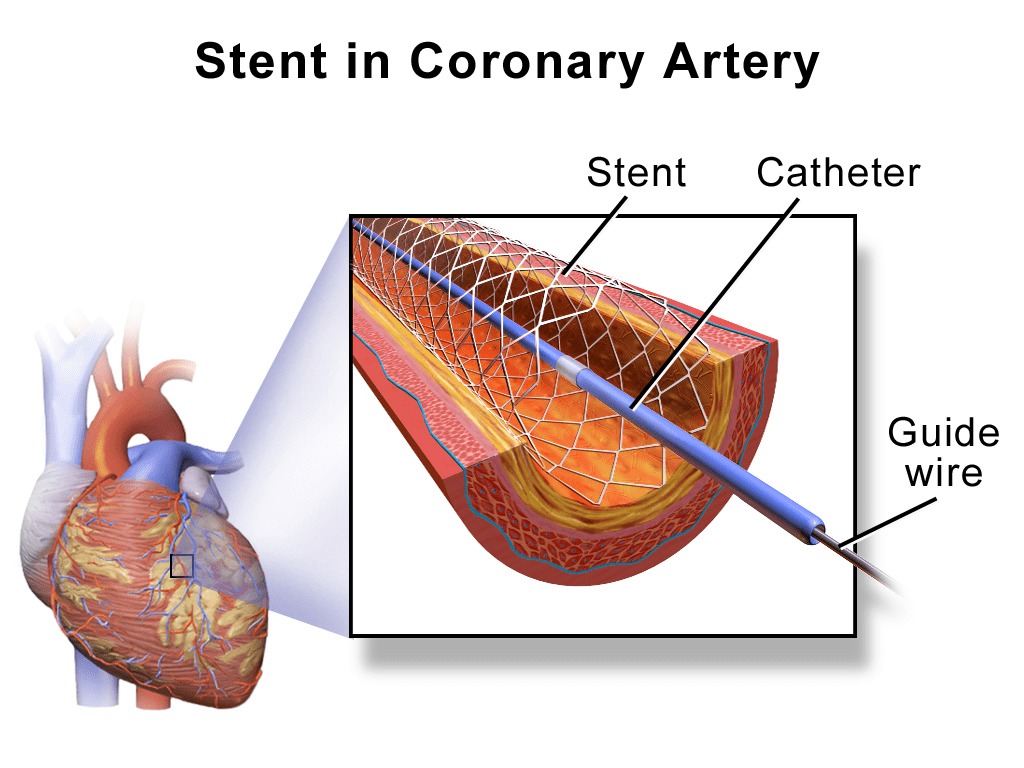
Coronary Artery Disease
Plaque narrows the arteries that supply the heart muscle. It can cause chest discomfort or breathlessness with effort, or no symptoms at all.
Read more about this condition -
Heart Failure
The heart does not pump as well as the body needs. Breathlessness, tiredness and swelling are common signs.
Read more about this condition -
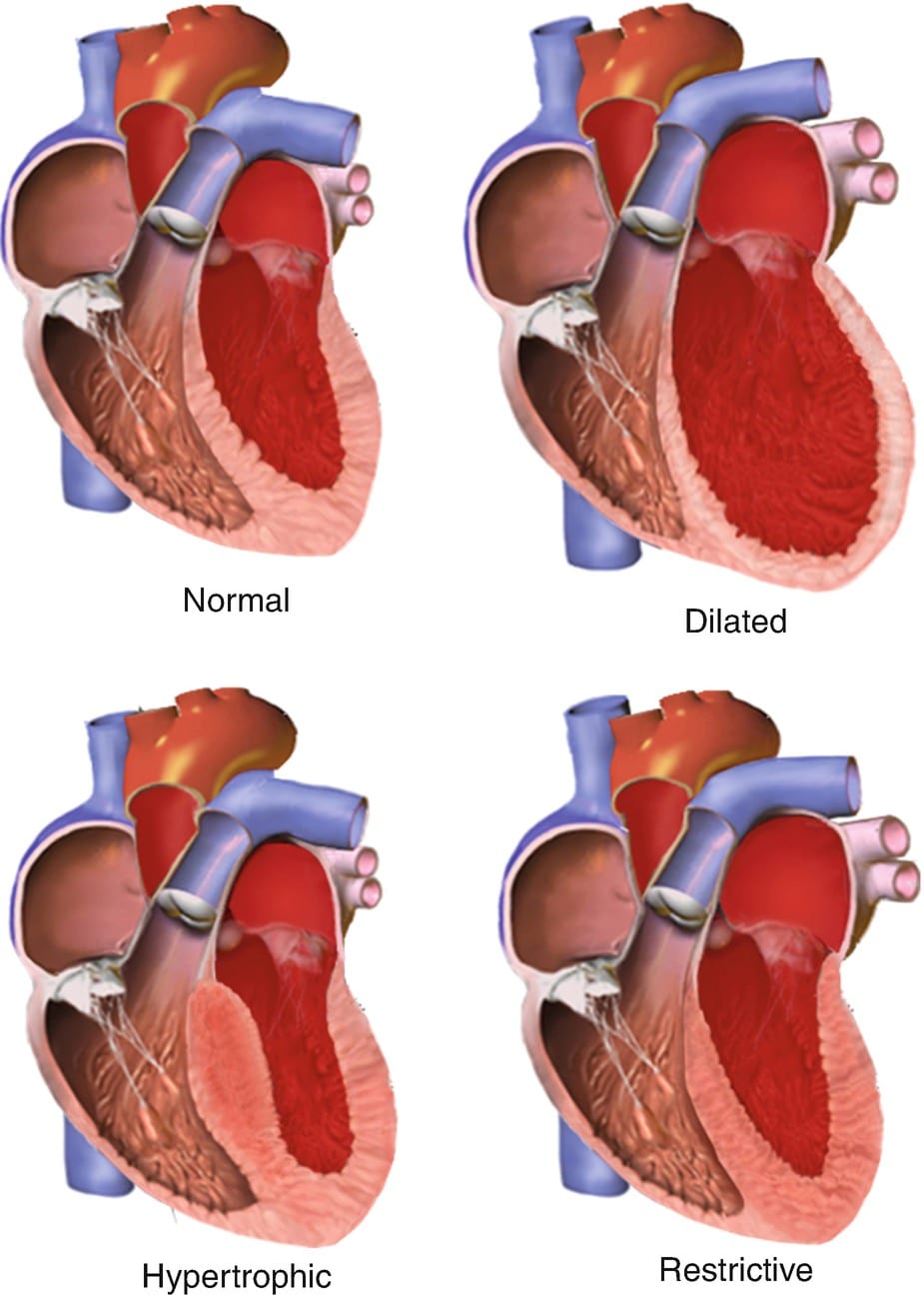
Cardiomyopathy
A disease of the heart muscle that can leave it enlarged, thickened or stiff, so it pumps less well.
Read more about this condition -
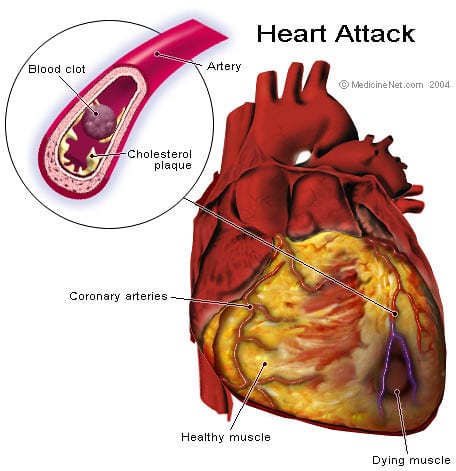
Myocardial Infarction (Heart Attack)
Follow-up care after a heart attack, when blood flow to part of the heart muscle was blocked.
Read more about this condition -
Heart Arrhythmia
A heartbeat that is too fast, too slow or irregular because of a problem with the heart's electrical signals.
Read more about this condition -
Atrial Fibrillation
A common irregular rhythm in the upper chambers of the heart. It can cause palpitations and raises the risk of stroke.
Read more about this condition -
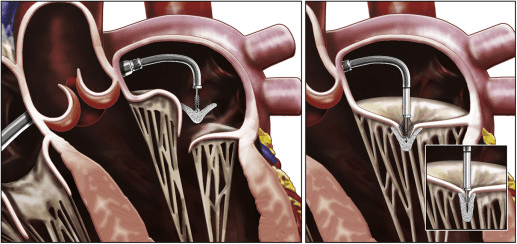
Mitral Valve Disease
The valve between the two left heart chambers leaks or narrows, which can cause breathlessness and fatigue.
Read more about this condition -
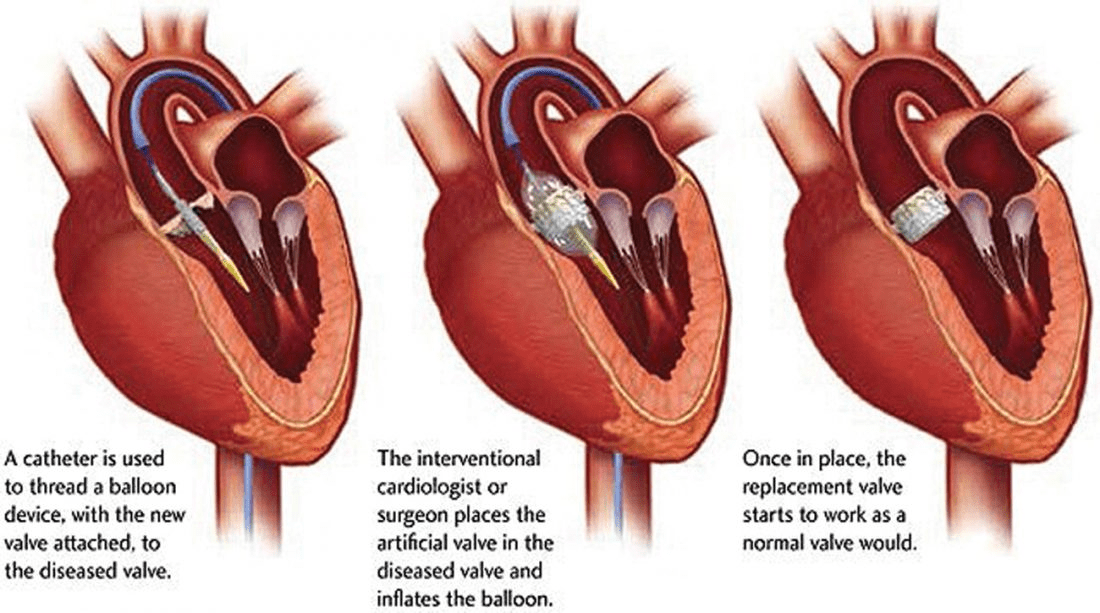
Aortic Valve Disease
The valve where blood leaves the heart narrows or leaks. Chest pressure, dizziness and breathlessness can follow.
Read more about this condition -
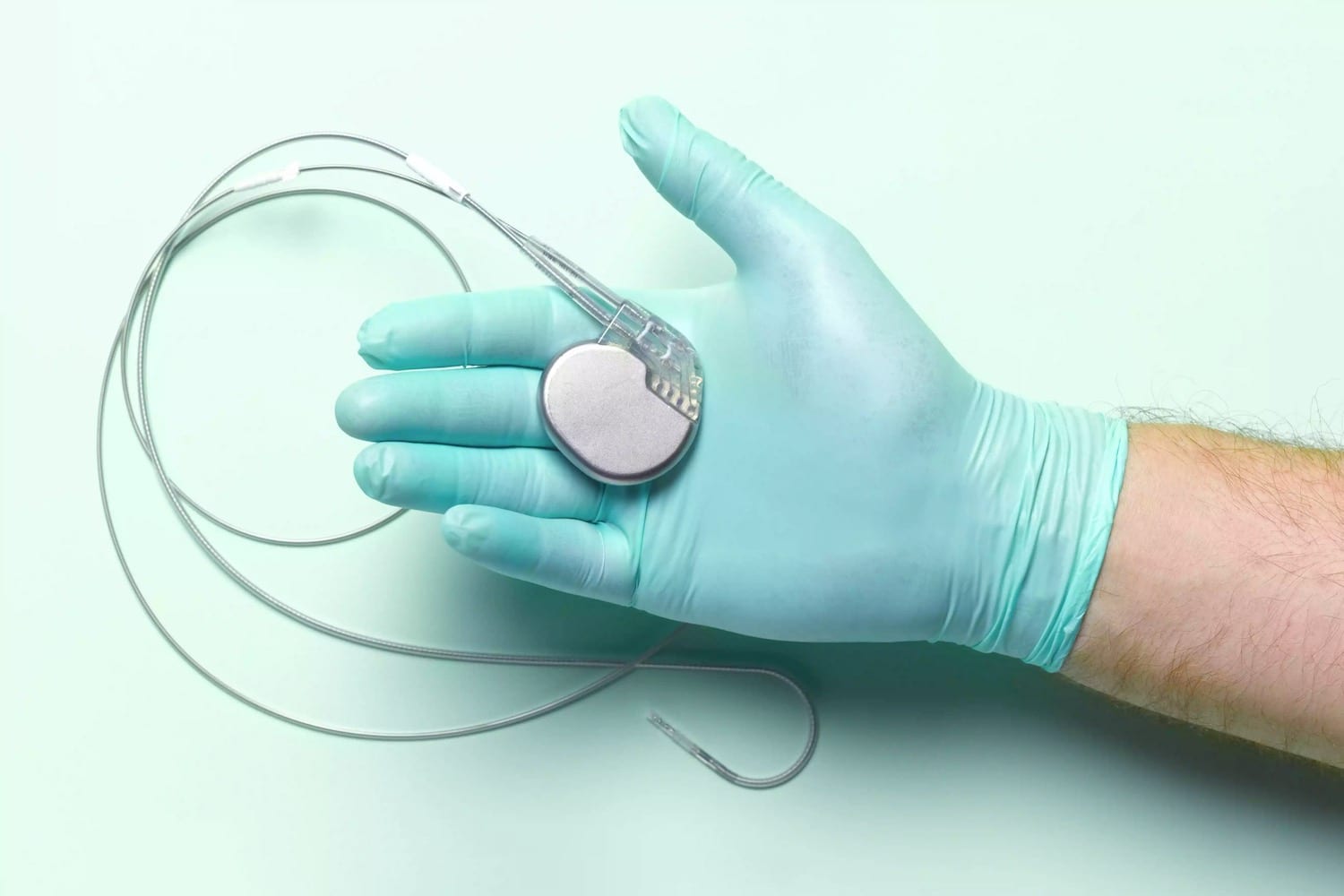
Pacemakers & Defibrillators
Small implanted devices that keep the heartbeat steady or correct a dangerous rhythm.
Read more about this condition -
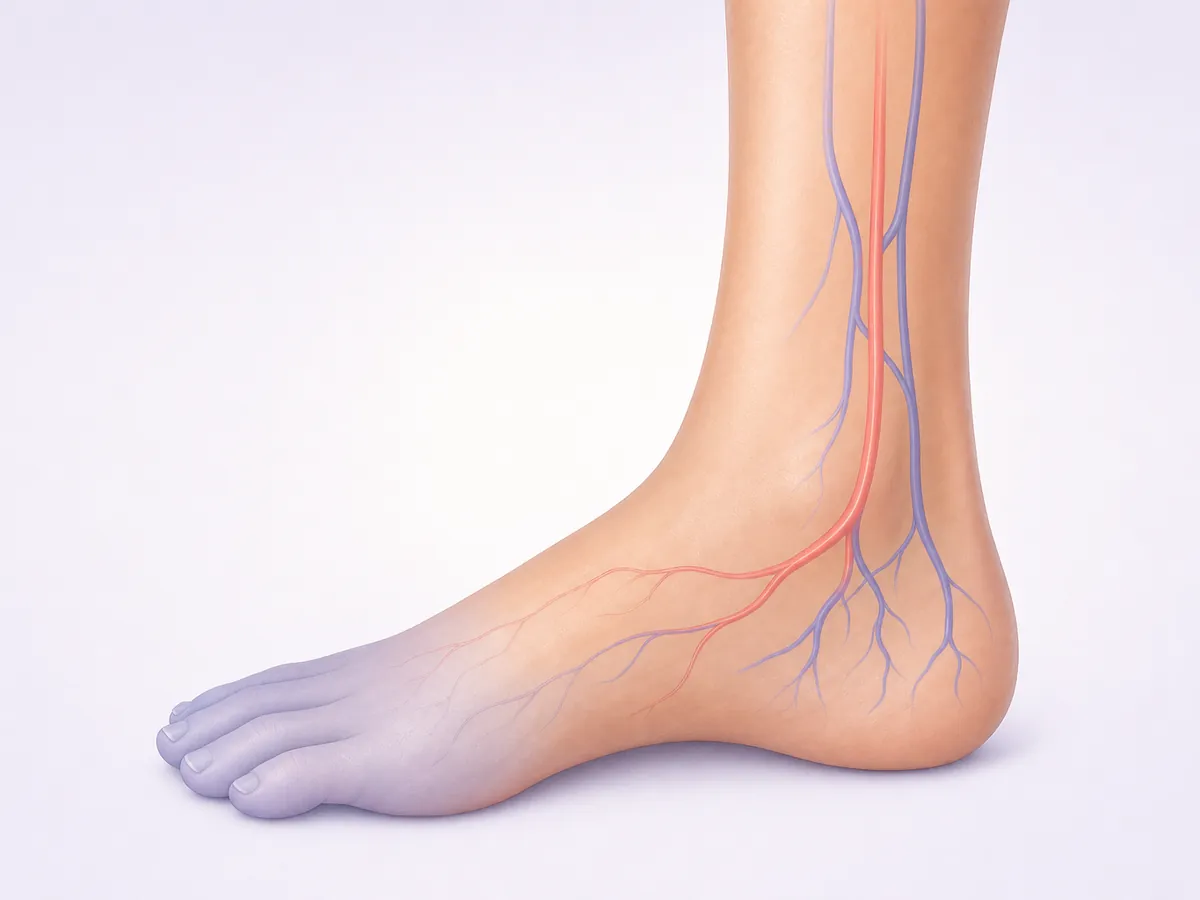
Amputation Prevention
Advanced treatment to restore blood flow and heal wounds so an at-risk leg or foot can be saved from amputation.
Read more about this conditionIllustration created with AI-assisted tools
-
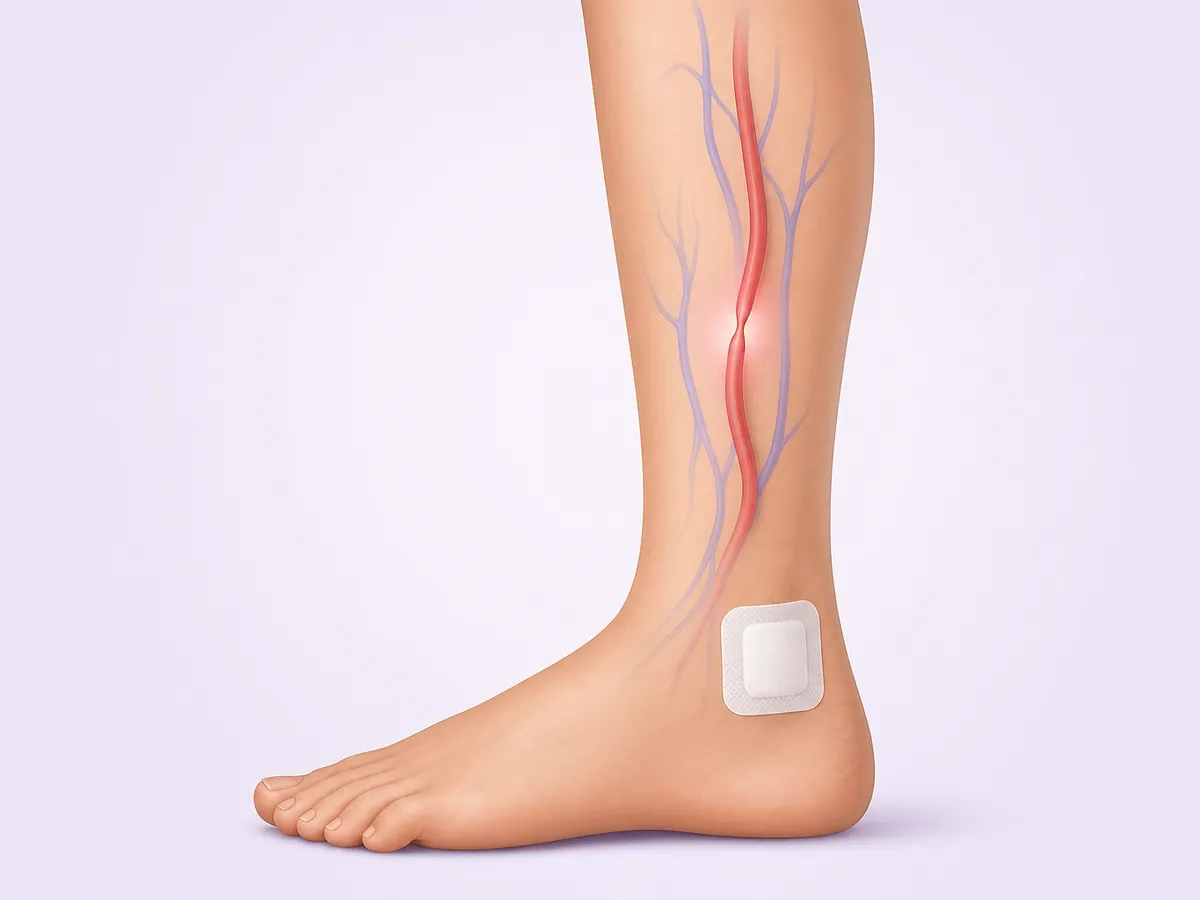
Arterial Leg Ulcers
Painful, slow-to-heal sores on the lower legs or feet caused by poor arterial blood flow.
Read more about this conditionIllustration created with AI-assisted tools
-
Venous Insufficiency Leg Ulcers
Long-standing vein pressure causes shallow, slow-healing sores near the ankle.
Read more about this conditionIllustration created with AI-assisted tools
-
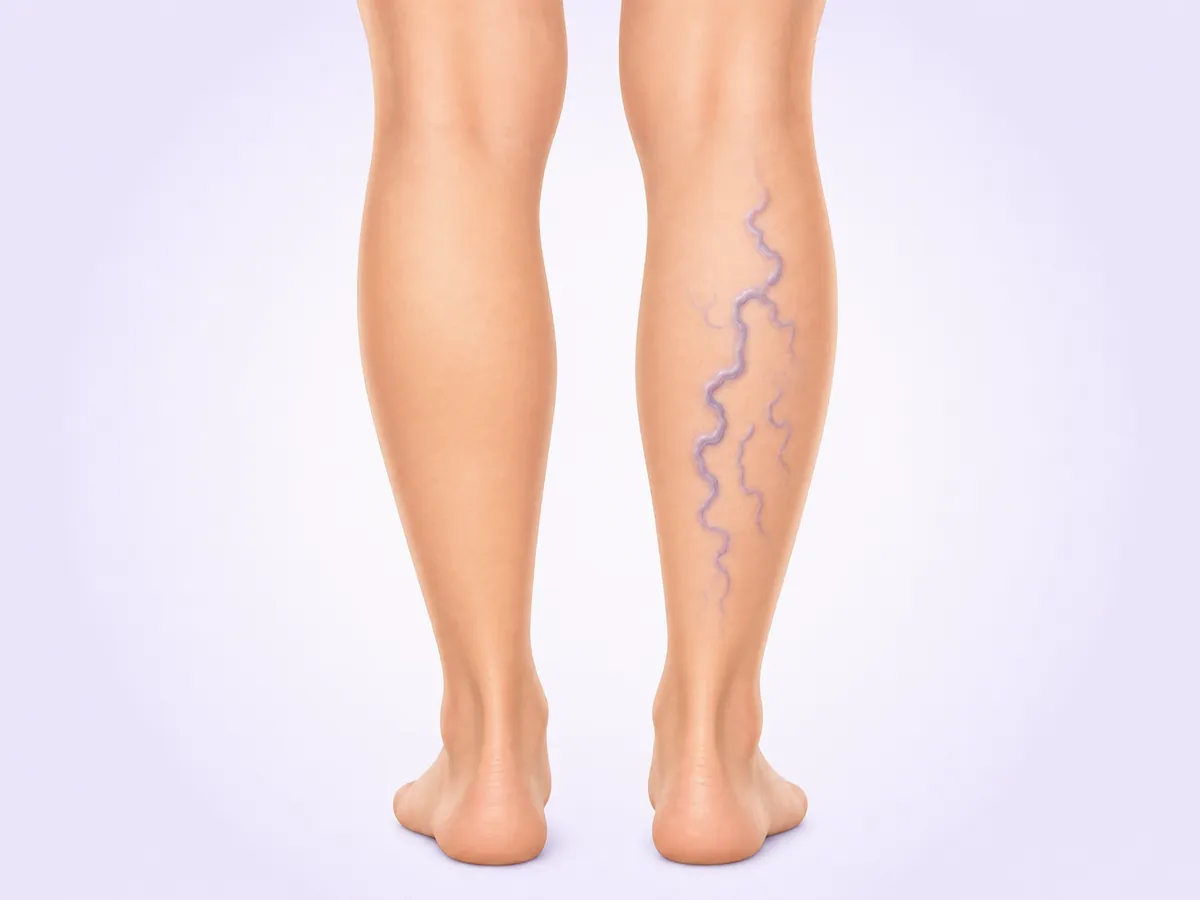
Varicose Veins
Enlarged, twisted veins near the skin's surface that can ache, swell, and cause skin changes.
Read more about this conditionIllustration created with AI-assisted tools
-
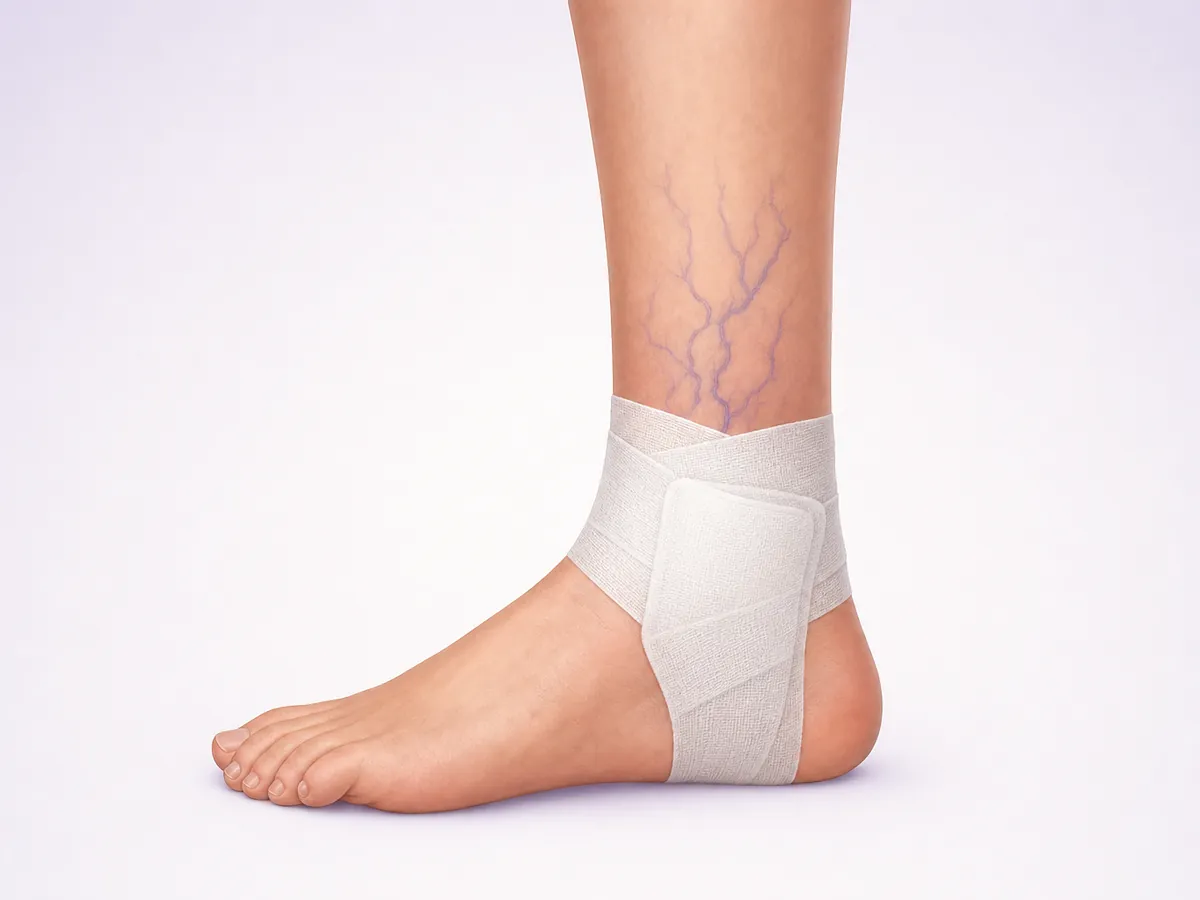
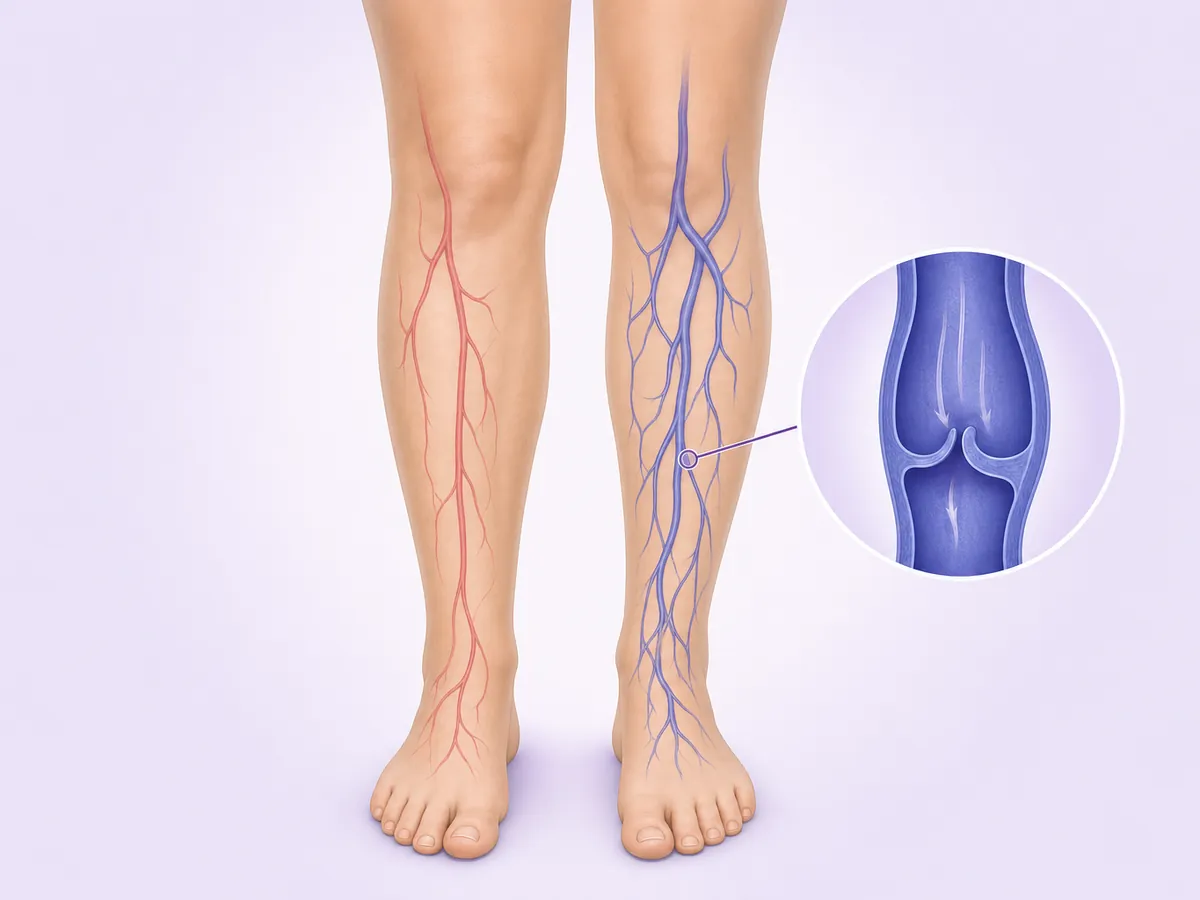
Chronic Venous Insufficiency (CVI)
Damaged leg vein valves let blood pool, leading to swelling, skin changes, and aching legs.
Read more about this conditionIllustration created with AI-assisted tools
-
Critical Limb Ischemia (CLI)
The most severe stage of poor leg circulation, with rest pain and wounds that threaten the limb.
Read more about this conditionIllustration created with AI-assisted tools
-
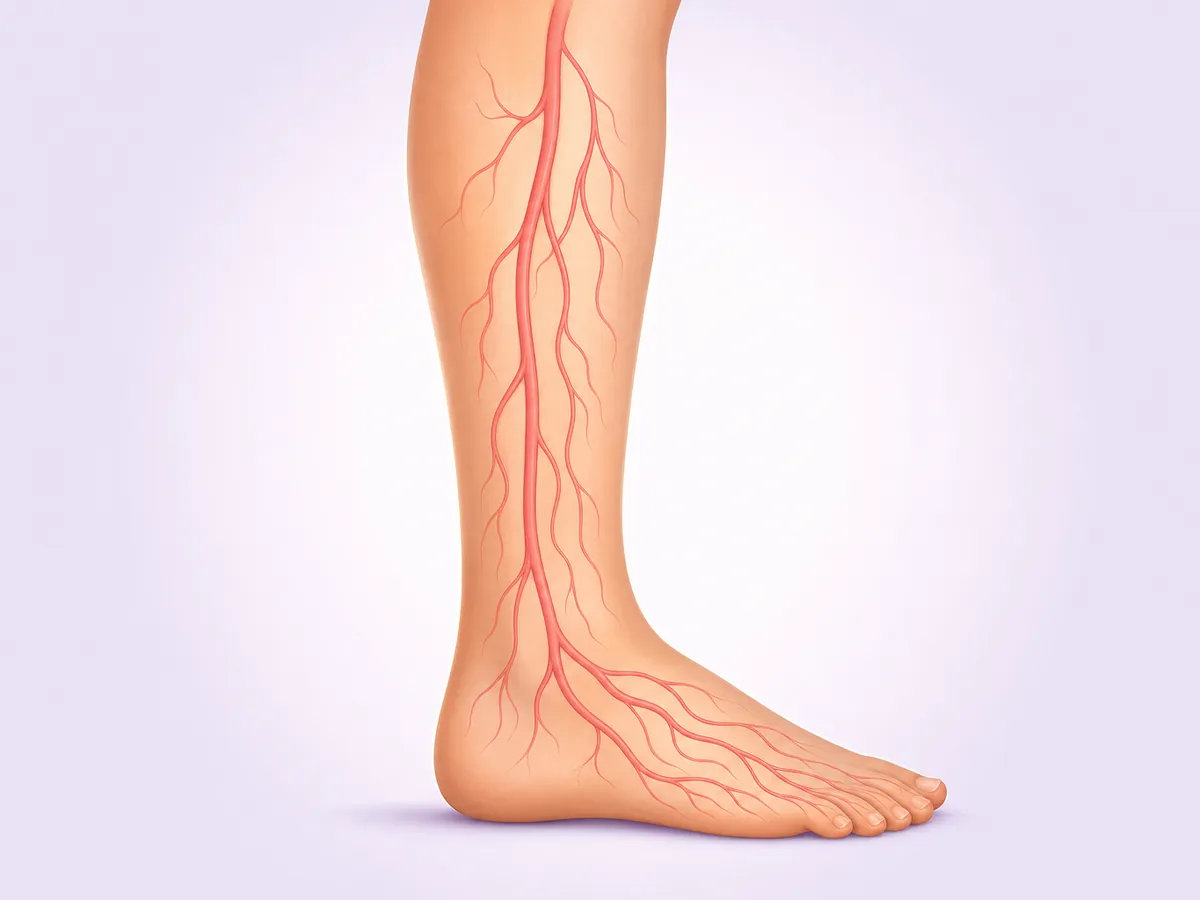
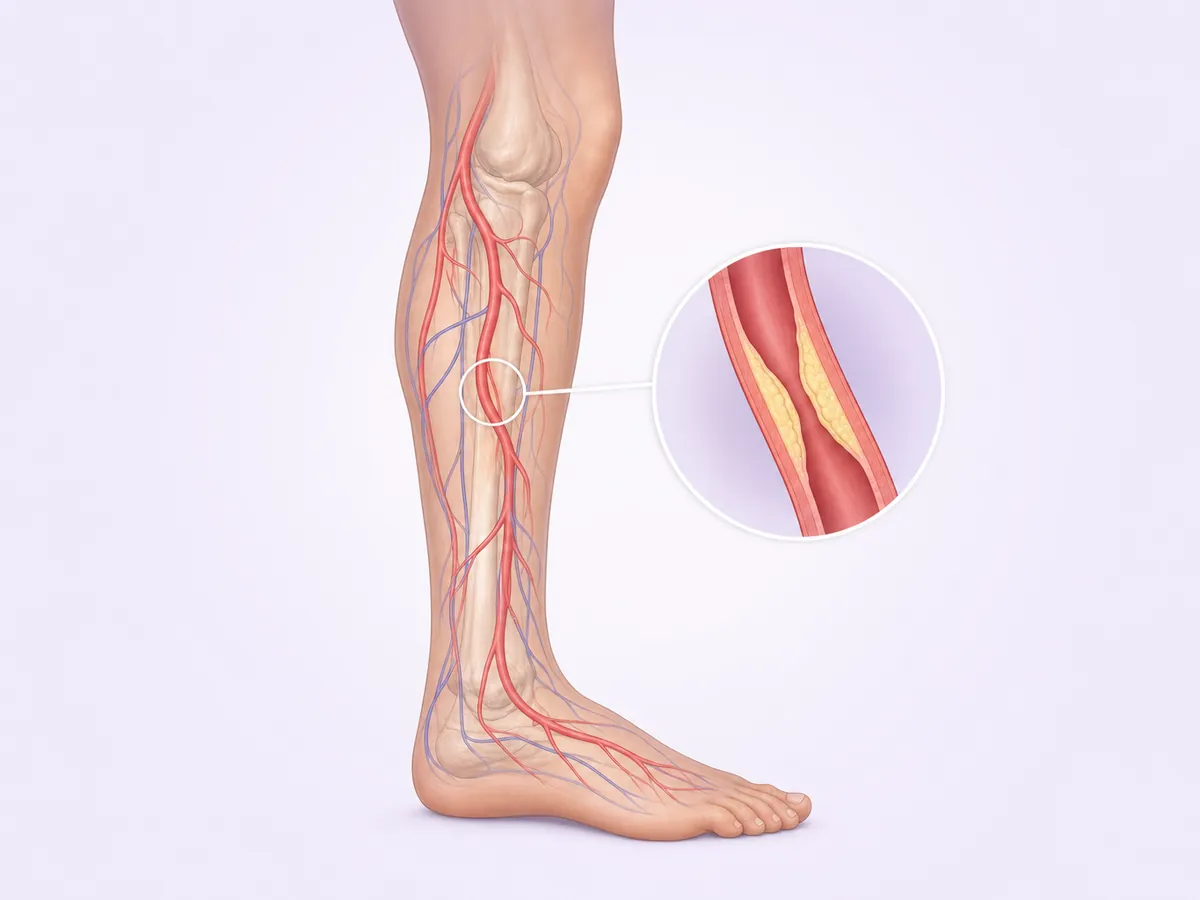
Peripheral Artery Disease (PAD)
Narrowed leg arteries reduce blood flow, causing leg pain with walking and slow-healing wounds.
Read more about this conditionIllustration created with AI-assisted tools
-
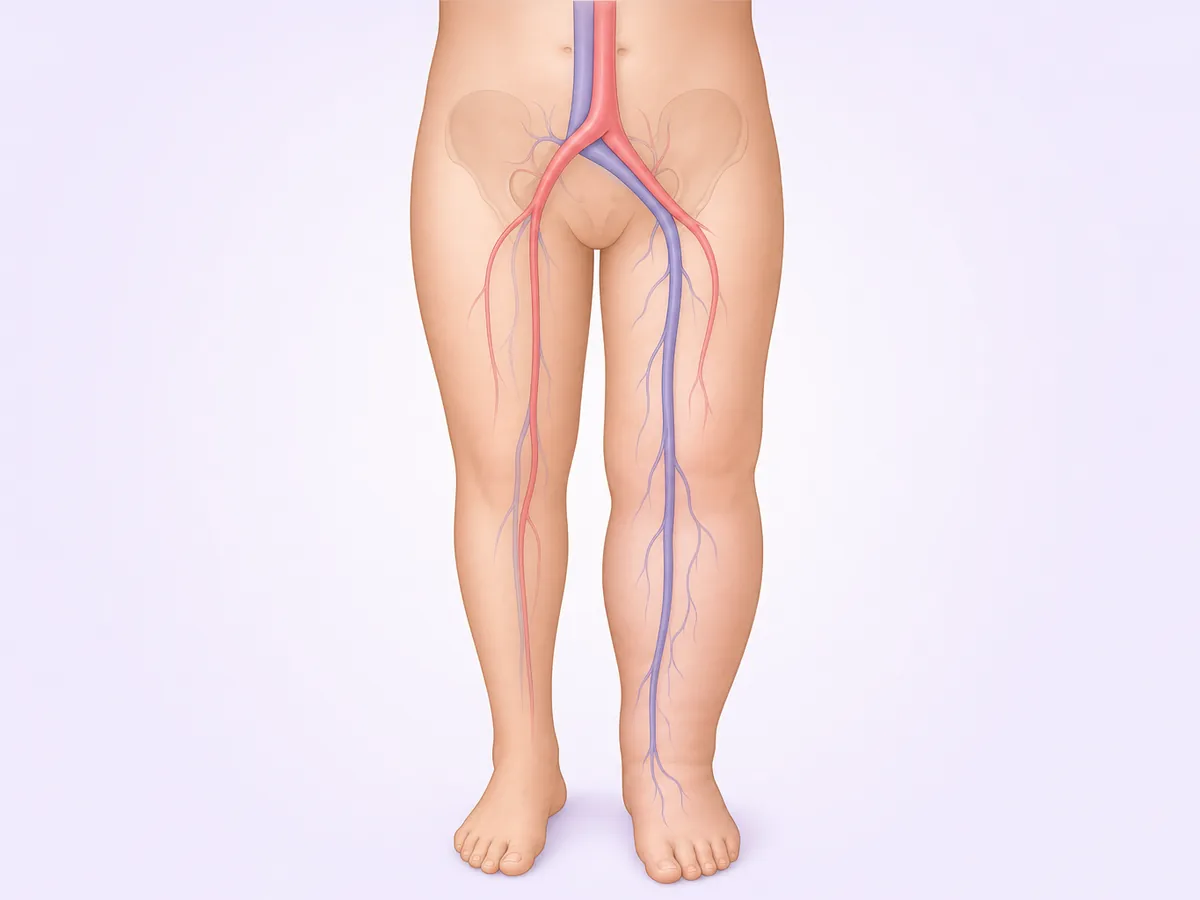
May-Thurner Syndrome (MTS)
A compressed vein in the pelvis slows blood flow and can cause leg swelling and clots.
Read more about this conditionIllustration created with AI-assisted tools
-
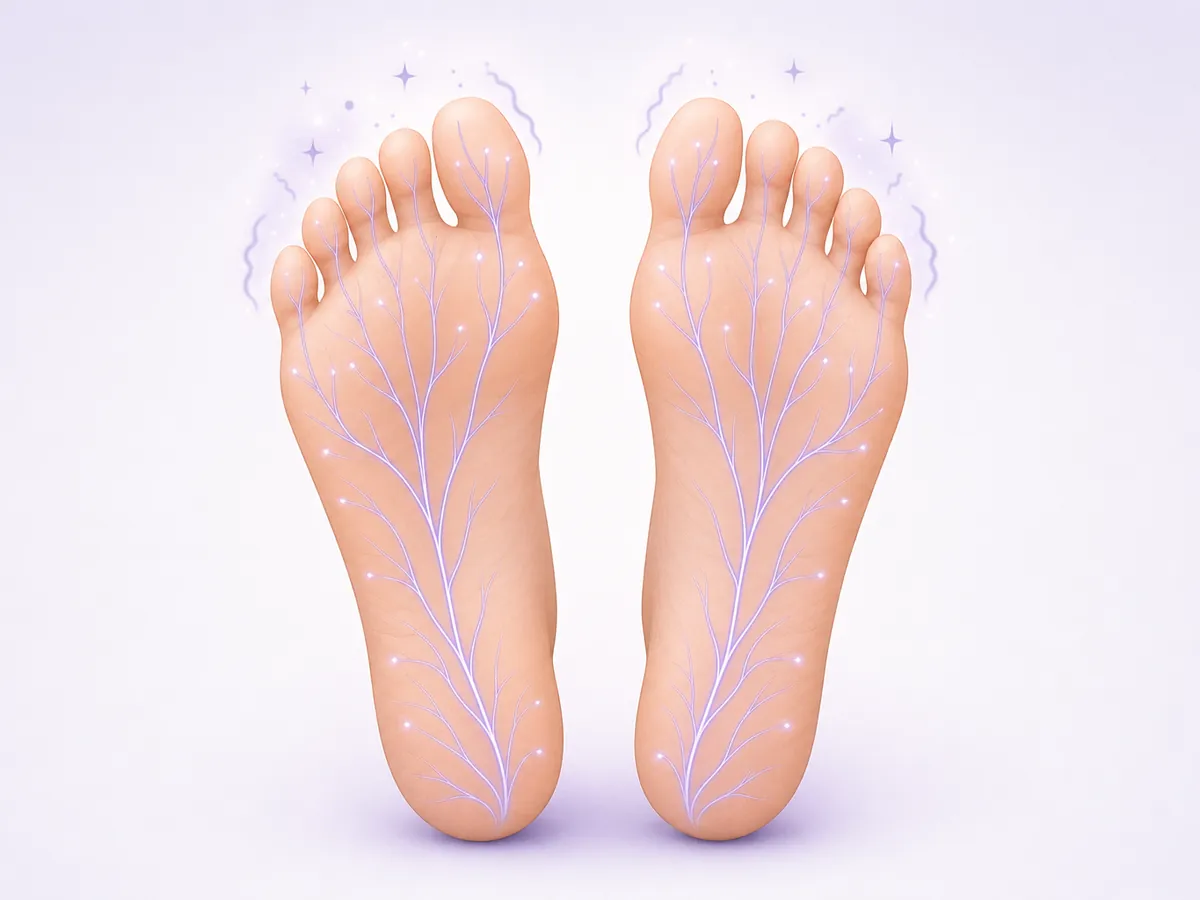
Diabetic Neuropathy
Nerve damage from diabetes that causes numbness, tingling, and loss of feeling, most often in the feet.
Read more about this conditionIllustration created with AI-assisted tools
-
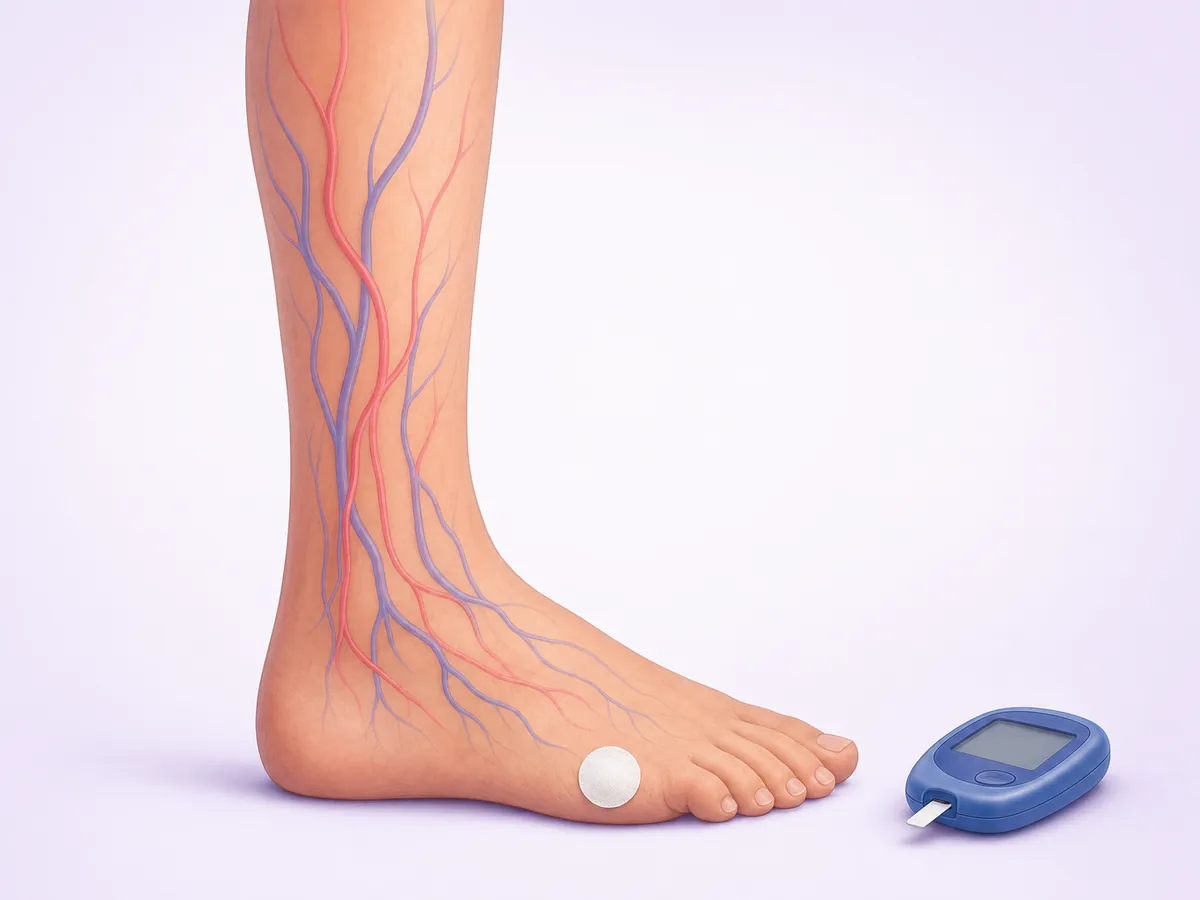
Diabetic Foot Ulcers
Open sores on the feet of people with diabetes that can worsen quickly if not treated.
Read more about this conditionIllustration created with AI-assisted tools
-
Peripheral Venous Disease
Vein problems in the legs that lead to swelling, heaviness, skin changes, and open sores.
Read more about this conditionIllustration created with AI-assisted tools
-
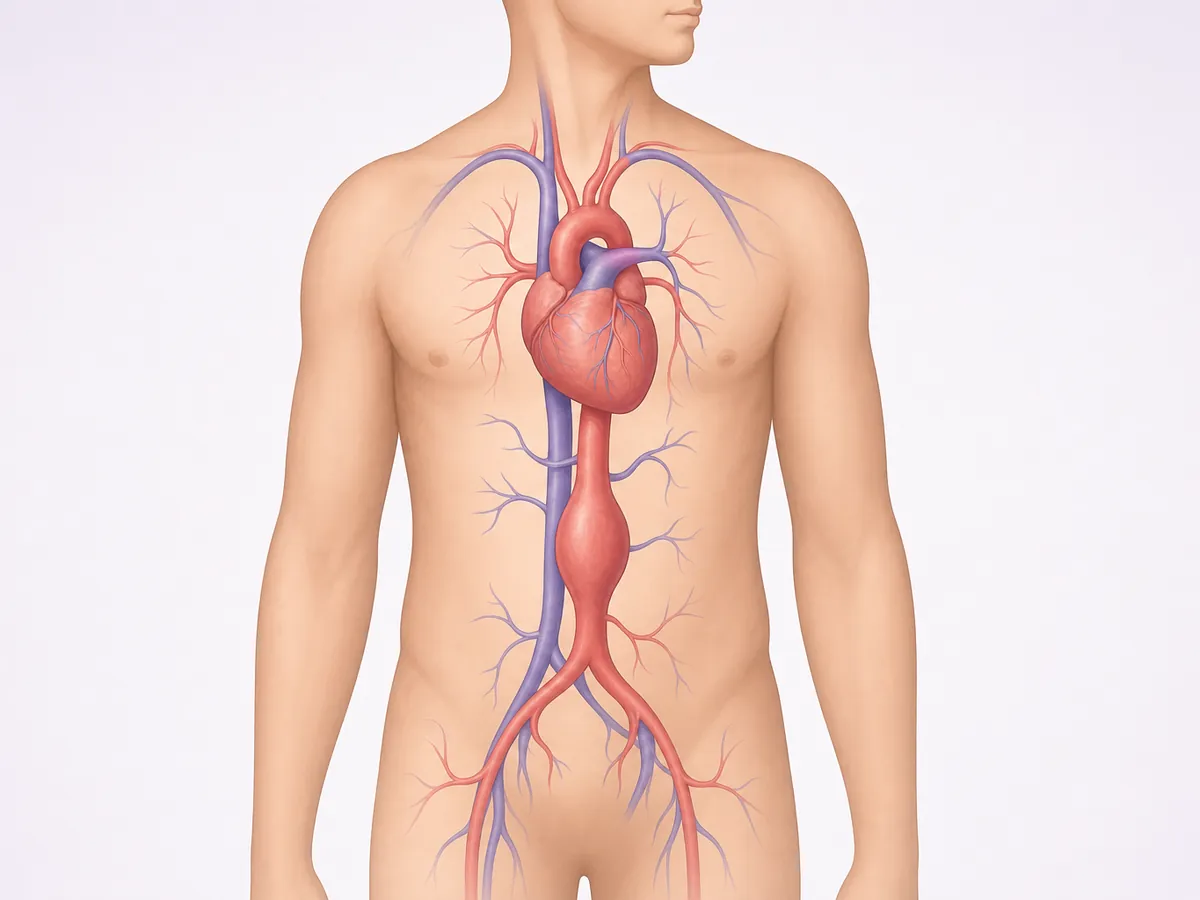
Aortic Aneurysm
A bulge in the body's main artery that often causes no symptoms but can be dangerous if it grows.
Read more about this conditionIllustration created with AI-assisted tools
-
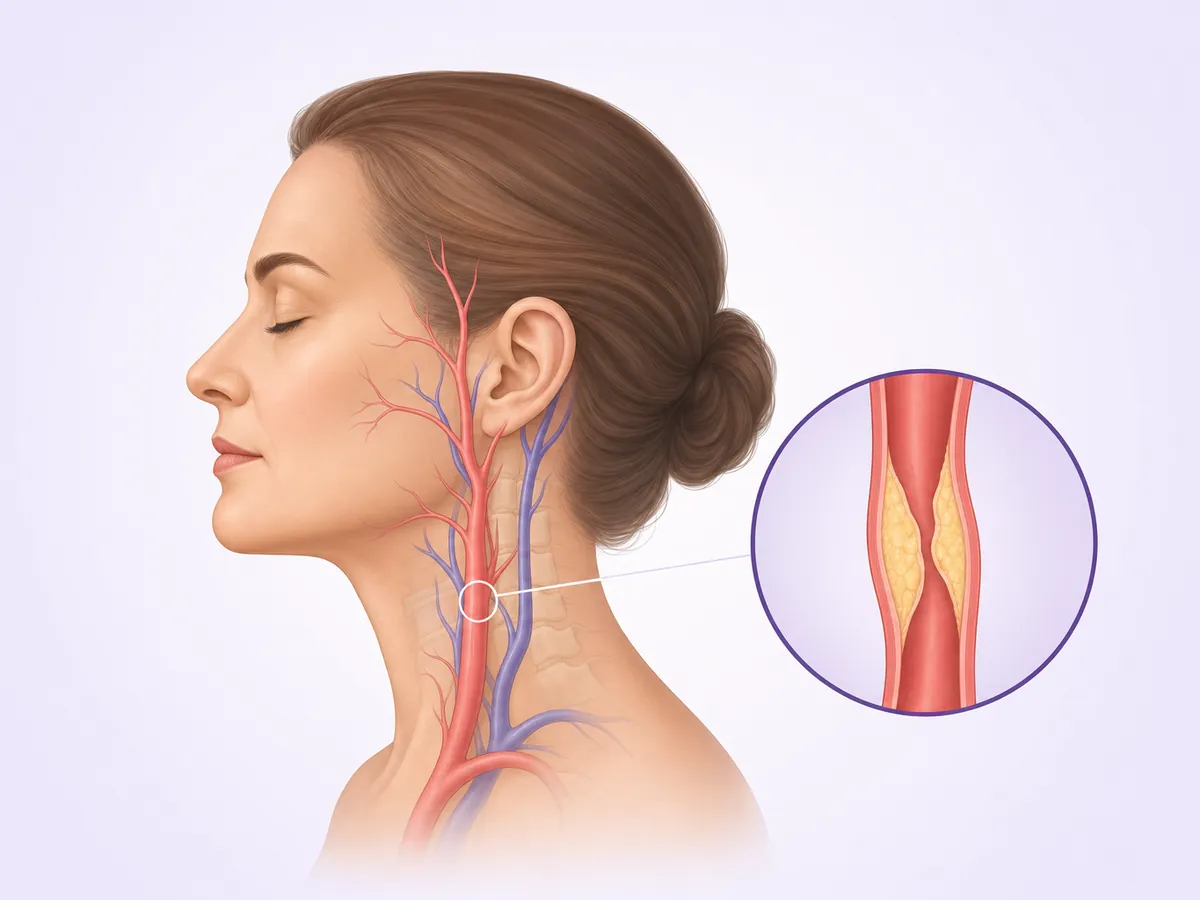
Carotid Artery Stenosis
Narrowing of the neck arteries that supply the brain, which can raise the risk of a stroke.
Read more about this conditionIllustration created with AI-assisted tools
-
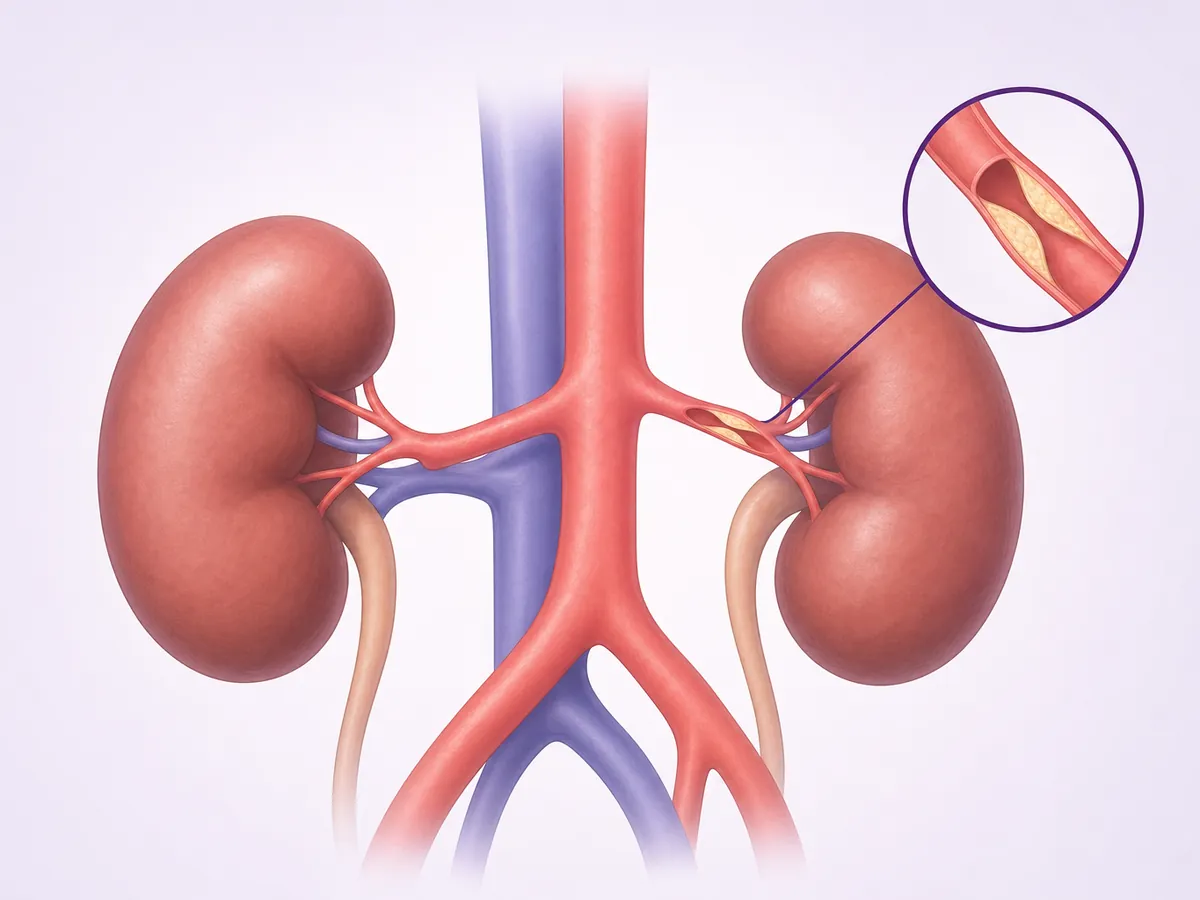
Renal Artery Stenosis
Narrowing of the arteries to the kidneys, often showing up as blood pressure that's hard to control.
Read more about this conditionIllustration created with AI-assisted tools
-
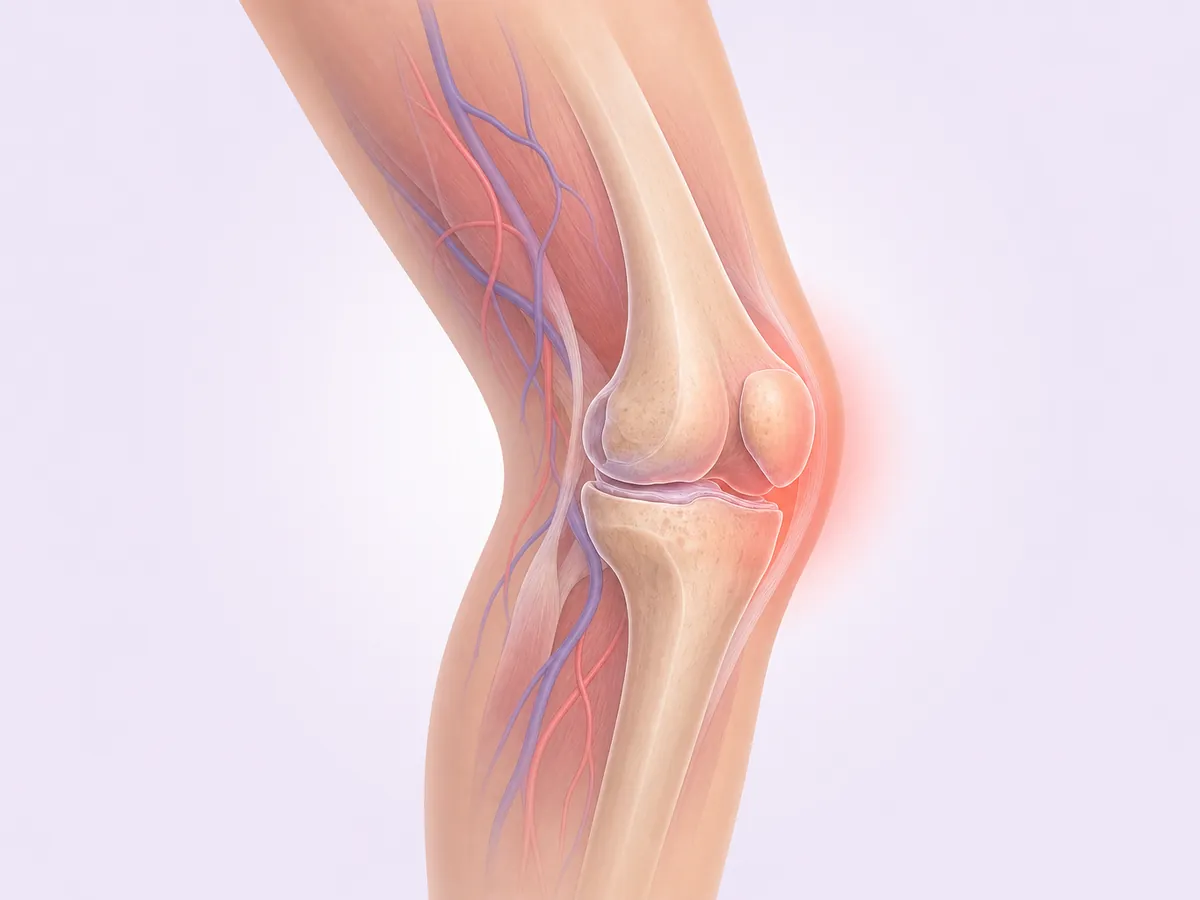
Osteoarthritic Knee Pain
Wear in the knee joint brings pain, stiffness and swelling. Ask whether genicular artery embolization (GAE), an office-based procedure, is an option for you.
Read more about this conditionIllustration created with AI-assisted tools
This tool is for general educational purposes only and is not a medical diagnosis. It cannot tell you what condition you have. Always consult a qualified physician about your symptoms.
Learn the stages
How some conditions progress
Many vascular problems move through stages or types. Select a step below to see how each one changes over time. This is background information, not a diagnosis.
Stages of chronic venous disease
Vein specialists use the CEAP scale, from C0 to C6, to describe how far vein disease has progressed. Select a stage to read more.
C0No visible signs
The legs look normal, though they may ache or feel heavy or tired.
C1Spider or reticular veins
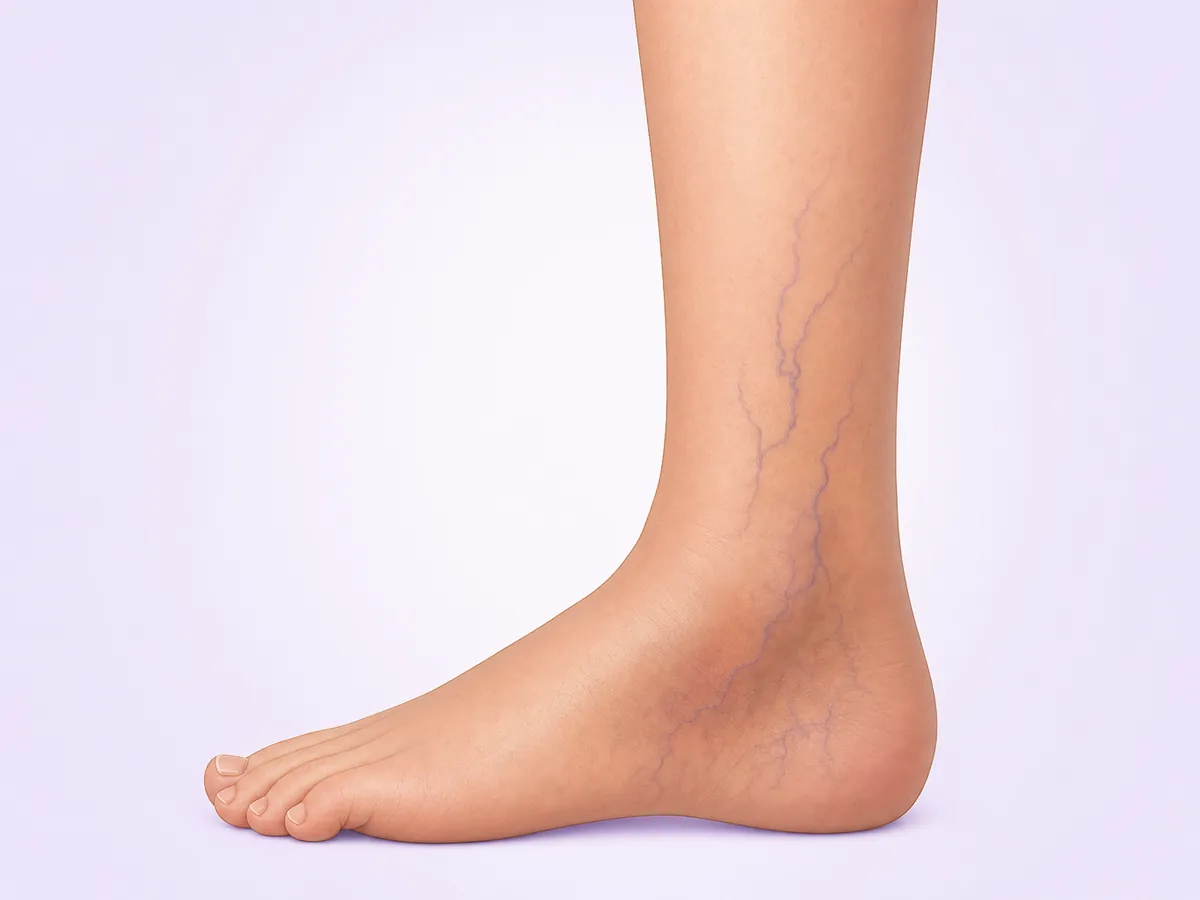
Small red, blue, or purple veins just under the skin. Spider veins are less than 1 mm wide. Reticular veins are a little larger, up to 3 mm.
C2Varicose veins
Enlarged, twisted veins 3 mm or wider that bulge under the skin, most often on the legs.
C3Swelling
Swelling (edema) in the lower leg and ankle caused by vein disease, often worse after standing for a long time.
C4Skin changes
The skin near the ankle turns a reddish-brown color, or becomes itchy, flaky, hard, or leathery.
C5Healed ulcer
A venous ulcer that has closed. The skin in that area has broken down before.
C6Active ulcer
An open sore that is slow to heal, usually on the inner leg just above the ankle.
CEAP clinical classes (C0 to C6).Read about chronic venous insufficiency
Stages of peripheral artery disease
Doctors often describe chronic PAD in four Fontaine stages. Select a stage to read what it usually looks like.
Stage INo symptoms
The leg arteries have narrowed, but there is no pain yet. Many people with PAD are at this stage and do not know it.
Stage IIPain when walking
Cramping or aching in the calf, thigh, or hip while walking that eases after a few minutes of rest. This is called claudication. Doctors split it into mild (IIa) and moderate to severe (IIb) by how far you can walk before the pain starts.
Stage IIIPain at rest
Pain in the foot or toes even when you are not moving, often worse at night when lying flat. Blood flow is no longer enough for the leg at rest. This is critical limb ischemia (CLI).
Stage IVWounds or gangrene
Sores on the feet or toes that do not heal, or areas of dead, blackened skin (gangrene). This is the most severe stage of critical limb ischemia and puts the limb at risk.
Sudden, severe leg pain with a cold, pale, or numb leg is different. That is acute limb ischemia, and it needs emergency care right away.
Fontaine classification, with the matching Rutherford categories.Read about peripheral artery disease
Types of diabetic neuropathy
Diabetes can damage different sets of nerves. These are types, not stages. Select a type to read more.
Peripheral neuropathy
The most common type. Numbness, tingling, or burning in the feet and hands, often with loss of feeling.
Autonomic neuropathy
Affects the nerves that run automatic functions: digestion, bladder, sweating, and blood pressure control.
Proximal neuropathy
Pain and weakness in the hips, thighs, or buttocks, usually on one side, sometimes making it hard to stand.
Still not sure? Talk to a specialist.
A quick consult with a CACVI physician is the only way to know what is really going on. Same-day scheduling is available across our three offices.