
Reticular Veins Treatment
Reticular vein treatment typically involves minimally invasive procedures designed to close or remove the affected veins. The most common options include sclerotherapy, laser treatment, and, in select cases, ambulatory phlebectomy for larger visible veins.
At CACVI, our vascular specialists bring over 30 years of experience and more than 15,000 vascular procedures to every patient we treat. We offer advanced, personalized vein care backed by decades of expertise. Schedule a consultation with us today to get started.In this blog, we’ll cover what reticular veins are, why they occur, the most effective treatment options available, recovery expectations, potential risks, and when it may be time to seek treatment from a qualified healthcare provider.
What Are Reticular Veins?

What Causes Reticular Veins?
Lifestyle factors like prolonged standing and poor circulation can contribute to reticular veins.
Do Reticular Veins Need Treatment?
Reticular veins often do not require treatment, especially when they are purely a cosmetic concern and are not causing any uncomfortable symptoms. In many patients, these blue or greenish veins beneath the surface of the skin are harmless from a medical standpoint, and treatment is often elective unless the veins begin to affect daily comfort or signal a deeper vascular issue. As CACVI physician Dr. Arshia Mehdi Noori explains, “Not every visible vein needs immediate intervention, but when symptoms develop or the veins suggest an underlying circulation issue, proper evaluation becomes important.” In our experience, the decision to treat often depends on the patient’s symptoms, medical history, and whether the affected veins are linked to broader vascular conditions. Treatment may be recommended when reticular veins begin causing pain, aching, burning, itching, or significant discomfort, particularly after long periods of standing or sitting. According to the Society for Vascular Surgery, leg discomfort, swelling, and visible vein changes can sometimes indicate more advanced venous disease rather than isolated cosmetic vein issues. Patients exhibiting swelling, heaviness, or chronic pain in the legs may be suffering from early venous insufficiency, necessitating assessment by a qualified healthcare professional prior to the exacerbation of symptoms. We also recommend seeking evaluation if reticular veins are paired with signs of chronic venous insufficiency, such as persistent ankle swelling, skin discoloration, heaviness, or worsening visible varicose veins and spider veins. At CACVI, we often tell patients that even though reticular veins might look small, they can sometimes occur with more serious issues in the deeper veins that affect blood flow and valve function. Visible vein problems can occasionally point to underlying venous disease requiring medical treatment rather than cosmetic-only care. Ultimately, whether you should seek treatment depends on your symptoms, goals, and overall vascular health. For instance, if your reticular veins are painless and stable, monitoring may be enough. But, if they are worsening in appearance, becoming painful, or affecting your confidence or comfort, treatment may be worthwhile.Common Reticular Veins Treatment Options

Sclerotherapy is one of the most effective treatments for reticular veins.
Sclerotherapy
Sclerotherapy is one of the most common and effective treatment options for treating reticular veins, especially when the veins are visible beneath the skin’s surface but not significantly bulging. This minimally invasive procedure involves injecting a specialized solution directly into the blood vessel, which irritates the vein lining and causes the vein to collapse, seal shut, and gradually fade over time. According to research published in JAMA Dermatology, studies have shown high success rates for reticular vein sclerotherapy, with many patients achieving strong improvement in as few as one to three treatment sessions. For instance, one patient we treated came to us after noticing spreading blue feeder veins around her inner thighs and behind her knees. After two rounds of sclerotherapy combined with compression stockings, her visible veins faded dramatically, and she reported improved confidence wearing shorts again.Laser Therapy
Laser therapy or laser treatment uses focused light energy to heat and damage targeted veins, causing them to shrink and eventually disappear. This option is commonly used for smaller visible veins located close to the surface of the skin, particularly when injections may not be ideal or when treating very fine spider veins alongside reticular veins. According to the National Institutes of Health, laser therapy is a recognized treatment method for telangiectasias and reticular veins and is often used when patients have superficial visible veins that respond well to thermal energy. In some cases, laser therapy may require multiple sessions depending on the size and number of veins being treated.Ambulatory Phlebectomy
For larger or more stubborn reticular veins, ambulatory phlebectomy may be recommended. This treatment involves removing problematic veins through tiny incisions in the skin, allowing the physician to physically extract the vein while leaving minimal scarring. According to a study published by the National Library of Medicine, ambulatory phlebectomy can be used to treat both symptomatic reticular veins and varicose veins, particularly when veins are too large for standard injection therapy alone. Although it is slightly more involved than sclerotherapy, recovery is generally still quick, and many patients return to normal activity within a few days.Lifestyle Modifications
Making lifestyle changes won’t completely get rid of reticular veins. However, it can help blood flow, lessen uncomfortable symptoms, and slow down the problem, especially for people with chronic venous insufficiency or high risk factors. We often recommend:- Wearing compression stockings to support circulation and reduce venous pressure
- Exercising regularly to encourage healthy blood flow
- Elevating your legs after long hours of standing
- Maintaining a healthy weight to reduce extra pressure on lower-body veins
What to Expect During Treatment
If you are considering reticular vein treatment, knowing what to expect can help ease anxiety and make the process feel much more manageable. In our experience, many patients are surprised by how straightforward and minimally invasive modern vein treatment can be, especially compared to what they initially expect. As Dr. Arshia Mehdi Noori often tells patients, “Most vein procedures today can be performed comfortably in the office with little disruption to your normal routine.” While every patient’s treatment plan may vary slightly, the process typically follows these key steps: Step 1: Initial Consultation and Vein Evaluation The first step is scheduling a consultation with a qualified healthcare provider who specializes in vascular care. During this appointment, your provider will review your medical history, examine the visible veins, and discuss your symptoms, concerns, and treatment goals. Often, we may recommend diagnostic imaging such as an ultrasound to evaluate blood flow beneath the surface and determine whether underlying venous insufficiency or chronic venous insufficiency is contributing to your visible veins. This is important because while some reticular veins are simply cosmetic, others may point to deeper vein conditions that require broader care. Step 2: Personalized Treatment Plan Once your evaluation is complete, your specialist will determine the best treatment plan based on your vein size, symptoms, and overall vascular health. It depends on several factors, including whether your concern is cosmetic, whether you are experiencing pain or swelling, and whether the affected veins are associated with feeder veins, spider veins, or larger varicose veins. For instance, some patients may benefit most from sclerotherapy, while others may need laser treatment, ambulatory phlebectomy, or a combination of approaches. We recommend asking questions during this step so you fully understand your treatment options, expected results, and recovery timeline. Step 3: In-Office Procedure Many reticular vein procedures are performed right in the office and do not require hospital admission or general anesthesia. Treatments such as sclerotherapy and laser therapy are typically completed in under an hour, depending on how many veins are being treated. During the procedure, your provider will carefully target the affected blood vessel using injections, focused laser energy, or tiny incisions depending on the treatment method selected. Most people remain awake throughout the appointment and can return home shortly afterward. Step 4: Minimal Discomfort and Recovery After treatment, most patients experience only minimal discomfort and downtime. You may notice temporary bruising, mild swelling, itching, or tenderness around the treatment area, but these side effects usually resolve quickly. In our experience, many patients return to normal daily activities within 24 to 48 hours, although we often recommend avoiding strenuous exercise for a short period depending on the procedure. You may also be instructed to wear compression stockings, walk regularly to improve blood flow, and avoid standing still for long periods during early recovery.What Challenges Arise in Reticular Veins Treatment?
Below is a breakdown of common treatment challenges and how we recommend managing them:| Challenge / Side Effect | Why It Happens | How to Manage It |
|---|---|---|
| Bruising | Bruising is one of the most common side effects after treatments like sclerotherapy or ambulatory phlebectomy, especially where injections or small incisions are made. | We recommend wearing compression stockings, avoiding strenuous activity for 24–48 hours, and following your provider’s aftercare instructions. |
| Redness and Swelling | Mild redness or swelling may occur as the body responds to the treated blood vessel and begins healing the area. | This typically improves within a few days. Elevating your legs, staying mobile, and avoiding standing for long periods can help reduce inflammation and improve blood flow. |
| Temporary Skin Discoloration | Some patients develop brown, purple, or darker patches on the skin’s surface where veins were treated, particularly after injection-based procedures. | In most cases, discoloration fades gradually over weeks or months. Protecting the area from sun exposure and following proper post-treatment care can help minimize pigmentation issues. |
| Need for Multiple Sessions | Some affected veins, especially larger or stubborn reticular veins, may not fully respond after one session. | It is important to understand that optimal results may require multiple appointments. We always encourage patients to be patient with the process, as gradual improvement is normal. |
| Residual Aching or Discomfort | Mild aching, tenderness, or burning can occur temporarily as treated veins close and the body reabsorbs them. | Light walking, hydration, and over-the-counter pain relief (if approved by your healthcare provider) can help manage discomfort during recovery. |
| Unsatisfactory Cosmetic Results | In some cases, patients may expect immediate disappearance of veins, but visible improvement often takes time. | Setting realistic expectations is key. Many patients see the best cosmetic results several weeks after treatment as the body continues healing beneath the surface. |
Recovery After Reticular Veins Treatment

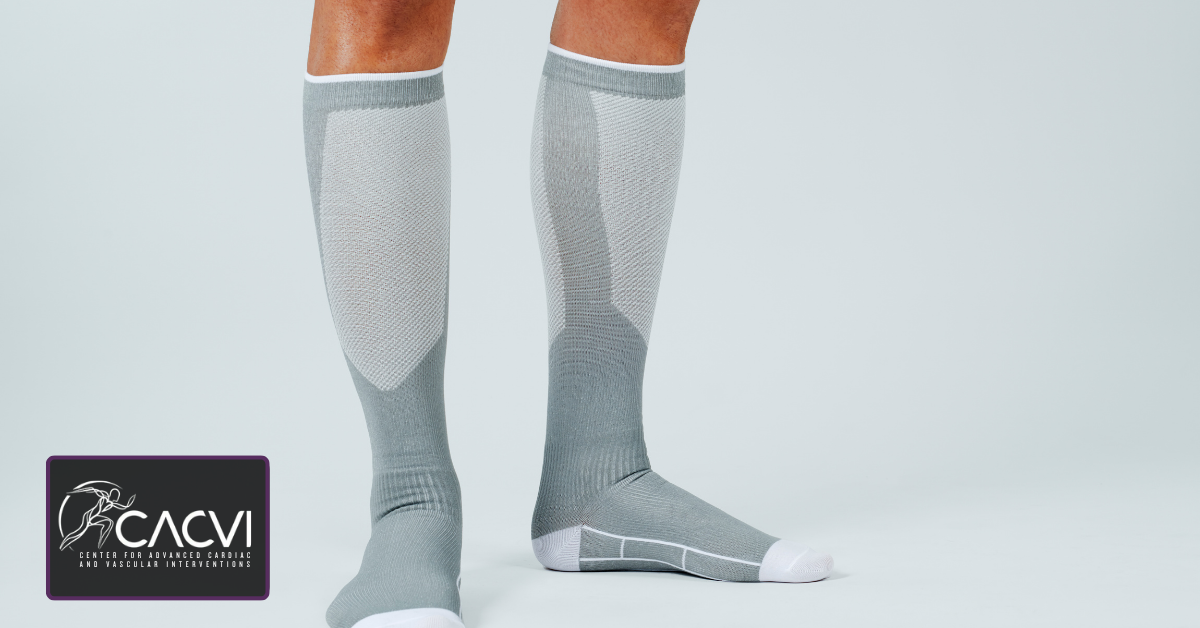
Compression stockings and walking help improve recovery and circulation after treatment.
Are Results Permanent?
In most cases, the results of reticular vein treatment are long-lasting, and the specific veins that are successfully treated usually do not return. Once a vein has been closed through procedures like sclerotherapy, laser therapy, or ambulatory phlebectomy, the body gradually reabsorbs that damaged blood vessel, and it no longer functions as part of your circulation. That said, while treated veins usually stay gone, new veins may develop over time. This is because reticular veins are often connected to ongoing issues like aging, genetics, hormonal changes, obesity, standing for long periods, or underlying venous insufficiency, and treatment can’t prevent the body from creating new vein problems in the future. As Dr. Arshia Mehdi Noori explains, “Treatment removes the veins we target, but patients should understand that vein disease is progressive, meaning new veins can develop if underlying risk factors remain.” For example, one patient we treated underwent sclerotherapy for visible blue or greenish veins behind her knees and on her inner thighs, and her original treated veins remained gone more than two years later. However, after returning to a job that required standing for long hours daily, she later developed a few new visible veins in nearby areas and came back for maintenance care. This is a common scenario and does not mean the original treatment failed. It simply means new affected veins formed over time. To help preserve your results, we often recommend ongoing maintenance and preventive care, especially for patients with strong risk factors or family history of vein disease. Preventive strategies may include wearing compression stockings, staying active to improve blood flow, avoiding sitting or standing for long periods, maintaining a healthy weight, and scheduling follow-up vascular evaluations when needed. It depends on your overall vascular health, but patients who stay proactive with prevention often maintain their results longer and reduce the likelihood of needing future treatment.When to Seek Treatment From a Specialist
You should consider seeing a vascular specialist if your veins become painful, increasingly visible, or continue worsening over time. Aching, burning, tenderness, or significant discomfort can suggest the problem extends beyond appearance alone and may indicate poor blood flow or increased pressure in the veins. It is also wise to seek treatment if you notice swelling, heaviness, or fatigue in the legs, particularly after standing for long periods or at the end of the day. These symptoms are commonly associated with early chronic venous insufficiency and should not be ignored, especially if they are becoming more frequent. For many patients, cosmetic concerns alone are a valid reason to explore treatment. If visible blue, purple, or greenish veins are affecting your confidence, wardrobe choices, or self-esteem, minimally invasive treatment options can help improve the appearance of your skin while also addressing the underlying vein issue. Most importantly, if your symptoms are interfering with daily life, whether that means discomfort while walking, trouble standing for long hours, or constant awareness of your legs throughout the day, it may be time to get evaluated. At CACVI, our team has over 30 years of experience helping patients diagnose and treat both cosmetic and medical vein concerns through personalized, minimally invasive vascular care. If you are noticing worsening symptoms or simply want expert guidance on your options, we encourage you to schedule your consultation through our contact page. Early diagnosis can make a major difference in preventing complications and preserving long-term vein health.Thinking About Getting Reticular Veins Treatment?
Reticular veins are common, but they do not have to be permanent. In our experience, many patients are surprised to learn that modern treatment options like sclerotherapy, laser treatment, and other minimally invasive procedures can improve both the appearance of visible veins and overall comfort with little downtime. Seeking treatment early may also help prevent worsening vein issues over time, especially if your reticular veins are linked to venous insufficiency or other underlying vein conditions. If you are ready to treat your reticular veins, our team at CACVI is here to help with over 30 years of experience in expert vascular care. Schedule your consultation with CACVI today.Frequently Asked Questions
Many patients have additional questions before moving forward with reticular veins treatment, especially when deciding between professional procedures and at-home care. Below, we answer some of the most common questions we hear from patients during consultations at CACVI.What Are The Best Home Remedies For Reticular Veins Treatment?
While home remedies will not remove reticular veins completely, lifestyle habits such as wearing compression stockings, elevating your legs, exercising regularly, and avoiding standing for long periods may help improve blood flow and reduce symptoms. In our experience, these methods work best as supportive care or prevention rather than a replacement for professional treatment.How Much Does Reticular Veins Treatment Cost?
The cost of reticular veins treatment depends on the type of procedure needed, the number of veins being treated, and whether multiple sessions are required. We recommend scheduling a consultation because pricing can vary significantly based on your individual condition and personalized treatment plan.Are There Any Natural Supplements That Can Help With Reticular Veins Treatment?
Some patients explore herbal supplements marketed for vein health, such as horse chestnut or flavonoid blends, but evidence on their effectiveness is mixed and they should not replace medical care. We always recommend speaking with your healthcare provider before starting supplements, as they may interact with medications or other treatments.What Are The Risks Associated With Reticular Veins Treatment?
Most reticular vein treatments are safe, but potential risks can include bruising, swelling, temporary skin discoloration, mild discomfort, and in rare cases allergic reactions or clotting complications. In our experience, choosing an experienced vascular specialist helps minimize risks and improves treatment outcomes.Can Reticular Veins Treatment Be Done Without Surgery?
Yes, many modern reticular vein treatments can be performed without surgery using minimally invasive options such as sclerotherapy and laser treatment. These in-office procedures typically require little downtime and allow most patients to return to normal activities quickly.
✓ Medically reviewed by
Dr. Vasim Lala
D.O., FACC, FSCAI, RPVI · Coronary, vascular and structural intervention
Trained at Mount Sinai in New York in advanced coronary, vascular and structural intervention. Focuses on minimally invasive heart and vascular procedures and on preventive cardiology, and writes for the American College of Cardiology.
View physician profile →
